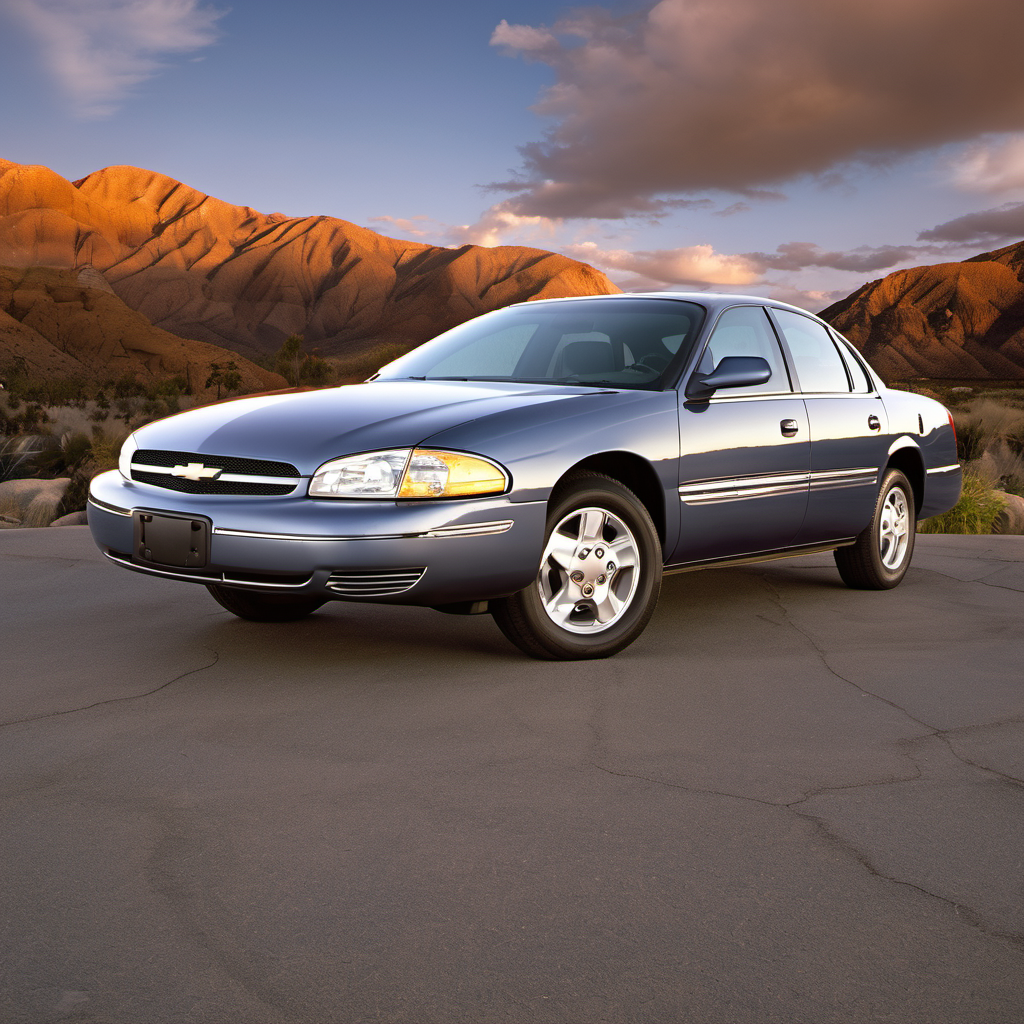
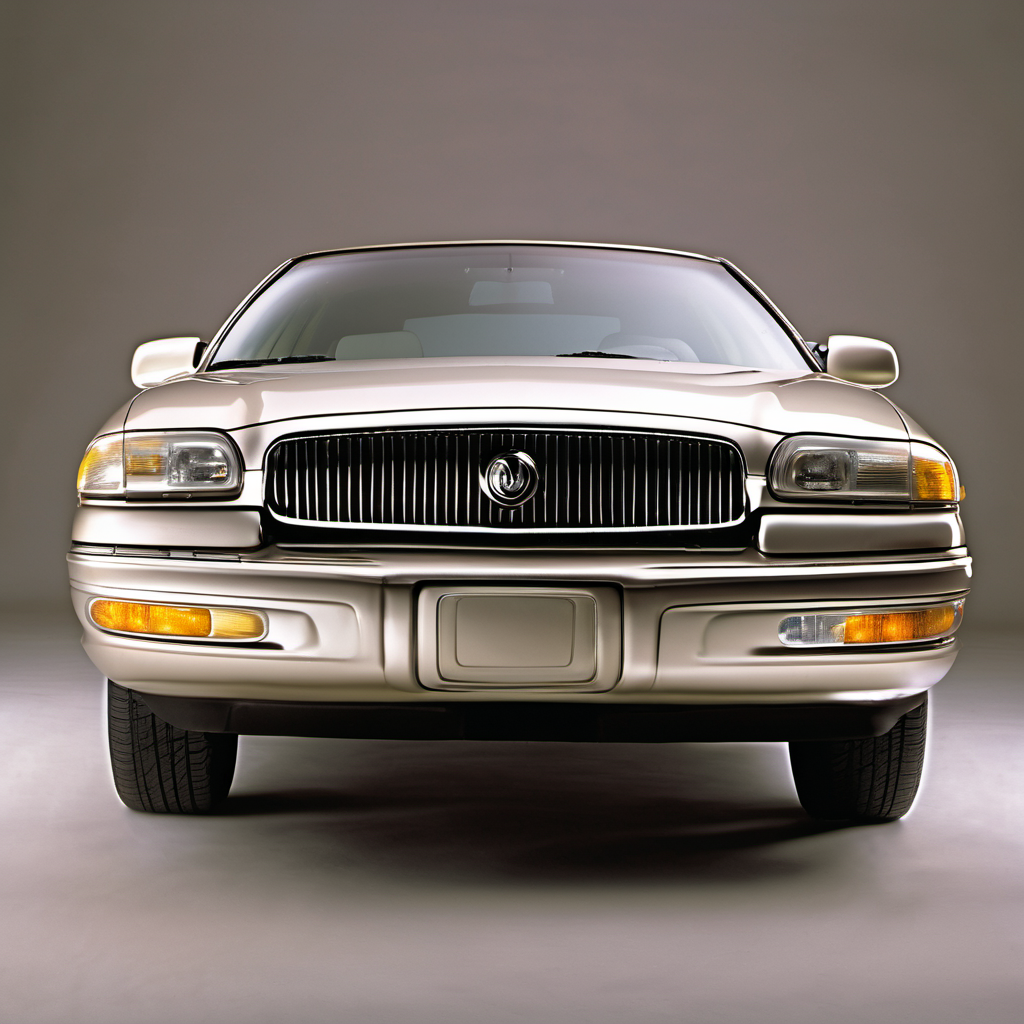
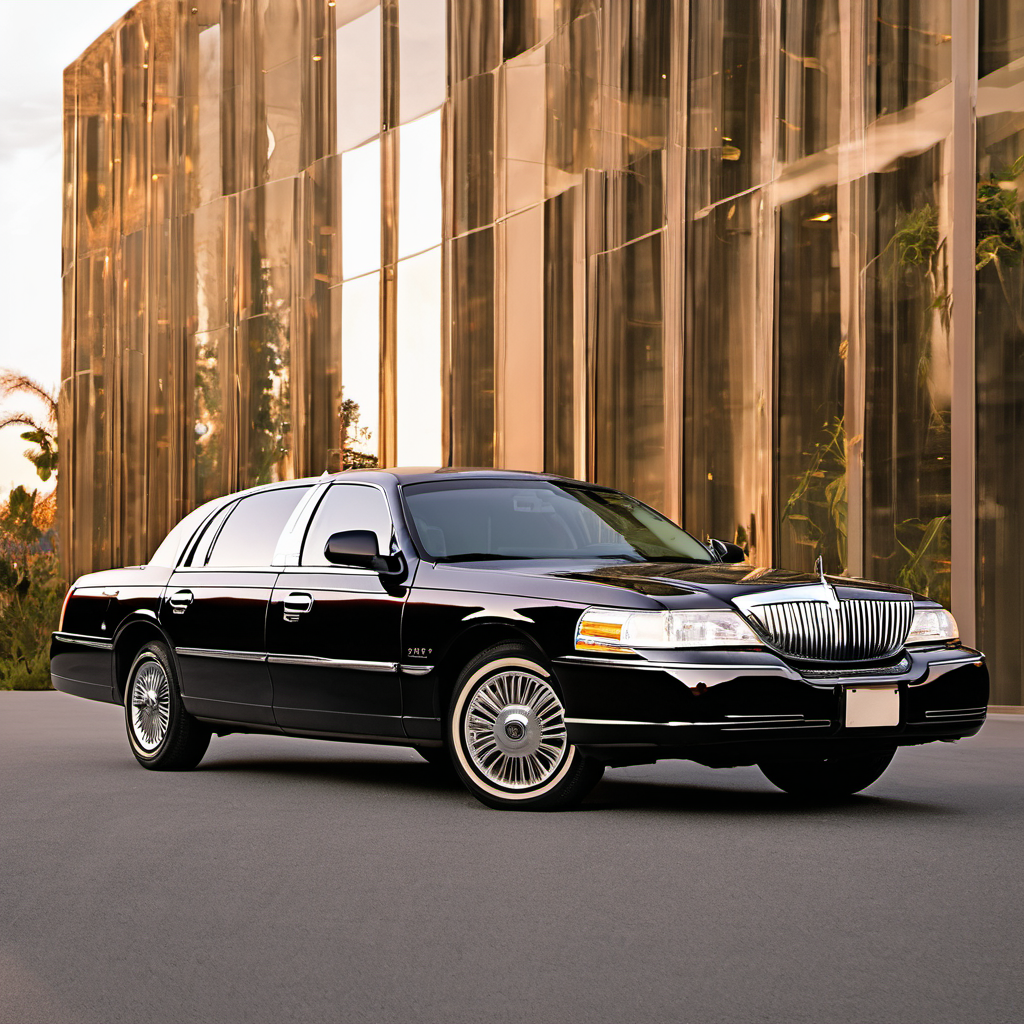
2000 Ford Crown Victoria Sedan

2000 Ford

Crown VictoriaSedan

Sedan

The 2000 Ford Crown Victoria is a full-size, body-on-frame rear-wheel-drive sedan built on Ford's venerable Panther platform. It shares its bones with the Mercury Grand Marquis and Lincoln Town Car, and was a staple of police fleets, taxi services, and private buyers who valued durability and a smooth, comfortable ride over modern technology. Powered by the 4.6L Modular V8 paired with a 4-speed automatic, the Crown Vic is uncomplicated to work on and parts are plentiful and inexpensive. The engine is known to go well past 200,000 miles with consistent oil changes and cooling system attention. The car's size, solid rear axle, and traditional layout make it a trusted workhorse rather than a flashy cruiser. By 2000, this generation was mature and well-sorted. Most early bugs were long ironed out, and the biggest concerns center on age-related wear — cooling system components, suspension bushings, and fuel delivery — rather than any fundamental design flaws. For buyers looking for a capable, roomy, cheap-to-maintain sedan, the Crown Vic remains a smart choice if you can live with its sheer size and thirst for fuel.

Reliability
4/5
Verified data
Specs shown for Crown Victoria — the most common configuration. Other trims may vary in engine, drivetrain, or fuel economy. Sign in to see your vehicle's exact specs.
Engine
[object Object]
Drivetrain
RWD
Fuel
Gasoline
MPG
16 city / 23 hwy / 18 combined
Seats
Doors
Body
Large Cars

Overview

AI-curated

The 2000 Ford Crown Victoria is a full-size, body-on-frame rear-wheel-drive sedan built on Ford's venerable Panther platform. It shares its bones with the Mercury Grand Marquis and Lincoln Town Car, and was a staple of police fleets, taxi services, and private buyers who valued durability and a smooth, comfortable ride over modern technology. Powered by the 4.6L Modular V8 paired with a 4-speed automatic, the Crown Vic is uncomplicated to work on and parts are plentiful and inexpensive. The engine is known to go well past 200,000 miles with consistent oil changes and cooling system attention. The car's size, solid rear axle, and traditional layout make it a trusted workhorse rather than a flashy cruiser. By 2000, this generation was mature and well-sorted. Most early bugs were long ironed out, and the biggest concerns center on age-related wear — cooling system components, suspension bushings, and fuel delivery — rather than any fundamental design flaws. For buyers looking for a capable, roomy, cheap-to-maintain sedan, the Crown Vic remains a smart choice if you can live with its sheer size and thirst for fuel.

Known for
  • Bulletproof 4.6L Modular V8 longevity
  • Exceptionally roomy interior and enormous trunk
  • Simple, mechanic-friendly body-on-frame construction
  • Parts availability and low repair costs
  • Smooth, compliant highway ride
Best for
  • High-mileage highway commuters
  • Buyers wanting a reliable, low-cost daily driver
  • People who need maximum passenger and trunk space
  • DIY owners who want an easy vehicle to work on
Watch for
  • Fuel tank fire risk on ex-police vehicles from rear-end collisions (recall history — verify it was addressed)
  • Cooling system neglect leading to intake manifold and thermostat failures
  • Worn air ride or suspension components on high-mileage examples
  • Heavy corrosion on subframe, brake lines, and exhaust from salt exposure — critical in Wisconsin
  • Unknown fleet or taxi history hiding severe wear

Common issues by mileage

6 known

Cooling system failure — thermostat, intake gaskets, and radiator

high
Typically appears
80–150k mi
Estimated repair
$150 – $600

Spark plug seizure / breakage on removal

high
Typically appears
80–120k mi
Estimated repair
$200 – $800

Fuel pump failure (in-tank)

medium
Typically appears
100–180k mi
Estimated repair
$250 – $450

Rear air suspension / shock absorber wear (if equipped with air ride)

medium
Typically appears
80–140k mi
Estimated repair
$300 – $700

Brake line corrosion and failure

high
Typically appears
100k+ mi
Estimated repair
$300 – $900

Oxygen sensor / HO2S heater circuit faults

medium
Typically appears
80–160k mi
Estimated repair
$150 – $350

Maintenance schedule

  1. 1
    Every 5,000 miles or 6 months Engine oil and filter change

    The 4.6L V8 rewards consistent oil changes with exceptional longevity. At this age, stick to 5W-30 conventional or synthetic — do not extend intervals.

  2. 2
    Every 30,000 miles or 2 years Coolant flush and thermostat inspection

    Cooling system neglect is the top killer of these engines. Flush old coolant, inspect the thermostat housing, and check hoses for softness or cracking.

  3. 3
    Every 60,000 miles — plan carefully Spark plug replacement

    Use only the correct Ford-spec spark plugs. Have plugs removed when the engine is warm (not hot) to minimize breakage risk. Broken plugs in the head are a costly repair.

  4. 4
    Every 30,000 miles Transmission fluid change

    The 4R70W is durable but fluid breaks down under heat. Fresh Mercon V fluid keeps shifts smooth and extends clutch pack life significantly.

  5. 5
    Every year, more frequently after Wisconsin winters Brake line inspection

    Road salt attacks the steel brake lines on these cars. Look for bubbling, rust scale, or soft spots. A failed brake line is a safety emergency — catch it early.

  6. 6
    Every 30,000 miles Fuel filter replacement

    Protects the fuel pump from debris. Inexpensive insurance against a much costlier pump replacement.

  7. 7
    Every 30,000 miles or at each tire rotation Suspension bushing and ball joint inspection

    Worn bushings cause vague steering and uneven tire wear. On a heavy RWD car, worn rear suspension geometry also affects alignment and handling predictability.

  8. 8
    Every fall before winter Battery load test

    The 4.6L V8 draws serious current on cold starts. A battery that passes a summer test can still fail at -10°F. Wisconsin winters demand a strong battery — test it, don't guess.

Always defer to the manufacturer's service manual for warranty-mandated intervals.

Cost of ownership

Annual maintenance
$600 – $1,400
Fuel
At 18 MPG combined, expect roughly $2,000–$2,600/year at current Wisconsin fuel prices for average driving (~12,000 miles). Highway-heavy driving improves this noticeably.
Insurance
Generally low — large older sedan with no sports/performance designation. Expect modest rates, though liability coverage on an older vehicle often makes more sense than full comp/collision.

The Crown Vic is one of the cheapest full-size vehicles to maintain. Parts are abundant, labor hours are low on most repairs, and nothing on this car requires specialty tooling or dealer software. The main ongoing cost is fuel — the 4.6L V8 is not efficient. Budget for a cooling system refresh and fresh brake lines if you're buying a high-mileage example, and you'll likely get years of trouble-free driving.
Seasonal care

Lake Geneva, WI
Winter
  • Switch to 5W-30 full synthetic if not already — it flows faster at sub-zero temps for critical cold-start lubrication on the 4.6L.
  • Load-test the battery every October. This is a heavy V8; a marginal battery will leave you stranded in a Wisconsin winter.
  • Use -40°F rated washer fluid — temperatures routinely hit that range in Lake Geneva. Standard fluid will freeze in the lines.
  • Inspect and treat all underbody brake lines before winter. Salt exposure is the #1 accelerator of brake line failure on these cars.
  • Check antifreeze concentration — verify protection to at least -34°F with a tester. Older coolant loses inhibitors even if the level is fine.
  • Keep the gas tank at least half full to prevent fuel line moisture and ensure the in-tank fuel pump stays submerged and cool.
Summer
  • Inspect the cooling system before heat arrives — check the radiator cap, hoses, and thermostat. The 4.6L runs warm and a weak cooling system will let you know it in July.
  • Check and adjust tire pressure monthly — heat causes pressure to rise roughly 1 PSI per 10°F increase, affecting handling and wear on this heavy car.
  • Run the A/C on ECON or MAX and check refrigerant charge if cooling is weak — the Crown Vic's large cabin puts real demand on its A/C system.
  • Inspect the serpentine belt and tensioner — heat and age crack belts, and a snapped belt takes out the alternator, power steering, and water pump simultaneously.

Comparable vehicles

If you're shopping for one

Red flags
  • Any evidence of rear-end collision damage — verify the fuel tank/filler neck recall was completed before purchase
  • Overheat history (warped head gaskets are expensive on any V8 and will show as white exhaust smoke or milky oil)
  • Rust through the floorpan, frame rails, or brake lines — these are expensive or unsafe to address on a cheap car
  • Transmission that slips, shudders, or hunts between gears — fluid-neglected 4R70Ws deteriorate quickly
  • Missing service records on a high-mileage example — cooling system and spark plug history matters enormously on this engine
What to inspect
  • Check VIN history for police, taxi, or fleet use — these accumulate hard miles even if odometer reads low
  • Inspect all steel brake lines underneath for rust, bubbling, or soft spots — Wisconsin salt makes this a safety priority
  • Look for coolant leaks around the intake manifold, thermostat housing, and radiator — feel hoses for softness or brittleness
  • Check the trunk floor and spare tire well for rust or evidence of a rear-end collision (fuel tank fire recall history)
  • Test the transmission for smooth, firm shifts through all gears — a slipping or harsh 4R70W is a $1,000+ repair
  • Verify both front and rear suspension for clunks, play in ball joints, and worn bushings — budget for a full front-end refresh on neglected examples
AI profile generated 12 days ago · claude-sonnet-4-6 · v2.