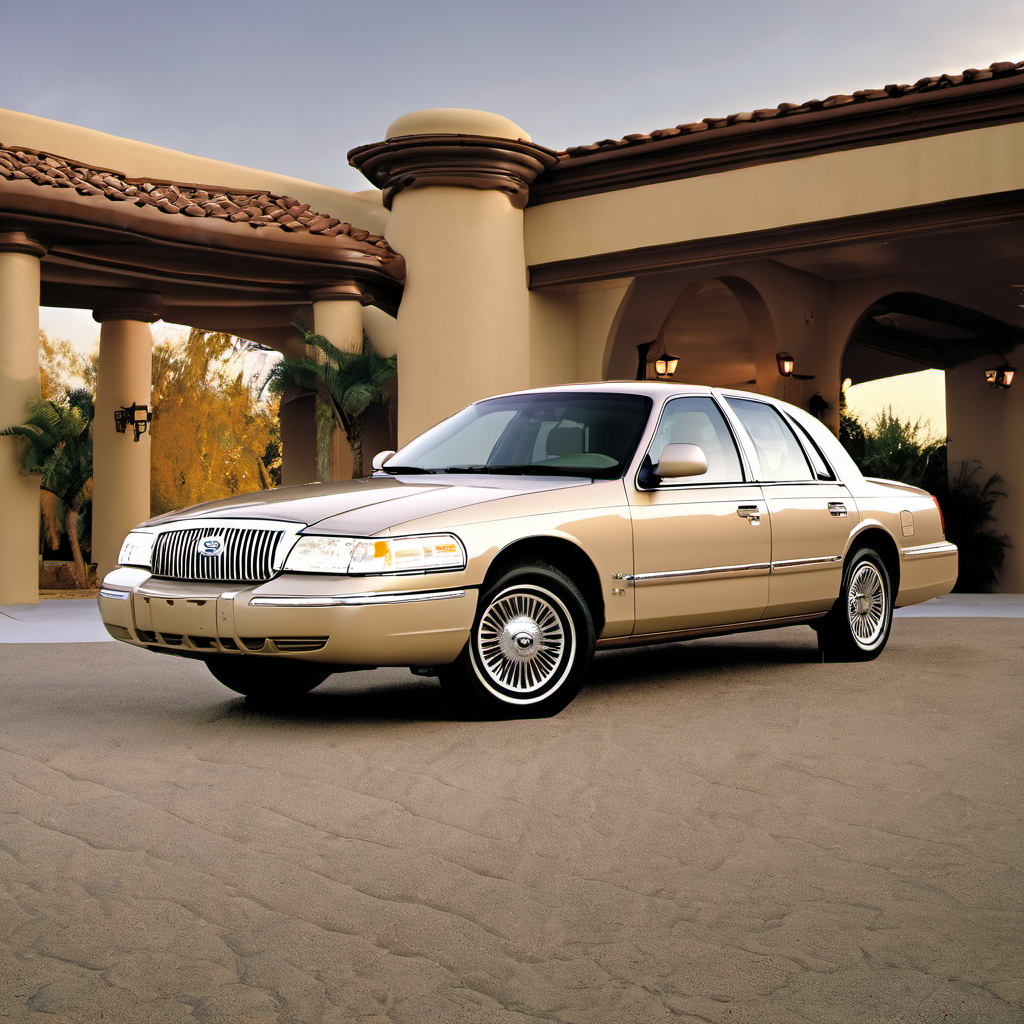
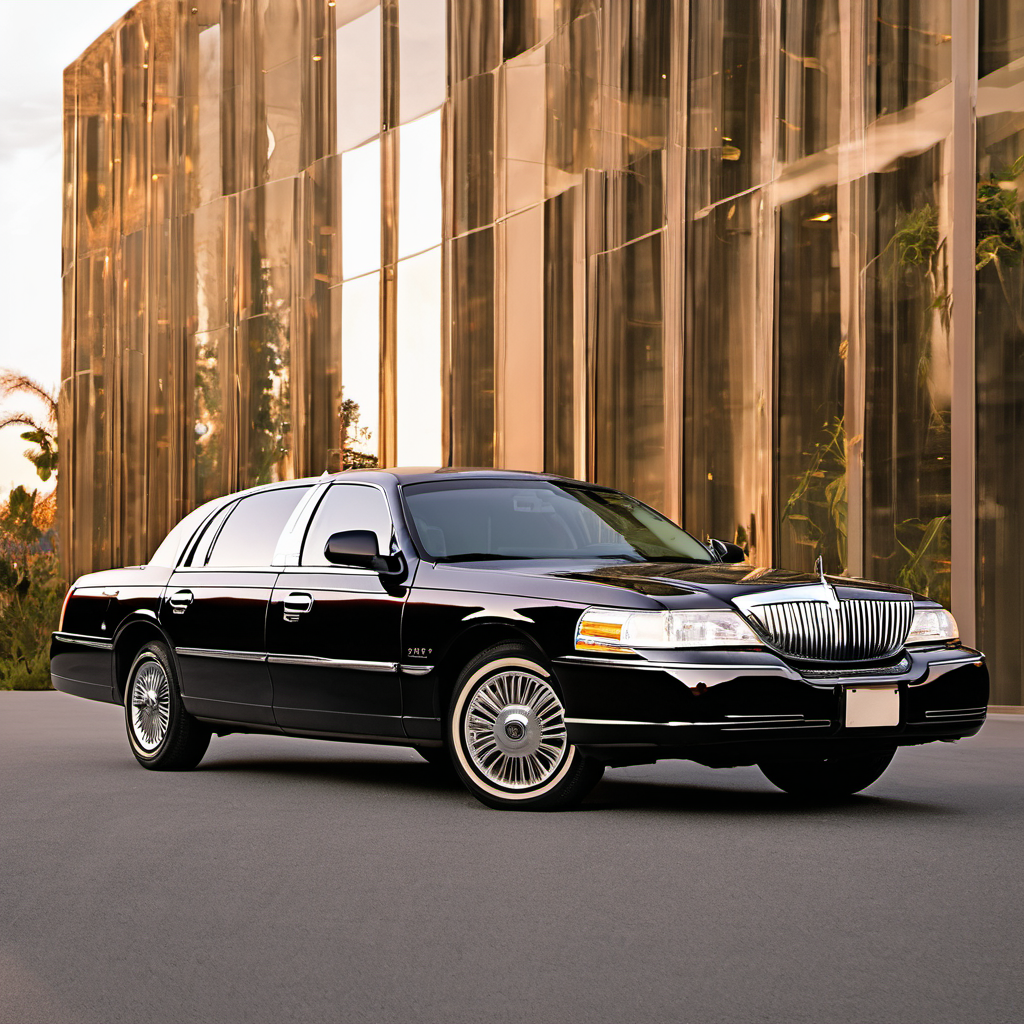
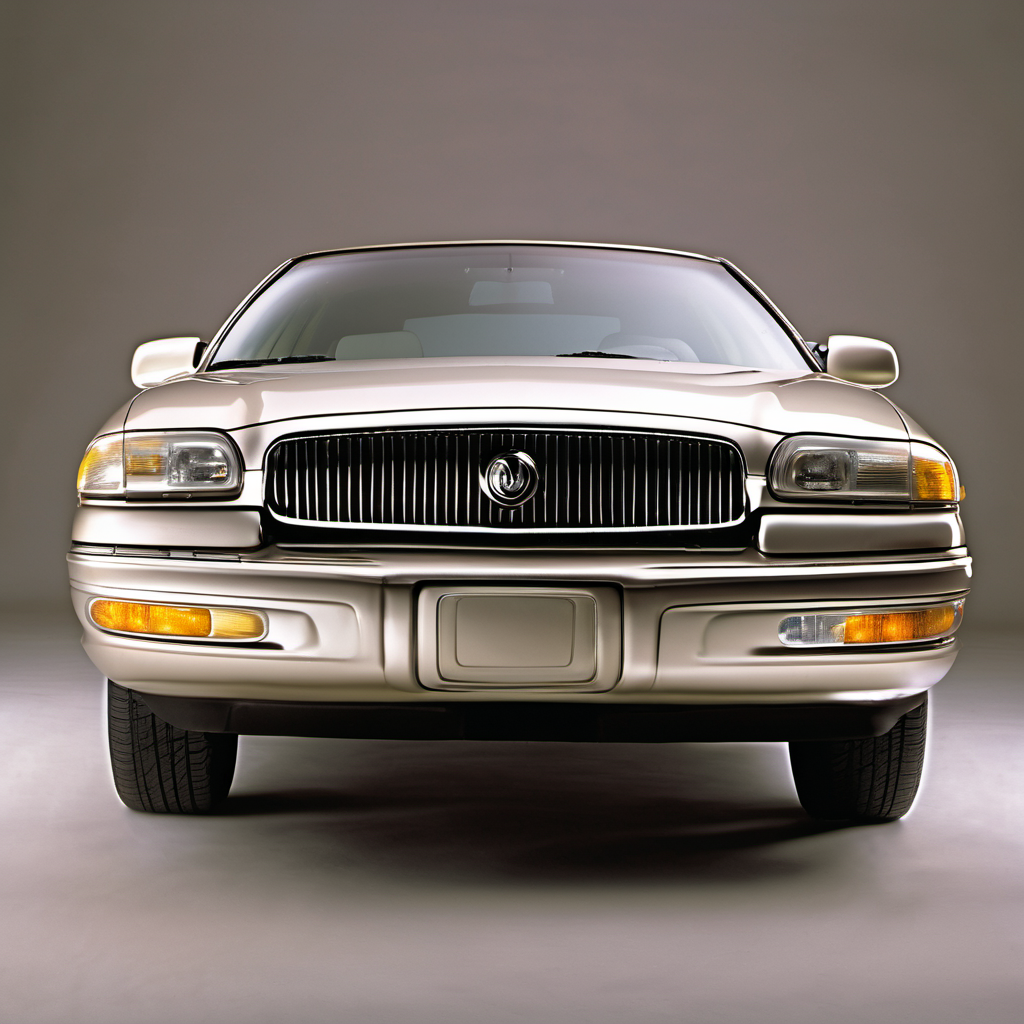
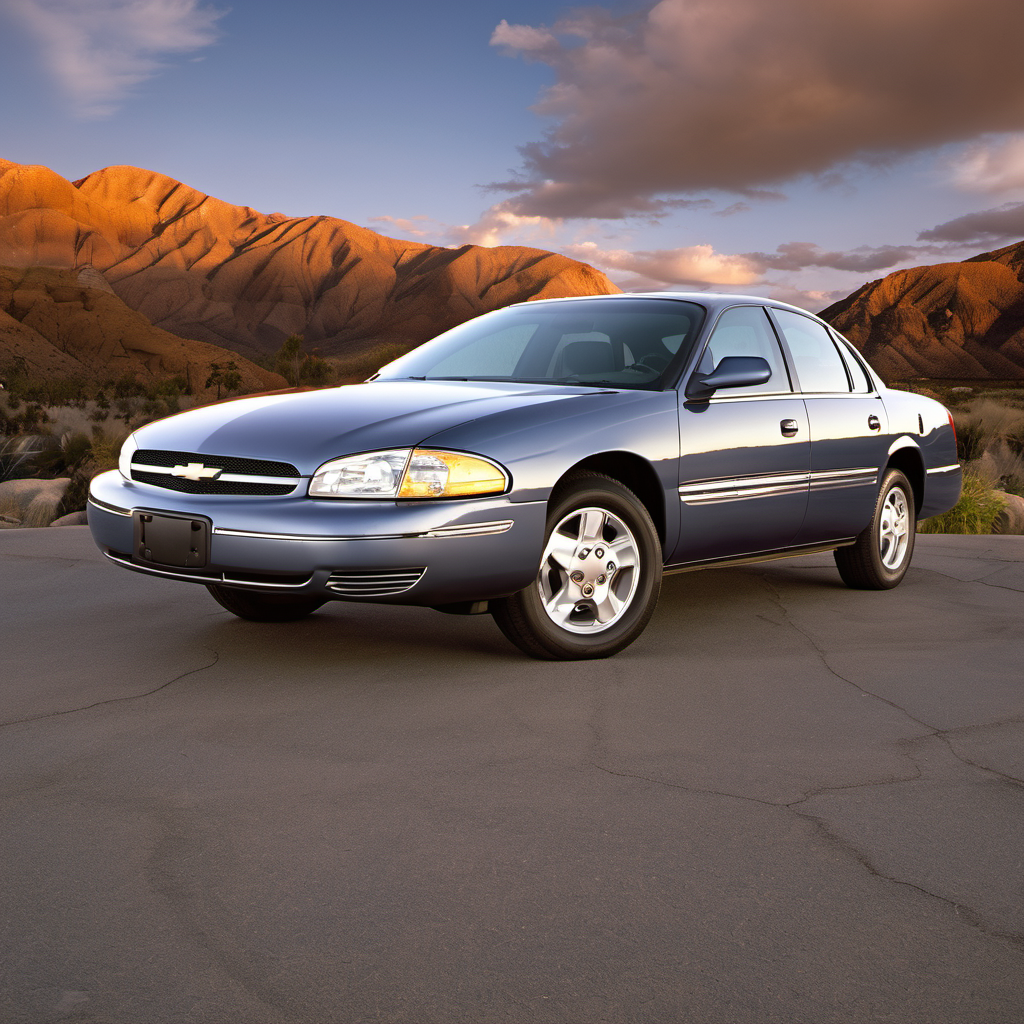
2000 Mercury Grand Marquis Sedan

2000 Mercury

Grand MarquisSedan

Sedan

The 2000 Mercury Grand Marquis is a full-size, body-on-frame rear-wheel-drive sedan built on Ford's proven Panther platform — the same bones shared with the Ford Crown Victoria and Lincoln Town Car. By 2000, the Panther platform was well into its mature, proven stride, making this one of the more mechanically straightforward large sedans available. It was sold primarily to buyers who valued interior room, a smooth highway ride, and mechanical simplicity over flash or fuel economy. Under the hood sits Ford's 4.6L SOHC Modular V8 — a durable, well-understood engine that police fleets and taxi operators trusted for high-mileage duty. The 4-speed automatic transmission is equally robust. Parts are abundant, cheap, and any competent independent shop can work on this car without exotic tooling. By this era, the Grand Marquis occupied a shrinking niche — older buyers, fleet buyers, and value-minded drivers who wanted a lot of car for the money. The tradeoff is fuel economy firmly in the 16–23 MPG range and a dated interior. For those who just need something big, reliable, and easy to fix, it still earns respect.

Reliability
4/5
Verified data
Specs shown for Grand Marquis — the most common configuration. Other trims may vary in engine, drivetrain, or fuel economy. Sign in to see your vehicle's exact specs.
Engine
[object Object]
Drivetrain
RWD
Fuel
Gasoline
MPG
16 city / 23 hwy / 18 combined
Seats
Doors
Body
Large Cars

Overview

AI-curated

The 2000 Mercury Grand Marquis is a full-size, body-on-frame rear-wheel-drive sedan built on Ford's proven Panther platform — the same bones shared with the Ford Crown Victoria and Lincoln Town Car. By 2000, the Panther platform was well into its mature, proven stride, making this one of the more mechanically straightforward large sedans available. It was sold primarily to buyers who valued interior room, a smooth highway ride, and mechanical simplicity over flash or fuel economy. Under the hood sits Ford's 4.6L SOHC Modular V8 — a durable, well-understood engine that police fleets and taxi operators trusted for high-mileage duty. The 4-speed automatic transmission is equally robust. Parts are abundant, cheap, and any competent independent shop can work on this car without exotic tooling. By this era, the Grand Marquis occupied a shrinking niche — older buyers, fleet buyers, and value-minded drivers who wanted a lot of car for the money. The tradeoff is fuel economy firmly in the 16–23 MPG range and a dated interior. For those who just need something big, reliable, and easy to fix, it still earns respect.

Known for
  • Bulletproof 4.6L Modular V8 with massive parts availability
  • Exceptionally spacious rear seat — one of the largest in any sedan
  • Smooth, compliant highway ride from a long wheelbase and tuned suspension
  • Extremely low cost of ownership when maintained
  • Shared Panther platform with Crown Vic and Town Car — parts are everywhere
Best for
  • High-mileage highway drivers who want durability over style
  • Buyers on a tight budget who need a large, comfortable sedan
  • Owners who do their own maintenance and value simple, accessible mechanicals
  • Drivers who frequently haul passengers and need maximum rear legroom
Watch for
  • Rust — especially on the trunk floor, spare tire well, and rear frame rails on Wisconsin/salt-belt cars
  • Air suspension (if equipped) can fail and is expensive to repair or must be converted to coil springs
  • High mileage examples may have deferred maintenance on cooling system and intake gaskets
  • Interior plastics and door handles are brittle at this age
  • Fuel economy is genuinely poor — budget for it

Common issues by mileage

6 known

Plastic Intake Manifold Crossover Failure

high
Typically appears
60–120k mi
Estimated repair
$300 – $600

Air Suspension Failure (if equipped)

high
Typically appears
80–150k mi
Estimated repair
$400 – $900

Rear Subframe and Trunk Floor Rust

high
Typically appears
Any mileage on salt-belt cars
Estimated repair
$500 – $3,000

Oxygen Sensor Heater Circuit Failure

medium
Typically appears
80–150k mi
Estimated repair
$150 – $350

Transmission Fluid Degradation / Shift Quality Issues

medium
Typically appears
80–160k mi
Estimated repair
$150 – $400

Cooling System Degradation (Thermostat, Hoses, Water Pump)

medium
Typically appears
100–180k mi
Estimated repair
$250 – $700

Maintenance schedule

  1. 1
    Every 5,000 miles or 6 months Engine oil and filter change

    The 4.6L Modular V8 is not sensitive, but conventional oil degrades faster in older engines with higher blow-by. Regular changes are the single biggest longevity factor on this platform.

  2. 2
    Every 30,000 miles Transmission fluid change (4R70W)

    Ford specified longer intervals but real-world experience in the upper Midwest shows the 4R70W benefits from fresh fluid at this interval, especially in stop-and-go or towing use. Use Mercon V.

  3. 3
    Every 30,000 miles or every 2 years Coolant flush and system inspection

    Degraded coolant accelerates corrosion in the plastic intake crossover and aluminum heads. Inspect hoses and the plastic crossover fitting while the system is open.

  4. 4
    Every 60,000 miles Spark plugs replacement

    Motorcraft platinum plugs are specified. Do not delay — plugs can seize in aluminum heads on this engine and become expensive to extract.

  5. 5
    Every 15,000 miles or annually Inspect and lubricate rear suspension and steering components

    Salt exposure in Wisconsin accelerates wear and corrosion on ball joints, tie rod ends, and sway bar links. Catch these before they become safety items.

  6. 6
    Every 2–3 years Brake fluid flush

    Brake fluid absorbs moisture over time. In Wisconsin winters with large temperature swings, this accelerates. Flush before moisture content causes corrosion in the ABS module or calipers.

  7. 7
    Annually Air suspension inspection (if equipped)

    Air bags and the compressor are wear items. At this age, if the car still has the factory air suspension, inspect for sagging and compressor run time. Consider a coil spring conversion kit if the system is near end of life.

  8. 8
    Every 30,000 miles Fuel filter replacement

    The in-line fuel filter on this generation is accessible and inexpensive. A clogged filter stresses the in-tank fuel pump, which is expensive to replace.

Always defer to the manufacturer's service manual for warranty-mandated intervals.

Cost of ownership

Annual maintenance
$600 – $1,400
Fuel
At 18 MPG combined and Wisconsin average gas prices, expect roughly $2,000–$2,600/year at 15,000 miles annually. Premium is not required — regular 87 octane is fine.
Insurance
Insurance is typically low — this is an older, large, inexpensive sedan with no performance premium. Expect $700–$1,200/year for full coverage depending on driver profile.

The Grand Marquis is one of the cheapest full-size sedans to own and maintain when rust is not a factor. Parts are plentiful and inexpensive. The main financial wildcard on a Wisconsin car is rust repair — a clean body is worth paying more for upfront. Fuel cost is the biggest ongoing expense given the 18 MPG combined rating.

Seasonal care

Lake Geneva, WI
Winter
  • Test the battery before first hard freeze — this is a heavy V8 with a large cranking demand. Replace any battery showing more than 3 years of Wisconsin winters.
  • Flush and fill with fresh 50/50 coolant rated to at least -34°F to prevent freezing and protect the aluminum heads.
  • Rinse the undercarriage weekly during salt season — pay special attention to the trunk floor, spare tire well, and rear frame rails, which are rust hotspots on this platform.
  • Switch to a winter washer fluid rated to -20°F or colder; the reservoir on this car is large but the pump can freeze if you run diluted fluid.
  • Inspect wiper blades and consider winter-style blades — the long hood and flat windshield pile up snow and demand reliable wiper performance.
  • Check tire pressure monthly: every 10°F drop in temperature costs roughly 1 PSI. These cars ride on large tires and understeer quickly when pressures are low.
Summer
  • Inspect the cooling system hoses and the plastic intake manifold crossover before summer heat — these degrade faster in heat cycles and a Wisconsin summer can expose a weak system quickly.
  • Check A/C system charge and cabin air circulation; the evaporator and blend doors on this age of car can develop slow leaks or sticking actuators.
  • Monitor tire pressure — heat causes pressure to rise roughly 1 PSI per 10°F. Check cold in the morning and stay within the door-placard spec.
  • Inspect the battery terminals for corrosion; heat kills batteries as fast as cold does, and a 24-year-old electrical system benefits from clean, tight connections.

Comparable vehicles

If you're shopping for one

Red flags
  • Any soft spots, holes, or heavy flaking rust on the trunk floor, spare tire well, or rear underbody — rust repair can cost more than the car is worth.
  • Air suspension that sags overnight or a compressor that runs constantly — budget $500–$900 for a coil conversion if so.
  • Milky or foamy oil on the dipstick or cap — possible head gasket issue, walk away or negotiate heavily.
  • Overheating history indicated by stained overflow reservoir, cracked hoses, or a new water pump with no receipts for other cooling work.
  • CEL codes related to oxygen sensor heaters (P0030–P0032, P0036) combined with poor fuel economy — indicates deferred maintenance that may have caused downstream damage.
What to inspect
  • Trunk floor and spare tire well — probe with a screwdriver for soft or rusted metal. This is a pass/fail item on Wisconsin cars.
  • Rear frame rails just ahead of the rear axle — a known rust perforation point on salt-belt Panthers.
  • Check if the car has air suspension or coil springs — look for the air compressor under the hood. If air, ask when it was last serviced or whether a coil conversion was done.
  • Start the engine cold and listen for ticking from the top end — worn timing chain tensioners on high-mileage 4.6L engines can tick before fully warming up.
  • Check coolant color and condition — brown or rusty coolant signals neglected service and possible intake crossover or head gasket issues.
  • Look for transmission shudder on a light-throttle highway cruise around 45 MPH — a sign of worn torque converter lockup clutch.
AI profile generated 8 days ago · claude-sonnet-4-6 · v2.