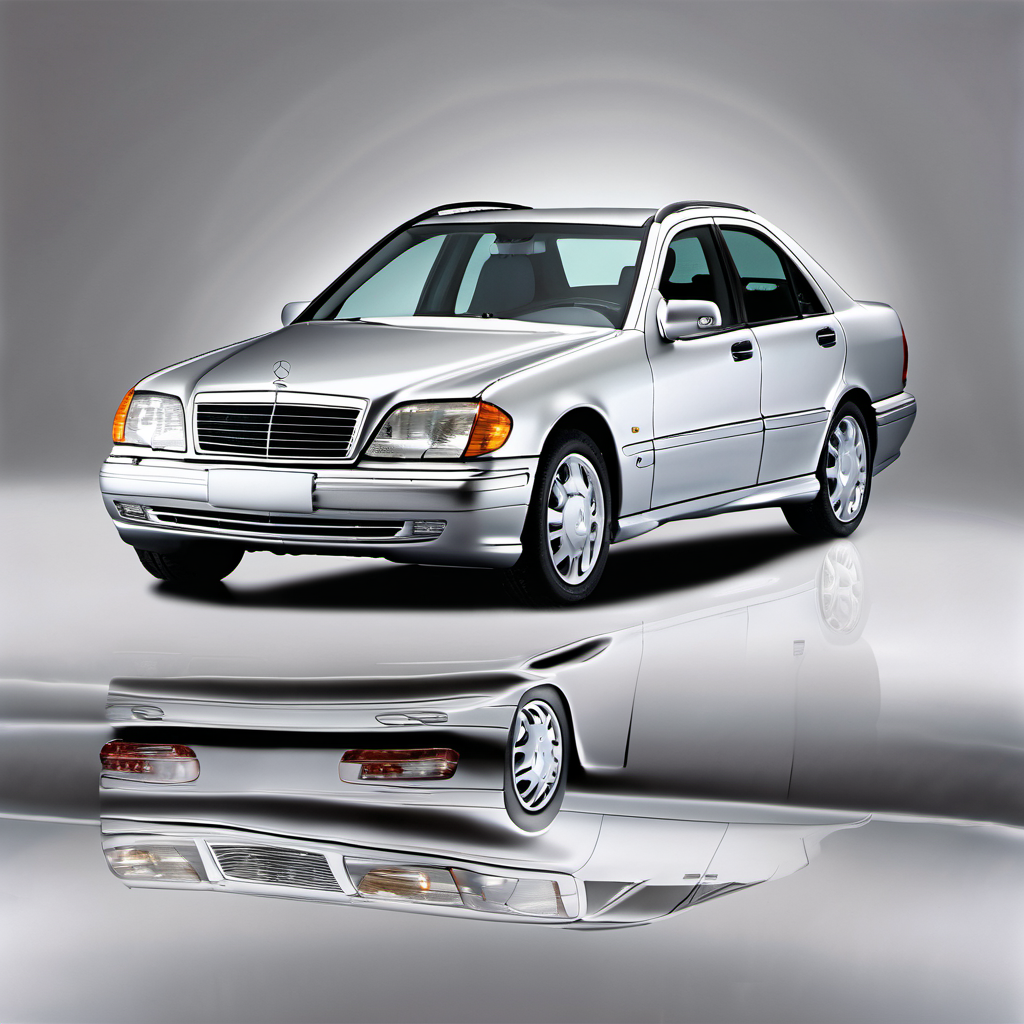
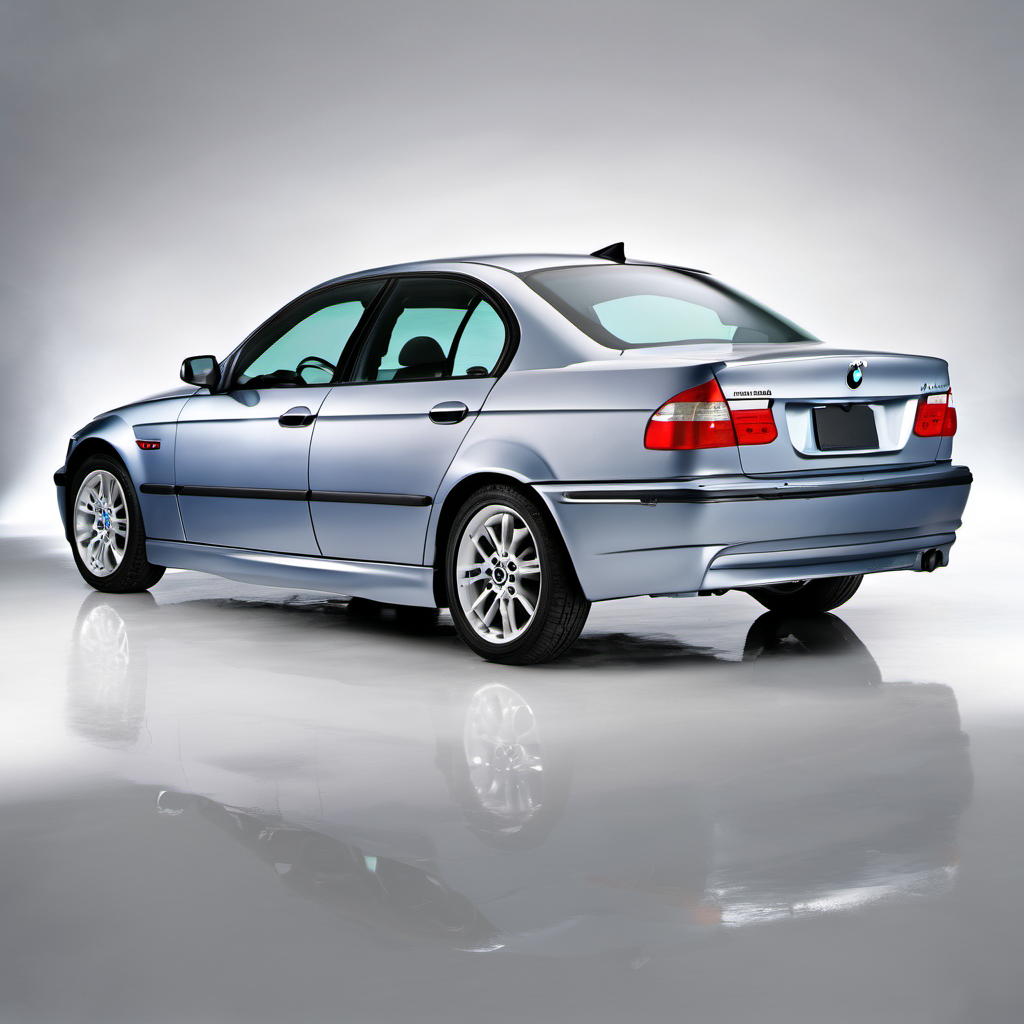
2000 Mercedes-Benz C-Class Sedan

2000 Mercedes-Benz

C-ClassSedan

Sedan

The 2000 Mercedes-Benz C-Class (W202 generation, its final model year) is a compact rear-wheel-drive luxury sedan that blends European driving refinement with a manageable footprint. The C230 Kompressor was the volume leader in this lineup, pairing a supercharged 2.3L four-cylinder with a smooth automatic transmission. At 24 years old, these cars are firmly in enthusiast and budget-luxury territory — they can be rewarding to own but demand a buyer who understands that German luxury parts carry German luxury prices even at independent shops. The W202 earned a reputation for solid build quality and a connected, sporty driving feel uncommon in its class at the time. However, it also introduced Mercedes-Benz's early foray into electronics-heavy engineering, and many of those systems are now aged and failure-prone. Electrical gremlins, rust in rust-belt states, and expensive suspension components are the biggest ownership risks at this age. If you're in Lake Geneva and considering one of these, scrutinize the undercarriage for salt corrosion before anything else. A well-maintained example with documented service history can still be a pleasant daily driver, but budget realistically — deferred maintenance on a 25-year-old Mercedes compounds quickly.

Reliability
2/5
Verified data
Specs shown for C230 Kompressor — the most common configuration. Other trims may vary in engine, drivetrain, or fuel economy. Sign in to see your vehicle's exact specs.
Engine
[object Object]
Drivetrain
RWD
Fuel
Premium gasoline
MPG
19 city / 26 hwy / 22 combined
Seats
Doors
Body
Compact Cars

Overview

AI-curated

The 2000 Mercedes-Benz C-Class (W202 generation, its final model year) is a compact rear-wheel-drive luxury sedan that blends European driving refinement with a manageable footprint. The C230 Kompressor was the volume leader in this lineup, pairing a supercharged 2.3L four-cylinder with a smooth automatic transmission. At 24 years old, these cars are firmly in enthusiast and budget-luxury territory — they can be rewarding to own but demand a buyer who understands that German luxury parts carry German luxury prices even at independent shops. The W202 earned a reputation for solid build quality and a connected, sporty driving feel uncommon in its class at the time. However, it also introduced Mercedes-Benz's early foray into electronics-heavy engineering, and many of those systems are now aged and failure-prone. Electrical gremlins, rust in rust-belt states, and expensive suspension components are the biggest ownership risks at this age. If you're in Lake Geneva and considering one of these, scrutinize the undercarriage for salt corrosion before anything else. A well-maintained example with documented service history can still be a pleasant daily driver, but budget realistically — deferred maintenance on a 25-year-old Mercedes compounds quickly.

Known for
  • Rear-wheel-drive handling with a composed, sporty feel
  • Premium interior quality and solid build for the era
  • Supercharged 2.3L four-cylinder with lively low-end torque
  • Strong long-term community of enthusiast owners and parts availability
  • Mercedes W202 platform considered one of the last 'overbuilt' C-Classes
Best for
  • Enthusiasts who enjoy maintaining and learning their vehicle
  • Drivers wanting a true RWD luxury experience on a modest budget
  • Buyers with an established independent Mercedes mechanic nearby
  • Collectors or hobbyists looking for a late-'90s European classic
Watch for
  • Rust on rocker panels, subframe, and undercarriage from road salt exposure
  • Aging wiring harnesses and brittle plastic connectors causing electrical faults
  • High cost of suspension, steering, and brake components at this age
  • SRS airbag warning lights and aging airbag modules (safety-critical)
  • Coolant system leaks from plastic coolant pipe fittings and expansion tanks

Common issues by mileage

6 known

Coolant System Plastic Fitting & Expansion Tank Failure

high
Typically appears
80–150k mi
Estimated repair
$300 – $800

SRS Airbag Warning Light / Aging Airbag Module

high
Typically appears
Any mileage at this age
Estimated repair
$400 – $1,200

Oxygen Sensor Failure (Upstream/Downstream)

high
Typically appears
80–130k mi
Estimated repair
$200 – $500

Front Suspension Bushings & Ball Joints Wear

high
Typically appears
100–160k mi
Estimated repair
$600 – $1,800

CAN Bus / Module Communication Faults (Aging Wiring)

medium
Typically appears
Any mileage at this age
Estimated repair
$300 – $1,500

Camshaft Position / Valve Timing Issues (Oil Sludge Related)

medium
Typically appears
100k+ mi
Estimated repair
$500 – $1,600

Maintenance schedule

  1. 1
    Every 5,000 miles or annually, whichever comes first Engine oil & filter change — use full synthetic 5W-40 meeting MB 229.3 spec

    Extended OEM oil intervals were set for new cars; at this age with aging seals, shorter intervals prevent sludge buildup that can trigger camshaft timing codes and accelerate wear.

  2. 2
    Inspect every 2 years; replace proactively at first sign of weeping or discoloration Inspect and replace coolant hoses, plastic fittings, and expansion tank

    Plastic coolant components become brittle with age and fail without warning. An overheating event can destroy the engine — prevention is far cheaper than the repair.

  3. 3
    Every 30,000 miles Spark plugs replacement

    The supercharged 2.3L works the plugs harder than a naturally aspirated engine. Fresh plugs maintain fuel economy and protect the catalytic converter and O2 sensors.

  4. 4
    Every 40,000–50,000 miles Transmission fluid service

    Mercedes spec'd this as a 'lifetime' fluid from the factory, but on a 25-year-old car with aged fluid, a drain-and-fill extends transmission life noticeably.

  5. 5
    Every 2 years Brake fluid flush

    Brake fluid is hygroscopic and absorbs moisture over time, lowering its boiling point and corroding ABS/ASR hydraulic components — expensive on this platform.

  6. 6
    Every fall before winter season Undercarriage rust inspection and protective coating

    Lake Geneva road salt is brutal. Inspect subframe, brake lines, and fuel lines annually. Treat any bare metal before it progresses to structural corrosion.

  7. 7
    Every 40,000 miles or every 4 years Serpentine belt and supercharger drive belt inspection

    Belt failure on the Kompressor disables the supercharger and can leave you stranded. Rubber degrades with age regardless of mileage.

  8. 8
    Every fall before winter Battery load test

    Cold Wisconsin winters demand a strong battery. The W202's electronics are especially sensitive to low-voltage conditions, which can trigger false fault codes across multiple modules.

Always defer to the manufacturer's service manual for warranty-mandated intervals.

Cost of ownership

Annual maintenance
$1,200 – $3,500
Fuel
Premium recommended (91+ octane). Expect $2,000–$2,800/year at 12,000 miles annually based on current upper-Midwest fuel prices.
Insurance
Typically $900–$1,400/year for a vehicle of this age and value in Wisconsin; actual rates vary significantly by driver profile.

This car is inexpensive to buy but not inexpensive to own. Routine maintenance is manageable, but on a 25-year-old Mercedes with aging electrical and cooling systems, it's not a question of if something major will need attention — it's when. Budget $1,200–$1,500/year for normal upkeep in a good year, and keep $2,000–$3,500 in reserve for the inevitable surprise. Independent Mercedes specialists will save you 30–50% over dealer rates.
Seasonal care

Lake Geneva, WI
Winter
  • Load-test the battery every fall — sub-zero temps can kill a marginal battery overnight, and the W202's electronics don't tolerate low voltage well.
  • Switch to a full synthetic 5W-40 if not already used; it flows better at cold startup and protects the supercharged engine during the critical first minutes.
  • Inspect brake lines and fuel lines for rust and pinhole leaks before salt season begins — this is a priority on any 25-year-old Wisconsin car.
  • Use a winter-rated washer fluid rated to at least -20°F; the W202's wiper system is not heated and relies entirely on fluid to clear ice.
  • Check RWD tire tread depth and consider dedicated winter tires — RWD in Lake Geneva snow and ice demands proper rubber, not all-seasons alone.
  • After any heavy salting event, rinse the undercarriage at a touchless car wash to slow corrosion on the subframe, brake hardware, and suspension components.
Summer
  • Inspect the cooling system carefully before summer — pressure test the expansion tank and hoses, as heat accelerates failures in aged plastic components.
  • Check A/C refrigerant charge and inspect the condenser for road debris; recharging aging R-134a systems is inexpensive and comfort matters in a closed-cabin sedan.
  • Monitor tire pressure weekly during heat waves — every 10°F increase in ambient temperature raises tire pressure roughly 1 PSI, affecting handling and wear.
  • Check supercharger belt condition after winter; road grime and temperature cycling can accelerate cracking.
  • Inspect wiper blades after winter and replace if streaking — summer thunderstorms demand clear visibility.

Comparable vehicles

If you're shopping for one

Red flags
  • Any active SRS/airbag warning light — do not dismiss this; it's a safety system failure.
  • White smoke from the exhaust or a sweet coolant smell inside the cabin — head gasket or coolant leak into combustion.
  • Rust on the subframe, brake lines, or floor pans — structural corrosion can make the car uneconomical to repair.
  • Transmission slipping, flaring between gears, or refusal to engage — rebuild costs exceed the car's value.
  • Multiple U-code (network) fault codes active simultaneously — often a symptom of a failing or corroded wiring harness, which is a very expensive fix.
  • No service history and high mileage (over 130k) — deferred maintenance on this platform snowballs fast.
What to inspect
  • Undercarriage and rocker panels for rust — this is the single most important check on any Wisconsin W202.
  • Coolant expansion tank and visible hoses for cracks, weeping, or discoloration.
  • Full electronics scan for stored and pending codes — SRS (airbag), ABS, and transmission codes are common and expensive.
  • Supercharger boost function — verify the engine pulls strongly above 2,500 RPM; a weak Kompressor belt or bypass valve will feel flat.
  • Transmission shift quality — W202 automatics should shift smoothly and without hesitation; harsh or delayed shifts indicate worn fluid or internal wear.
  • Service records — a W202 with no receipts is a gamble; look for evidence of oil changes, coolant flushes, and spark plug service.
AI profile generated 4 days ago · claude-sonnet-4-6 · v2.