Rust and corrosion — body, subframe, and brake lines
high- Typically appears
- All mileages on Wisconsin/salt-belt examples
- Estimated repair
- $500 – $3,500
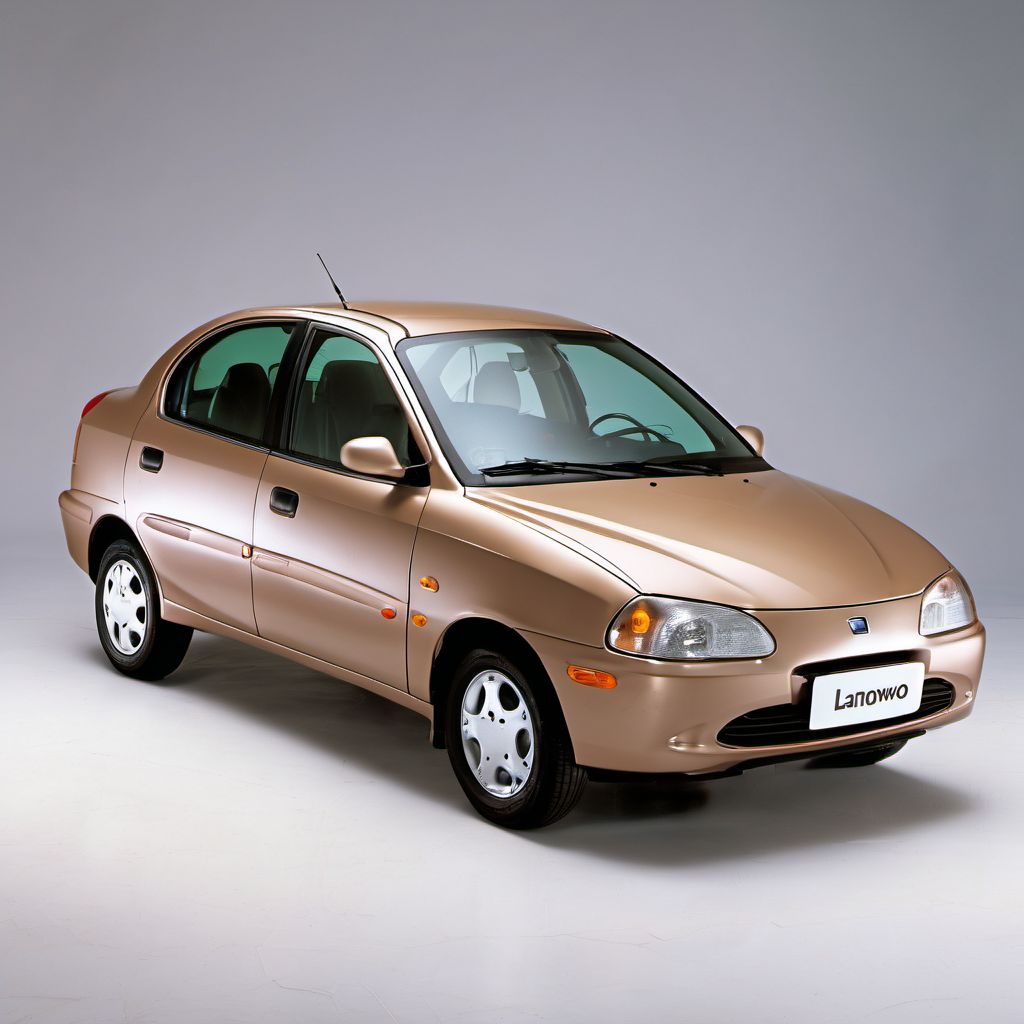
2000 Daewoo
Sedan
The 2000 Daewoo Lanos is a subcompact sedan that was sold in the US market during Daewoo's short-lived American push. Built on a platform developed with input from GM and Opel, it was positioned as an entry-level commuter — affordable to buy, lightweight, and reasonably fuel-efficient for its era. Daewoo Motors filed for bankruptcy in 2000 and exited the US market shortly after, which is the defining fact any potential buyer needs to know upfront. Parts availability is the Lanos's biggest practical problem in 2025. Daewoo's US dealer network vanished, and while some components cross-reference to GM or Opel parts, many body, trim, and electrical items are genuinely difficult to source. Owners have kept them running through online specialty suppliers and overseas imports, but repair timelines can stretch if you need an uncommon part. As a used vehicle, the Lanos is best viewed as a very low-cost short-term transportation option, not a long-term investment. Mechanically, the 1.5L SOHC four-cylinder is simple and not particularly problematic when maintained, but the combination of age, orphaned-brand status, and Wisconsin road salt exposure makes careful pre-purchase inspection absolutely essential.
The 2000 Daewoo Lanos is a subcompact sedan that was sold in the US market during Daewoo's short-lived American push. Built on a platform developed with input from GM and Opel, it was positioned as an entry-level commuter — affordable to buy, lightweight, and reasonably fuel-efficient for its era. Daewoo Motors filed for bankruptcy in 2000 and exited the US market shortly after, which is the defining fact any potential buyer needs to know upfront. Parts availability is the Lanos's biggest practical problem in 2025. Daewoo's US dealer network vanished, and while some components cross-reference to GM or Opel parts, many body, trim, and electrical items are genuinely difficult to source. Owners have kept them running through online specialty suppliers and overseas imports, but repair timelines can stretch if you need an uncommon part. As a used vehicle, the Lanos is best viewed as a very low-cost short-term transportation option, not a long-term investment. Mechanically, the 1.5L SOHC four-cylinder is simple and not particularly problematic when maintained, but the combination of age, orphaned-brand status, and Wisconsin road salt exposure makes careful pre-purchase inspection absolutely essential.
The 1.5L is an interference engine — a snapped belt means bent valves and a costly repair. At 24+ years old, any Lanos with unknown service history should have this done before driving it routinely.
Rubber hoses and the thermostat are age-vulnerable. Overheating on a high-mileage orphan vehicle can quickly become a fatal repair bill.
Brake lines on salt-belt vehicles of this age are prime candidates for pinhole rust. A failed brake line is a safety emergency. Inspect and replace any compromised sections proactively.
The SOHC engine has no complex oiling circuits, but frequent oil changes are cheap insurance on a vehicle where engine parts are hard to source.
Worn plugs and cracked ignition wires cause rough running and hard cold starts — especially noticeable in Wisconsin winters.
The original battery is long gone, but even replacement batteries lose significant cold-cranking capacity below 0°F. Test it before winter hits.
Aged rubber seals crack and allow water intrusion, accelerating interior rust and making doors freeze shut in Wisconsin winters.
The Lanos has thin sheet metal by modern standards. Treating early surface rust on the subframe, floor pans, and suspension mounting points can add years to the vehicle's service life.
Always defer to the manufacturer's service manual for warranty-mandated intervals.
The Lanos is cheap to insure and fuel, but the wildcard is parts and repair costs when something breaks. Labor rates at an independent shop are the same regardless of what's on the lift, and sourcing a hard-to-find Daewoo part may mean paying for shipping from specialty importers plus extra shop time. Budget conservatively and keep a repair fund. If annual repair costs exceed the vehicle's market value — which can happen quickly — it becomes a practical decision point about whether to continue investing.
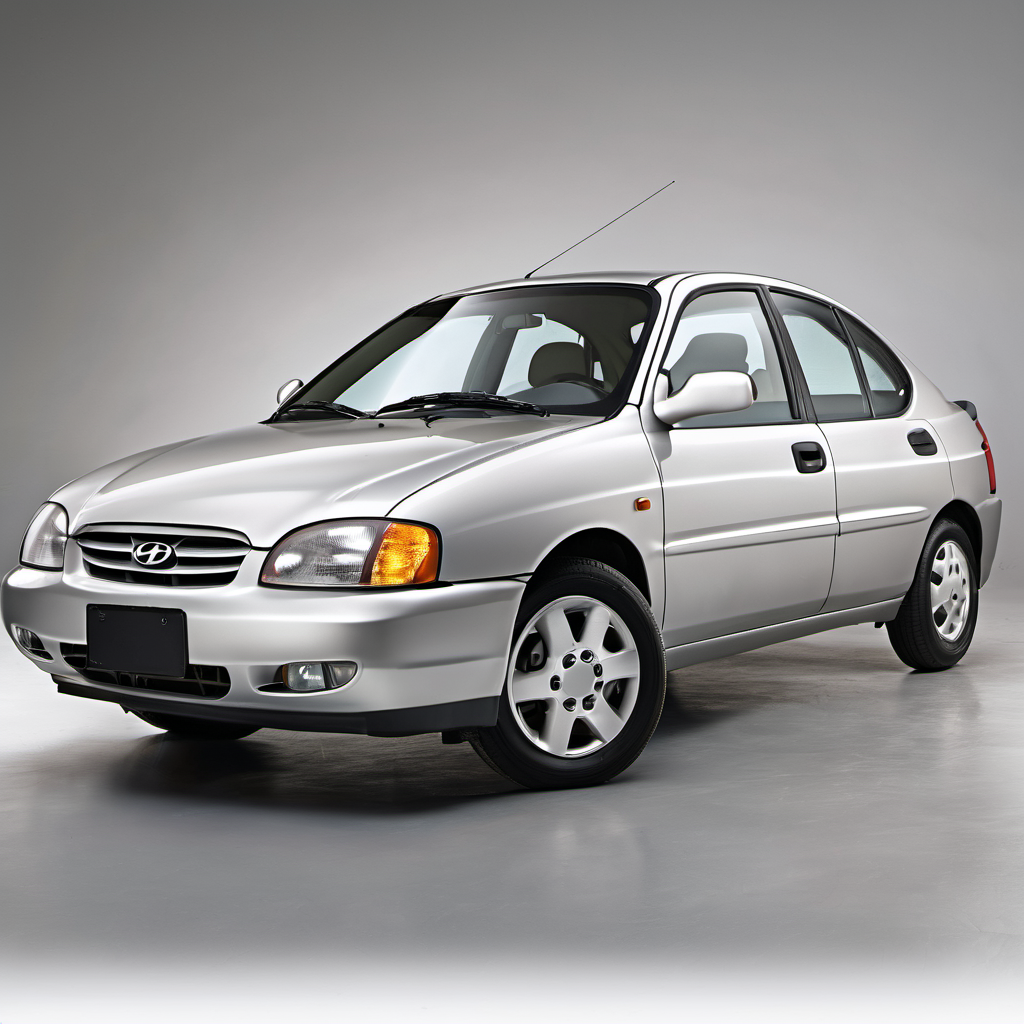
Same era, same price bracket, similar 1.5L-class subcompact mission — but Hyundai stayed in the US market, so parts and service support are vastly better
Direct subcompact competitor at the same price point with similar fuel economy; Kia's continued US presence makes long-term parts access far easier
No catalog match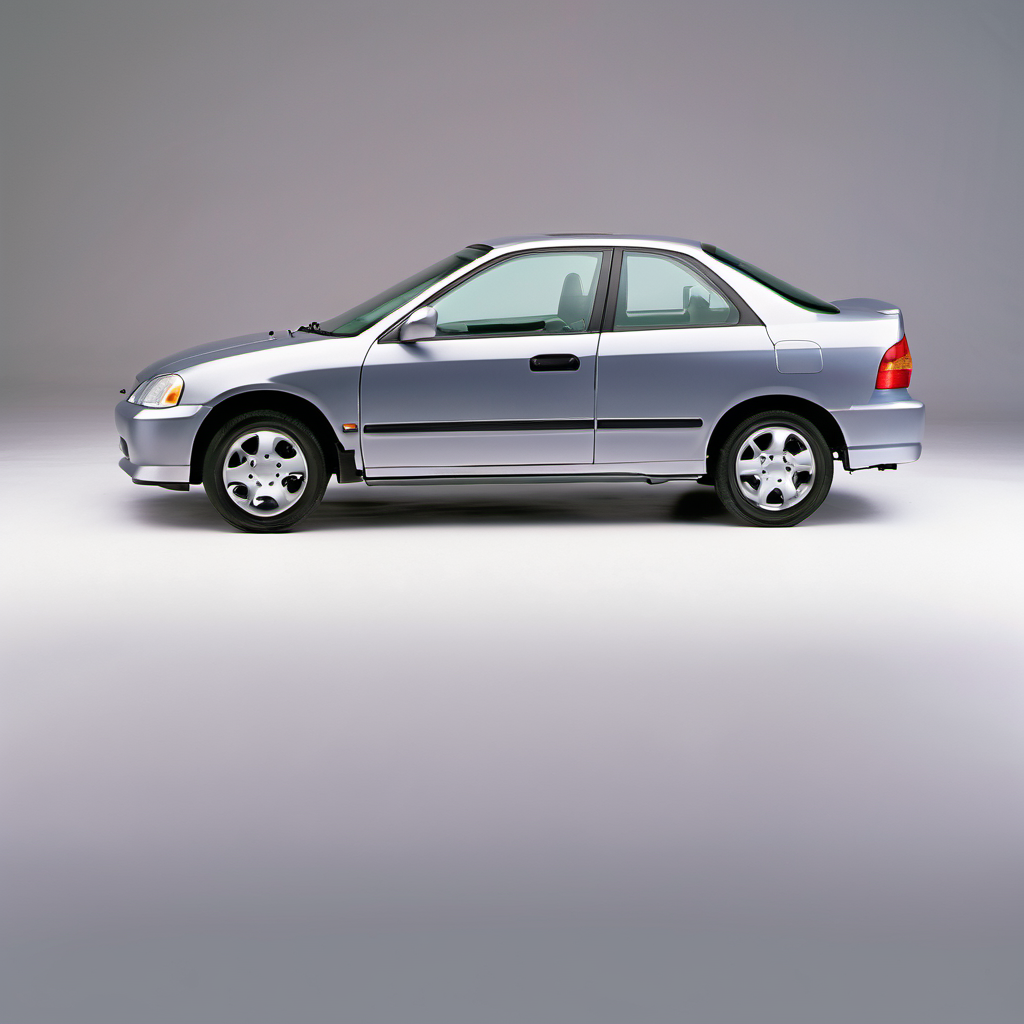
Slightly higher price but a well-documented reliability record, abundant parts, and a large independent-mechanic knowledge base — the benchmark of the segment
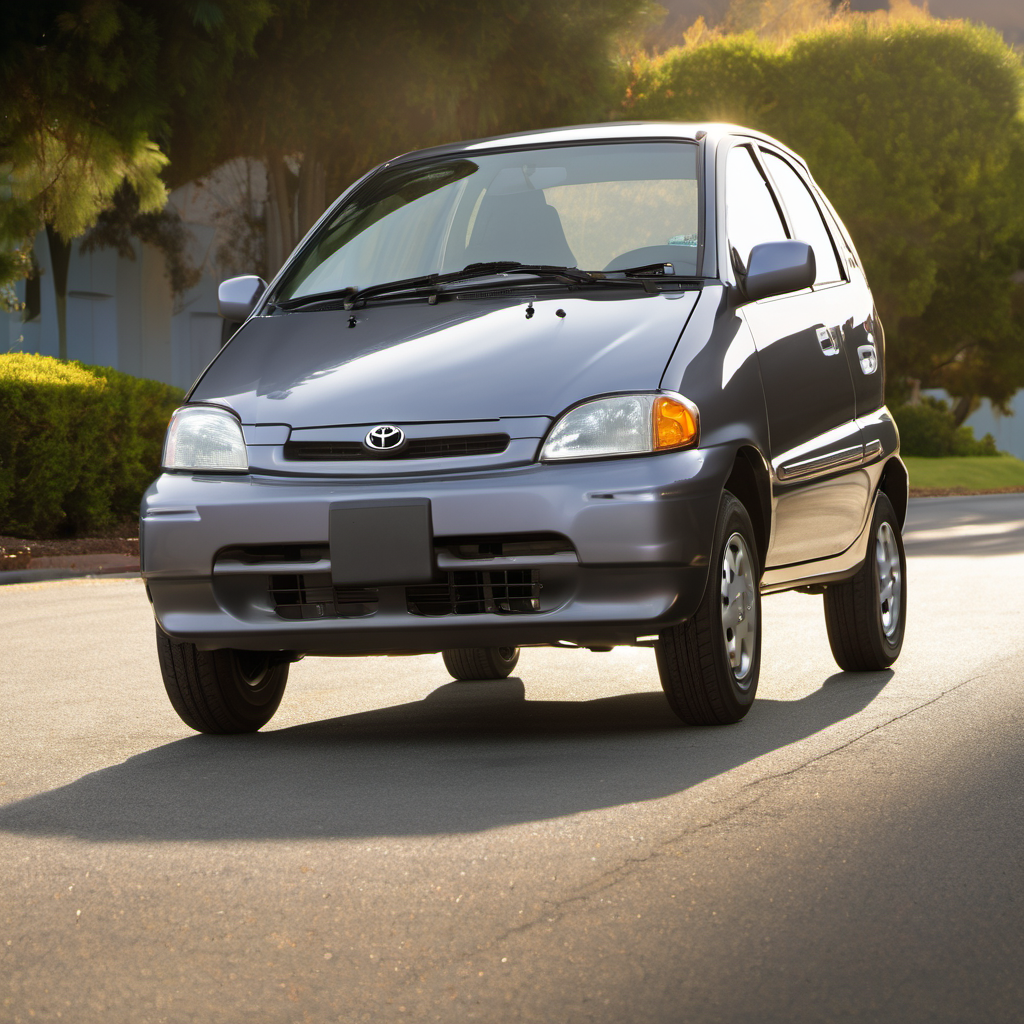
Similar lightweight subcompact with excellent fuel economy and Toyota's reliability reputation; parts are still readily available despite its age