Timing Belt Failure (Interference Engine)
high- Typically appears
- 60–105k mi (and every interval thereafter)
- Estimated repair
- $400 – $700
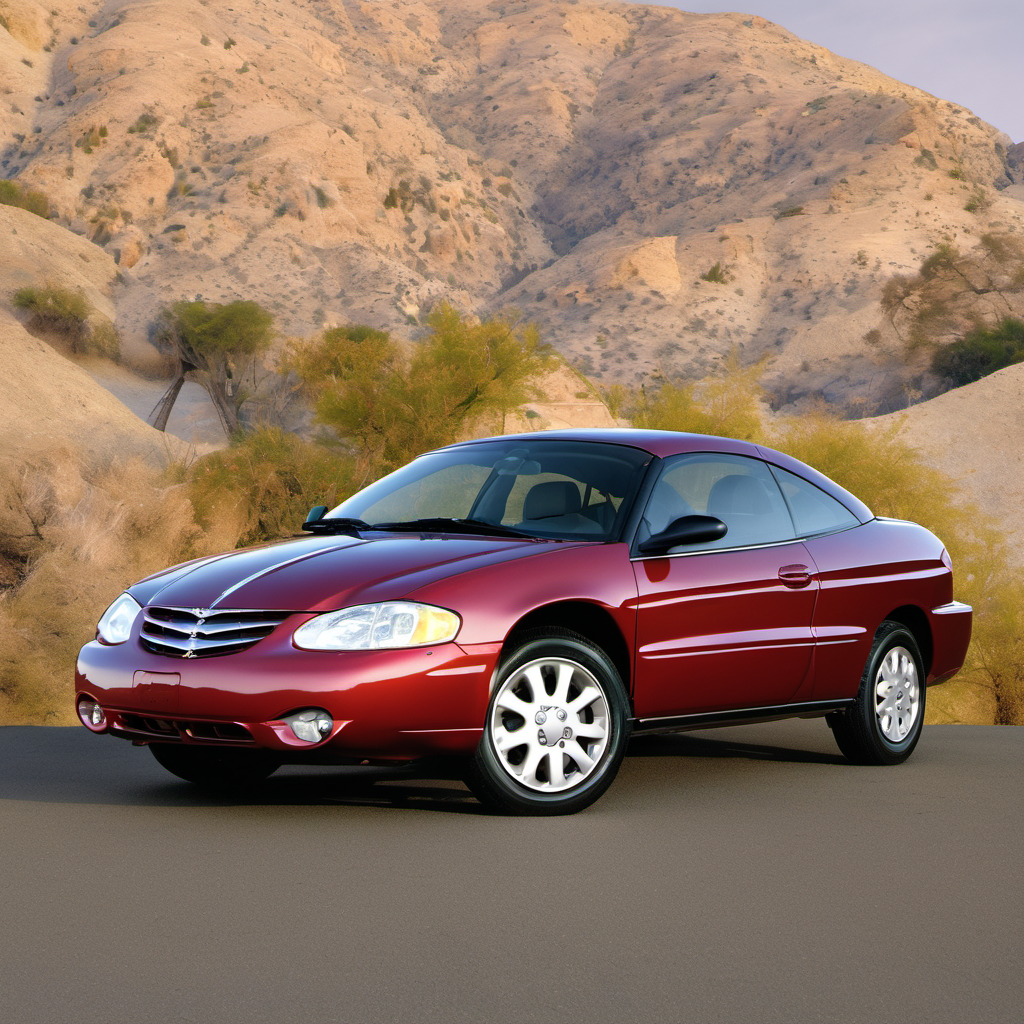
2000 Chrysler
Coupe
The 2000 Chrysler Sebring Coupe is a front-wheel-drive, two-door coupe that was co-developed with Mitsubishi and shares significant platform, engine, and transmission components with the Mitsubishi Eclipse and Galant of the same era. Under the hood sits a 2.5L SOHC V6 sourced from Mitsubishi, giving it more power than the four-cylinder sedan variants. It was marketed as an affordable American sport coupe, but in practice it's more of a comfortable cruiser than a driver's car. The Mitsubishi-heavy underpinnings are a double-edged sword: parts are generally available and some Mitsubishi-specific knowledge applies, but the car carries a mixed reliability reputation. Timing belt service is non-negotiable on this engine — it's an interference design, meaning a snapped belt means bent valves and a ruined engine. This is the single most important maintenance item to verify on any used example. By 2024 these cars are 24 years old, and survivorship is the main story. Rust, neglected timing belt intervals, and aging electrical connectors are the primary concerns. As a daily driver they're affordable to insure and get reasonable highway fuel economy, but parts availability and shop familiarity are increasingly limited. Best suited for a buyer who understands what they're getting into with an older vehicle.
The 2000 Chrysler Sebring Coupe is a front-wheel-drive, two-door coupe that was co-developed with Mitsubishi and shares significant platform, engine, and transmission components with the Mitsubishi Eclipse and Galant of the same era. Under the hood sits a 2.5L SOHC V6 sourced from Mitsubishi, giving it more power than the four-cylinder sedan variants. It was marketed as an affordable American sport coupe, but in practice it's more of a comfortable cruiser than a driver's car. The Mitsubishi-heavy underpinnings are a double-edged sword: parts are generally available and some Mitsubishi-specific knowledge applies, but the car carries a mixed reliability reputation. Timing belt service is non-negotiable on this engine — it's an interference design, meaning a snapped belt means bent valves and a ruined engine. This is the single most important maintenance item to verify on any used example. By 2024 these cars are 24 years old, and survivorship is the main story. Rust, neglected timing belt intervals, and aging electrical connectors are the primary concerns. As a daily driver they're affordable to insure and get reasonable highway fuel economy, but parts availability and shop familiarity are increasingly limited. Best suited for a buyer who understands what they're getting into with an older vehicle.
This is a non-negotiable item on the 2.5L V6. It is an interference engine — if the belt snaps, pistons contact valves and the engine is destroyed. Always replace the water pump at the same time since labor is largely shared. Verify documented history before purchasing used.
The 2.5L V6 is prone to coolant leaks from aging intake manifold gaskets and hoses. Fresh coolant maintains proper pH to protect the aluminum components. Inspect hoses and clamps at every change.
At this age, more frequent changes help flush contaminants and protect older seals. Do not exceed 5,000-mile intervals on a 24-year-old engine.
Worn plugs cause rough idle and misfires. On a V6 with rear-bank plugs partially buried, this is worth doing on schedule to avoid harder access later.
Brake fluid absorbs moisture over time, lowering boiling point. Wisconsin winters with heavy braking on icy grades make fresh fluid especially important.
Wisconsin road salt is highly corrosive. Inspect rocker panels, floor pans, subframe mounting points, and brake lines annually. Treat exposed metal early — rust repairs escalate quickly on a vehicle this age.
Cold-cranking amps drop significantly at sub-zero temperatures. A battery that seems fine in summer can fail to start the car at -10°F. Test every fall and replace proactively if more than 4–5 years old.
Rubber belts crack and harden with age, especially after Wisconsin winters. Inspect for cracking, fraying, and glazing — a broken serpentine belt kills the alternator and power steering simultaneously.
Always defer to the manufacturer's service manual for warranty-mandated intervals.
The Sebring Coupe is cheap to insure and cheap to fuel, but maintenance costs on a 24-year-old vehicle are unpredictable. A car with documented service history and no deferred maintenance could run $600–$800/year in routine upkeep. One with neglected timing belt, cooling, or rust issues can easily demand $2,000–$3,500 in catch-up work in the first year of ownership. Budget conservatively and price in any identified deferred maintenance before purchase.
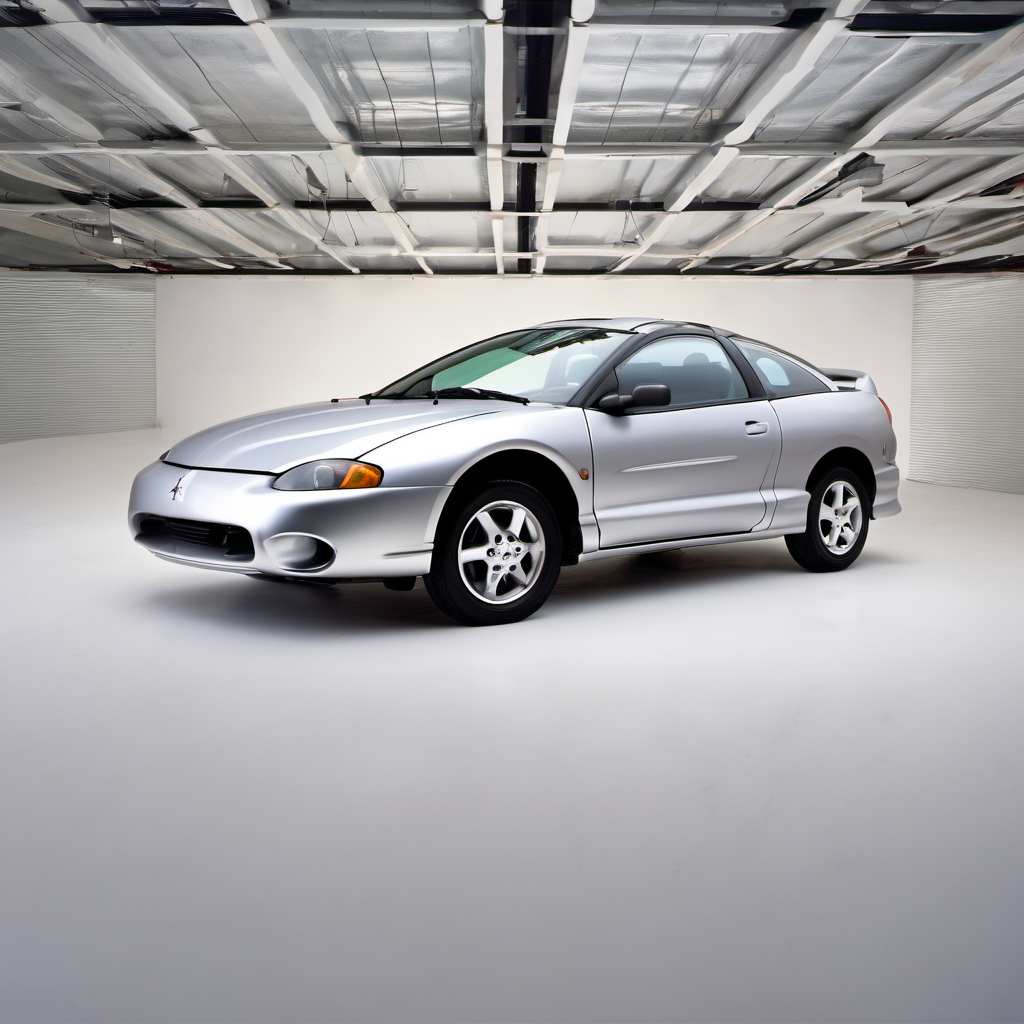
Shares the same basic platform and Mitsubishi V6 architecture. The Eclipse is the direct mechanical cousin — parts cross-reference and shop knowledge applies to both.
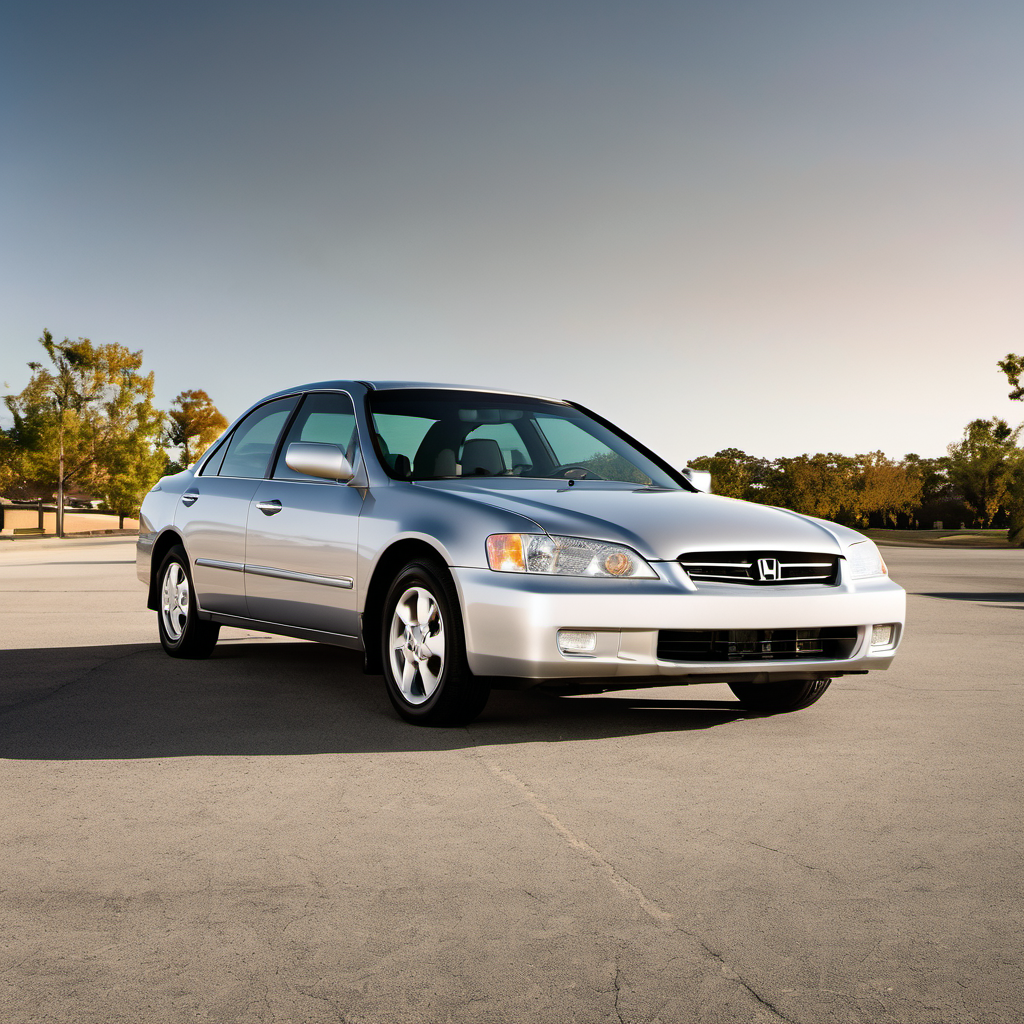
Same segment, similar price point when new. The Accord Coupe is significantly more reliable long-term and parts availability is far better — a strong alternative if reliability is the priority.
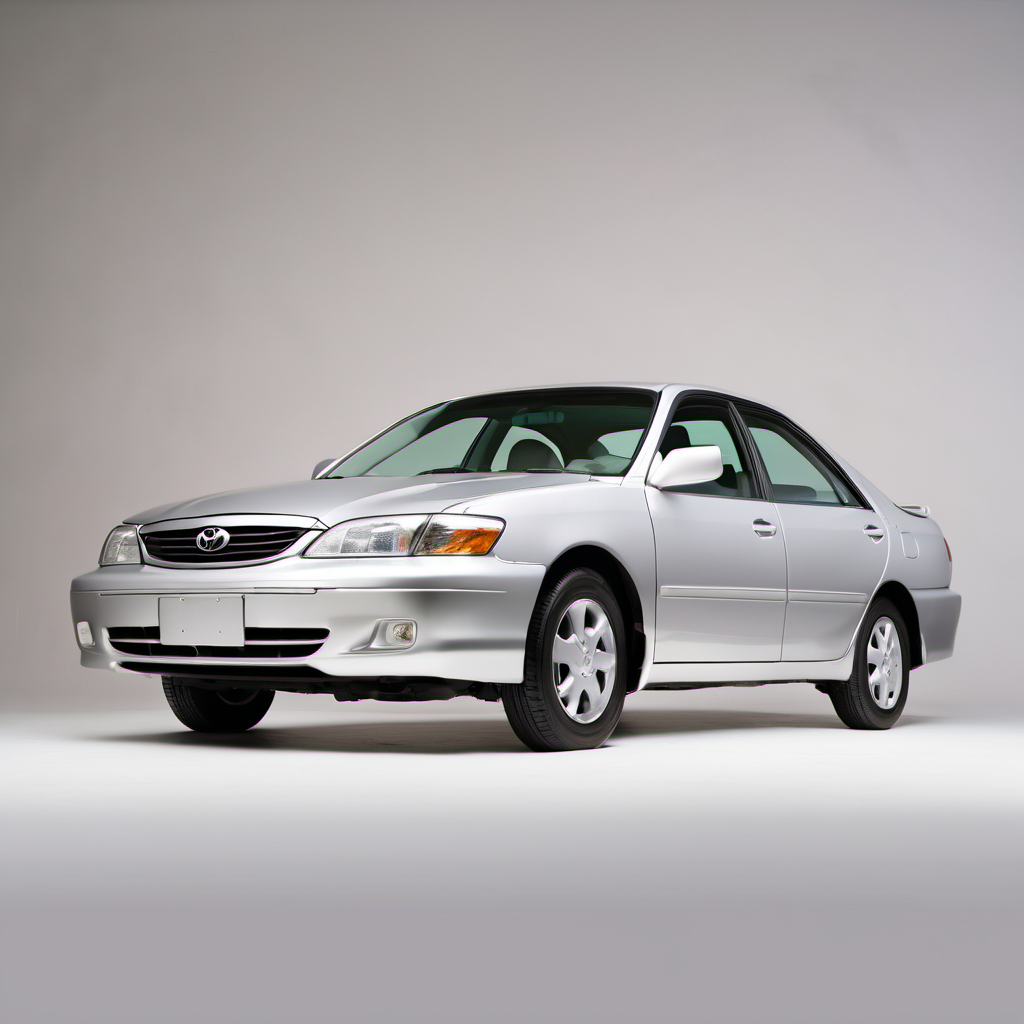
FWD coupe in the same class and price range. More reliable engine and better long-term durability, with Toyota's superior parts availability at this age.
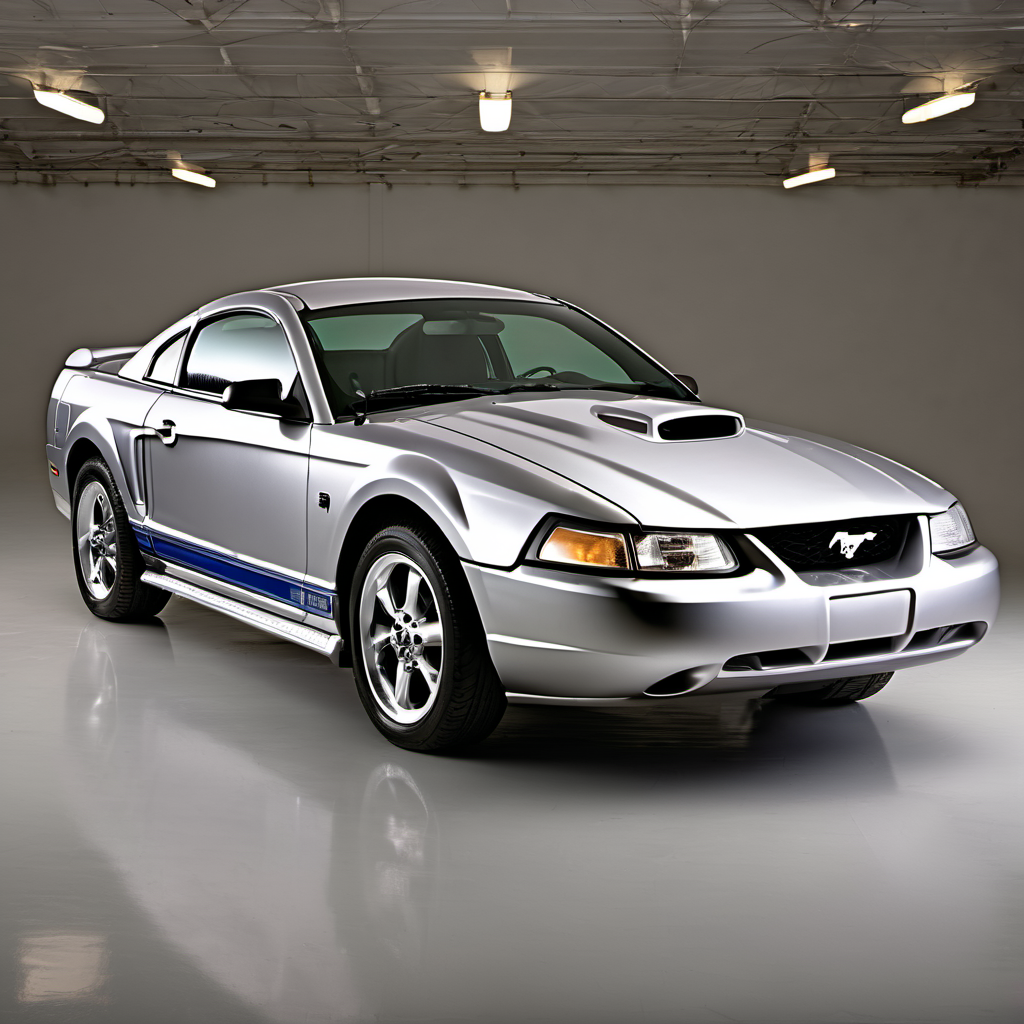
Comparable used market price for a base V6 coupe. RWD vs. FWD is a different experience, but buyers seeking an affordable American sport coupe in this era often cross-shopped these two.