Window Regulator Failure
high- Typically appears
- 60–150k mi
- Estimated repair
- $120 – $280
/1999_Volkswagen_Golf_(New)_83a74d7c_00001_.png)
1999 Volkswagen
2.0L I4 (8-valve) · Hatchback
The 1999 Volkswagen Golf Mk4 was the first model year of the fourth-generation Golf in North America — a significant step up in interior refinement, build quality, and safety over the Mk3 it replaced. It came with a range of four-cylinder engines (most commonly the 2.0L 8-valve gasoline unit) and was available in FWD only for the standard hatch. It earned a reputation as a practical, fun-to-drive compact that punched above its class in feel and fit-and-finish. At 25+ years old, any surviving 1999 Golf is well into high-mileage territory. The Mk4 generation is known for its solid structure and engaging driving character, but it came packaged with German complexity — window regulators, coolant systems, and electrical gremlins are the predictable pain points on cars this age. Parts availability is generally good through aftermarket suppliers. For a Lake Geneva owner, rust is the number-one concern. Wisconsin road salt is brutal on these unibody cars, and the Golf's rocker panels, floor pans, and rear wheel arches are prime rot zones. A thorough underbody inspection is non-negotiable before buying or budgeting ongoing ownership.
The 1999 Volkswagen Golf Mk4 was the first model year of the fourth-generation Golf in North America — a significant step up in interior refinement, build quality, and safety over the Mk3 it replaced. It came with a range of four-cylinder engines (most commonly the 2.0L 8-valve gasoline unit) and was available in FWD only for the standard hatch. It earned a reputation as a practical, fun-to-drive compact that punched above its class in feel and fit-and-finish. At 25+ years old, any surviving 1999 Golf is well into high-mileage territory. The Mk4 generation is known for its solid structure and engaging driving character, but it came packaged with German complexity — window regulators, coolant systems, and electrical gremlins are the predictable pain points on cars this age. Parts availability is generally good through aftermarket suppliers. For a Lake Geneva owner, rust is the number-one concern. Wisconsin road salt is brutal on these unibody cars, and the Golf's rocker panels, floor pans, and rear wheel arches are prime rot zones. A thorough underbody inspection is non-negotiable before buying or budgeting ongoing ownership.
At this age, shorter intervals help catch internal wear early and flush contaminants from aging seals. Use a VW-approved full synthetic.
Plastic coolant flanges and the water pump are the top failure points on the Mk4. Old coolant turns acidic and accelerates plastic/rubber degradation. Replace the thermostat housing and flanges proactively if not documented.
The 2.0L 8-valve is an interference engine. A snapped belt means bent valves and a very expensive repair. On a 25-year-old car, assume it's due unless you have paperwork.
Coil packs are a known weak point. Fouled plugs stress coils further. Replace plugs on schedule and inspect the coil pack for cracks or carbon tracking.
VW specifies this interval because brake fluid absorbs moisture over time, lowering boiling point. Critical for safe braking in Wisconsin hill and stop-and-go driving.
Wisconsin road salt attacks the Golf's rocker panels, subframe mounting points, and floor pans aggressively. Early treatment is far cheaper than structural repair.
Dirty air filters reduce performance and fuel economy. The cabin filter on Mk4s is often overlooked and can grow mold in humid Midwest conditions.
Cold-cranking demands in Wisconsin winters are severe. A battery that tests marginal in October will likely fail in January. Replace proactively if 4+ years old.
Always defer to the manufacturer's service manual for warranty-mandated intervals.
A well-maintained 1999 Golf can be an economical daily driver, but 'well-maintained' at this age carries real cost. Budget on the higher end of the maintenance range in years when cooling system, timing belt, or suspension work comes due. Rust repair can spike costs significantly on high-salt-exposure cars. Parts are reasonably priced through aftermarket suppliers, keeping independent shop labor bills from being catastrophic.
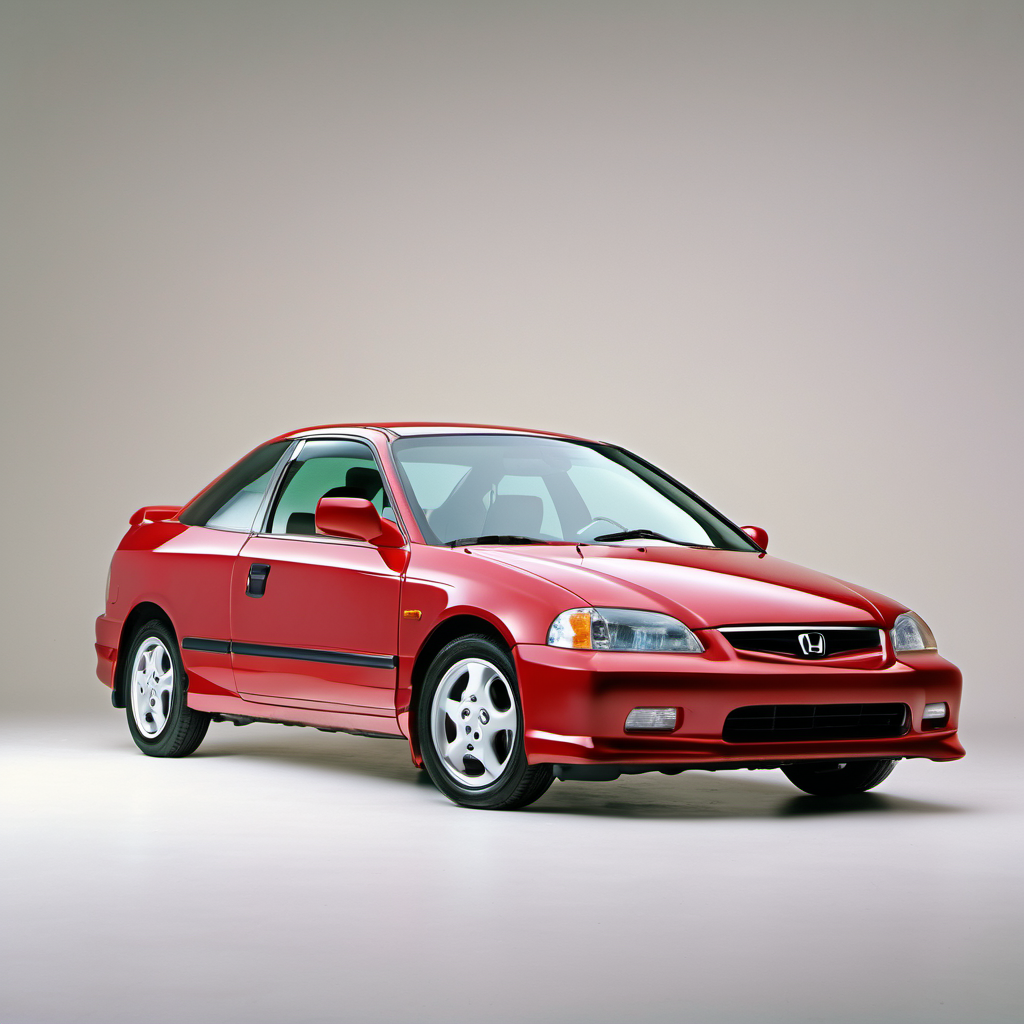
Same compact hatchback/sedan segment, similar price point, slightly better long-term reliability reputation, easier parts availability in the US.
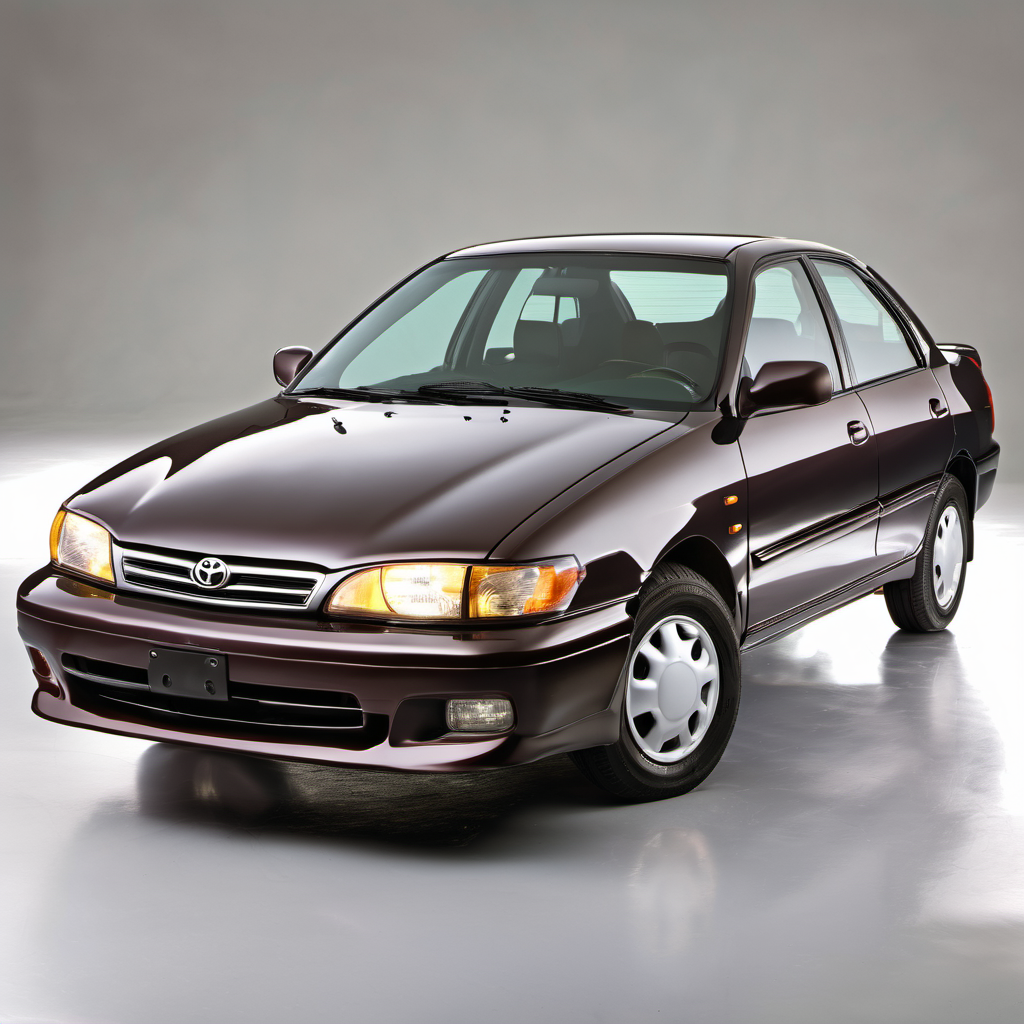
Comparable compact commuter with a stronger reliability track record and lower long-term maintenance costs, though less refined in feel.
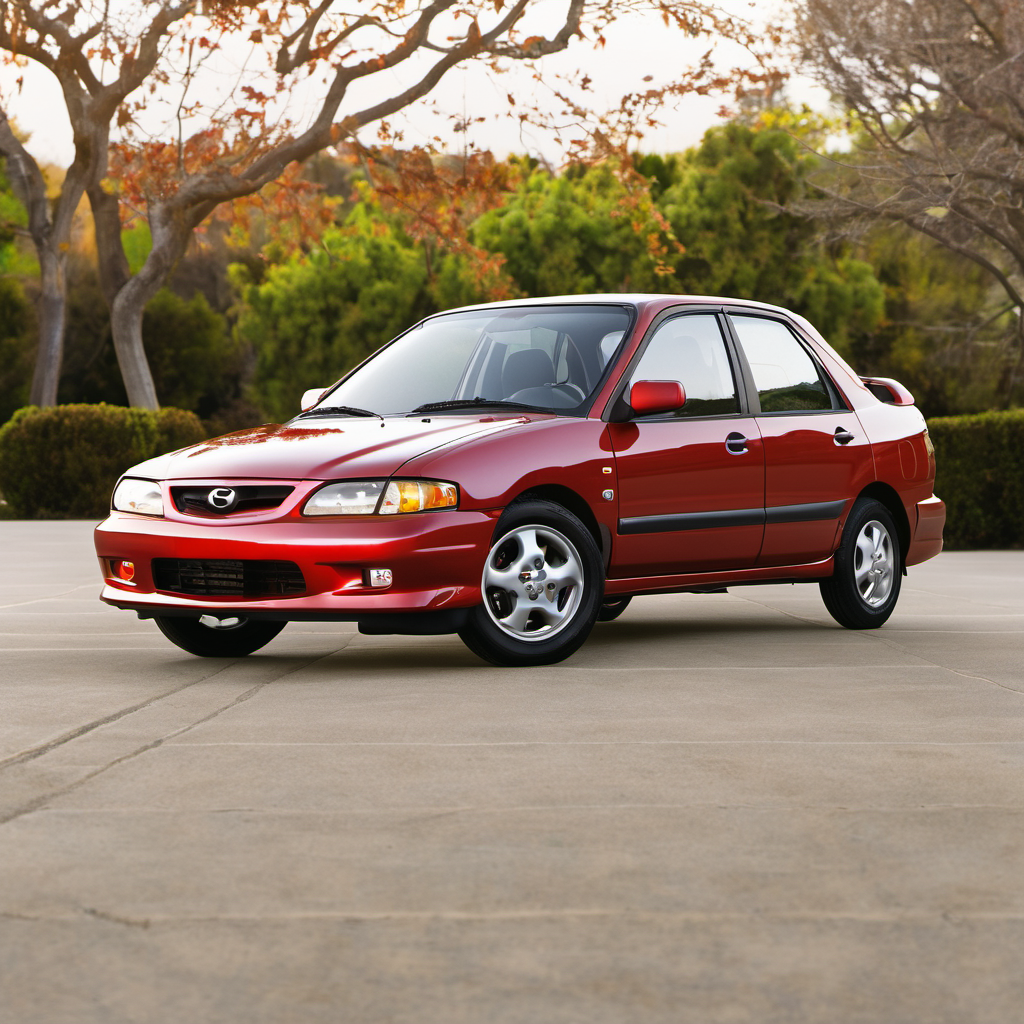
Similar size, front-wheel drive, and practical hatchback/sedan options at the same price tier with a good reliability record and lower parts costs.
Domestic compact alternative at a similar used-market price with rust-resistant polymer body panels — an actual advantage in Wisconsin — though less engaging to drive.
No catalog match