Timing Belt Failure (Interference Engine)
high- Typically appears
- 60–100k mi or any unknown-history car
- Estimated repair
- $400 – $750
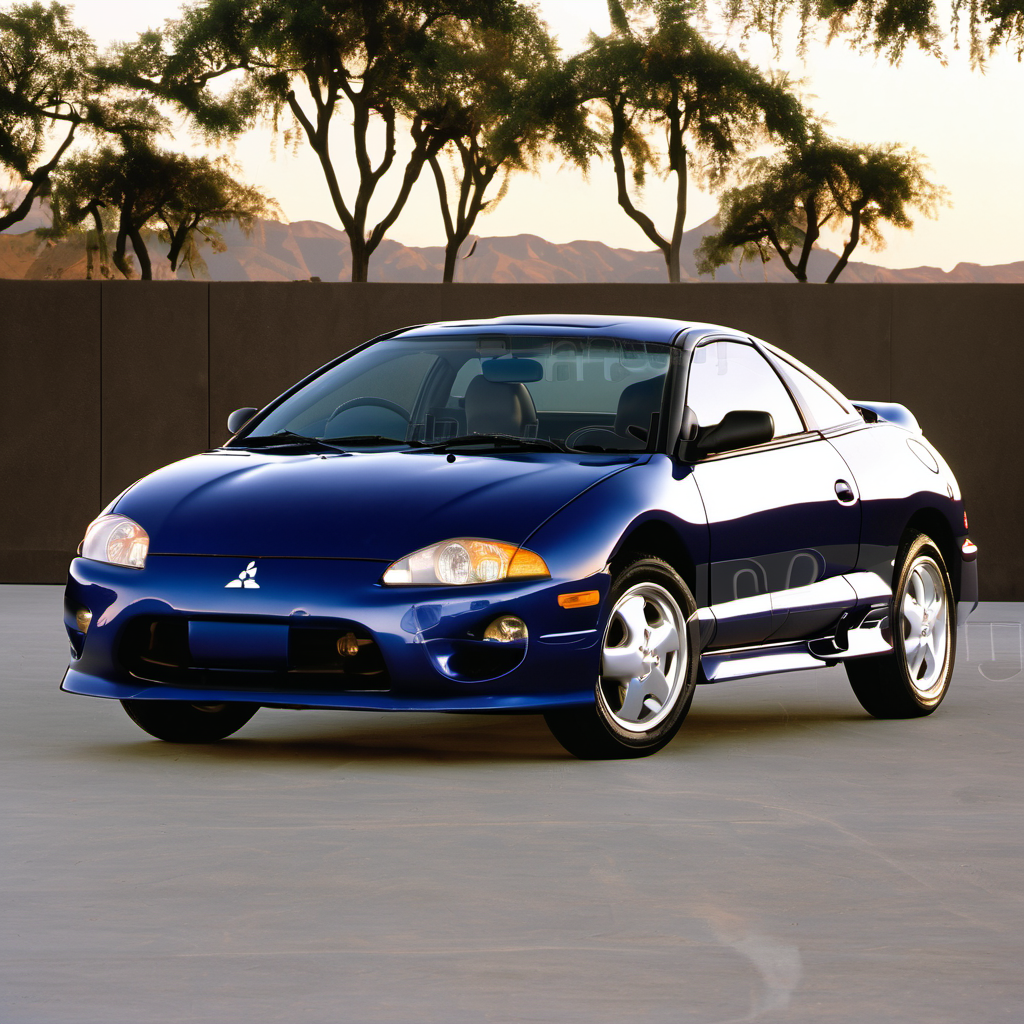
1999 Mitsubishi
Coupe
The 1999 Mitsubishi Eclipse is a front-wheel-drive sport coupe riding the tail end of the second generation (2G), a platform that earned a devoted following for its aggressive styling and available turbocharged engine. The GST trim packs the 2.0L DOHC turbocharged four-cylinder — the same basic 4G63T family — delivering a punchy, tuner-friendly powerplant that made this car a staple of late-1990s sport compact culture. By 1999, the 2G Eclipse was a mature platform with reasonably sorted suspension and a satisfying driving feel, but it was also aging. Twenty-five-plus years of road salt, previous-owner modification, and deferred maintenance make used examples a real mixed bag. The turbo motor rewards care and punishes neglect quickly — especially with oil changes and boost system upkeep. These cars are still popular with enthusiasts, which cuts both ways: well-maintained, stock examples exist, but so do heavily modified, abused, or half-finished project cars. Expect to do some homework before buying.
The 1999 Mitsubishi Eclipse is a front-wheel-drive sport coupe riding the tail end of the second generation (2G), a platform that earned a devoted following for its aggressive styling and available turbocharged engine. The GST trim packs the 2.0L DOHC turbocharged four-cylinder — the same basic 4G63T family — delivering a punchy, tuner-friendly powerplant that made this car a staple of late-1990s sport compact culture. By 1999, the 2G Eclipse was a mature platform with reasonably sorted suspension and a satisfying driving feel, but it was also aging. Twenty-five-plus years of road salt, previous-owner modification, and deferred maintenance make used examples a real mixed bag. The turbo motor rewards care and punishes neglect quickly — especially with oil changes and boost system upkeep. These cars are still popular with enthusiasts, which cuts both ways: well-maintained, stock examples exist, but so do heavily modified, abused, or half-finished project cars. Expect to do some homework before buying.
Non-negotiable on an interference engine. A skipped belt equals a junked motor. Always replace the water pump, tensioner, and idler at the same time.
The turbocharger depends on clean, fresh oil. Dirty oil carbonizes inside the turbo's center section and kills bearings. Shorten the interval if the car sees spirited driving.
Silicone and rubber couplers crack at 25 years old. A boost leak causes lean running and stresses the turbo and engine.
Old coolant loses corrosion inhibitors and can attack aluminum components in the head and cooling system. Critical on a turbocharged engine that runs hot.
Turbocharged engines are hard on plugs. Worn plugs under boost cause misfires that can damage the catalytic converter and hurt power.
Brake fluid absorbs moisture over time, lowering its boiling point. On a sporty car driven enthusiastically, this is a safety item.
Braided or rubber feed lines crack with age. A blocked or leaking oil line will destroy a turbo quickly. Check for weeping oil at both connections.
Cold Wisconsin winters demand a strong battery. A battery over 4 years old should be load-tested before November — turbocharged engines need reliable cranking to avoid cold-start oil starvation.
Always defer to the manufacturer's service manual for warranty-mandated intervals.
A well-maintained example has modest annual costs if you do your own work or use an independent shop. However, this is a 25-year-old turbocharged sport car — deferred maintenance items (timing belt, boost system, suspension) can stack up quickly and push costs to $3,000–$5,000+ in a catch-up year. Budget for surprises. Parts availability from aftermarket suppliers is generally good thanks to the enthusiast community.
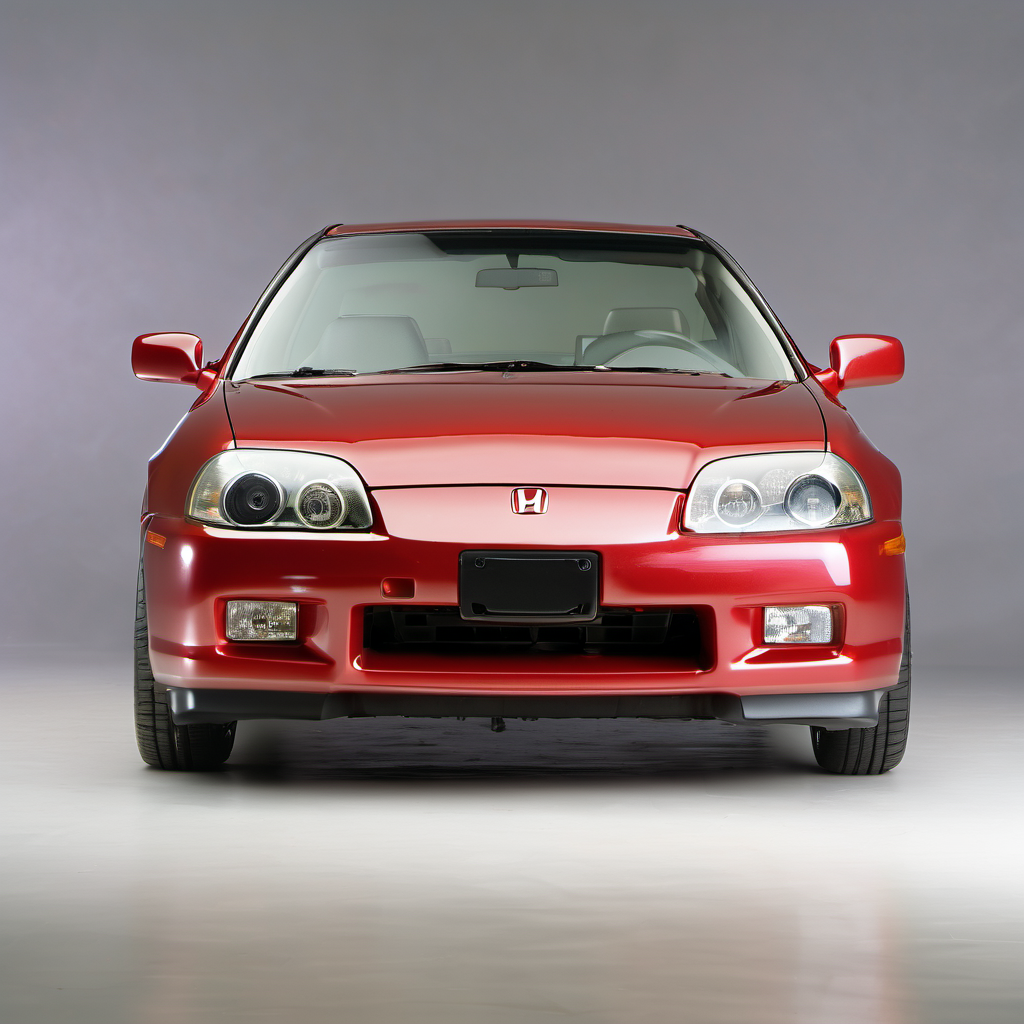
Same era front-wheel-drive sport coupe, similar price bracket, VTEC engine has strong reliability reputation — a cleaner ownership experience with less turbo complexity.
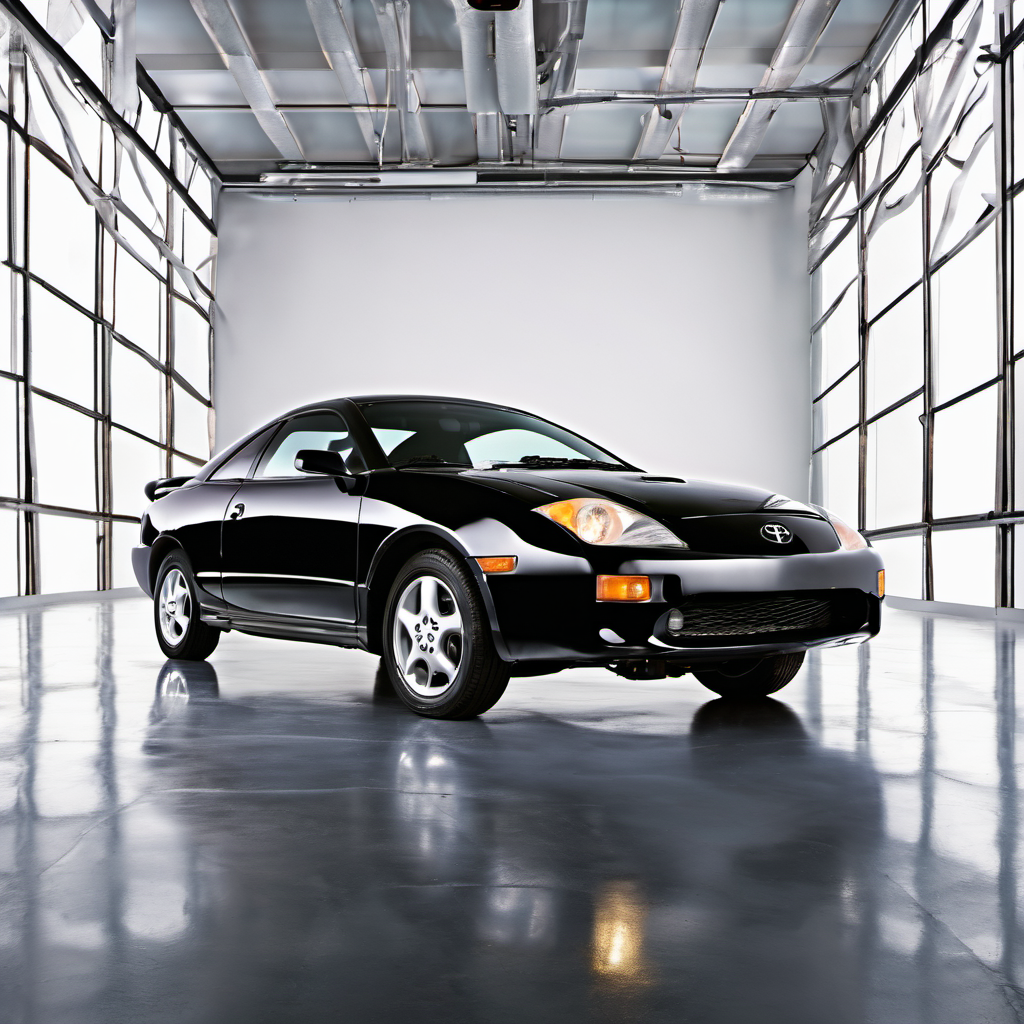
Direct 2-door sport coupe competitor, NA engine is more reliable and easier to maintain, though it gives up the raw turbo punch of the Eclipse GST.
Mechanically nearly identical — shares the DSM platform and 4G63T turbo engine. Parts interchangeability is high, but finding a clean example is even harder.
No catalog match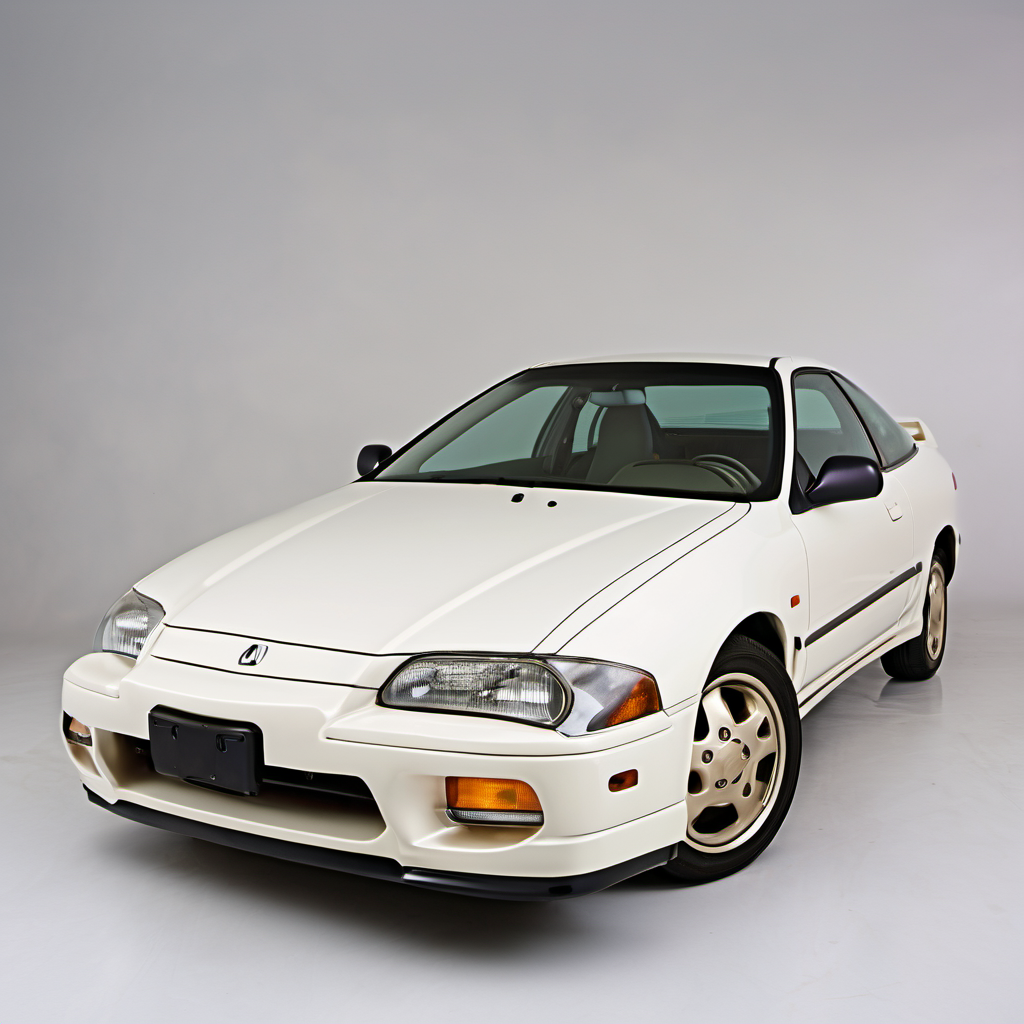
FWD sport coupe of the same era with superior long-term reliability, a strong enthusiast community, and better rust resistance — costs more to buy but typically less to own.