Rust — body, floor pan, and subframe
high- Typically appears
- All mileages on Upper Midwest cars
- Estimated repair
- $300 – $3,000
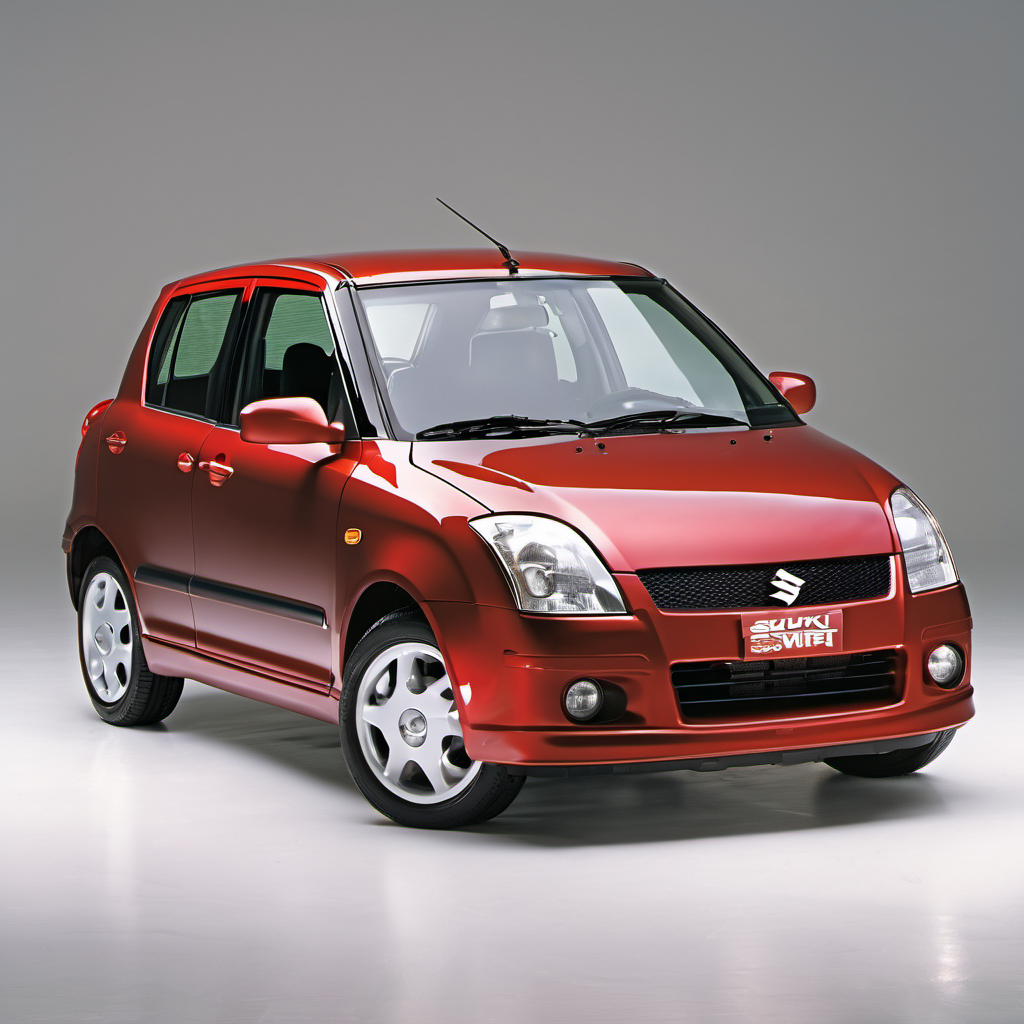
1999 Suzuki
1.0L I3 · Hatchback
The 1999 Suzuki Swift is a subcompact front-wheel-drive hatchback built on the platform Suzuki shared with General Motors during their long partnership — the same basic architecture underpinned the Geo/Chevrolet Metro. It was sold in the U.S. as a budget-friendly city car and was one of the last model years before Suzuki discontinued the Swift nameplate in North America. Powered by a small three-cylinder engine, it earns some of the highest fuel economy figures ever recorded for a gasoline car and weighs in under 2,000 lbs. At 25+ years old, every surviving '99 Swift is a high-mileage, thoroughly-used vehicle. Parts availability has dried up significantly; the overlap with Geo Metro/Chevrolet Metro components helps, but body panels and trim pieces can require a search. What these cars have going for them is radical simplicity — the engine is straightforward to work on, there's little electronics to fail, and a competent owner can handle most repairs at home. For Lake Geneva winters, the Swift's small battery, light weight (which means marginal road grip on ice), and minimal cabin heating capacity are real drawbacks. It's a fair-weather or mild-commute car, not a Wisconsin winter warrior.
The 1999 Suzuki Swift is a subcompact front-wheel-drive hatchback built on the platform Suzuki shared with General Motors during their long partnership — the same basic architecture underpinned the Geo/Chevrolet Metro. It was sold in the U.S. as a budget-friendly city car and was one of the last model years before Suzuki discontinued the Swift nameplate in North America. Powered by a small three-cylinder engine, it earns some of the highest fuel economy figures ever recorded for a gasoline car and weighs in under 2,000 lbs. At 25+ years old, every surviving '99 Swift is a high-mileage, thoroughly-used vehicle. Parts availability has dried up significantly; the overlap with Geo Metro/Chevrolet Metro components helps, but body panels and trim pieces can require a search. What these cars have going for them is radical simplicity — the engine is straightforward to work on, there's little electronics to fail, and a competent owner can handle most repairs at home. For Lake Geneva winters, the Swift's small battery, light weight (which means marginal road grip on ice), and minimal cabin heating capacity are real drawbacks. It's a fair-weather or mild-commute car, not a Wisconsin winter warrior.
Small displacement engines run at higher RPM and cycle oil faster. On a 25-year-old engine, more frequent changes help flush wear metals and keep seals from drying out.
Three-cylinder engines rely on all three plugs equally — a single misfiring plug is a 33% power loss. Use OEM-specified plugs only.
Aged coolant loses its corrosion inhibitors and will attack the aluminum components in this small engine. Critical in Wisconsin where freeze protection must be confirmed before winter.
Brake fluid absorbs moisture over time, lowering its boiling point. On a light car with small brakes, degraded fluid is a safety concern.
Road salt in Lake Geneva area accelerates rust on this era's thin sheet metal. Catching and treating surface rust early prevents structural failure.
Torn CV boots lead to grease loss and joint failure quickly. Catching a torn boot early is a $50–$80 fix; ignoring it leads to a $250+ axle replacement.
Narrow tires on this light car wear unevenly. Cold Wisconsin temps drop pressure significantly — under-inflated tires on a light car reduce already-marginal winter grip.
A small battery in a 25-year-old car loses cold-cranking capacity fast. The 1.0L engine needs every amp it can get at sub-zero temperatures.
Always defer to the manufacturer's service manual for warranty-mandated intervals.
Day-to-day costs are minimal — fuel and routine maintenance are cheap. The wildcard is age-related repairs: rust remediation, exhaust replacement, and parts sourcing can spike costs in any given year. Budget for one unexpected repair annually. The car's low value also means a single major mechanical failure (engine, transmission) may exceed the vehicle's worth.
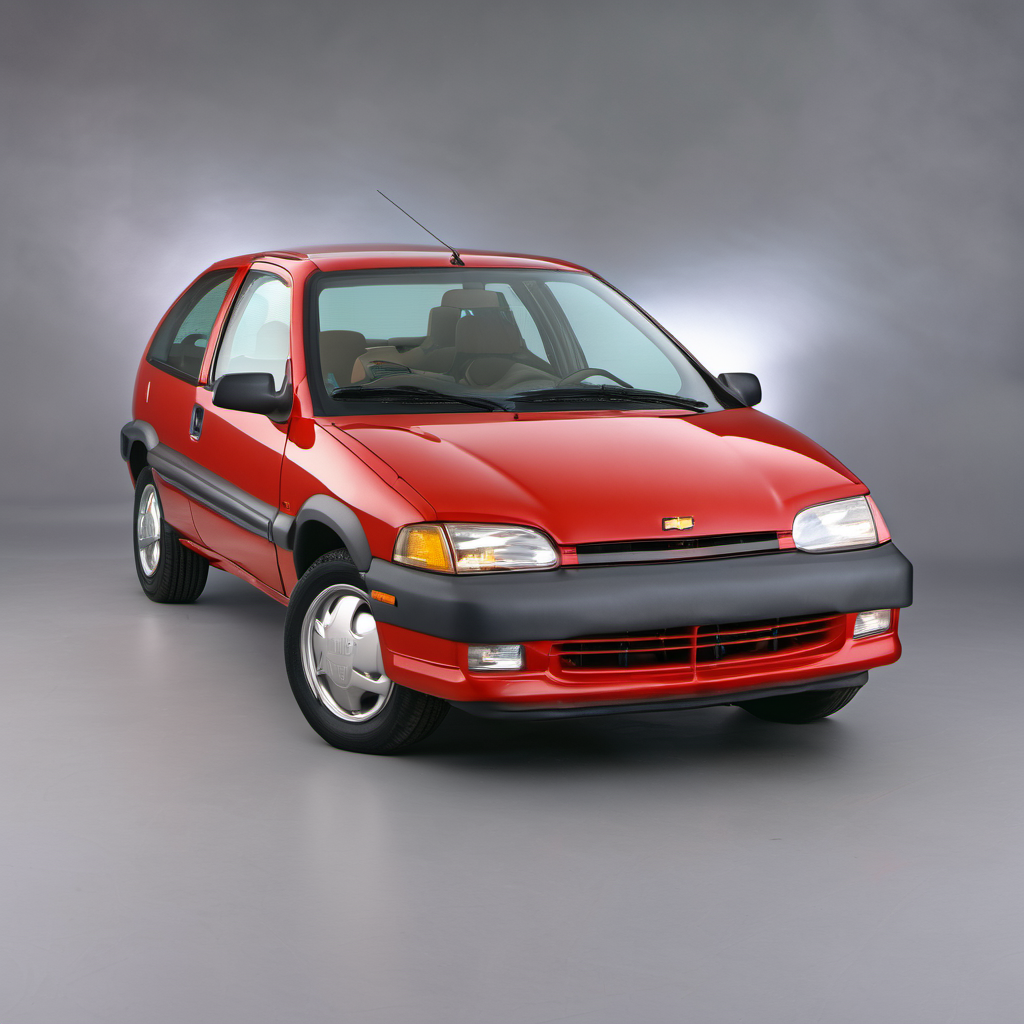
Essentially the same vehicle — shared platform, same 1.0L three-cylinder, similar weight and fuel economy. Metro parts are often easier to find in the U.S. and may be cheaper.
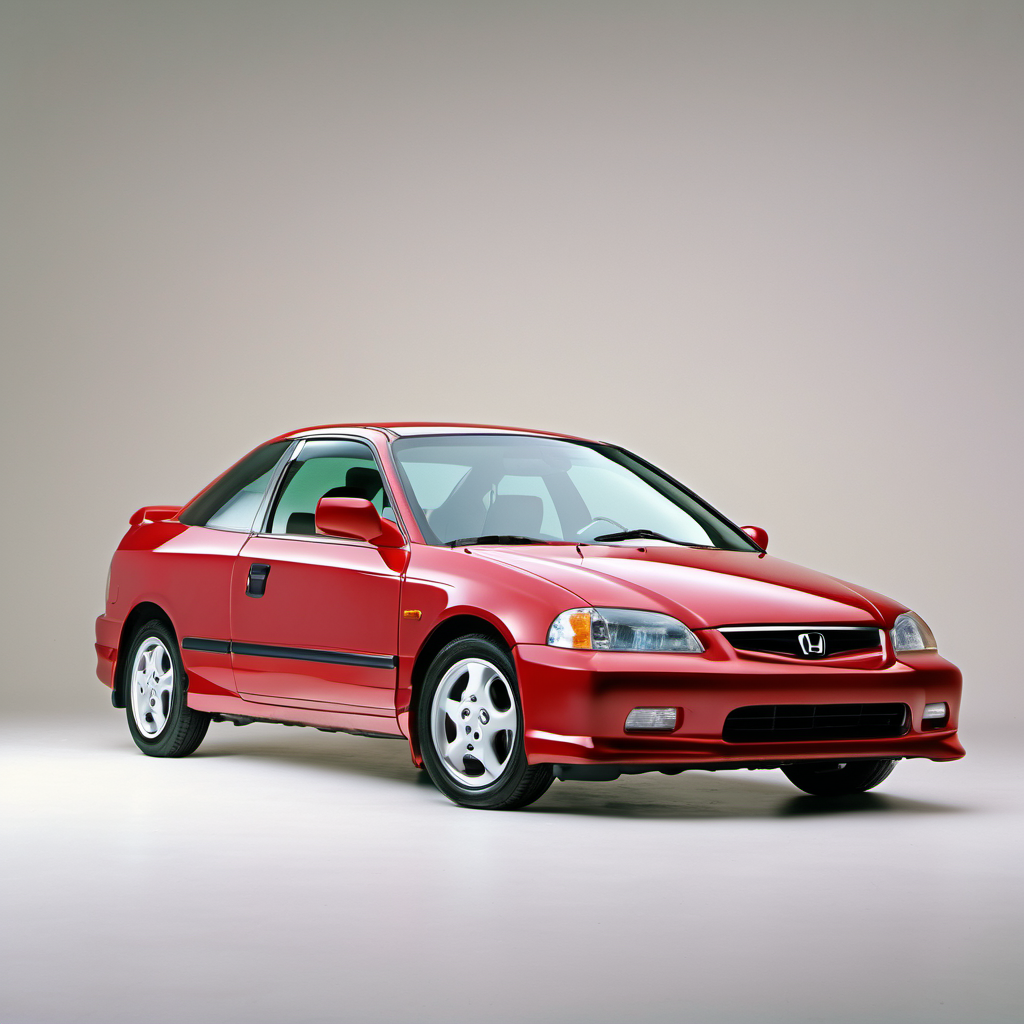
Same subcompact segment and era, significantly better parts availability and crash safety, strong long-term reliability reputation, and more refinement — but higher purchase price.
Direct competitor in the budget subcompact space; similar size and mission, with Toyota's stronger reputation for long-term durability and better parts availability than Suzuki.
No catalog match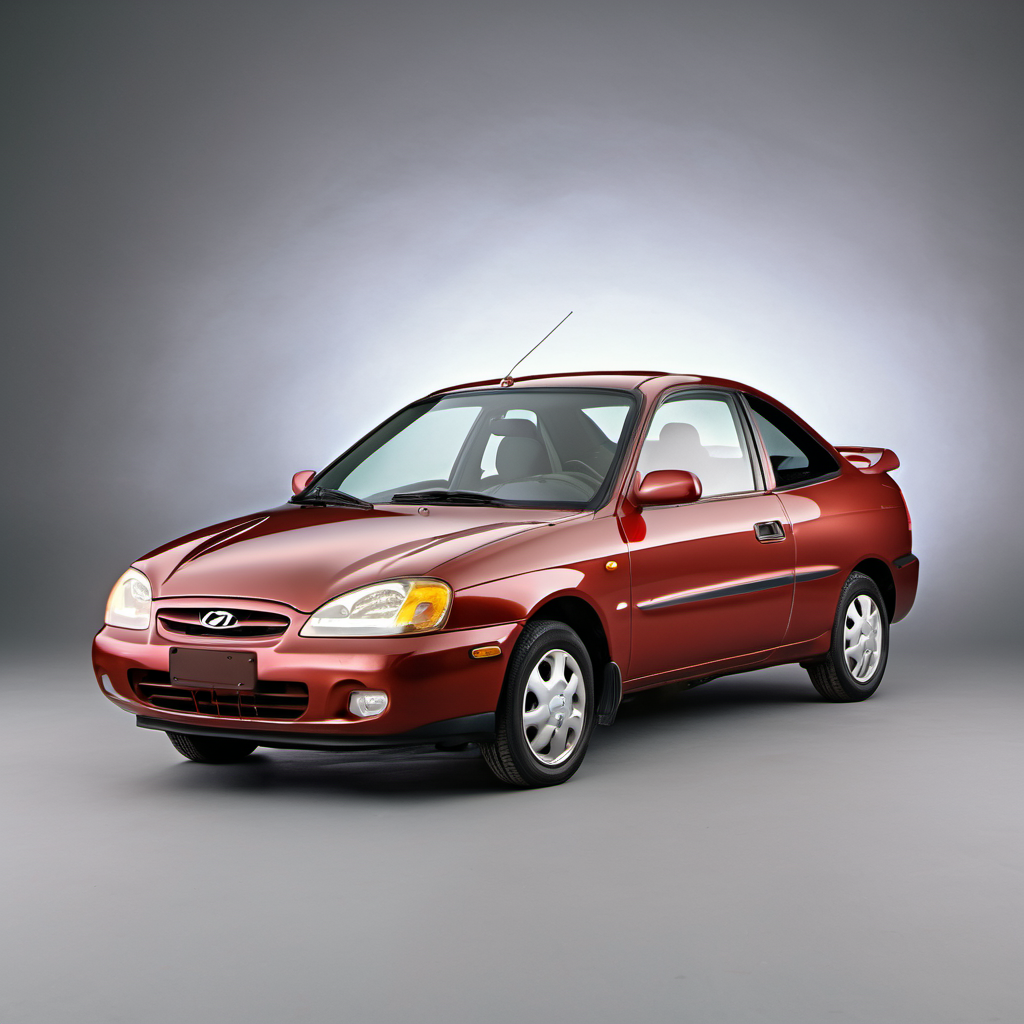
Budget subcompact of the same era; similar low-cost ownership profile, though the Accent has better parts availability and slightly more interior room.