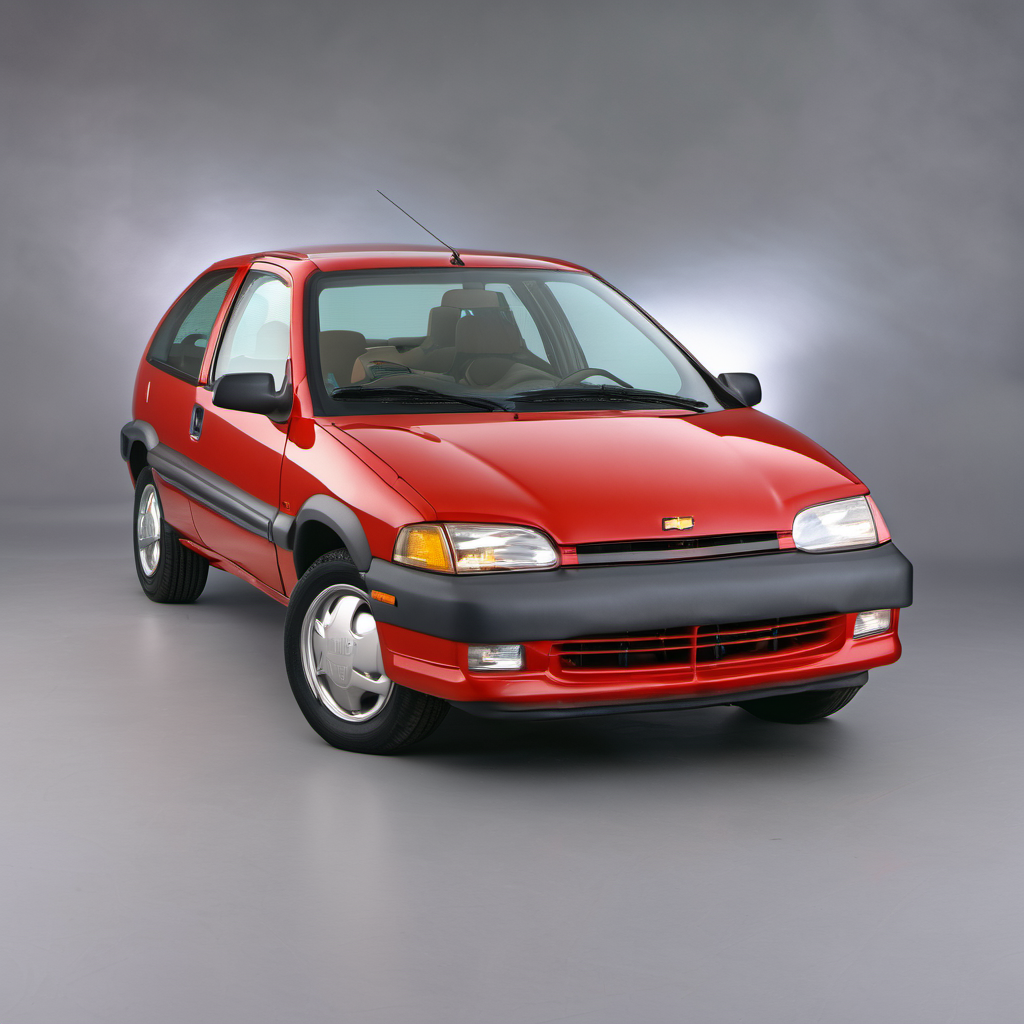
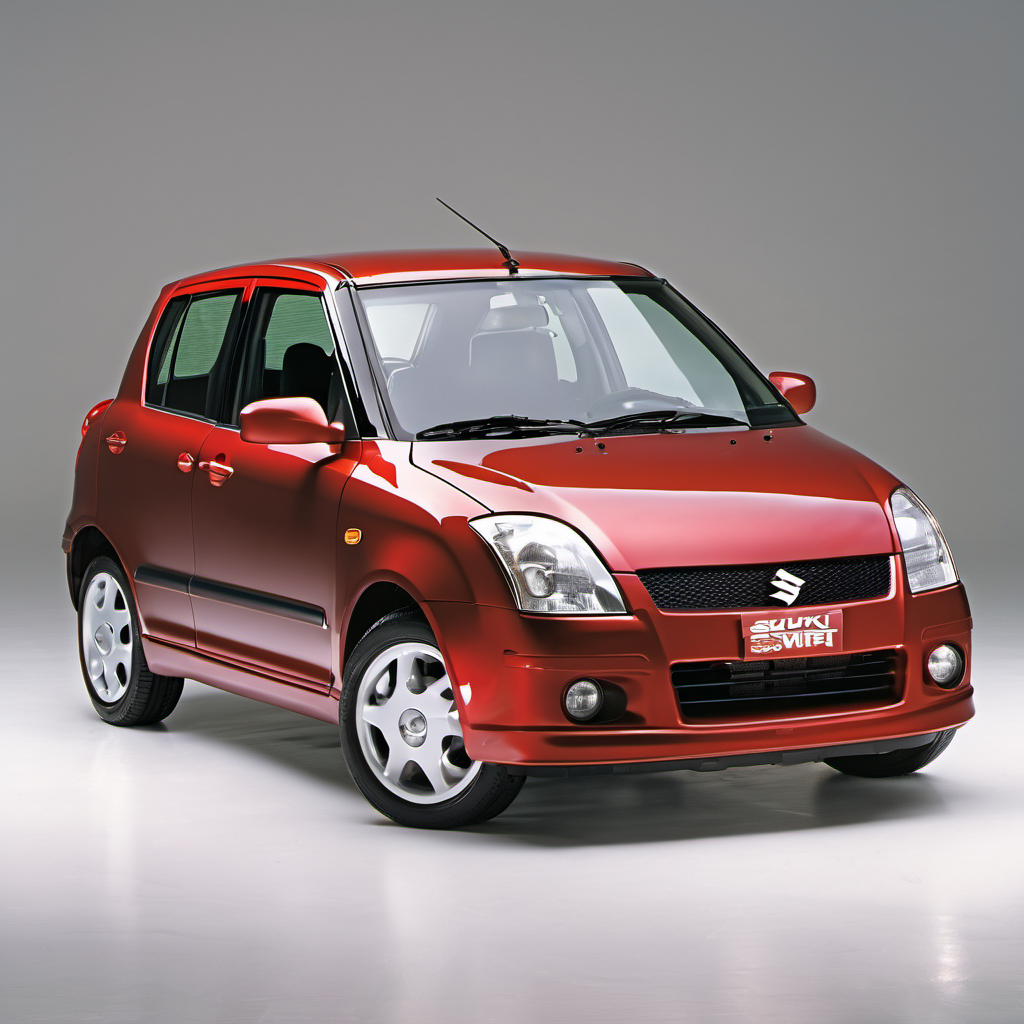
1999 Chevrolet Metro Coupe

1999 Chevrolet

MetroCoupe

Coupe

The 1999 Chevrolet Metro Coupe is a rebadged Suzuki Swift built under the GM-Suzuki partnership and sold in North America from 1989 through 2001. The three-door coupe body style houses one of the smallest engines offered in the American market — a 1.0L three-cylinder paired with a five-speed manual or three-speed automatic. At roughly 1,900 lbs, it was purpose-built for maximum fuel economy, not comfort or performance. The Metro earned a devoted following among commuters chasing low running costs. Owners regularly reported mid-40s highway MPG in real-world driving, a figure that rivals many hybrids even today. The flip side is a spartan interior, minimal safety equipment by modern standards, and a powertrain that feels genuinely strained on expressway on-ramps or in headwinds. By 1999 the Metro had been in production for a decade with minimal changes, which is both a blessing and a curse. Parts availability is thinning, rust is a serious concern on any Upper Midwest example, and crash protection is well below what buyers expect from newer vehicles. It remains an economical city commuter for someone who goes in with open eyes.

Reliability
3/5
Verified data
Specs shown for Metro — the most common configuration. Other trims may vary in engine, drivetrain, or fuel economy. Sign in to see your vehicle's exact specs.
Engine
[object Object]
Drivetrain
FWD
Fuel
Gasoline
MPG
34 city / 42 hwy / 37 combined
Seats
Doors
Body
Subcompact Cars

Overview

AI-curated

The 1999 Chevrolet Metro Coupe is a rebadged Suzuki Swift built under the GM-Suzuki partnership and sold in North America from 1989 through 2001. The three-door coupe body style houses one of the smallest engines offered in the American market — a 1.0L three-cylinder paired with a five-speed manual or three-speed automatic. At roughly 1,900 lbs, it was purpose-built for maximum fuel economy, not comfort or performance. The Metro earned a devoted following among commuters chasing low running costs. Owners regularly reported mid-40s highway MPG in real-world driving, a figure that rivals many hybrids even today. The flip side is a spartan interior, minimal safety equipment by modern standards, and a powertrain that feels genuinely strained on expressway on-ramps or in headwinds. By 1999 the Metro had been in production for a decade with minimal changes, which is both a blessing and a curse. Parts availability is thinning, rust is a serious concern on any Upper Midwest example, and crash protection is well below what buyers expect from newer vehicles. It remains an economical city commuter for someone who goes in with open eyes.

Known for
  • Exceptional fuel economy for a gasoline vehicle
  • Very low purchase and operating costs
  • Lightweight, simple drivetrain with few electronics
  • Suzuki-sourced mechanicals with a solid long-term reliability record when maintained
Best for
  • Budget-conscious urban and suburban commuters
  • Drivers with short, low-speed daily routes
  • DIY mechanics who want simple, accessible engine bays
  • Owners who prioritize fuel cost over comfort or safety features
Watch for
  • Severe rust on rocker panels, floor pans, and subframes — especially on Wisconsin cars
  • Minimal crash protection; does not meet modern safety standards
  • Three-cylinder engine struggles at highway speeds and with A/C running
  • Aging plastic and rubber components that are increasingly hard to source
  • Thin sound insulation makes road and wind noise noticeable

Common issues by mileage

6 known

Rust — rocker panels, floor pans, and rear subframe

high
Typically appears
Any mileage on Upper Midwest cars
Estimated repair
$300 – $2,500

Timing belt failure

high
Typically appears
60–100k mi or every 5 years regardless of mileage
Estimated repair
$150 – $350

Coolant leaks — thermostat housing and radiator hoses

medium
Typically appears
80–150k mi
Estimated repair
$80 – $300

CV axle boot cracking and joint wear

medium
Typically appears
70–120k mi
Estimated repair
$120 – $350

Worn engine and transmission mounts

medium
Typically appears
100k+ mi
Estimated repair
$100 – $280

Maintenance schedule

  1. 1
    Every 60k miles or 5 years, whichever comes first Timing belt replacement

    The G10 engine is interference-design — a broken belt will bend valves. On a 25-year-old car, replace by age even if mileage is low.

  2. 2
    Every 3,000–5,000 miles (conventional oil) or 5,000–7,500 miles (full synthetic) Engine oil and filter change

    Small three-cylinder engines run at high RPM relative to larger engines and benefit from fresh oil. Don't stretch intervals.

  3. 3
    Every 2 years Coolant flush and hose inspection

    Original rubber hoses are 25+ years old. Inspect for swelling, cracking, and softness at each oil change; replace proactively before they fail roadside.

  4. 4
    Every 30k miles Spark plug replacement

    Three cylinders means only three plugs — a cheap service that keeps the small engine running smoothly and at peak fuel economy.

  5. 5
    Every 2 years Brake fluid flush

    Glycol-based brake fluid absorbs moisture over time, lowering boiling point. Critical for safe winter braking on Wisconsin roads.

  6. 6
    Every fall before winter Undercarriage rust inspection and treatment

    Road salt is the Metro's biggest enemy in Wisconsin. Inspect rockers, floor pan, and subframe mounts annually; treat bare metal before it progresses.

  7. 7
    Every 15k–20k miles Air filter replacement

    A restricted air filter noticeably hurts performance and economy on the tiny 1.0L engine.

  8. 8
    Every oil change CV boot inspection

    Torn boots let grease escape and allow grit in — catching a split boot early is a $50 fix; ignoring it leads to a full axle replacement.

Always defer to the manufacturer's service manual for warranty-mandated intervals.

Cost of ownership

Annual maintenance
$400 – $900
Fuel
At 37 MPG combined and ~12,000 miles/year, expect roughly $1,100–$1,400/year at current Wisconsin gas prices. One of the lowest fuel bills of any gasoline vehicle.
Insurance
Typically very low — expect $600–$1,000/year for full coverage given the low vehicle value, though minimum liability can be under $400/year.

The Metro is one of the cheapest vehicles to operate on the road. Fuel costs are minimal, parts (when available) are inexpensive, and labor time is short given the simple engine. The main financial risk on a 25-year-old example is deferred rust repair — a structural rust issue can cost more than the car is worth. Budget for a thorough pre-purchase inspection and annual undercarriage treatment to protect your investment.
Seasonal care

Lake Geneva, WI
Winter
  • Test the battery every fall — cold cranking amps degrade with age, and the 1.0L relies entirely on a strong battery to fire in sub-zero temps; replace any battery older than 4 years preemptively.
  • Switch to a full synthetic 5W-30 or 0W-30 oil before winter to ensure immediate cold-start lubrication below 0°F.
  • Flush and fill with fresh 50/50 coolant rated to at least -34°F; aging coolant loses freeze protection.
  • Use a winter-rated washer fluid rated to -20°F or lower — the Metro's windshield is nearly vertical and fogs easily.
  • Inspect and replace wiper blades with winter-style blades; the small wiper motor can struggle with iced-up standard blades.
  • Coat the undercarriage with a rust inhibitor before first snowfall and rinse the underside on warm days after heavy road salt application — this car's thin steel rusts quickly.
Summer
  • Check tire pressure monthly — small tires on a lightweight car lose pressure quickly in heat and significantly affect fuel economy and handling.
  • Inspect the cooling system thoroughly before summer; the 1.0L runs warm under load and a weak radiator cap, low coolant, or aging thermostat can cause overheating on hot days with A/C engaged.
  • Be aware that running the A/C noticeably reduces power and can drop real-world MPG by 4–6 MPG — plan accordingly on highway trips.
  • Check the cabin air intake area for leaves and debris that accumulate and can restrict airflow to the heater/vent system.

Comparable vehicles

If you're shopping for one

Red flags
  • Any rust through the floor pan or structural rockers — repair cost will exceed the car's market value
  • Unknown timing belt history with high mileage — interference engine makes this a safety-critical unknown
  • Asking price over $3,000–$4,000 for a standard example; low values mean overpriced sellers are often hiding problems
  • Smoke at startup or oil consumption — the small engine has little tolerance for worn rings or valve seals
  • Missing or heavily patched undercoating that may be concealing rust
What to inspect
  • Probe every inch of the rocker panels, floor pan, and rear subframe with a screwdriver — rust perforation here is a dealbreaker on a unibody this light
  • Check the timing belt service history; if unknown, budget for immediate replacement before driving it
  • Start cold and listen for valve noise or rough idle from the 1.0L — three cylinders running rough is very noticeable
  • Test all four corners for CV axle clicking under hard turning
  • Inspect all coolant hoses and the radiator for softness, swelling, or seepage — these are original-age rubber on most survivors
  • Verify the A/C (if equipped) functions — recharging the aging R-134a system can be disproportionately expensive relative to the car's value
AI profile generated 11 days ago · claude-sonnet-4-6 · v2.