Timing belt failure
high- Typically appears
- 60–100k mi (or every 7–10 years regardless of mileage)
- Estimated repair
- $250 – $450
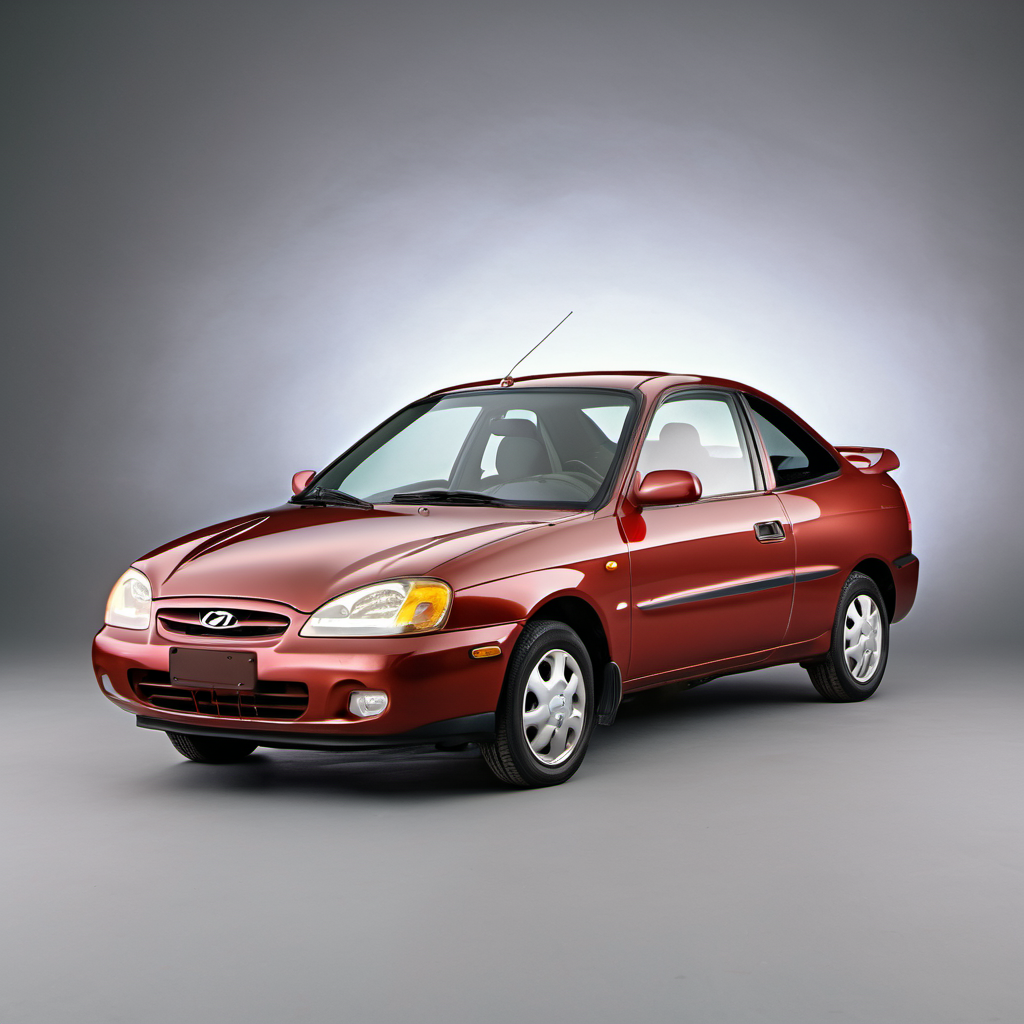
1999 Hyundai
Hatchback
The 1999 Hyundai Accent is a first-generation subcompact hatchback built when Hyundai was still earning its reliability reputation in North America. Powered by a 1.5L four-cylinder and priced well below the competition at launch, it sold primarily on affordability. At 25 years old, any surviving example is firmly in beater or project-car territory — parts availability is thinning, and the quality of surviving examples varies enormously. The first-gen Accent used relatively simple, mechanically straightforward engineering. There's no VVT, no turbo, no fancy electronics — what you see is what you get. That simplicity means a competent shade-tree mechanic can handle most repairs, but age-related wear (rubber, seals, rust) is now the primary concern rather than design flaws. In Lake Geneva winters, rust is the dominant issue on these cars. The first-gen Accent was not known for exceptional corrosion resistance, and a Wisconsin example has almost certainly seen 25 seasons of road salt. Treat rust assessment as non-negotiable before purchasing or investing further.
The 1999 Hyundai Accent is a first-generation subcompact hatchback built when Hyundai was still earning its reliability reputation in North America. Powered by a 1.5L four-cylinder and priced well below the competition at launch, it sold primarily on affordability. At 25 years old, any surviving example is firmly in beater or project-car territory — parts availability is thinning, and the quality of surviving examples varies enormously. The first-gen Accent used relatively simple, mechanically straightforward engineering. There's no VVT, no turbo, no fancy electronics — what you see is what you get. That simplicity means a competent shade-tree mechanic can handle most repairs, but age-related wear (rubber, seals, rust) is now the primary concern rather than design flaws. In Lake Geneva winters, rust is the dominant issue on these cars. The first-gen Accent was not known for exceptional corrosion resistance, and a Wisconsin example has almost certainly seen 25 seasons of road salt. Treat rust assessment as non-negotiable before purchasing or investing further.
The 1.5L is an interference engine. A snapped belt destroys the engine. On a 25-year-old car, treat this as overdue unless you have a receipt in hand.
Original rubber hoses are well past their service life. A burst hose in a Wisconsin winter can leave you stranded and cause rapid overheating.
Older engine seals and gaskets benefit from shorter intervals. Sludge buildup is a known killer of neglected first-gen Accent engines.
Original wires are 25 years old. Cracked insulation causes misfires and hard starts, especially in cold Wisconsin mornings.
Brake fluid absorbs moisture over time, lowering boiling point and accelerating internal corrosion in calipers and wheel cylinders — a real concern on a car this age.
Rockers and floor pans on first-gen Accents are thin. Annual inspection and undercoating touch-up is the only practical way to slow progression on a salt-belt car.
Torn CV boots go unnoticed until the joint fails. Catching a torn boot early is a $80 repair; ignoring it becomes a $300+ axle replacement.
The 1.5L demands a healthy battery for cold starts. Sub-zero temps in Lake Geneva will expose a marginal battery immediately.
Always defer to the manufacturer's service manual for warranty-mandated intervals.
On paper this is a cheap car to run, but age is the wildcard. A well-maintained, rust-free example with documented service history can be genuinely inexpensive to own. A neglected one can easily cost more in repairs in a single year than the car is worth. Budget for at least one significant repair annually and treat any cost estimate as a floor, not a ceiling.
Same subcompact price point, similar fuel economy, but with a significantly stronger long-term reliability record and better rust resistance.
No catalog match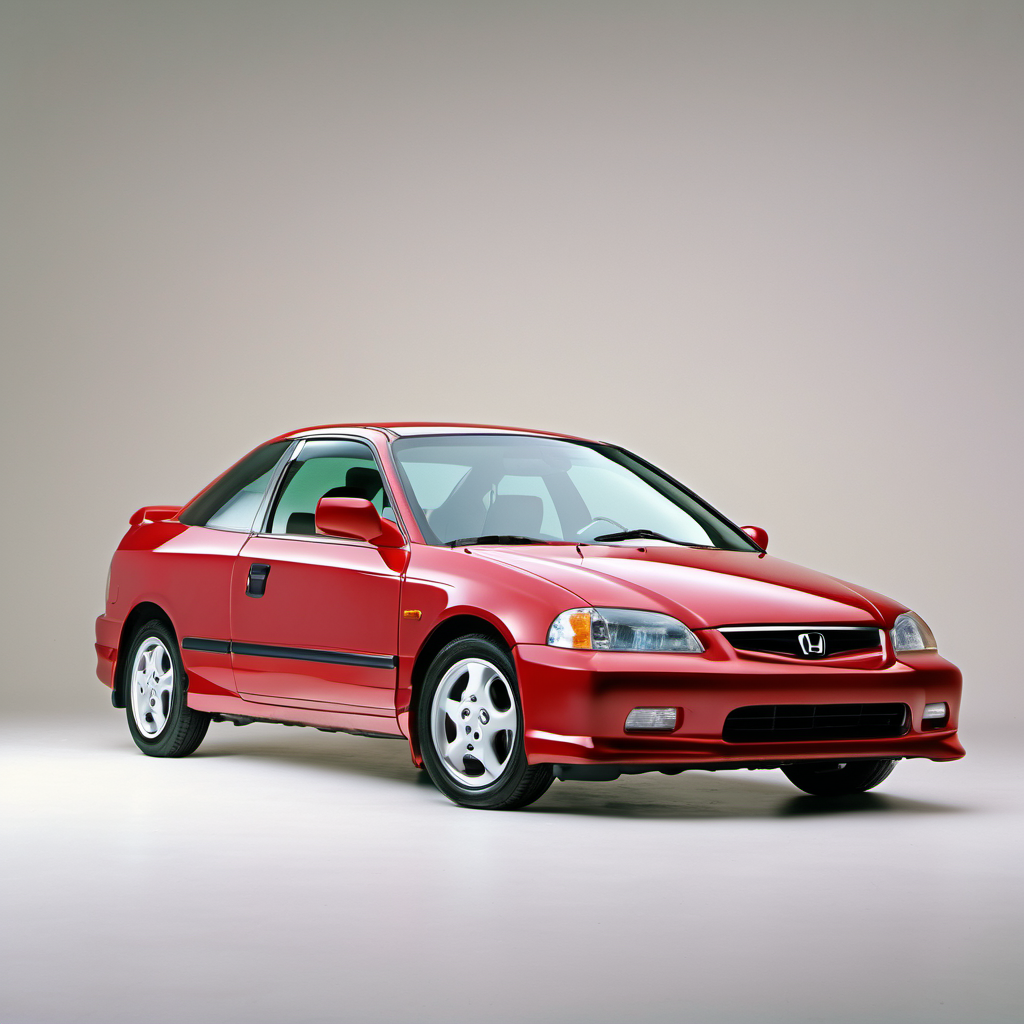
Slightly higher price used, but far superior build quality, better parts availability, and a much stronger ownership track record at high mileage.
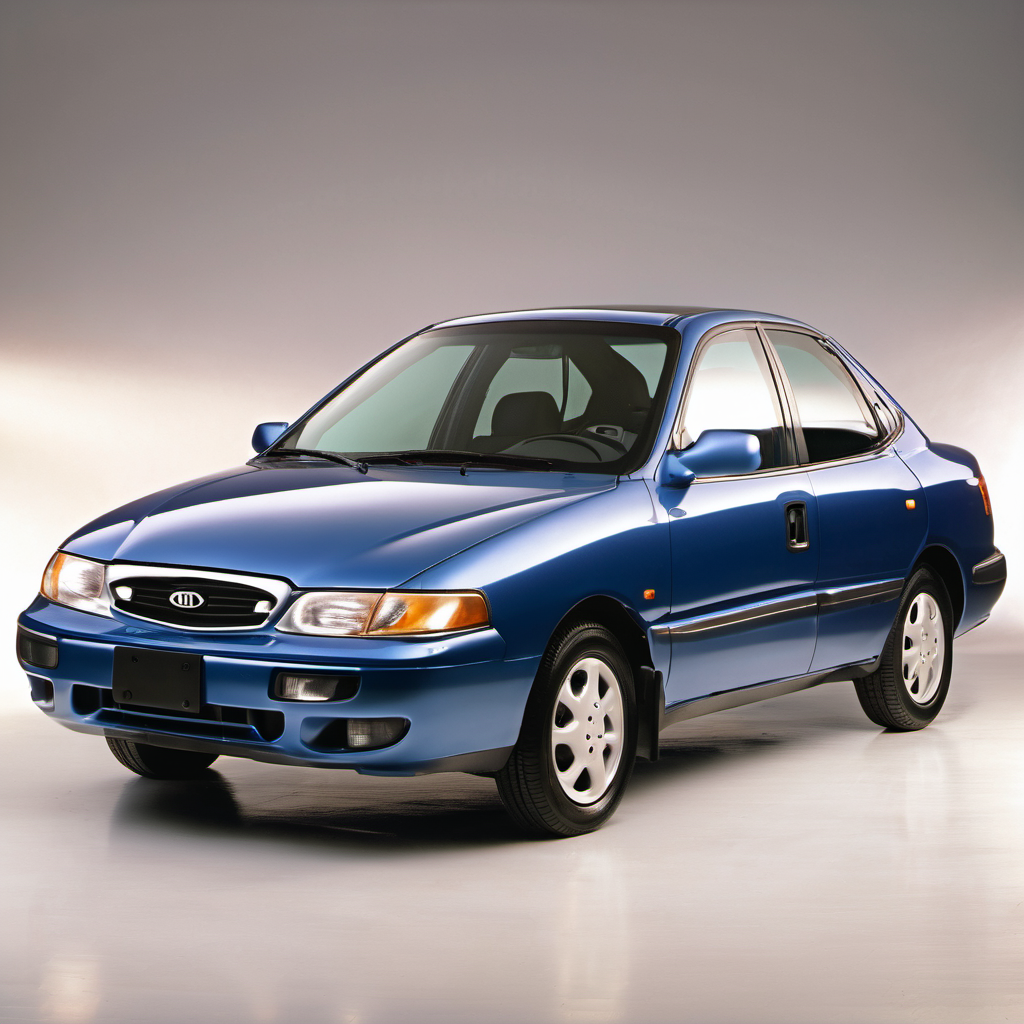
Built on similar Hyundai-era platform at the same price tier; shares many of the same strengths and weaknesses as the Accent.
Comparable economy-car pricing, simple drivetrain, and the polymer body panels gave it a rust advantage in salt-belt markets like Wisconsin.
No catalog match