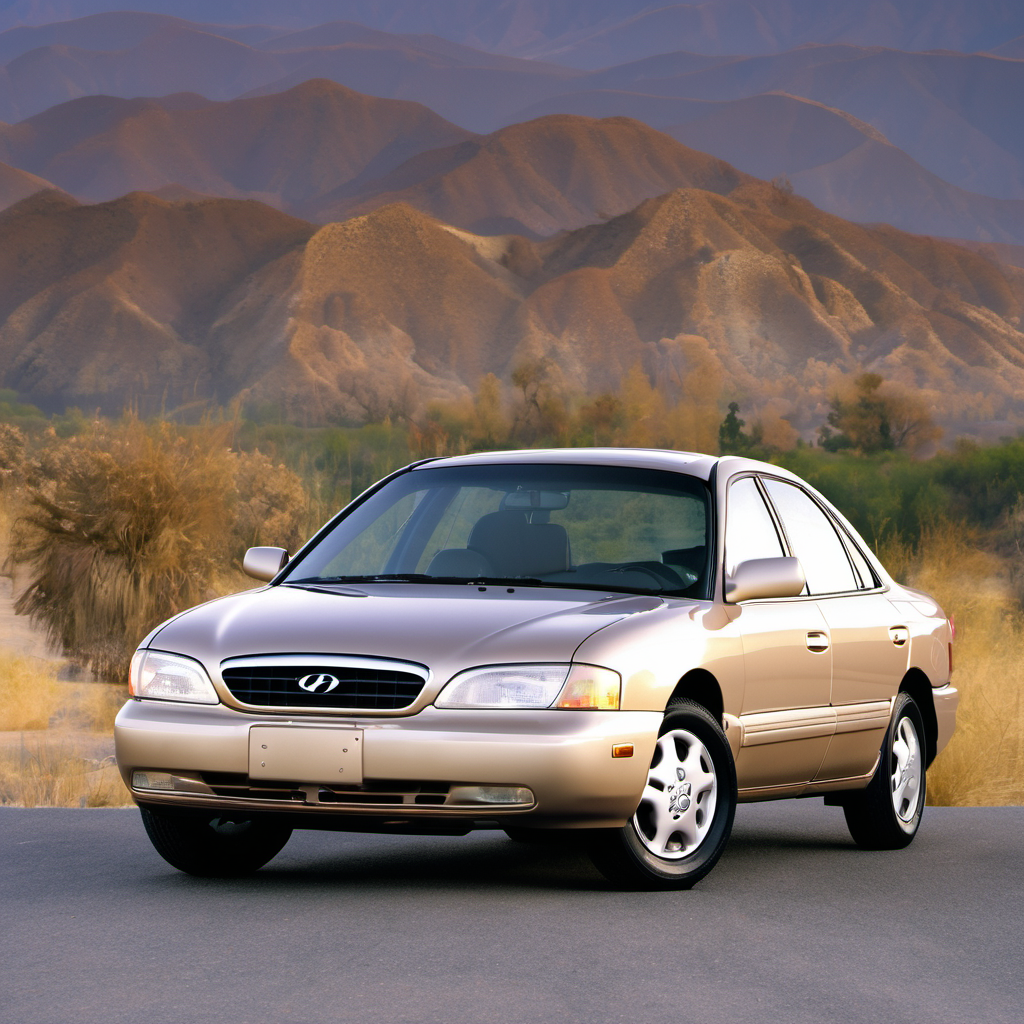
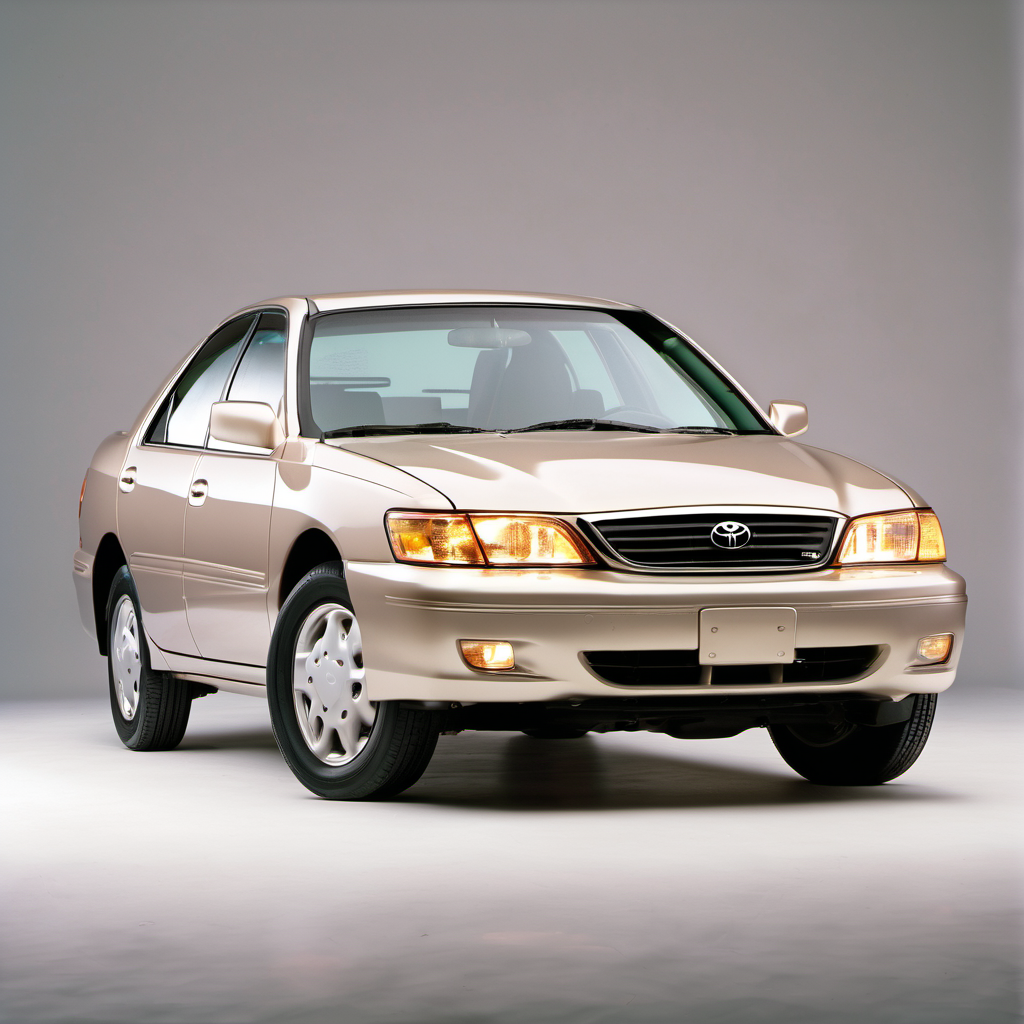
1999 Hyundai Sonata Sedan

1999 Hyundai

SonataSedan

Sedan

The 1999 Hyundai Sonata is a mid-size front-wheel-drive sedan from Hyundai's third generation (EF body), representing a significant step up in quality and refinement over its predecessors. It offered a comfortable, roomy interior at a budget-friendly price point — a hallmark of the Sonata nameplate throughout this era. Powered by either a 2.4L four-cylinder or an optional 2.5L V6, the '99 Sonata targeted value-conscious buyers who wanted a larger car without the premium price of Japanese or domestic competitors. Build quality was noticeably better than earlier Hyundais, though it still trailed Honda and Toyota by a measurable margin. At 25 years old, any surviving 1999 Sonata is now well into high-mileage territory. Rust, age-related wear on rubber components, and cooling system degradation are the primary concerns. These are strictly daily-driver budget cars at this point — inexpensive to buy, but requiring careful inspection before purchase.

Reliability
2/5
Verified data
Specs shown for Sonata — the most common configuration. Other trims may vary in engine, drivetrain, or fuel economy. Sign in to see your vehicle's exact specs.
Engine
[object Object]
Drivetrain
FWD
Fuel
Gasoline
MPG
18 city / 26 hwy / 21 combined
Seats
Doors
Body
Midsize Cars

Overview

AI-curated

The 1999 Hyundai Sonata is a mid-size front-wheel-drive sedan from Hyundai's third generation (EF body), representing a significant step up in quality and refinement over its predecessors. It offered a comfortable, roomy interior at a budget-friendly price point — a hallmark of the Sonata nameplate throughout this era. Powered by either a 2.4L four-cylinder or an optional 2.5L V6, the '99 Sonata targeted value-conscious buyers who wanted a larger car without the premium price of Japanese or domestic competitors. Build quality was noticeably better than earlier Hyundais, though it still trailed Honda and Toyota by a measurable margin. At 25 years old, any surviving 1999 Sonata is now well into high-mileage territory. Rust, age-related wear on rubber components, and cooling system degradation are the primary concerns. These are strictly daily-driver budget cars at this point — inexpensive to buy, but requiring careful inspection before purchase.

Known for
  • Roomy interior for a mid-size sedan
  • Affordable purchase price new and used
  • Smooth, comfortable highway ride
  • Better build quality than earlier Hyundai generations
Best for
  • Budget-conscious daily commuters
  • Buyers who need a large cabin on a small budget
  • Low-mileage local driving
Watch for
  • Significant rust risk on any Wisconsin-area example — check floors, subframe, and brake lines
  • Timing belt service history is critical — interference engine means belt failure = engine damage
  • Cooling system components (hoses, thermostat, water pump) degrade badly with age
  • Automatic transmission reliability is mediocre on high-mileage examples

Common issues by mileage

6 known

Timing Belt Failure

high
Typically appears
60–105k mi (and every ~60k thereafter)
Estimated repair
$350 – $600

Cooling System Deterioration (hoses, thermostat, water pump)

high
Typically appears
80k+ mi / 15+ years
Estimated repair
$200 – $600

Automatic Transmission Slipping or Delayed Engagement

medium
Typically appears
100k+ mi
Estimated repair
$800 – $2,800

Underbody and Brake Line Rust (Wisconsin salt exposure)

high
Typically appears
Any mileage on upper Midwest examples
Estimated repair
$300 – $1,500

Power Window Regulator and Motor Failure

medium
Typically appears
100k+ mi / age-related
Estimated repair
$120 – $280

Maintenance schedule

  1. 1
    Every 60,000 miles — non-negotiable on this engine Timing belt and water pump replacement

    The 2.4L is an interference engine. If the belt snaps, valves and pistons collide and the engine is destroyed. Replace the water pump at the same time since labor is shared — skipping it is a false economy.

  2. 2
    Every 2 years or 30,000 miles Engine coolant flush and hose inspection

    25-year-old coolant hoses are prone to cracking and sudden failure. Fresh coolant prevents internal corrosion and maintains freeze protection for Wisconsin winters.

  3. 3
    Every 30,000 miles on used examples with unknown history Transmission fluid change

    Old, degraded ATF accelerates clutch pack wear. If the fluid looks dark or smells burnt, change it promptly — but don't expect a fluid change alone to fix an already-slipping transmission.

  4. 4
    Annually, before winter Brake line inspection for rust

    Road salt attacks steel brake lines. A rusted-through line causes sudden brake failure. This is the single most critical safety check on any upper Midwest car of this age.

  5. 5
    Every 30,000 miles Spark plugs and ignition wires

    Worn plugs and cracked wires cause misfires and rough cold starts — especially noticeable in Wisconsin winters.

  6. 6
    Every 3–4 years; test every fall Battery test and replacement

    Cold cranking capacity drops sharply below 0°F. A battery that passes a summer test can still fail to start the car on a January morning in Lake Geneva.

  7. 7
    Every 50,000 miles or every 4 years Serpentine belt inspection

    Rubber belts crack in extreme cold. A broken serpentine belt kills the alternator and power steering instantly.

  8. 8
    Every 30,000 miles Fuel filter replacement

    Older fuel systems accumulate varnish deposits. A clogged filter strains the fuel pump and causes hard starts in cold weather.

Always defer to the manufacturer's service manual for warranty-mandated intervals.

Cost of ownership

Annual maintenance
$600 – $1,800
Fuel
At 21 MPG combined and typical Wisconsin driving, expect roughly $1,800–$2,400/year at current fuel prices depending on annual mileage.
Insurance
Liability-only coverage on a 25-year-old economy sedan typically runs $400–$700/year in the Lake Geneva area. Full coverage rarely makes financial sense given the car's low market value.

The 1999 Sonata is cheap to buy, but at this age the real cost is deferred maintenance catching up all at once. A timing belt + water pump service alone can run $400–$600. Budget $800–$1,500 up front for an immediate once-over (belts, hoses, brakes, battery) if the service history is unknown. Ongoing annual costs are modest if the car is solid, but one major repair — transmission, rust remediation, or overheating damage — can exceed the car's entire market value.
Seasonal care

Lake Geneva, WI
Winter
  • Test the battery every October — cold cranking amps drop sharply at sub-zero temps and this battery is likely old
  • Switch to winter-rated washer fluid rated to at least -20°F; the reservoir freezes solid and can crack with standard fluid
  • Inspect all rubber brake hoses and steel brake lines for rust perforation before the first snowfall — salt exposure over 25 years is a serious safety hazard
  • Check coolant freeze protection with a tester; ensure it's good to at least -34°F for Wisconsin conditions
  • Inspect the serpentine and timing belt for cold-weather cracking before temperatures drop below freezing
  • Keep the fuel tank above half to prevent fuel line moisture accumulation and ease cold starts
Summer
  • Monitor the temperature gauge closely — the aging cooling system is prone to overheating in stop-and-go traffic on hot days
  • Check tire pressure monthly; pressure drops about 1 PSI for every 10°F of temperature change
  • Inspect A/C refrigerant charge and cabin air filter — the system hasn't been touched on many examples in years
  • Check for oil leaks at the valve cover gasket; heat cycles worsen existing seeps and oil on a hot exhaust is a fire risk

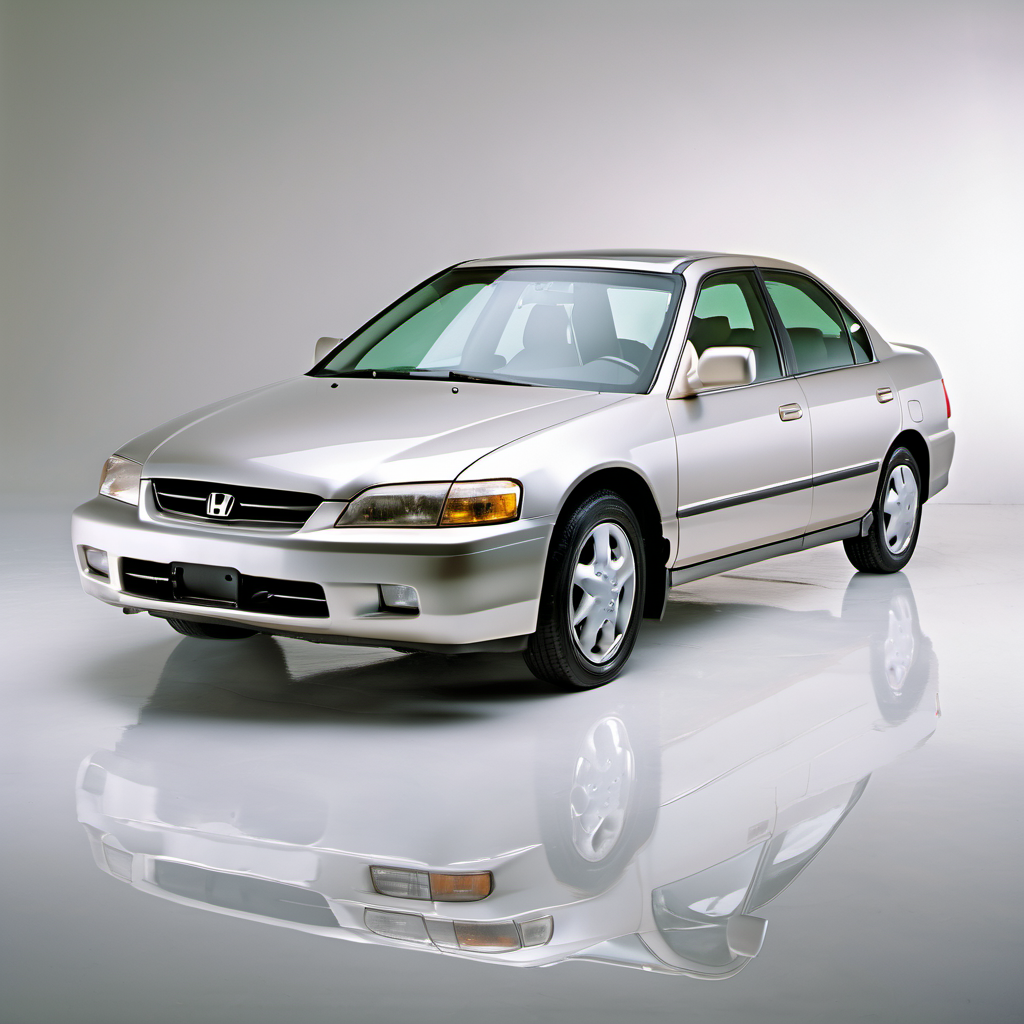
Comparable vehicles

If you're shopping for one

Red flags
  • No record of timing belt service — walk away or negotiate a significant price reduction to cover immediate replacement
  • Any sign of coolant leaks, overheating history, or a temperature gauge that rises above midpoint
  • Rust perforation anywhere on the underbody, especially on brake lines or the subframe
  • Transmission that hesitates, slips, or clunks on engagement — rebuilds often exceed the car's market value
  • Oil leaks pooling on the exhaust or evidence of chronic low-oil operation (sludge visible on oil cap)
What to inspect
  • Pull the timing belt cover and confirm the belt has been replaced — look for a sticker on the valve cover or ask for receipts. No history = budget for immediate replacement.
  • Get underneath and inspect the brake lines, fuel lines, and subframe for rust perforation — not just surface rust, but pitting and holes
  • Check the transmission by driving through all gears; delayed engagement from a stop or slipping under load are warning signs of a worn transmission
  • Look for coolant in the oil (milky dipstick) or oil in the coolant (brown froth in the reservoir), which indicates a head gasket problem
  • Check all four floor pan corners from inside for soft spots or rust-through — lift the carpet if needed
  • Verify A/C function and blower motor operation on all speeds
AI profile generated 11 days ago · claude-sonnet-4-6 · v2.