Oxygen sensor failure / heater circuit faults
high- Typically appears
- 60–120k mi
- Estimated repair
- $80 – $250
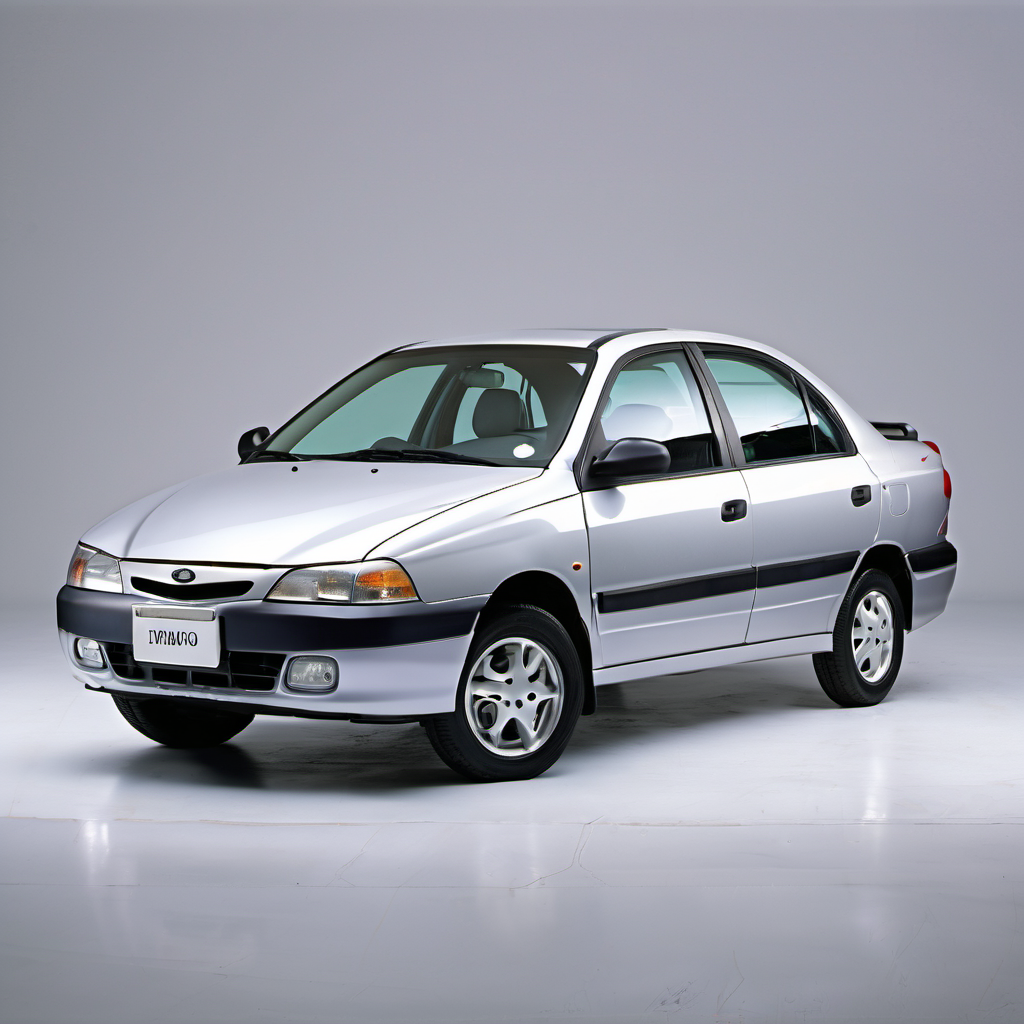
1999 Daewoo
Wagon
The 1999 Daewoo Nubira Wagon is a compact, front-wheel-drive station wagon that was part of Daewoo's short-lived attempt to crack the North American market. Built on a platform developed with input from GM and styled by Italdesign, it offered a surprisingly spacious interior and wagon practicality at a budget price point. It was sold new through a direct-to-consumer model — no haggling, but also very limited dealer infrastructure. Daewoo's U.S. operations collapsed in 2002 when the parent company went bankrupt, which is the defining fact of ownership today. Parts availability has shrunk to a trickle — many items are dealer-discontinued, and you're relying on specialty importers, salvage yards, or GM-sourced cross-reference parts where they exist. Any survivor on the road today is a curiosity, not a practical daily driver. For a Wisconsin owner, the situation is compounded by the fact that rust repair, body parts, and suspension consumables are nearly impossible to source. If this vehicle is already showing its age in a salt-belt state, factor in significant fabrication or substitution costs before committing to ownership.
The 1999 Daewoo Nubira Wagon is a compact, front-wheel-drive station wagon that was part of Daewoo's short-lived attempt to crack the North American market. Built on a platform developed with input from GM and styled by Italdesign, it offered a surprisingly spacious interior and wagon practicality at a budget price point. It was sold new through a direct-to-consumer model — no haggling, but also very limited dealer infrastructure. Daewoo's U.S. operations collapsed in 2002 when the parent company went bankrupt, which is the defining fact of ownership today. Parts availability has shrunk to a trickle — many items are dealer-discontinued, and you're relying on specialty importers, salvage yards, or GM-sourced cross-reference parts where they exist. Any survivor on the road today is a curiosity, not a practical daily driver. For a Wisconsin owner, the situation is compounded by the fact that rust repair, body parts, and suspension consumables are nearly impossible to source. If this vehicle is already showing its age in a salt-belt state, factor in significant fabrication or substitution costs before committing to ownership.
This is an interference engine — a snapped belt means bent valves and a very expensive rebuild. On a vehicle this age, replace the belt, tensioner, and water pump together as a kit.
25-year-old hoses, clamps, and coolant degrade unpredictably. A failure in a Wisconsin winter is a tow call. Inspect every hose carefully; replace anything soft, cracked, or swollen.
Older engines with unknown service histories benefit from more frequent oil changes. Fresh oil is the cheapest insurance against sludge and ring wear.
Wisconsin sub-zero starts are brutal on any battery. A marginal battery that starts fine in October will fail at -10°F in January. Load-test and replace proactively if the battery is over 4 years old.
Brake fluid absorbs moisture over time, lowering its boiling point and corroding internal components. On a vehicle this age, moisture content is almost certainly high.
Lake Geneva roads are heavily salted. Inspect the floor pan, frame rails, rocker panels, and brake lines every spring. Address any surface rust immediately — on this vehicle, body parts are irreplaceable.
Steel brake lines on a 25-year-old Wisconsin vehicle are a genuine safety concern. Corroded lines can fail without warning. Inspect for pitting, external rust, and soft spots at every brake service.
Use a -40°F rated washer fluid — standard fluid freezes on the windshield at Wisconsin winter temps. Replace wiper blades with winter-style blades before first snowfall.
Always defer to the manufacturer's service manual for warranty-mandated intervals.
Routine maintenance costs are moderate in a good year, but any significant repair involving discontinued parts can quickly exceed the vehicle's market value. Labor rates are also higher because technicians unfamiliar with the platform take longer on diagnosis and repair. Budget conservatively and keep a parts contingency fund. The honest math: if a major component fails and the part isn't available, the vehicle becomes a parts car.
Same era, same segment — compact FWD wagon with a frugal 4-cylinder. Saturn actually had U.S. dealer support and better parts availability through GM.
No catalog match
Direct competitor at the same price point and same wagon format. Far better parts availability and a much larger service network.
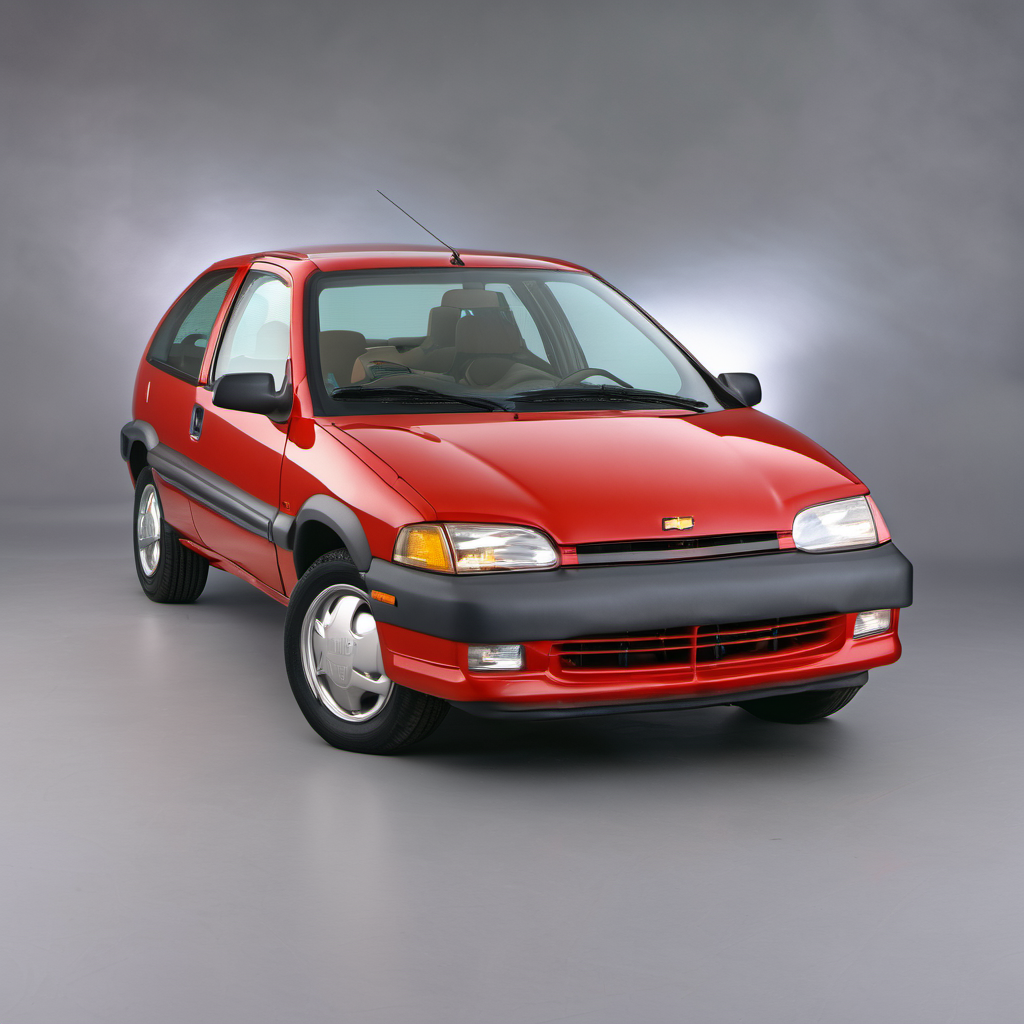
Budget-segment compact from the same era. Simpler mechanicals, lighter weight, and a parts supply that still exists today.
/1999_Volkswagen_Golf_(New)_83a74d7c_00001_.png)
Similar compact European-flavored design ethos and DOHC 4-cylinder, but with a parts and service network that still functions. Higher maintenance cost offset by genuine repairability.