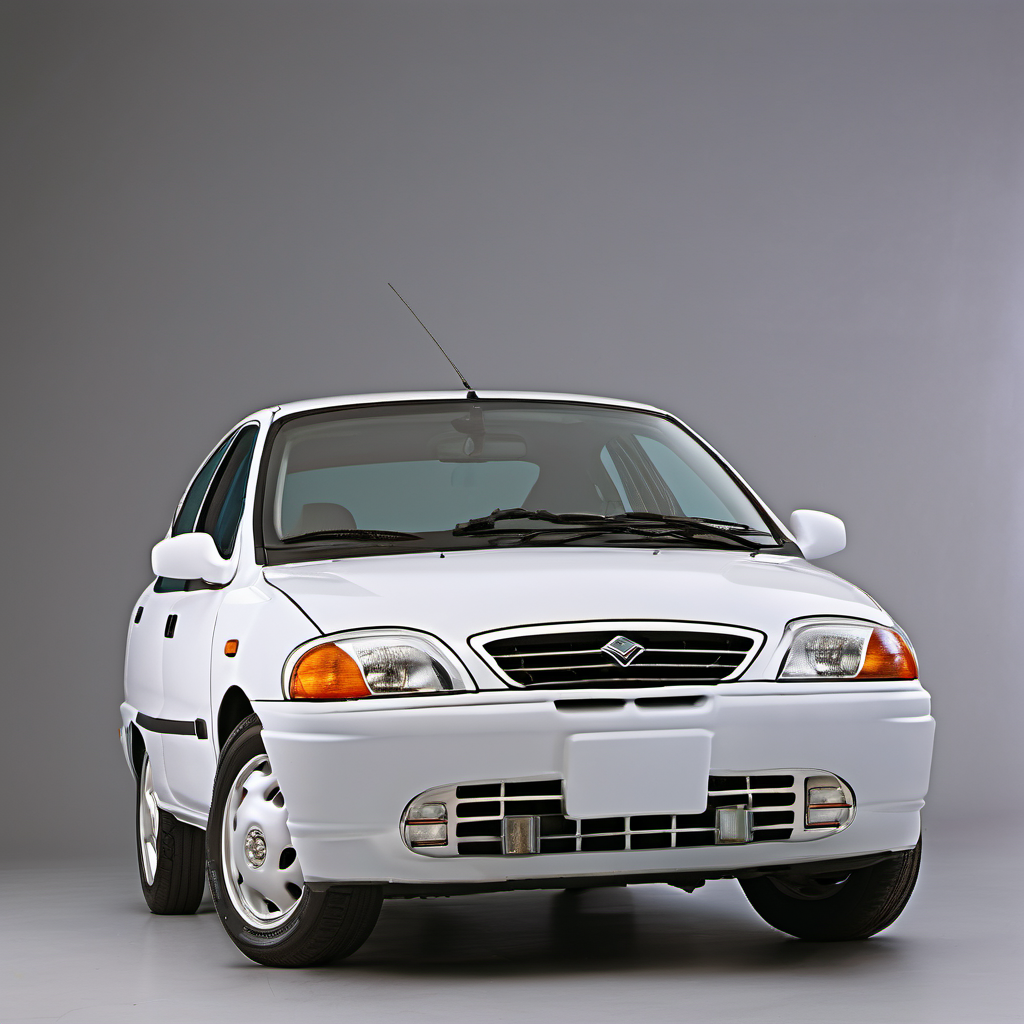
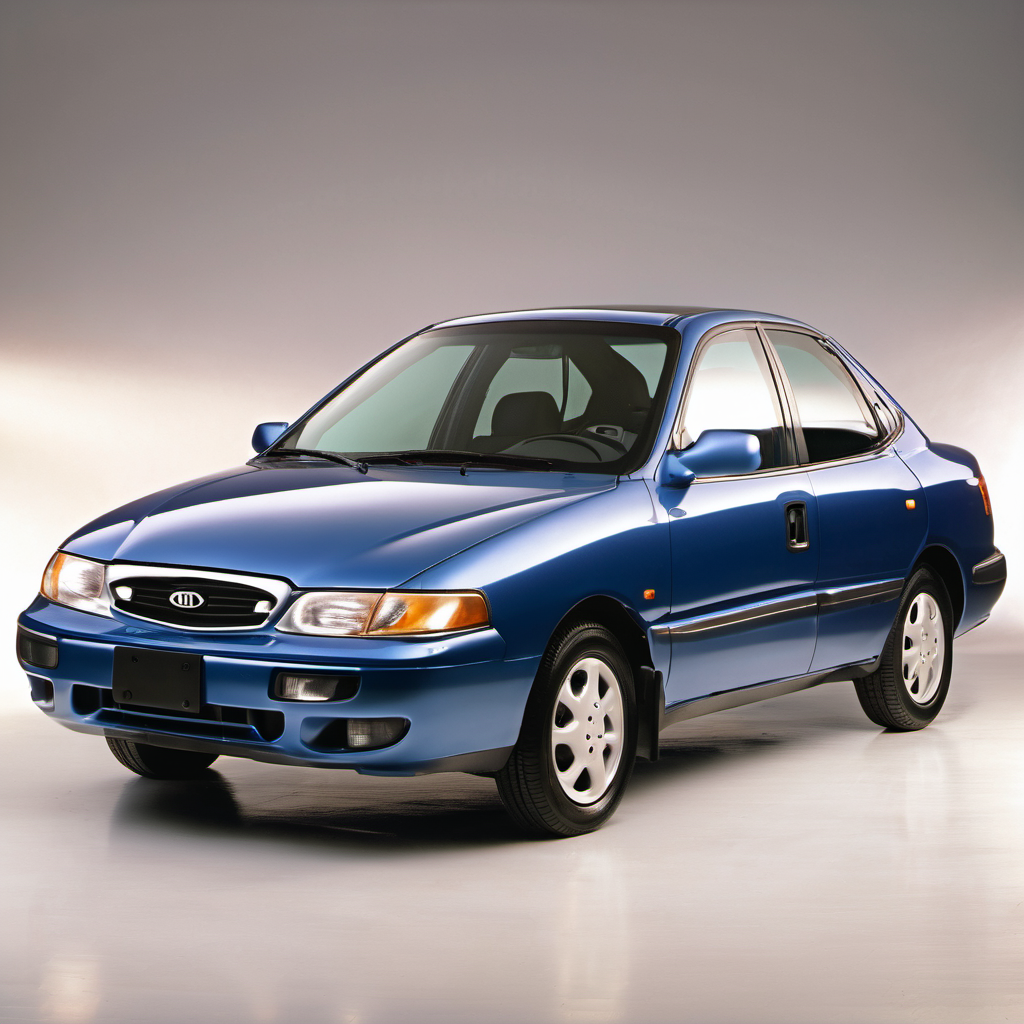
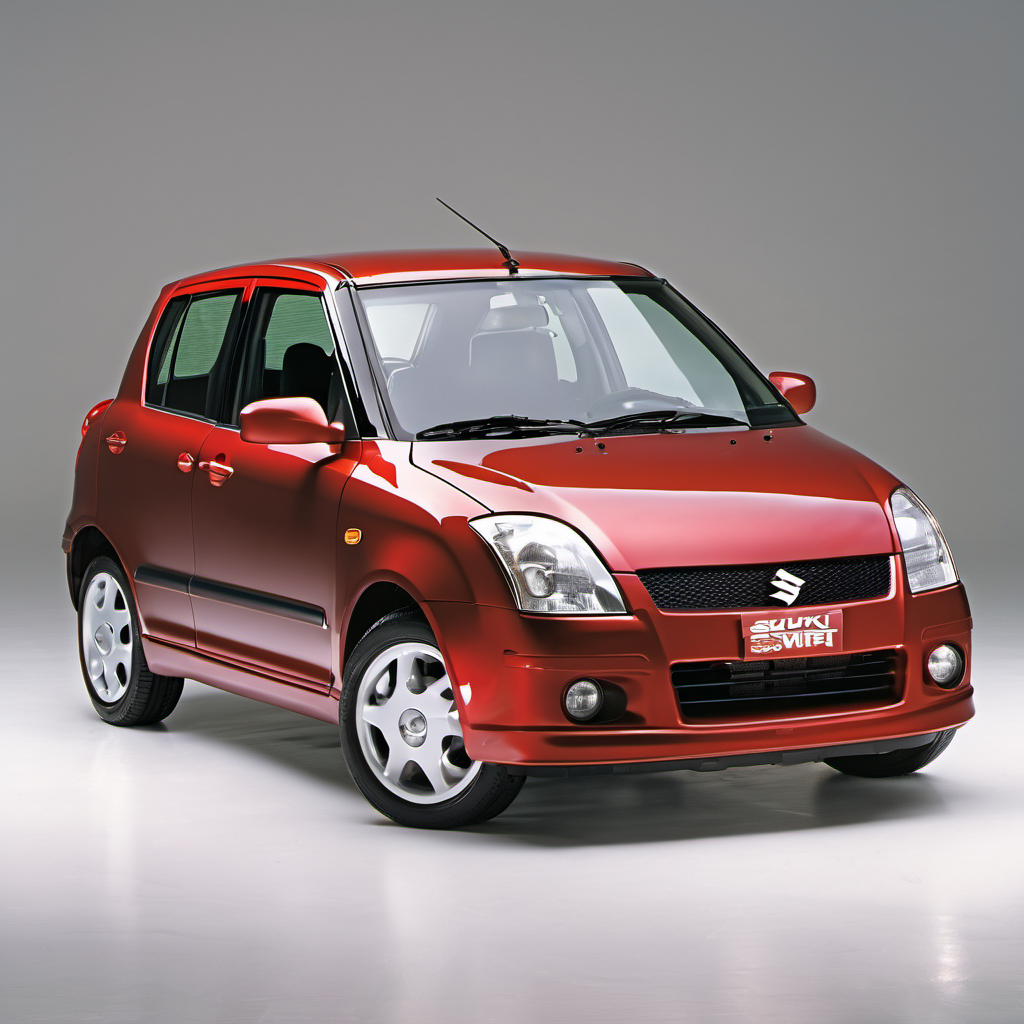
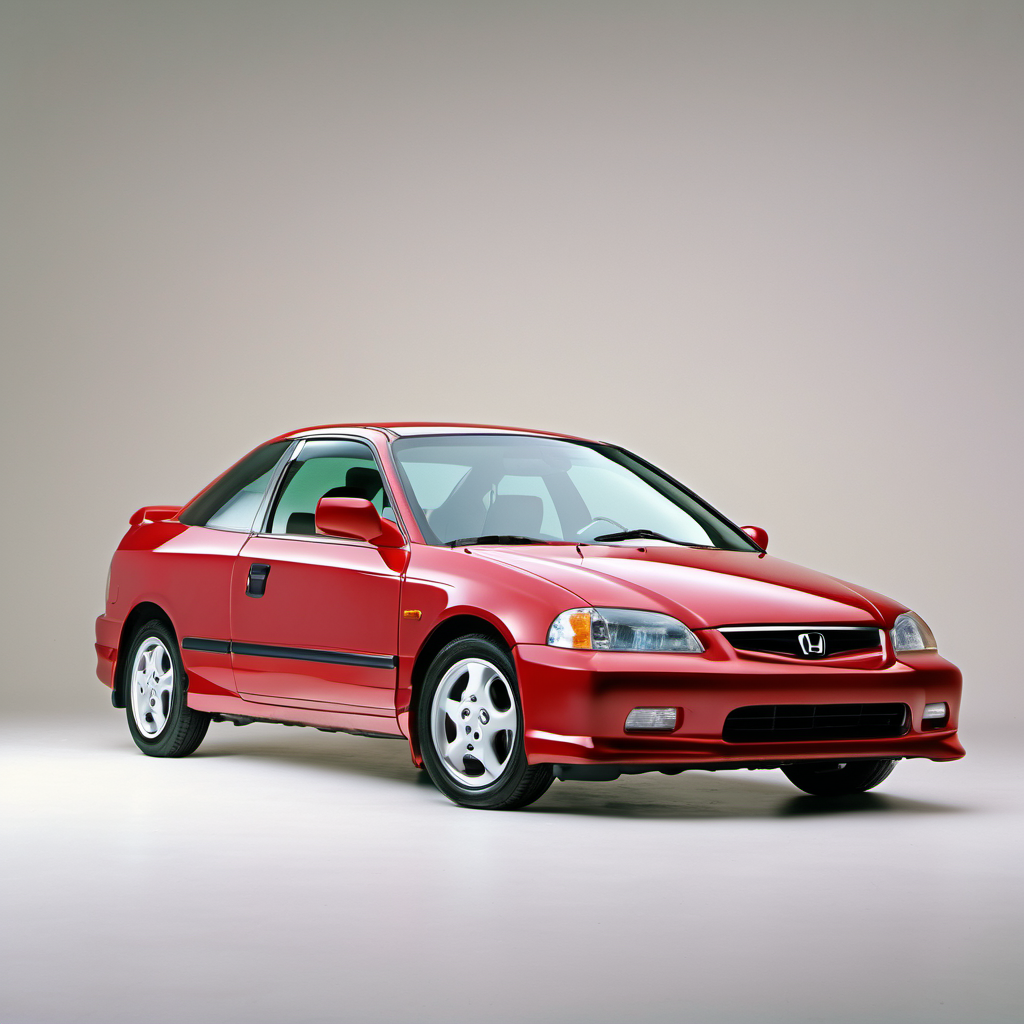
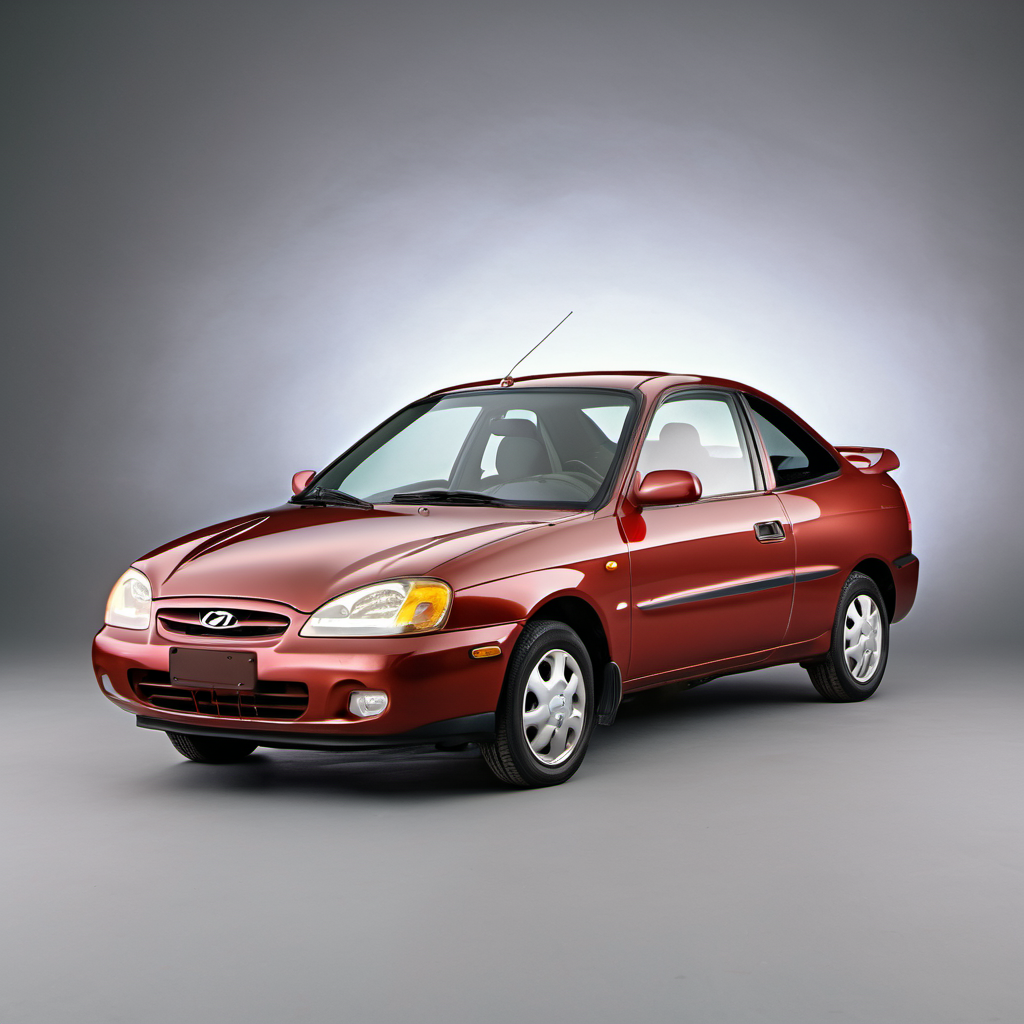
1999 Daewoo Lanos Hatchback

1999 Daewoo

LanosHatchback

Hatchback

The 1999 Daewoo Lanos is a compact subcompact hatchback built by South Korean automaker Daewoo and sold in the U.S. for a brief window in the late 1990s and early 2000s. It was positioned as an ultra-affordable entry-level car, sharing platform DNA with GM's global small-car architecture. The 1.5L SOHC four-cylinder is modest but adequate for city and light highway driving, and the hatchback body makes it practical for its size. Daewoo exited the U.S. market in 2002 when the parent company went bankrupt, which is the single biggest practical concern for any Lanos owner today. Parts availability has thinned considerably over the past two decades. Some components cross-reference to GM Daewoo or early Chevrolet Aveo parts, which helps, but electrical, body, and trim pieces can be difficult to source and expensive when found. At this point in its life, a 1999 Lanos is a high-mileage economy car with almost no dealer support, a dwindling independent-mechanic knowledge base, and real parts-sourcing risk. It can still be a serviceable around-town vehicle for someone mechanically inclined and prepared for the ownership realities, but it is not a practical daily driver for anyone who needs reliable, straightforward repairs.

Reliability
2/5
Verified data
Specs shown for Lanos — the most common configuration. Other trims may vary in engine, drivetrain, or fuel economy. Sign in to see your vehicle's exact specs.
Engine
[object Object]
Drivetrain
FWD
Fuel
Gasoline
MPG
21 city / 33 hwy / 25 combined
Seats
Doors
Body
Compact Cars

Overview

AI-curated

The 1999 Daewoo Lanos is a compact subcompact hatchback built by South Korean automaker Daewoo and sold in the U.S. for a brief window in the late 1990s and early 2000s. It was positioned as an ultra-affordable entry-level car, sharing platform DNA with GM's global small-car architecture. The 1.5L SOHC four-cylinder is modest but adequate for city and light highway driving, and the hatchback body makes it practical for its size. Daewoo exited the U.S. market in 2002 when the parent company went bankrupt, which is the single biggest practical concern for any Lanos owner today. Parts availability has thinned considerably over the past two decades. Some components cross-reference to GM Daewoo or early Chevrolet Aveo parts, which helps, but electrical, body, and trim pieces can be difficult to source and expensive when found. At this point in its life, a 1999 Lanos is a high-mileage economy car with almost no dealer support, a dwindling independent-mechanic knowledge base, and real parts-sourcing risk. It can still be a serviceable around-town vehicle for someone mechanically inclined and prepared for the ownership realities, but it is not a practical daily driver for anyone who needs reliable, straightforward repairs.

Known for
  • Ultra-low original purchase price
  • Simple, relatively easy-to-access 1.5L SOHC engine
  • Decent fuel economy for a late-1990s subcompact
  • Tight, maneuverable city driving character
  • Parts scarcity due to Daewoo's U.S. market exit
Best for
  • Mechanically inclined owners who can source parts themselves
  • Short urban or suburban commutes
  • Budget-conscious buyers with low repair expectations
  • Collectors or enthusiasts of rare late-1990s imports
Watch for
  • Severe parts scarcity — electrical, body, and trim items especially
  • Rust from road salt exposure; these cars were not well-protected from the factory
  • No U.S. dealer network; independent shop familiarity is rare
  • Aging rubber: belts, hoses, and suspension bushings are well past service life on any surviving example
  • Cooling system neglect leading to head gasket failure on the 1.5L

Common issues by mileage

6 known

Cooling system failure / head gasket damage

high
Typically appears
80–150k mi
Estimated repair
$800 – $1,800

Oxygen sensor heater circuit failure

medium
Typically appears
60–120k mi
Estimated repair
$150 – $350

Timing belt failure or skipped teeth (interference engine — causes valve damage)

high
Typically appears
60k+ mi if belt not replaced on schedule
Estimated repair
$1,200 – $3,000

Suspension bushing and ball joint deterioration

high
Typically appears
70–120k mi
Estimated repair
$300 – $900

Electrical gremlins — sensors, connectors, and wiring harness corrosion

high
Typically appears
Any mileage on a 25-year-old car
Estimated repair
$100 – $600

Body rust and floor pan perforation from road salt

high
Typically appears
Any mileage in northern climates
Estimated repair
$500 – $3,000

Maintenance schedule

  1. 1
    Every 60k mi or immediately if history is unknown Timing belt and water pump replacement

    The 1.5L SOHC is an interference engine — a snapped belt destroys valves. On a 25-year-old car with any question about service history, this is job one.

  2. 2
    Every 2 years or 30k mi Coolant flush and cooling system inspection

    Cooling system neglect is the leading cause of head gasket failure on this engine. Inspect hoses, clamps, thermostat, and radiator cap at every interval.

  3. 3
    Every 3,000–5,000 mi with conventional oil Engine oil and filter change

    The 1.5L tolerates modern 5W-30, but frequent changes are cheap insurance on a high-mileage engine with an uncertain history.

  4. 4
    Inspect annually; replace any cracked or swollen items immediately Inspect and replace all rubber: belts, hoses, CV boots

    All rubber on a 1999 vehicle is at or past its service life. CV boot failure leads to joint damage; a split hose can cause overheating within minutes.

  5. 5
    Every 2 years Brake fluid flush

    Brake fluid absorbs moisture over time, lowering boiling point and accelerating internal corrosion in calipers and wheel cylinders.

  6. 6
    Annually or with every tire rotation Inspect suspension and steering components

    Ball joints, tie rod ends, and bushings are well past designed service life. Worn parts are a safety issue and cause uneven tire wear.

  7. 7
    Every fall before Wisconsin winter Battery load test and terminal cleaning

    Cold-cranking demands spike in sub-zero temps. A marginal battery that starts fine in October will fail in January. Clean terminals prevent voltage-drop faults.

  8. 8
    Annually, before winter Underbody rust inspection and treatment

    Lake Geneva roads are salted heavily. The Lanos had minimal factory underbody protection. Annual inspection and touch-up treatment can slow structural rust.

Always defer to the manufacturer's service manual for warranty-mandated intervals.

Cost of ownership

Annual maintenance
$600 – $2,000
Fuel
Inexpensive to fuel — roughly $1,100–$1,400/year at 12,000 mi/year and current Midwest gas prices, given 25 MPG combined.
Insurance
Liability-only coverage is typical given the car's low market value — expect $400–$700/year depending on driver history.

On paper the Lanos looks cheap to own, and fuel and insurance costs are genuinely low. The hidden cost is parts: when something fails, finding the right part can take weeks and cost far more than the same repair on a Honda or Toyota of similar vintage. Budget toward the higher end of the maintenance range and keep a contingency fund. If a major repair exceeds the car's market value (which is easy to do), the math on fixing it rarely works out.
Seasonal care

Lake Geneva, WI
Winter
  • Load-test the battery every October — the 1.5L needs strong cold-cranking amps below 0°F and the battery is likely original or near end-of-life.
  • Switch to a full-synthetic 5W-30 oil for winter months to aid cold starts and reduce dry-start wear.
  • Use a winter-rated washer fluid rated to at least -20°F; the factory reservoir and lines are prone to cracking if water-diluted fluid freezes.
  • Inspect the undercarriage and wheel wells before winter and apply a rust-inhibiting undercoating where bare metal is exposed — Lake Geneva road salt will accelerate any existing rust rapidly.
  • Fit dedicated winter tires if this is a regular-use vehicle; the narrow factory tire size is available in winter compounds and makes a significant handling difference on icy roads.
  • Keep the fuel tank above half in extreme cold to reduce condensation in the fuel system and ensure the fuel pump stays submerged and cool.
Summer
  • Inspect coolant concentration and top off with the correct 50/50 mix — the 1.5L runs hot in traffic and a depleted cooling system is a head gasket waiting to happen.
  • Check tire pressure monthly; pressure drops roughly 1 PSI for every 10°F of temperature change, and underinflated tires on a light car can overheat quickly.
  • Test the A/C system refrigerant charge early in the season; the R-134a system is simple but seals and O-rings are 25+ years old and likely weeping.
  • Inspect the cabin air filter (if equipped) and clean or replace it — a blocked filter strains the blower motor and reduces A/C effectiveness in summer heat.

Comparable vehicles

If you're shopping for one

Red flags
  • Any rust through the floor, rockers, or subframe — repair cost will exceed car value
  • Unknown timing belt history on a 25-year-old car — walk away or price in immediate replacement
  • Overheating history or white exhaust smoke — likely head gasket damage
  • Missing or non-functional dashboard warning lights — may indicate tampered instrument cluster or electrical issues being hidden
  • Seller cannot produce any service records — on a parts-scarce vehicle, a mystery history is a major liability
What to inspect
  • Floor pan and rocker panels for rust perforation — poke with a screwdriver; soft spots mean structural rust
  • Timing belt condition and service history — non-negotiable given interference engine risk
  • Coolant color and condition; milky or oily coolant signals head gasket failure
  • All rubber: CV boots, hoses, belts, and suspension bushings for cracking or collapse
  • Electrical: check all lights, windows, and instruments — wiring harness corrosion is common at this age
  • Underbody for rust at subframe mounts and suspension pickup points
AI profile generated 11 days ago · claude-sonnet-4-6 · v2.