Rear Wheel Bearing Failure
high- Typically appears
- 60–120k mi
- Estimated repair
- $300 – $650
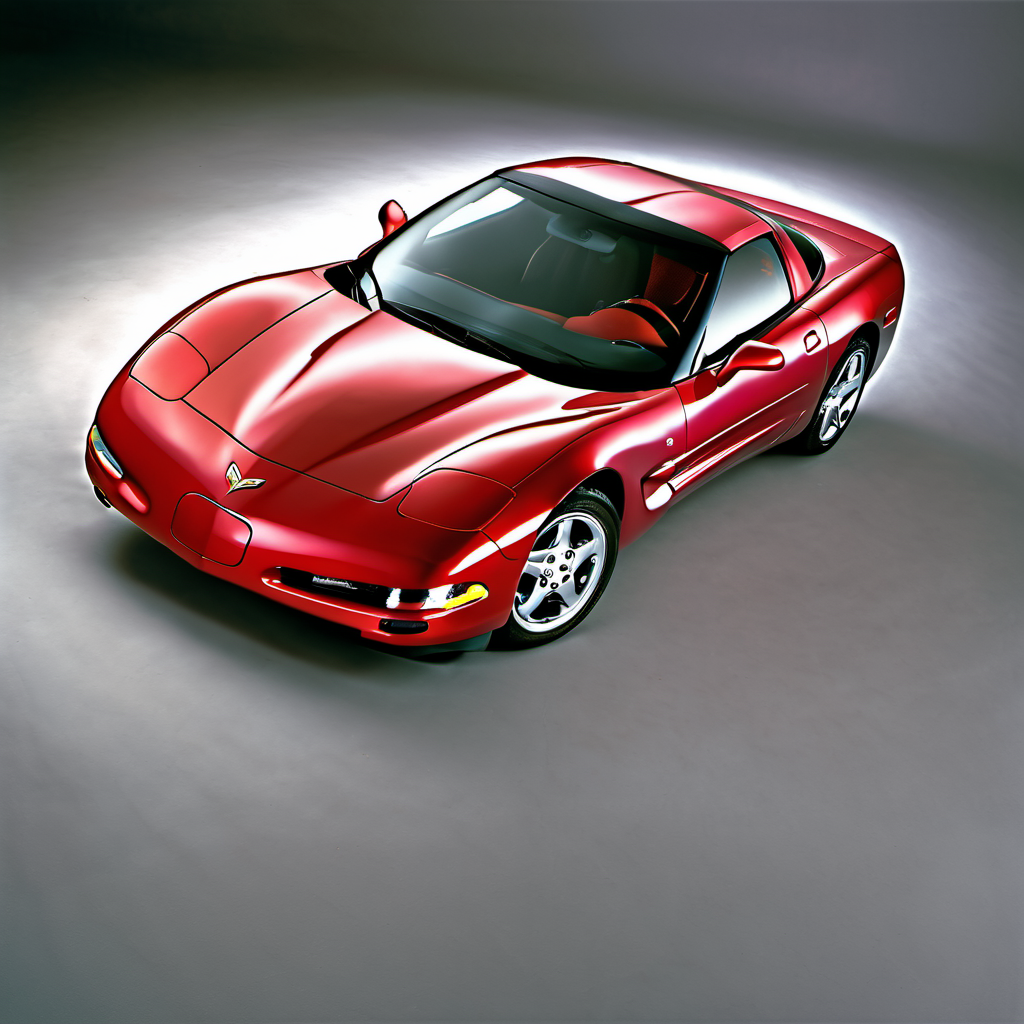
1999 Chevrolet
Coupe
The 1999 Chevrolet Corvette Coupe is a fifth-generation (C5) 'Vette, running from 1997–2004. It marked a major leap over the C4 — a stiffer hydroformed frame, the all-new LS1 V8, and a rear transaxle layout that put the weight nearly 50/50 front-to-rear. In base coupe form it offered serious performance (345 hp, 0–60 in under 5 seconds) at a price well below exotic European competition. The LS1 engine in this car is one of GM's most celebrated V8s — simple, robust, and tuner-friendly. The platform shed many of the C4's electrical gremlins and earned a far better reputation for daily-driver reliability. Quality control was meaningfully improved compared to the previous generation. By now these cars are 25+ years old, which means age-related wear is the dominant concern — not design flaws. Well-maintained examples with documented service histories are out there, but so are low-mileage garage queens that haven't been properly exercised. Either way, a thorough pre-purchase inspection is essential.
The 1999 Chevrolet Corvette Coupe is a fifth-generation (C5) 'Vette, running from 1997–2004. It marked a major leap over the C4 — a stiffer hydroformed frame, the all-new LS1 V8, and a rear transaxle layout that put the weight nearly 50/50 front-to-rear. In base coupe form it offered serious performance (345 hp, 0–60 in under 5 seconds) at a price well below exotic European competition. The LS1 engine in this car is one of GM's most celebrated V8s — simple, robust, and tuner-friendly. The platform shed many of the C4's electrical gremlins and earned a far better reputation for daily-driver reliability. Quality control was meaningfully improved compared to the previous generation. By now these cars are 25+ years old, which means age-related wear is the dominant concern — not design flaws. Well-maintained examples with documented service histories are out there, but so are low-mileage garage queens that haven't been properly exercised. Either way, a thorough pre-purchase inspection is essential.
The LS1 is not picky about oil brand, but regular changes are the single biggest factor in engine longevity. Many C5s sit for months at a time — change the oil before a long storage period and again before returning to regular use.
Belt failure leaves you stranded. On a 25-year-old car, inspect it every season regardless of mileage — rubber degrades with age, not just use.
Original coolant hoses on a 1999 are past their safe service life. Cracked or swollen hoses can cause sudden overheating, which is catastrophic on a performance engine.
C5 rear bearings are a well-documented wear item. They press into the knuckle and require a shop press — not a DIY job. Catching them early prevents knuckle damage.
Brake fluid absorbs moisture over time, lowering boiling point — a serious concern on a performance car. Wisconsin winters accelerate moisture contamination.
Rubber gaskets harden and crack with age and heat cycles. Catching a slow seep early is a $250–400 job; ignoring it leads to oil on exhaust and potential fire risk.
Cold cranking a 5.7L V8 at sub-zero temps demands a strong battery. Wisconsin winters kill weak batteries fast. Clean any corrosion off terminals — especially important given the car's age and infrequent use patterns.
Many C5s wear low-mileage but old tires. Rubber compounds degrade and can fail without warning at speed. Check the DOT date code on the sidewall.
Always defer to the manufacturer's service manual for warranty-mandated intervals.
A healthy C5 Corvette is relatively affordable to maintain by sports-car standards thanks to cheap, widely available LS1 parts and a huge DIY community. The biggest wildcard is deferred maintenance on cars that have been stored, lightly used, or previously abused. Budget for a thorough inspection and refresh when you first acquire one — spending $1,500–$3,000 upfront to replace age-worn items is far cheaper than reacting to failures later.
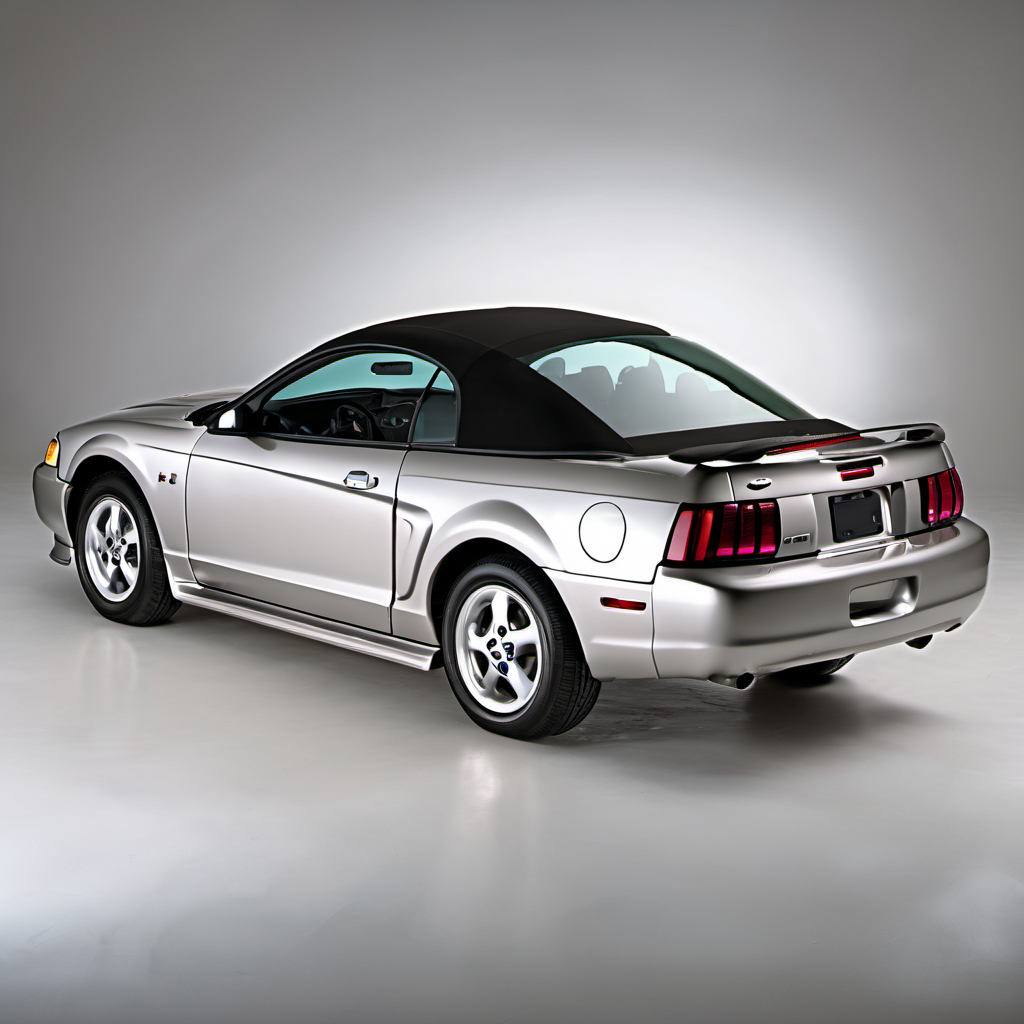
Same era American V8 sports car, RWD, similar price point — the Cobra offered 320 hp from a 4.6L DOHC V8. Less exotic than the Corvette but better daily-driver practicality and cheaper parts.
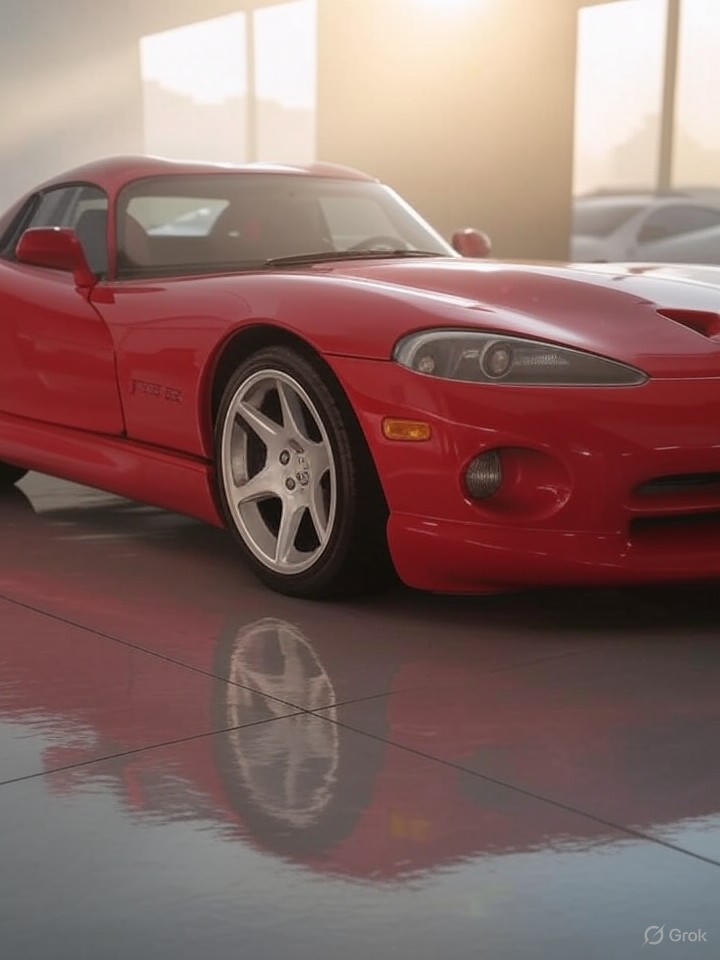
If the C5 feels tame, the contemporary Viper is the next step up in raw American performance — but it's far more demanding to own and significantly pricier today.
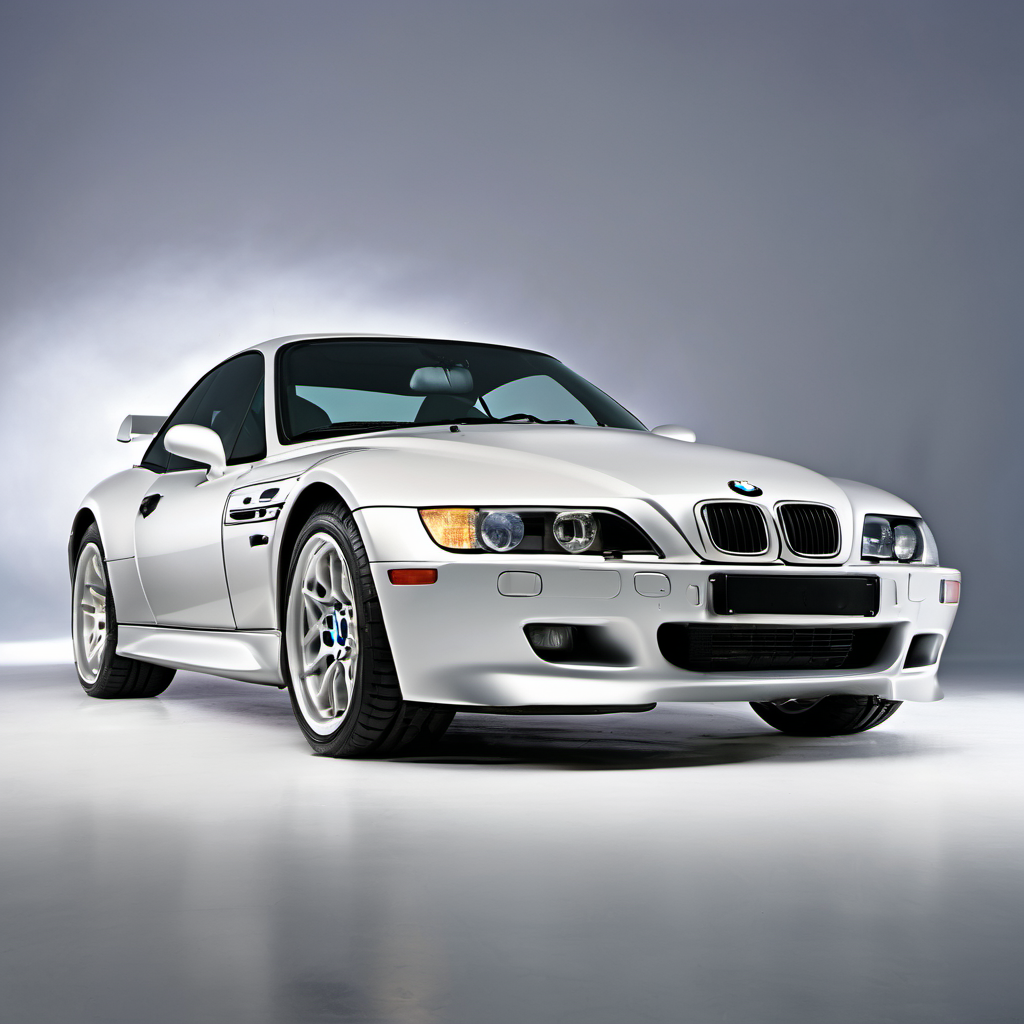
European alternative in a similar price range — offers refined handling and an inline-6, but parts and service costs are considerably higher than the LS1-powered Corvette.
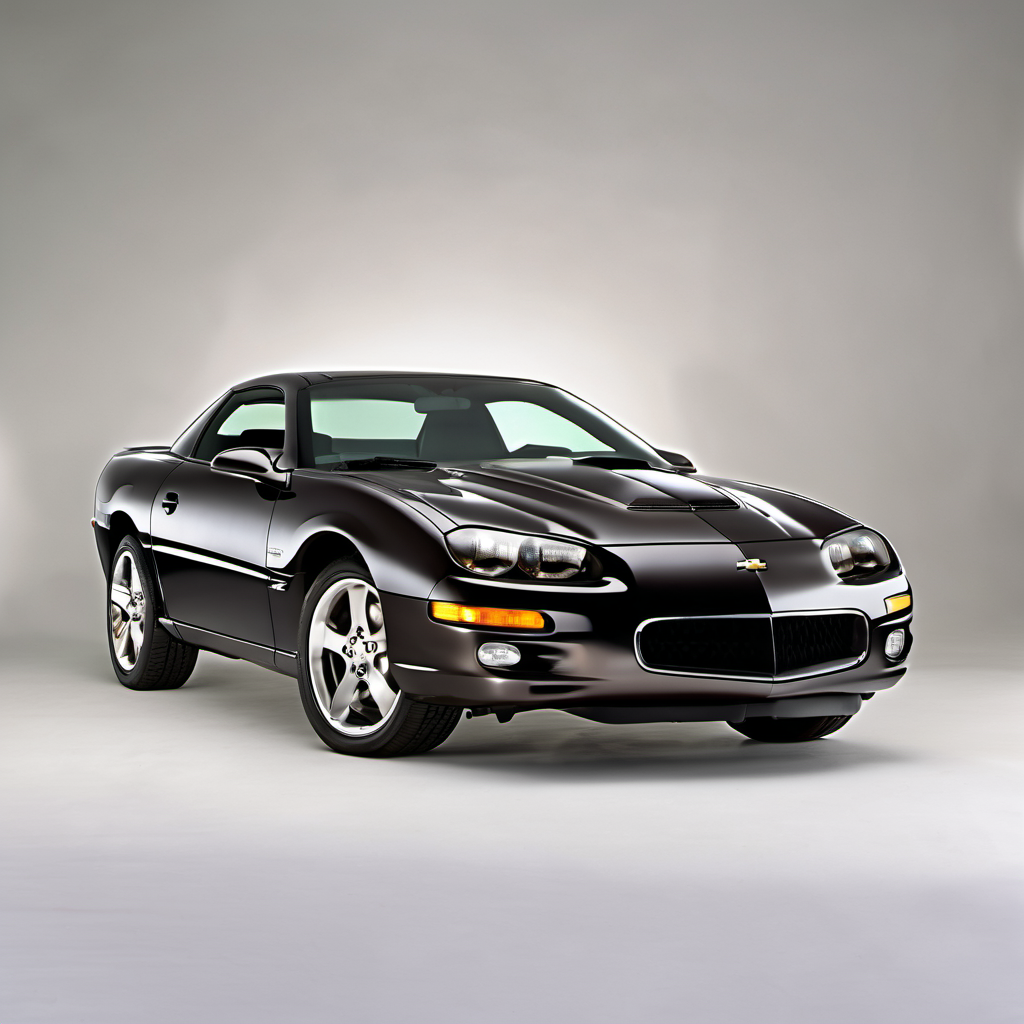
Shares the LS1 engine with the C5 Corvette, RWD, and costs significantly less to buy and insure. Less exotic but a practical alternative if budget is the primary driver.