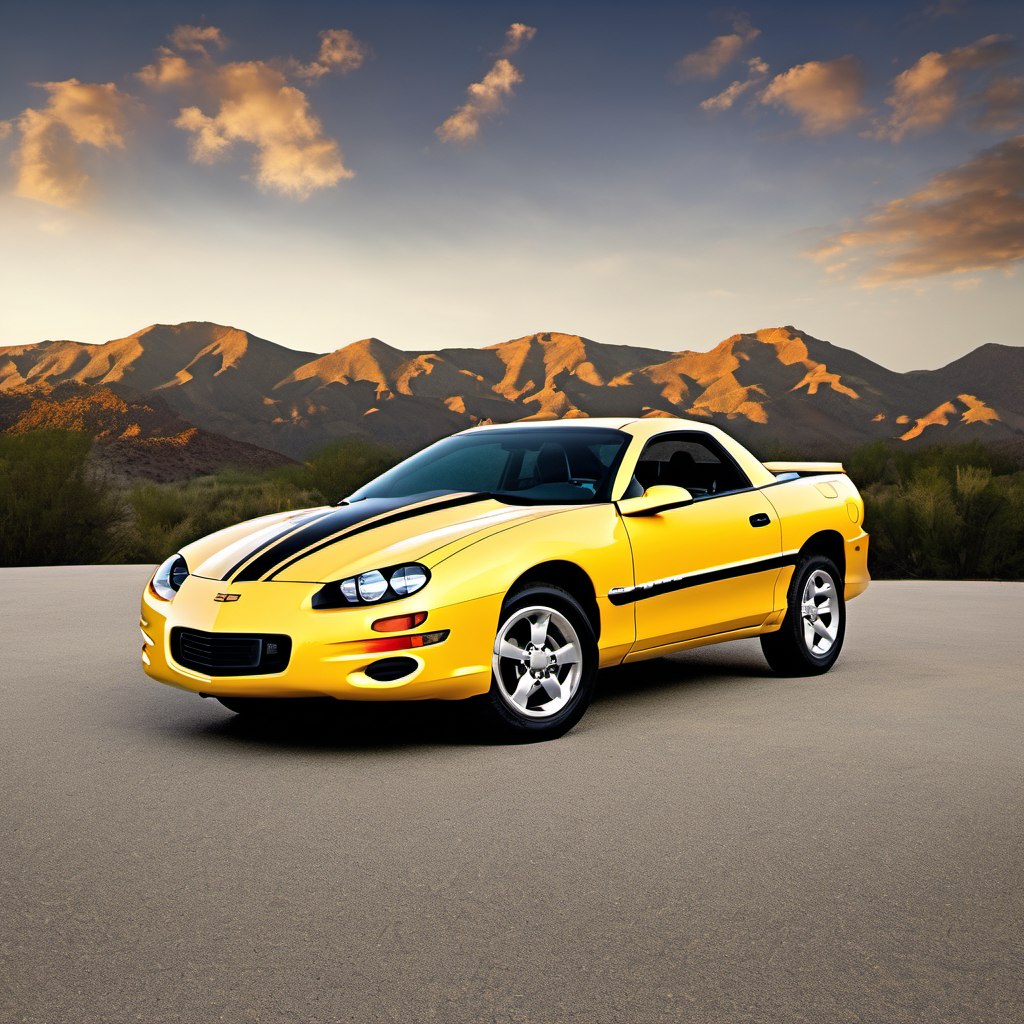
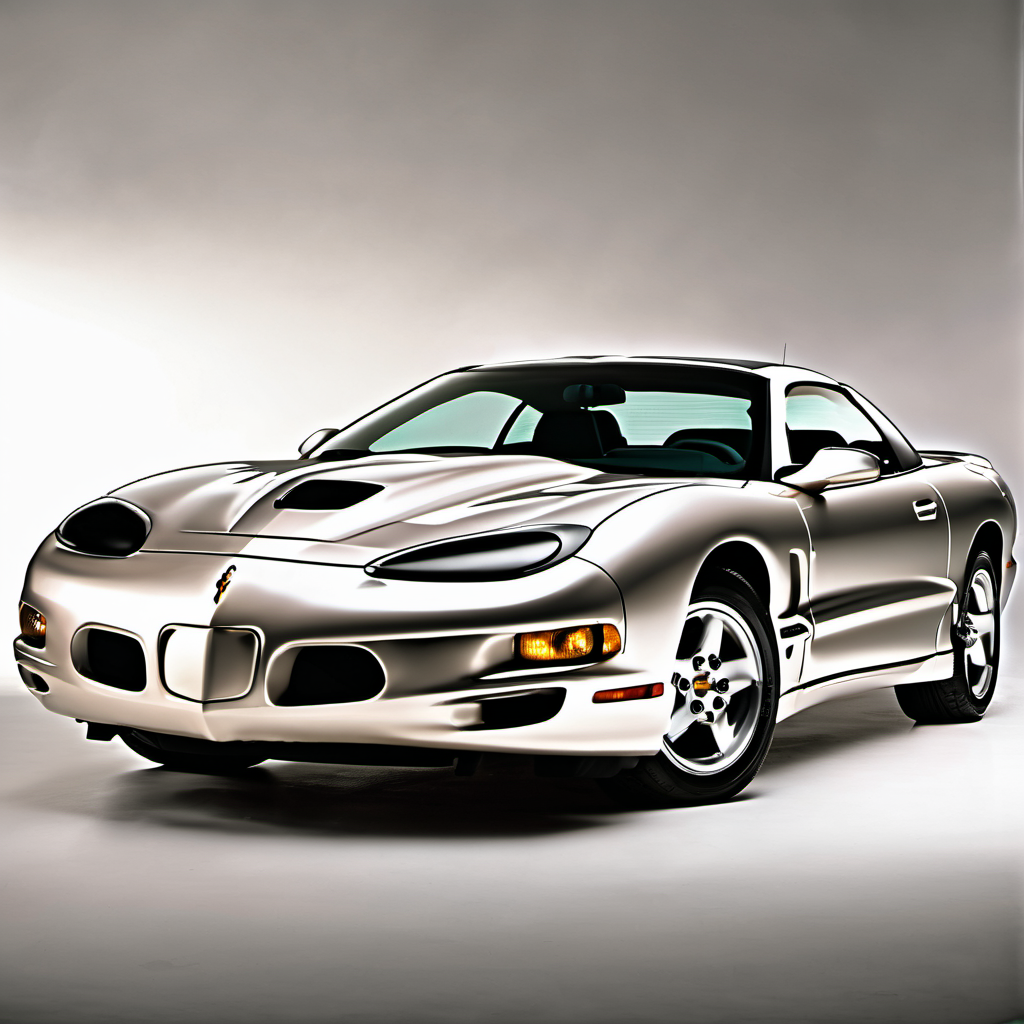
2000 Chevrolet Camaro Coupe

2000 Chevrolet

CamaroCoupe

Coupe

The 2000 Chevrolet Camaro is a fourth-generation (1993–2002) pony car built on GM's F-body platform. This is the last stretch of an era — by 2000 the Camaro had matured into a reasonably sorted sports coupe with a proven powertrain lineup. The base 3.8L V6 delivers adequate performance for daily driving while the optional LS1 V8 is a legitimate performance engine. Both versions share the same rear-wheel-drive, sport-tuned platform. The fourth-gen Camaro earned a solid reputation for straight-line performance value, but it came with a few well-known trade-offs: a cramped rear seat, poor outward visibility, and a hatchback/cargo area that's more useful than it looks. Build quality is acceptable for the era but not exceptional — door gaps, interior plastics, and weather sealing were all criticized at the time. With the model discontinued after 2002, parts availability is now a mixed picture. Powertrain and suspension components are generally still available, but some interior trim and body pieces are increasingly sourced from the used market. A well-maintained V6 example can be a reliable daily driver; a neglected one can become a money pit.

Reliability
3/5
Verified data
Specs shown for Camaro — the most common configuration. Other trims may vary in engine, drivetrain, or fuel economy. Sign in to see your vehicle's exact specs.
Engine
[object Object]
Drivetrain
RWD
Fuel
Gasoline
MPG
17 city / 26 hwy / 20 combined
Seats
Doors
Body
Subcompact Cars

Overview

AI-curated

The 2000 Chevrolet Camaro is a fourth-generation (1993–2002) pony car built on GM's F-body platform. This is the last stretch of an era — by 2000 the Camaro had matured into a reasonably sorted sports coupe with a proven powertrain lineup. The base 3.8L V6 delivers adequate performance for daily driving while the optional LS1 V8 is a legitimate performance engine. Both versions share the same rear-wheel-drive, sport-tuned platform. The fourth-gen Camaro earned a solid reputation for straight-line performance value, but it came with a few well-known trade-offs: a cramped rear seat, poor outward visibility, and a hatchback/cargo area that's more useful than it looks. Build quality is acceptable for the era but not exceptional — door gaps, interior plastics, and weather sealing were all criticized at the time. With the model discontinued after 2002, parts availability is now a mixed picture. Powertrain and suspension components are generally still available, but some interior trim and body pieces are increasingly sourced from the used market. A well-maintained V6 example can be a reliable daily driver; a neglected one can become a money pit.

Known for
  • Strong performance value — especially the V8 SS trim
  • Proven 3800 Series II V6 engine with good long-term reliability
  • Iconic F-body styling with a large, sloping hatchback
  • RWD platform favored by enthusiasts for handling and modification
Best for
  • Enthusiasts who want a classic American pony car experience
  • Budget-conscious performance buyers comfortable with older technology
  • Weekend/fair-weather drivers who garage the car in winter
Watch for
  • Rust on floorpans, rockers, and rear hatch area — critical in Wisconsin salt environments
  • T-top or hatch weather seal leaks leading to wet carpet and floorpan rot
  • Neglected cooling systems on high-mileage examples
  • Worn or cracked intake manifold gaskets on the 3.8L V6

Common issues by mileage

6 known

Intake Manifold Gasket Failure (Lower)

high
Typically appears
60–120k mi
Estimated repair
$400 – $750

Oxygen Sensor Failure / Heater Circuit

medium
Typically appears
80–130k mi
Estimated repair
$150 – $350

Weather Seal / T-Top Seal Leaks

high
Typically appears
Any mileage on aging cars
Estimated repair
$100 – $500

Floorpan and Rocker Panel Rust

high
Typically appears
Any — age/climate dependent
Estimated repair
$500 – $3,000

Cooling System Degradation (Water Pump, Thermostat, Hoses)

medium
Typically appears
100–150k mi
Estimated repair
$200 – $600

Maintenance schedule

  1. 1
    Every 5,000 miles or 6 months Engine oil and filter change

    The 3800 V6 is oil-sensitive — extended drain intervals accelerate sludge buildup and accelerate intake gasket failure. Use a quality 5W-30.

  2. 2
    Every 2 years / 30,000 miles Coolant flush and system inspection

    Dex-Cool degrades and becomes acidic over time, attacking the lower intake manifold gaskets. This is the single most important preventive step on the 3.8L.

  3. 3
    Every 30,000 miles Spark plugs and wires

    Worn plugs and cracked wires cause misfires and rough cold starts — especially noticeable in Wisconsin winters.

  4. 4
    Every 2–3 years Brake fluid flush

    Moisture absorption in the brake fluid lowers boiling point and can cause ABS module corrosion — a real issue on salt-exposed F-bodies.

  5. 5
    Every fall before winter storage Inspect and lubricate weather seals

    Aging seals crack and allow water intrusion, leading to wet carpet and eventual floorpan rust. A cheap tube of seal conditioner saves hundreds in bodywork.

  6. 6
    Every spring, after winter salt exposure Inspect underbody for rust — rockers, subframe, floor

    F-bodies rust aggressively in Wisconsin conditions. Catching surface rust before it penetrates structural areas is critical to preserving the car's safety and value.

  7. 7
    Every 60,000 miles or at signs of wear Serpentine belt and tensioner inspection

    A failed belt leaves you stranded and can damage the power steering and alternator. Tensioners wear out on high-mileage 3800s.

  8. 8
    Every 6,000–7,500 miles Tire rotation and brake inspection

    RWD cars wear tires unevenly in spirited use. Rear brakes take extra abuse under performance driving — keep an eye on pad thickness and rotor condition.

Always defer to the manufacturer's service manual for warranty-mandated intervals.

Cost of ownership

Annual maintenance
$600 – $1,400
Fuel
At 20 MPG combined and ~12,000 miles/year, expect roughly $1,800–$2,200/year at current Midwest gas prices.
Insurance
Typically moderate for a 25-year-old sports coupe — classified as a collector/performance vehicle by many insurers. Shop around; rates vary significantly based on driver age and usage.

A healthy, well-maintained V6 Camaro is a reasonably affordable car to run. The danger zone is deferred maintenance — the intake manifold gasket job, cooling system work, and any rust remediation can stack up quickly on a neglected example. Budget extra if purchasing a car with unknown service history.
Seasonal care

Lake Geneva, WI
Winter
  • Test and replace the battery if it's over 3–4 years old before temperatures drop. Cold cranking a 3.8L at -10°F with a weak battery is a losing proposition.
  • Switch to a full-synthetic 5W-30 oil if not already using one — it flows far better at sub-zero temps and reduces startup wear.
  • Inspect and top off washer fluid with a -25°F or lower rated formula. The low cowl design on the Camaro makes windshield spray critical in slushy conditions.
  • Consider winter storage if possible — the F-body's low clearance, RWD, and thin underbody rust protection make it a poor Wisconsin winter daily driver.
  • If driving in winter, rinse the underbody thoroughly after every salt exposure. Pay special attention to the rocker panels, rear wheel wells, and subframe mounting points.
  • Check that heat and defrost systems are fully functional before the season — the rear defroster grid on the hatchback glass is prone to damage and is expensive to repair.
Summer
  • Monitor coolant temperature closely — the 3.8L can run hot in stop-and-go traffic if the cooling system isn't in top shape.
  • Check tire pressure monthly; summer heat raises pressure by several PSI and performance tires on the F-body are already at higher baseline pressures.
  • Inspect the A/C system refrigerant level and cabin filter condition — the Camaro's cabin heats up quickly due to its large glass surfaces and dark interior options.
  • Park in shade or use a windshield sunshade to protect the dashboard plastics, which are prone to cracking and fading on 4th-gen F-bodies.

Comparable vehicles

If you're shopping for one

Red flags
  • Any rust through on floorpans, rockers, or the rear frame rails — structural repair costs can exceed the car's value.
  • Milky oil or a sweet coolant smell from the exhaust — intake gasket failure in progress.
  • Evidence of flood damage (mud in crevices, new carpet on an old car, musty smell that won't clear).
  • Check engine light that the seller can't explain or clears right before showing the car.
  • Mismatched paint panels or poorly fitting body gaps indicating prior collision repair.
  • Non-functional ABS, airbag, or check engine lights that stay on — budget diagnostic and repair costs into your offer.
What to inspect
  • Floorpans and rocker panels for rust — lift the carpet and check under the driver and passenger feet; probe rockers with a screwdriver if needed.
  • T-top or hatch seals for cracking and water intrusion — look for stained carpet, musty smell, or rust staining on the floors.
  • Coolant condition and color — orange Dex-Cool that looks brown or rusty signals a neglected cooling system and possible intake gasket issues.
  • Oil fill cap and dipstick for milky residue — a sign of coolant mixing with oil, often from the lower intake gasket.
  • Rear axle and differential for leaks or whine under load — common on high-mileage rear axles.
  • ABS light status and brake feel — chassis codes C0060–C0080 in the DTC index point to wheel speed sensor and ABS circuit faults common on aged F-bodies.
AI profile generated 1 day ago · claude-sonnet-4-6 · v2.