Intake Manifold Gasket Failure (Coolant Leak)
high- Typically appears
- 80–150k mi
- Estimated repair
- $350 – $650
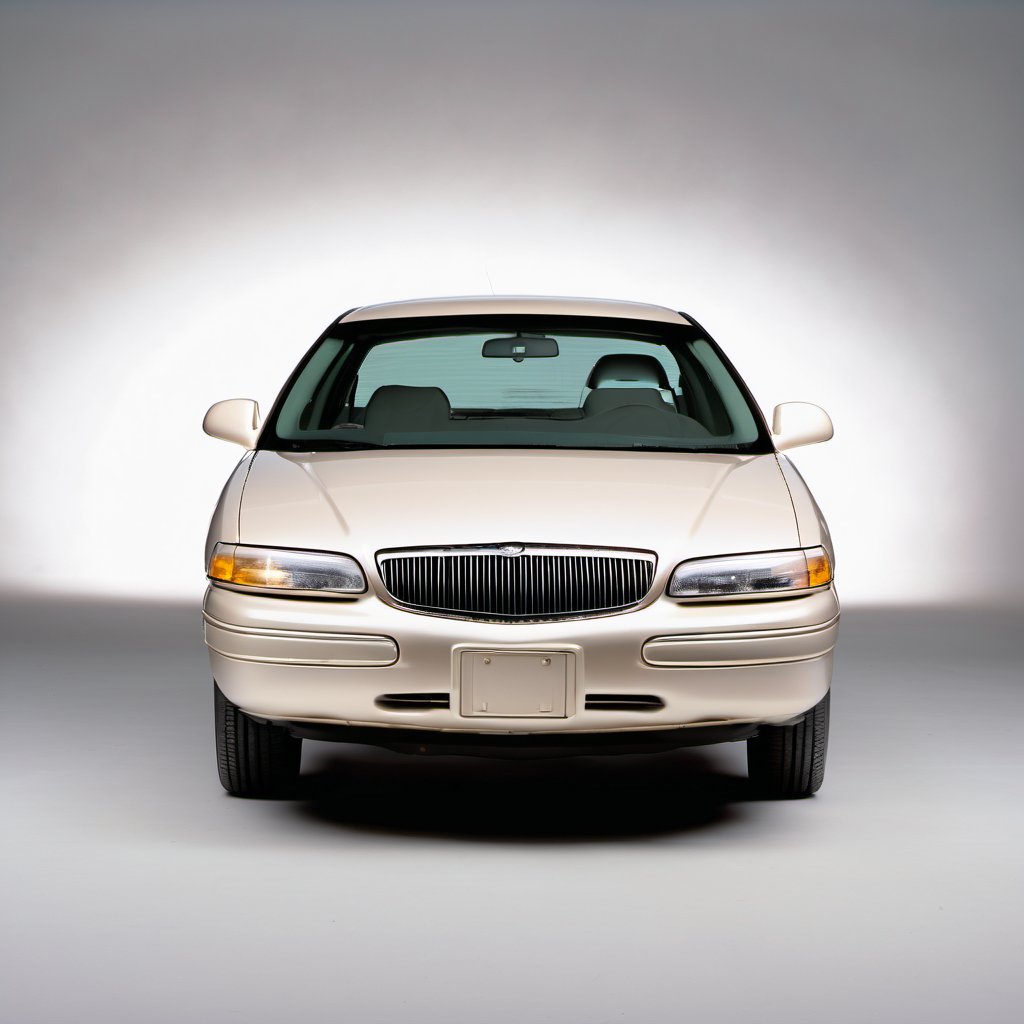
1999 Buick
Sedan
The 1999 Buick Regal is a front-wheel-drive mid-size sedan built on GM's W-body platform, shared with the Pontiac Grand Prix and Oldsmobile Intrigue. It was positioned as an affordable near-luxury cruiser — comfortable, quiet, and reasonably well-equipped for its era. The GS trim added a supercharged version of the 3800 V6, but the base GLS relied on the naturally aspirated Series II 3800, one of the most durable pushrod V6 engines GM ever built. By 1999 the Regal had matured into a solid, if unremarkable, daily driver. Ride quality and highway manners were a strong point, and the 3800 engine's longevity gave many examples a long service life well past 150,000 miles. Interior materials were acceptable for the price, though not the plushest in the segment. At 25+ years old, these cars are now firmly in budget-used territory. Rust is the dominant concern in Wisconsin — inspect every inch of the floor, frame rails, and subframe mounts. Mechanically the 3800 engine is forgiving, but intake manifold gaskets, cooling systems, and aging rubber components demand attention at this mileage and age.
The 1999 Buick Regal is a front-wheel-drive mid-size sedan built on GM's W-body platform, shared with the Pontiac Grand Prix and Oldsmobile Intrigue. It was positioned as an affordable near-luxury cruiser — comfortable, quiet, and reasonably well-equipped for its era. The GS trim added a supercharged version of the 3800 V6, but the base GLS relied on the naturally aspirated Series II 3800, one of the most durable pushrod V6 engines GM ever built. By 1999 the Regal had matured into a solid, if unremarkable, daily driver. Ride quality and highway manners were a strong point, and the 3800 engine's longevity gave many examples a long service life well past 150,000 miles. Interior materials were acceptable for the price, though not the plushest in the segment. At 25+ years old, these cars are now firmly in budget-used territory. Rust is the dominant concern in Wisconsin — inspect every inch of the floor, frame rails, and subframe mounts. Mechanically the 3800 engine is forgiving, but intake manifold gaskets, cooling systems, and aging rubber components demand attention at this mileage and age.
The 3800's plastic intake manifold crossover and gaskets are notorious for slow coolant leaks. Fresh coolant and an annual pressure test can catch failures before they cause overheating damage.
This is the single most common failure on the 3800 Series II. External seeping on the driver-side rear of the intake is the tell. Don't wait until it's actively leaking into the oil.
High-pressure power steering hoses become brittle with age. A slow leak left unchecked will drain the reservoir and damage the pump. Check the lines while the engine is cold.
A broken belt on the 3800 kills power steering, charging, and cooling simultaneously. Tensioners often weaken before the belt shows visible wear.
The 3800 runs fine for a long time on worn plugs, but misfires under cold Wisconsin starts are harder on the catalytic converter than on the engine. Fresh plugs and wires prevent winter no-start headaches.
Salt corrosion accelerates link and bushing wear. These are inexpensive parts and quick to replace; ignoring them transfers stress to the struts.
The 4T65-E automatic is durable when kept in fresh fluid, but shudder and harsh shifts develop quickly in degraded fluid. Dexron VI is backward-compatible and a meaningful upgrade over older spec fluid.
At 25+ years old, floor pan and subframe corrosion can reach structural limits. Annual inspection and fresh undercoat on exposed metal dramatically extends the car's safe service life in Wisconsin.
Always defer to the manufacturer's service manual for warranty-mandated intervals.
This is a genuinely low-cost car to own if the rust situation is acceptable and the cooling system has been serviced. Parts are cheap and widely available. The biggest wildcard is deferred maintenance — an intake manifold gasket job or transmission service that's been skipped can easily cost more than the car's market value if it snowballs.
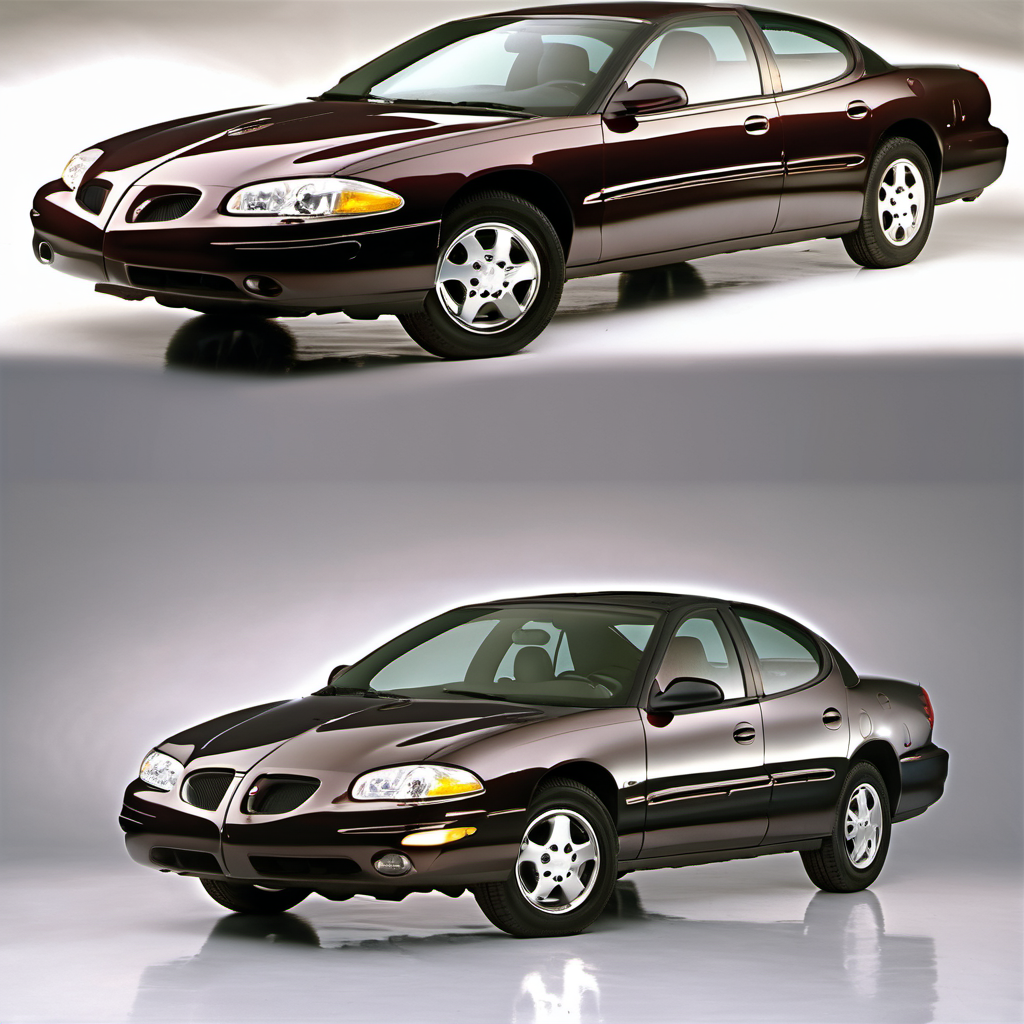
Same GM W-body platform, same 3800 engine, nearly identical ownership experience. Parts are fully interchangeable on many components. The GTP trim offered the supercharged 3800.
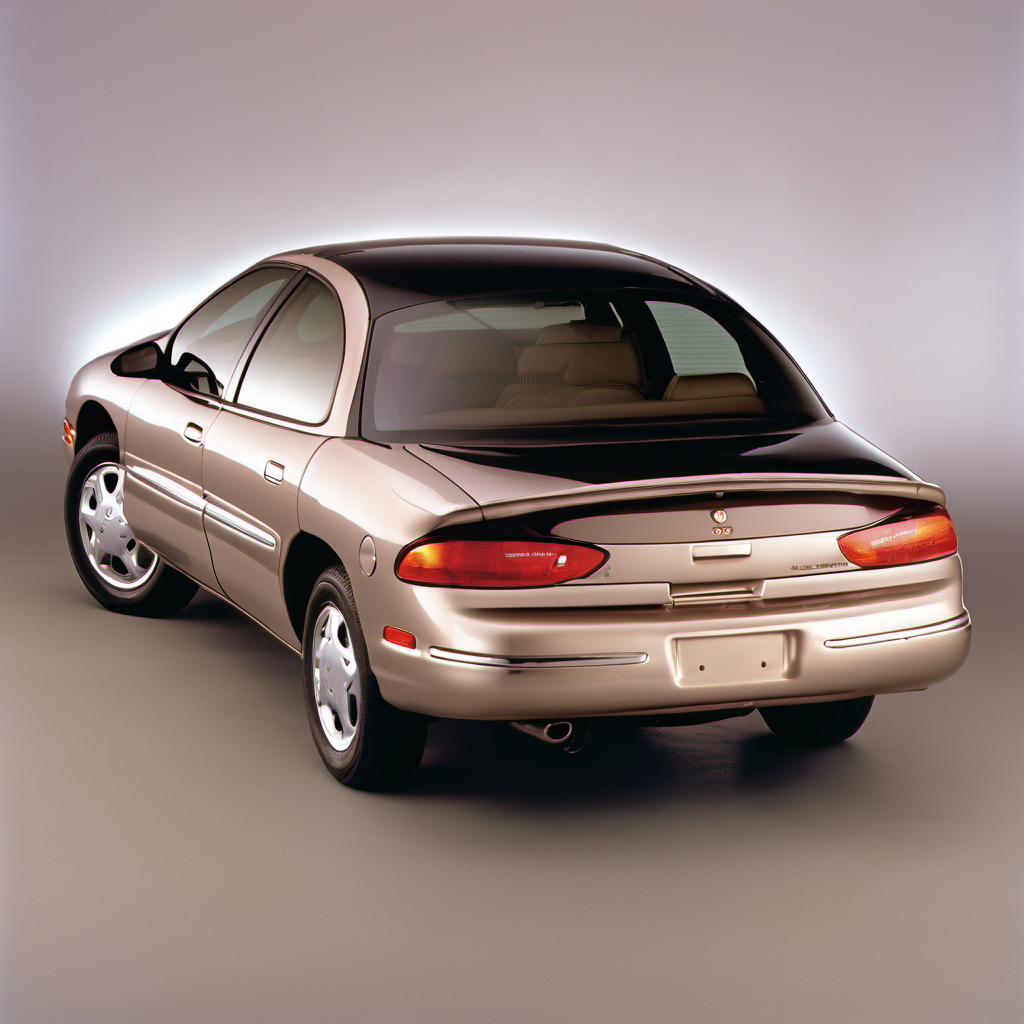
Also W-body, same era, similar comfort-oriented mission. Uses the 3500 V6 instead of the 3800, which has a shakier reliability reputation — the Regal has the edge mechanically.
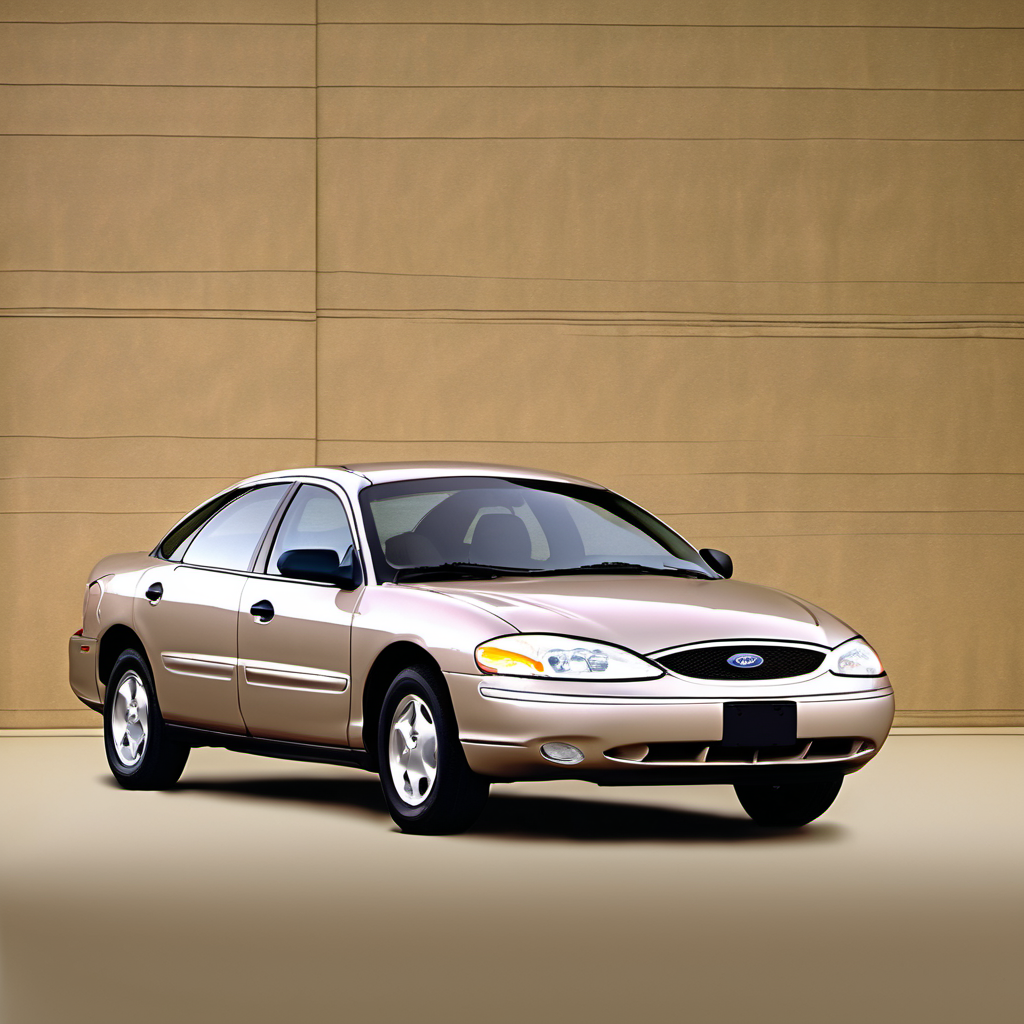
Direct segment competitor at the same price point. The Vulcan V6 is durable but the Duratec had head gasket concerns in this era. The 3800 Regal generally wins on long-term engine reliability.
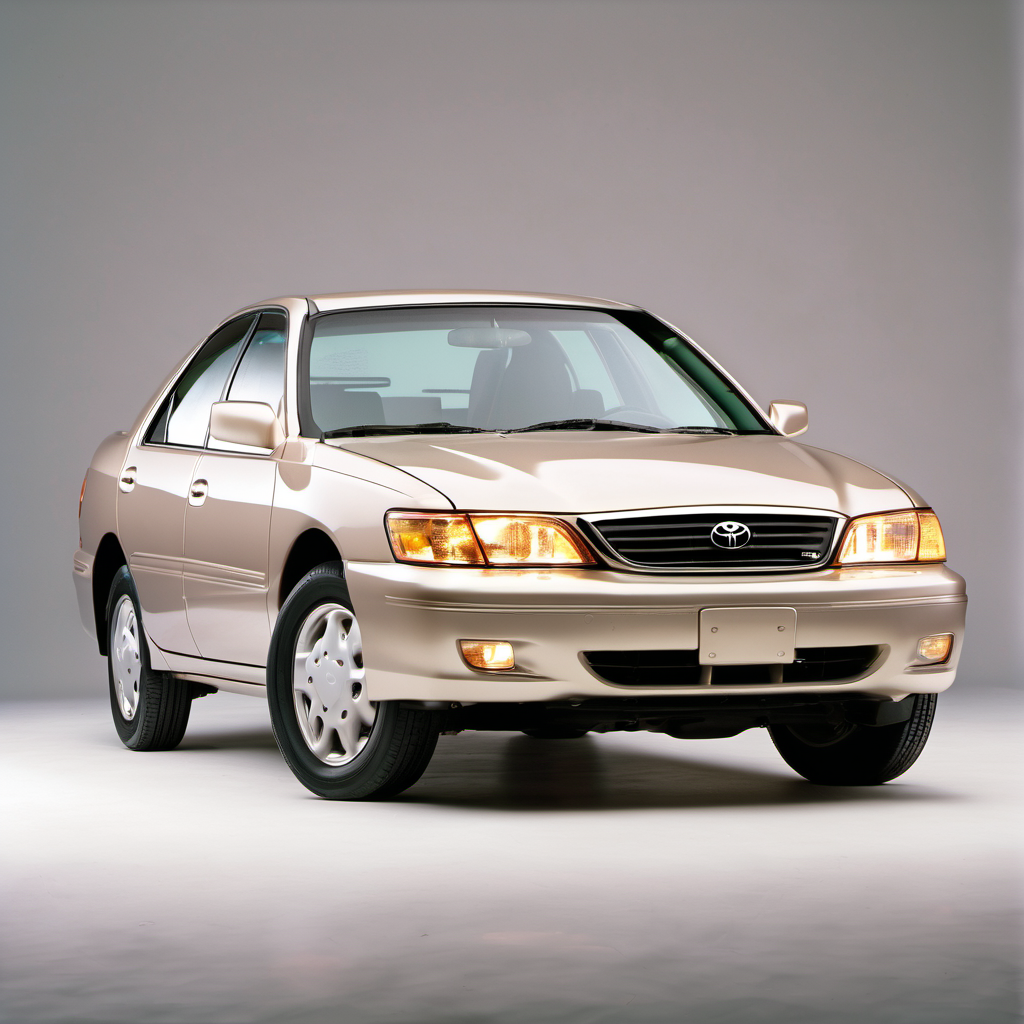
Higher resale and arguably better long-term rust resistance, but significantly more expensive to buy used at equivalent mileage. The 1MZ-FE V6 is a strong competitor to the 3800 for longevity.