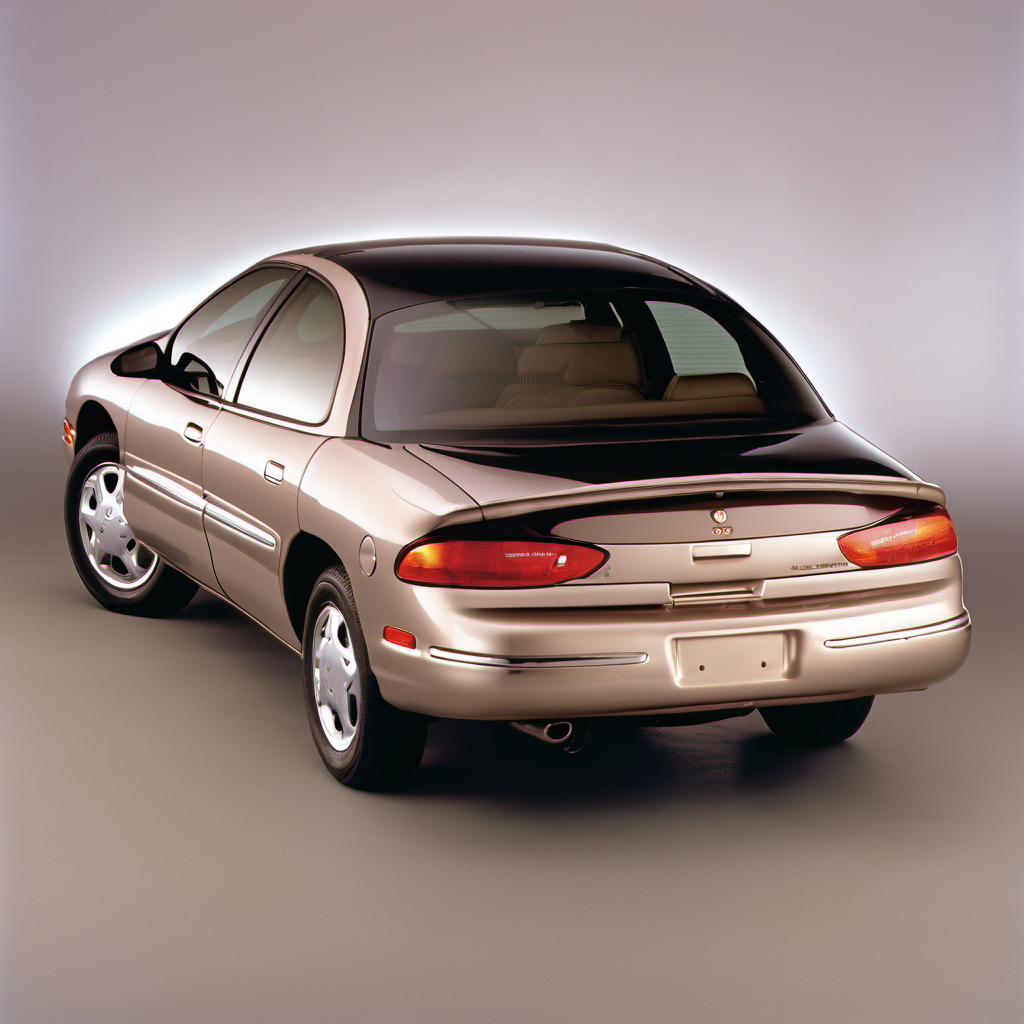
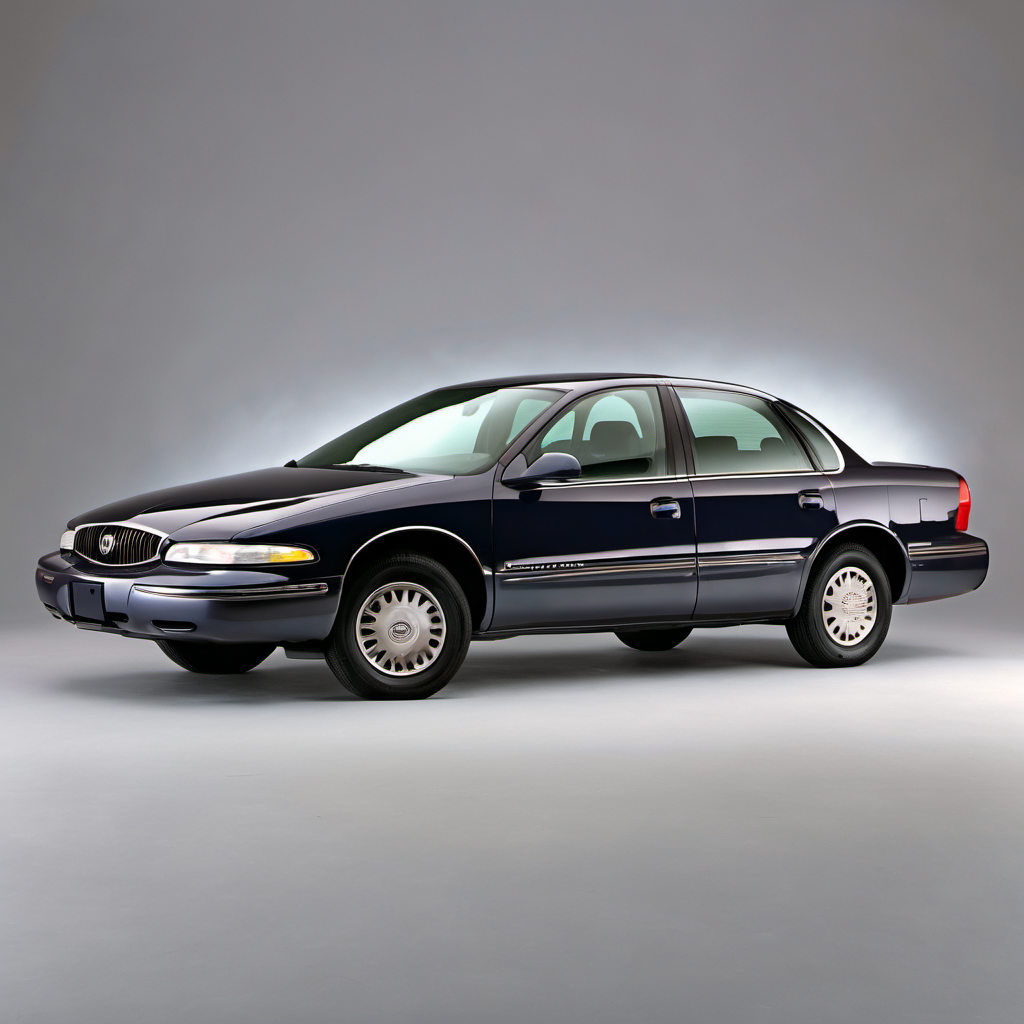
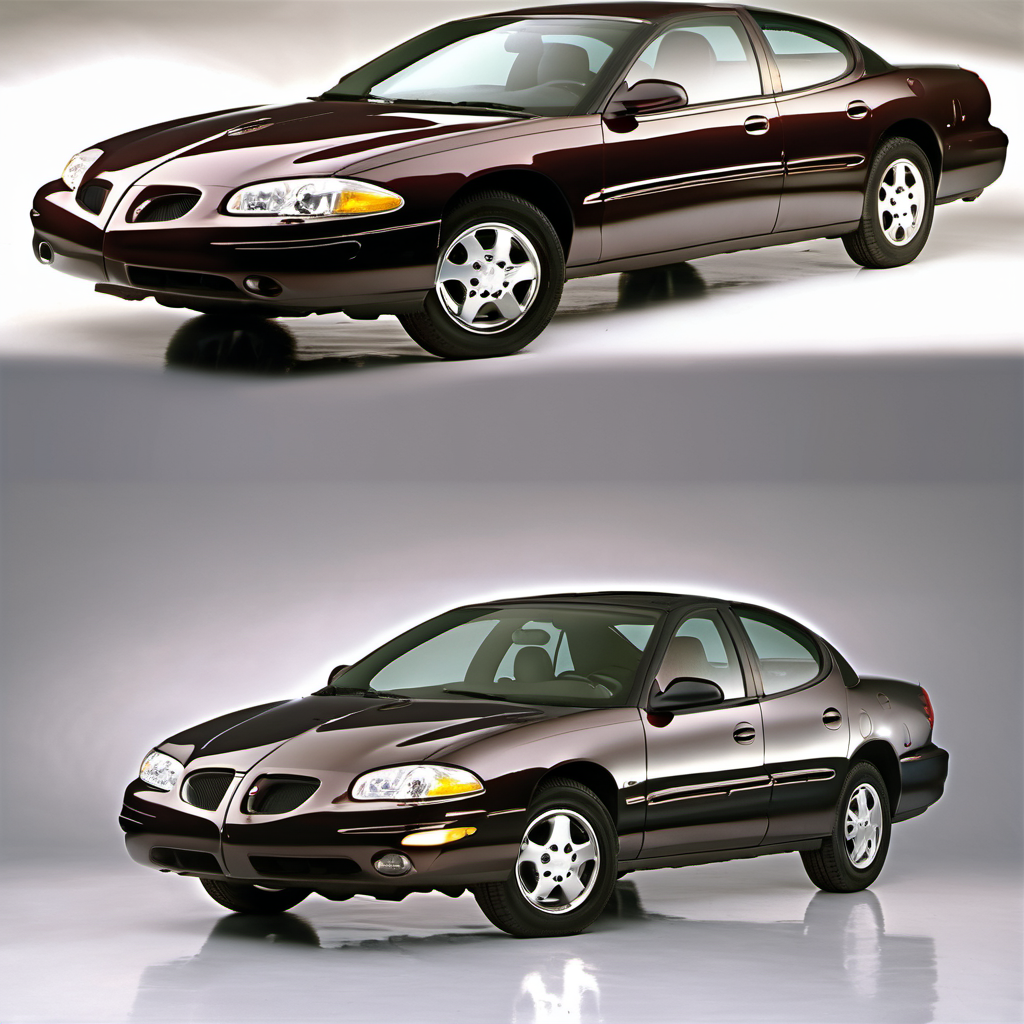
1999 Oldsmobile Intrigue Sedan

1999 Oldsmobile

IntrigueSedan

Sedan

The 1999 Oldsmobile Intrigue is a front-wheel-drive midsize sedan that replaced the Cutlass Supreme in GM's lineup. It was positioned as Oldsmobile's more refined, European-influenced offering — longer, lower, and better-handling than most domestic competitors of the era. Power came standard from a 3.5L DOHC V6 (shared with the Aurora), which was one of the more technically ambitious engines GM produced in the late '90s. The Intrigue earned respectable reviews for its ride quality, interior comfort, and handling balance, but it shared the fate of the Oldsmobile brand itself — discontinued in 2002. Parts availability has thinned considerably, and independent shops now handle the bulk of service since no Oldsmobile dealers remain. For a buyer today, the Intrigue is a period curiosity at best. Values are low, but so is the parts supply for anything beyond basic consumables. Budget generously for the unexpected.

Reliability
2/5
Verified data
Specs shown for Intrigue — the most common configuration. Other trims may vary in engine, drivetrain, or fuel economy. Sign in to see your vehicle's exact specs.
Engine
[object Object]
Drivetrain
FWD
Fuel
Gasoline
MPG
17 city / 25 hwy / 19 combined
Seats
Doors
Body
Midsize Cars

Overview

AI-curated

The 1999 Oldsmobile Intrigue is a front-wheel-drive midsize sedan that replaced the Cutlass Supreme in GM's lineup. It was positioned as Oldsmobile's more refined, European-influenced offering — longer, lower, and better-handling than most domestic competitors of the era. Power came standard from a 3.5L DOHC V6 (shared with the Aurora), which was one of the more technically ambitious engines GM produced in the late '90s. The Intrigue earned respectable reviews for its ride quality, interior comfort, and handling balance, but it shared the fate of the Oldsmobile brand itself — discontinued in 2002. Parts availability has thinned considerably, and independent shops now handle the bulk of service since no Oldsmobile dealers remain. For a buyer today, the Intrigue is a period curiosity at best. Values are low, but so is the parts supply for anything beyond basic consumables. Budget generously for the unexpected.

Known for
  • Smooth, refined 3.5L DOHC V6 engine shared with the Aurora
  • Comfortable, quiet highway ride for its class
  • European-influenced handling and suspension tuning
  • Attractive late-'90s styling that aged reasonably well
Best for
  • Collectors or enthusiasts of late Oldsmobile-era GM vehicles
  • Budget sedan buyers who are comfortable with DIY or shop-savvy maintenance
  • Low-mileage, well-kept examples as a secondary vehicle
Watch for
  • Oldsmobile is defunct — dealer support is zero, and specialty parts can be scarce
  • The 3.5L V6 has known intake manifold and cooling system issues
  • Rust is a major concern on any Wisconsin-area example given its age
  • Electrical gremlins from aging wiring harnesses and connectors are common at this mileage
  • Transmission (4T65-E) wear is a real concern on high-mileage units

Common issues by mileage

6 known

Intake Manifold Gasket Failure / Coolant Leaks

high
Typically appears
80–130k mi
Estimated repair
$400 – $900

4T65-E Automatic Transmission Wear (Slipping, Shudder)

medium
Typically appears
100–150k mi
Estimated repair
$1,200 – $3,200

Oxygen Sensor / HO2S Heater Circuit Faults

medium
Typically appears
80–120k mi
Estimated repair
$150 – $400

Body Rust — Rocker Panels, Wheel Wells, Subframe

high
Typically appears
All mileages on salt-belt examples
Estimated repair
$500 – $3,500

Maintenance schedule

  1. 1
    Every 5,000 miles or 6 months Engine oil and filter change

    The 3.5L DOHC V6 has tighter oil passages feeding the valve timing system. Dirty or low oil accelerates timing component wear and can trigger cam position codes. Don't stretch intervals on this engine.

  2. 2
    Every 30,000 miles or 3 years Coolant flush and inspection of hoses/water pump

    Aging cooling systems on these vehicles are prone to slow leaks at the intake manifold gaskets and overflow tank. Dex-Cool compatibility must be maintained — mixing coolant types causes sludge.

  3. 3
    Every 30,000 miles Transmission fluid and filter service (4T65-E)

    GM often listed longer intervals, but real-world experience shows the 4T65-E benefits from more frequent fluid changes, especially in city driving. Dark, burnt-smelling fluid is a warning sign.

  4. 4
    Every 60,000 miles Spark plugs and ignition wires

    Original platinum plugs and insulation on wires degrade with age. Misfires stress catalytic converters and can push oxygen sensor fault codes.

  5. 5
    Every 2–3 years Brake fluid flush

    Hygroscopic brake fluid absorbs moisture over time, lowering boiling point and corroding ABS system internals. Critical for Wisconsin winter driving safety.

  6. 6
    Every 15,000 miles or annually Inspect and lubricate chassis — ball joints, tie rod ends, CV axle boots

    Road salt destroys lubrication and accelerates joint wear. Cracked CV boots allow grease loss and grit intrusion, leading to axle replacement.

  7. 7
    Every fall, before winter Battery load test

    A battery more than 4 years old may pass a basic voltage test but fail under the load of cold cranking a 3.5L V6 at sub-zero temps. Load-test it every October.

  8. 8
    Annually — especially after first winter on a newly purchased example Inspect underbody and subframe for rust

    25-year-old Wisconsin-driven vehicles are at serious risk of subframe, rocker panel, and brake line corrosion. Catch it early before structural integrity is compromised.

Always defer to the manufacturer's service manual for warranty-mandated intervals.

Cost of ownership

Annual maintenance
$800 – $2,200
Fuel
At 19 MPG combined and Wisconsin gas prices, expect roughly $1,800–$2,400/year for average driving (~12,000 mi). The 3.5L requires regular 87-octane unleaded.
Insurance
Insurance on a vehicle this age is typically low — liability-only coverage for a 1999 model is often under $500/year. Comprehensive may not be cost-effective given the vehicle's market value.

Purchase prices are very low (often $1,500–$4,000 for decent examples), but that savings can evaporate quickly if the cooling system, transmission, or underbody rust needs attention. Budget $1,000–$2,500 upfront for a thorough inspection and deferred maintenance catch-up on any example you buy. Annual running costs are moderate if the car is already in good shape, but parts sourcing adds labor time and cost compared to a current-production vehicle.
Seasonal care

Lake Geneva, WI
Winter
  • Load-test the battery every October — the 3.5L V6 is a hard cold-crank in sub-zero temperatures and a weak battery will leave you stranded
  • Switch to full-synthetic 5W-30 if not already used — it flows immediately at cold start and protects the DOHC valve train before oil pressure builds
  • Flush brake lines and inspect for corrosion; 25-year-old steel brake lines on a salt-belt car are a serious failure risk
  • Use a winter-rated washer fluid rated to at least -20°F — summer fluid freezes in the reservoir and nozzles at Wisconsin temps
  • Install winter wiper blades to prevent ice buildup on the blade frame from smearing the windshield
  • After winter, rinse the undercarriage thoroughly — road salt will accelerate any existing rust on this already-aged platform
Summer
  • Inspect the A/C system for refrigerant leaks and check compressor clutch engagement — these systems are 25+ years old and seals dry out
  • Check coolant concentration and top off to correct mix; summer heat combined with an aging cooling system raises the risk of overheating
  • Check tire pressure monthly — heat increases pressure and underinflation in summer accelerates wear on FWD front tires that already carry extra load
  • Inspect the serpentine belt and tensioner for cracking or glazing — heat accelerates belt deterioration and a snap leaves you without power steering, charging, and cooling

Comparable vehicles

If you're shopping for one

Red flags
  • Any active body codes (B0001–B0005) may indicate airbag system faults — walk away unless the repair history is fully documented
  • U-series network codes (U0100–U0104) on a cold scan suggest corroded connectors or failing modules — diagnosis can be time-consuming and parts are scarce
  • Rust perforation on rocker panels or subframe — structural rust at this age is rarely worth repairing given the car's market value
  • No maintenance records whatsoever — the 3.5L engine does not tolerate neglect, and a car with unknown history is a gamble
  • Evidence of overheating (stained overflow tank, warped or cracked reservoir cap, milky oil) — head gasket or intake manifold work on this engine is a significant cost relative to vehicle value
What to inspect
  • Crawl under the car and inspect the subframe, rocker panels, and rear wheel wells for rust through — this is the single biggest concern on any Wisconsin-area example
  • Pull the oil cap and look for white milky sludge indicating coolant intrusion from a failing intake manifold gasket
  • Check the coolant overflow tank for oil sheen or brown discoloration, another sign of internal coolant leak
  • Scan for DTCs before purchase — camshaft position and O2 sensor codes on a cold start point to deferred maintenance or deeper engine issues
  • Test drive at highway speed and feel for transmission shudder or delayed shifts — 4T65-E rebuilds are expensive relative to the car's value
  • Inspect all rubber: CV boots, hoses, brake lines, and strut boots — replacements are available but sourcing takes time
  • Check for brake line corrosion at the rear axle and underneath the car — this is a safety-critical item and common on salt-belt cars of this age
AI profile generated 51 min ago · claude-sonnet-4-6 · v2.