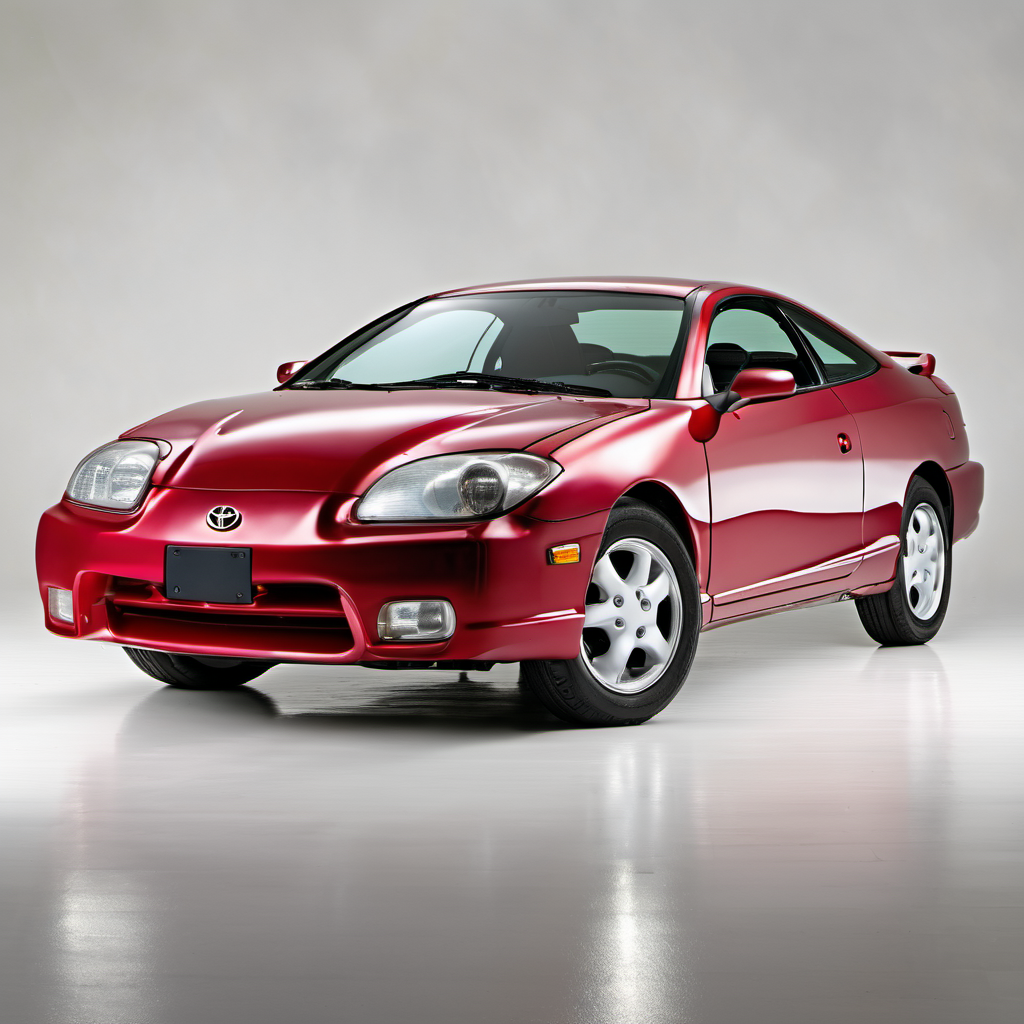
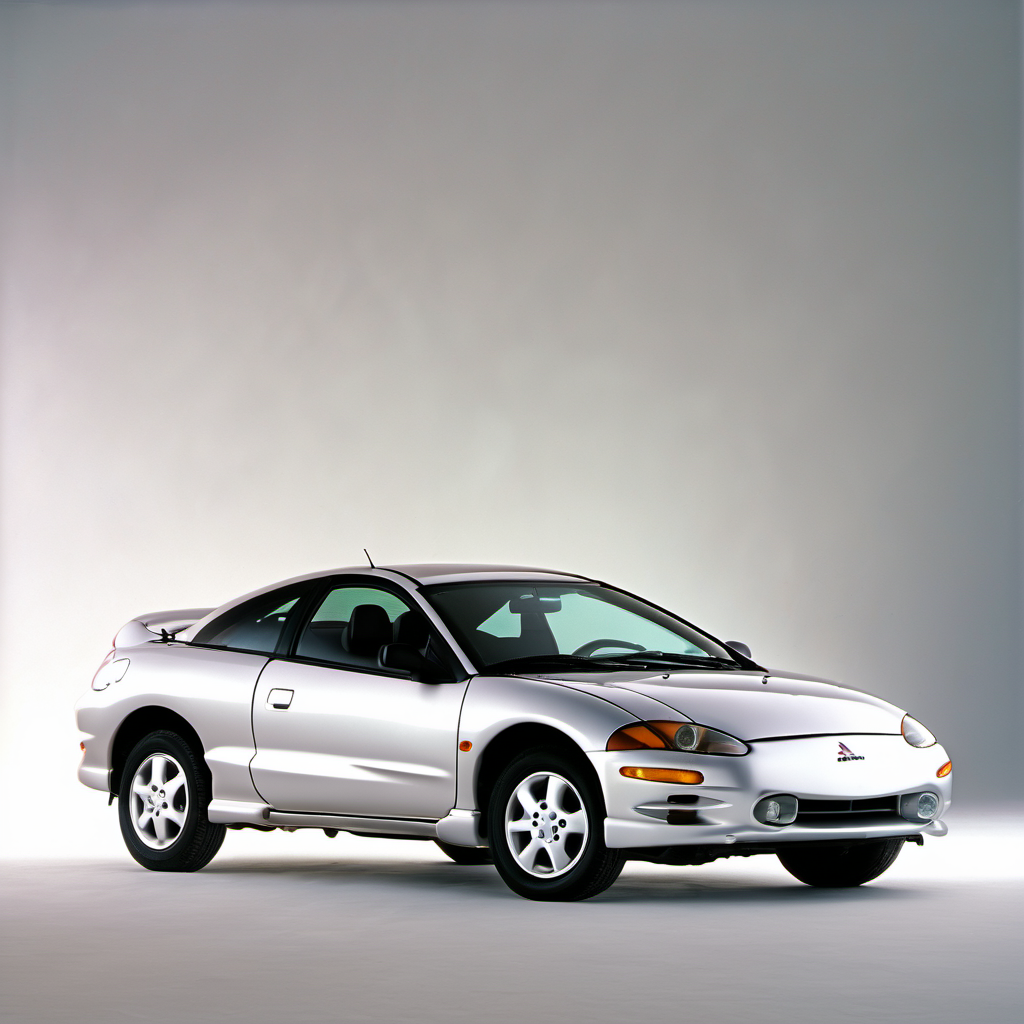
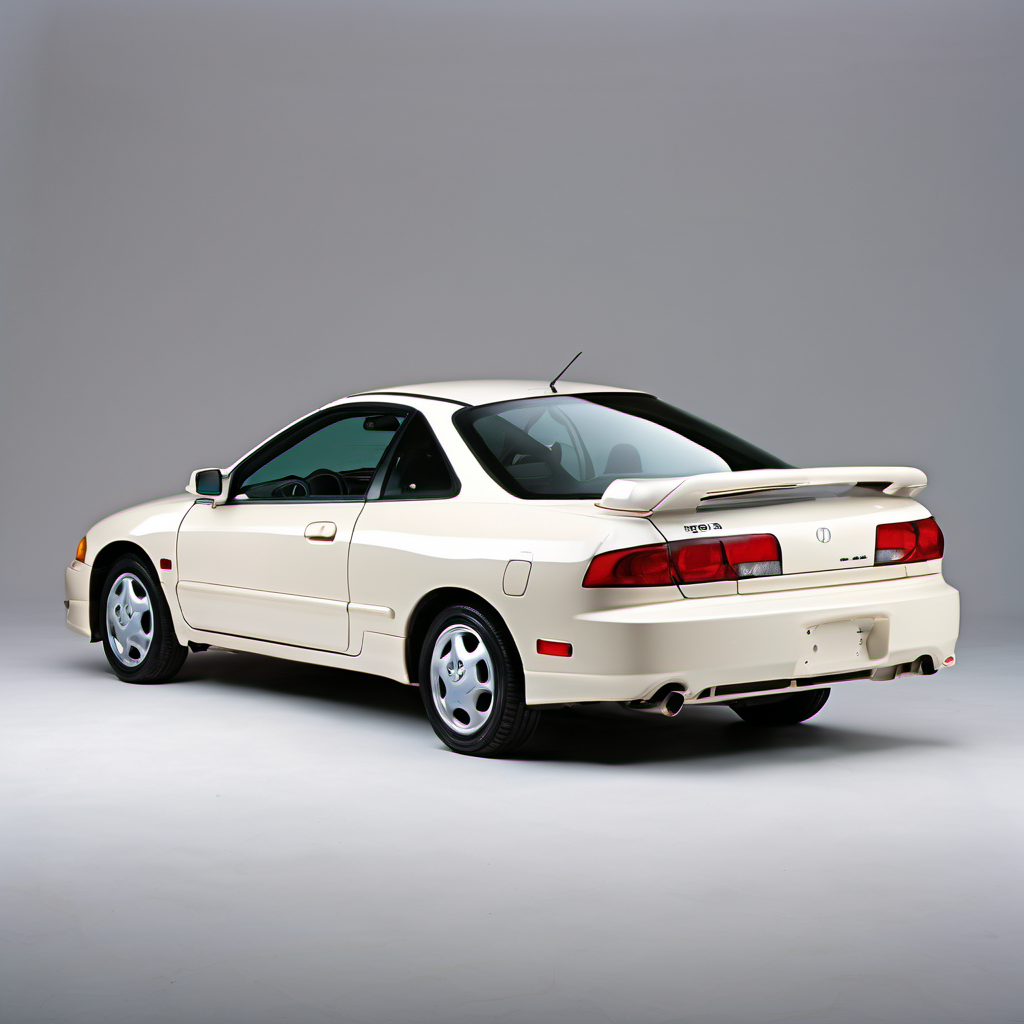
1998 Toyota Celica Coupe

1998 Toyota

CelicaCoupe

Coupe

The 1998 Toyota Celica is a fifth-year model of the sixth-generation (T200) platform, a front-wheel-drive sport coupe that earned a loyal following for its sharp styling, willing handling, and Toyota's trademark durability. Powered by the 5S-FE 2.2L four-cylinder, this generation prioritized everyday usability over outright performance — it's no GT-Four all-wheel-drive rocket, but it's a fun, reliable daily driver that holds up remarkably well for its age. At 25+ years old, examples on the road today are survivors. The ones that made it this far typically had attentive owners. Parts availability is reasonable for a vehicle of this age, and a strong Toyota enthusiast community keeps knowledge and components accessible. Budget-minded sport-coupe buyers looking for a weekend driver or an economical commuter still find these worth buying when a clean example surfaces. As with any late-'90s vehicle, age-related wear dominates the concern list more than model-specific defects. Rust is the single biggest variable in Wisconsin — inspect the undercarriage harder than the engine bay.

Reliability
4/5
Verified data
Specs shown for Celica Convertible — the most common configuration. Other trims may vary in engine, drivetrain, or fuel economy. Sign in to see your vehicle's exact specs.
Engine
[object Object]
Drivetrain
FWD
Fuel
Gasoline
MPG
20 city / 27 hwy / 23 combined
Seats
Doors
Body
Minicompact Cars

Overview

AI-curated

The 1998 Toyota Celica is a fifth-year model of the sixth-generation (T200) platform, a front-wheel-drive sport coupe that earned a loyal following for its sharp styling, willing handling, and Toyota's trademark durability. Powered by the 5S-FE 2.2L four-cylinder, this generation prioritized everyday usability over outright performance — it's no GT-Four all-wheel-drive rocket, but it's a fun, reliable daily driver that holds up remarkably well for its age. At 25+ years old, examples on the road today are survivors. The ones that made it this far typically had attentive owners. Parts availability is reasonable for a vehicle of this age, and a strong Toyota enthusiast community keeps knowledge and components accessible. Budget-minded sport-coupe buyers looking for a weekend driver or an economical commuter still find these worth buying when a clean example surfaces. As with any late-'90s vehicle, age-related wear dominates the concern list more than model-specific defects. Rust is the single biggest variable in Wisconsin — inspect the undercarriage harder than the engine bay.

Known for
  • Reliable 5S-FE engine with a long service life
  • Sporty, low-slung styling that still turns heads
  • Confident front-wheel-drive handling for a sport coupe
  • Strong Toyota parts and enthusiast support network
Best for
  • Budget-conscious sport-coupe enthusiasts
  • Drivers who want a fun daily driver with low operating costs
  • Toyota loyalists looking for an older project or weekend car
Watch for
  • Rust on undercarriage, rocker panels, and wheel wells — critical in Wisconsin
  • High-mileage timing belt neglect (interference engine — a missed belt can destroy the motor)
  • Aging rubber: coolant hoses, valve cover gasket, CV axle boots
  • Finding a rust-free, unmodified example is increasingly difficult

Common issues by mileage

6 known

Timing belt failure (interference engine)

high
Typically appears
60–200k+ mi
Estimated repair
$350 – $650

Valve cover gasket oil leak

high
Typically appears
80–150k mi
Estimated repair
$80 – $180

CV axle boot cracking / CV joint wear

high
Typically appears
80–150k mi
Estimated repair
$150 – $350

Coolant hose and radiator deterioration

high
Typically appears
100k+ mi / age-related
Estimated repair
$120 – $400

Undercarriage and rocker panel rust (Wisconsin-specific)

high
Typically appears
Any mileage on upper-Midwest examples
Estimated repair
$500 – $3,000

Maintenance schedule

  1. 1
    Every 60k miles or 5 years — whichever comes first. On a 1998 example, assume overdue unless you have paperwork. Timing belt and water pump replacement

    The 5S-FE is an interference engine. A snapped belt contacts pistons and destroys the engine. Always replace the water pump at the same time — it's cheap insurance given the labor overlap.

  2. 2
    Every 30k miles or 2 years Engine coolant flush

    Old coolant loses corrosion inhibitors and attacks the aluminum cylinder head. Wisconsin freeze cycles accelerate degradation — use the correct Toyota-spec coolant diluted for at least -34°F protection.

  3. 3
    Inspect at every oil change; replace when seepage appears (commonly 80–120k mi) Valve cover gasket inspection and replacement

    The original gasket hardens with age. Oil dripping onto hot exhaust components is a fire risk. Inexpensive job that's often deferred too long.

  4. 4
    Every 15k miles or annually CV axle boot inspection

    Torn boots pack with road grit and salt slurry in Wisconsin winters, rapidly destroying the joint. Catching a cracked boot early saves a full axle replacement.

  5. 5
    Every 30k miles Spark plugs and wires

    The 5S-FE runs conventional plugs. Fresh plugs and wires ensure reliable cold starts in Wisconsin sub-zero temps and maintain fuel efficiency.

  6. 6
    Every 2 years Brake fluid flush

    Brake fluid absorbs moisture over time, lowering its boiling point. On a vehicle this age, moisture-laden fluid is the norm unless recently serviced.

  7. 7
    Every fall before winter salt season Undercarriage rust inspection and treatment

    Road salt is the primary cause of premature death on upper-Midwest vehicles from this era. Inspect brake lines, fuel lines, and frame rails. Treat bare metal before corrosion penetrates.

  8. 8
    Every fall Battery load test

    A battery that starts the car fine in October may fail at -10°F in January. A 25-year-old vehicle likely still has the original grounds — clean and inspect ground straps while you're at it.

Always defer to the manufacturer's service manual for warranty-mandated intervals.

Cost of ownership

Annual maintenance
$400 – $900
Fuel
At 23 MPG combined and typical Wisconsin driving, expect roughly $1,500–$2,000/year at current gas prices depending on mileage.
Insurance
Typically low — older sport coupe with low market value. Liability-only coverage is common for vehicles in this price range; expect $400–$800/year for basic coverage depending on driver profile.

This is a low-cost vehicle to own when mechanically sound. The main budget surprises come from deferred maintenance — especially timing belt, cooling system, and rust remediation on Wisconsin examples. A pre-purchase inspection and catching up on overdue services upfront is cheaper than reactive repairs later.
Seasonal care

Lake Geneva, WI
Winter
  • Load-test the battery every fall — cold cranking amps drop sharply below 0°F and a weak battery will leave you stranded.
  • Confirm coolant freeze protection to at least -34°F; the 5S-FE aluminum head does not tolerate freeze damage.
  • Switch to a winter-rated washer fluid (good to -20°F or lower) — Lake Geneva winters will freeze standard fluid solid in the reservoir.
  • Install winter wiper blades; the stock blades ice up quickly and streak on frozen windshields.
  • Inspect and treat brake lines, fuel lines, and undercarriage with a rust inhibitor before first heavy salt application.
  • Check tire pressure weekly — tires lose roughly 1 PSI for every 10°F drop in temperature, affecting handling on this sport-tuned suspension.
Summer
  • Inspect the cooling system before summer heat — a marginal radiator or weak hose that holds through winter may fail under sustained summer load.
  • Check A/C refrigerant charge and inspect the condenser for road debris; the low front fascia makes the condenser vulnerable to blockage.
  • Monitor tire pressure — heat expands air and overinflation reduces the contact patch, which affects handling on this sport-focused platform.
  • Inspect the timing belt visually for cracking or glazing if it hasn't been replaced; heat cycles accelerate rubber degradation.

Comparable vehicles

If you're shopping for one

Red flags
  • Any rust perforation on rocker panels or frame rails — walk away
  • No timing belt records on a high-mileage example — the cost risk is enormous on an interference engine
  • Visible oil around the timing cover, which may indicate a leaking front crank seal behind the belt
  • Aftermarket engine modifications on a 25-year-old example — increases risk of deferred maintenance and unknown abuse
  • Overheating history or white smoke at startup — potential head gasket compromise on the aluminum head
  • Musty interior or stained carpet — indicates past water intrusion, which leads to floor rust and electrical gremlins
What to inspect
  • Undercarriage, rocker panels, and wheel well lips for rust perforation — this is the single most important check on a Wisconsin-area example
  • Timing belt service records — if no paperwork, budget for immediate replacement before driving
  • Valve cover for oil seepage and signs of head gasket weeping
  • CV axle boots for cracks or grease slung onto the suspension
  • Cooling system hoses for softness, cracking, or swelling
  • Brake and fuel line condition along the undercarriage — salt corrosion can cause hidden line failure
  • All original rubber seals around windows and the hatch for drying and cracking that leads to water intrusion
AI profile generated 12 days ago · claude-sonnet-4-6 · v2.