Timing Belt Failure
high- Typically appears
- 60–105k mi (and every 105k thereafter)
- Estimated repair
- $350 – $600
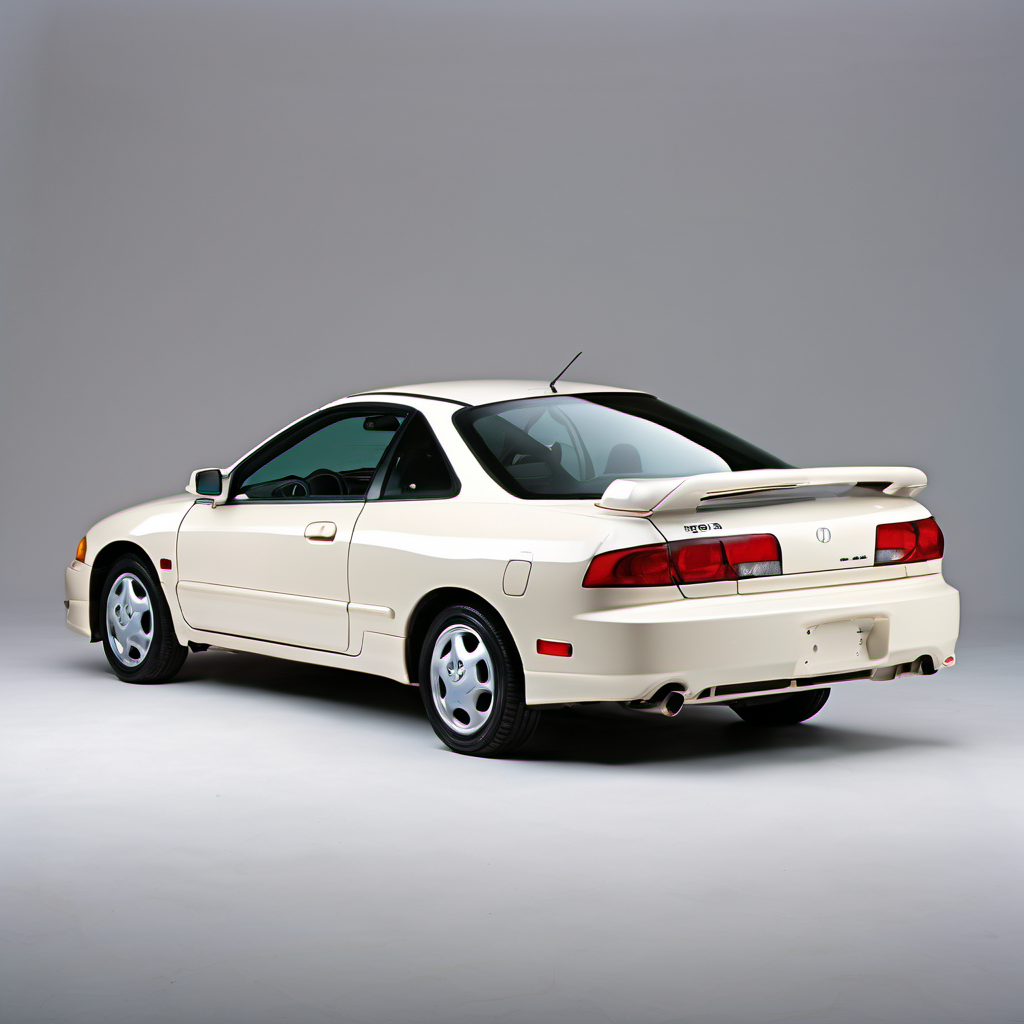
1998 Acura
Hatchback
The 1998 Acura Integra Hatchback is a third-generation (DC2 chassis) compact sport coupe that earned a devoted following for its rev-happy DOHC engine, precise handling, and Honda-level build quality. Sold in GS, GS-R, LS, RS, and the legendary Type R trim, the base and LS models carry the B18B1 SOHC while the GS-R uses the B18C1 DOHC VTEC — both bulletproof when maintained. The hatchback body gives it genuine practicality without sacrificing the tossable, driver-focused feel that made it a benchmark for sport compacts of its era. At 25+ years old, surviving examples range from pampered garage queens to heavily modified street cars. Rust from Wisconsin salt, modified or worn suspension components, and a high theft rate in its prime mean you must choose carefully on the used market. The good news: parts are plentiful, the enthusiast community is enormous, and a well-kept Integra still drives better than many new cars at twice the price. This is not a high-tech vehicle — no VVT solenoids, no CAN-bus complexity, no turbos. It rewards basic maintenance and honest care. Keep the timing belt fresh, watch the oil, and these engines routinely reach 250,000 miles.
The 1998 Acura Integra Hatchback is a third-generation (DC2 chassis) compact sport coupe that earned a devoted following for its rev-happy DOHC engine, precise handling, and Honda-level build quality. Sold in GS, GS-R, LS, RS, and the legendary Type R trim, the base and LS models carry the B18B1 SOHC while the GS-R uses the B18C1 DOHC VTEC — both bulletproof when maintained. The hatchback body gives it genuine practicality without sacrificing the tossable, driver-focused feel that made it a benchmark for sport compacts of its era. At 25+ years old, surviving examples range from pampered garage queens to heavily modified street cars. Rust from Wisconsin salt, modified or worn suspension components, and a high theft rate in its prime mean you must choose carefully on the used market. The good news: parts are plentiful, the enthusiast community is enormous, and a well-kept Integra still drives better than many new cars at twice the price. This is not a high-tech vehicle — no VVT solenoids, no CAN-bus complexity, no turbos. It rewards basic maintenance and honest care. Keep the timing belt fresh, watch the oil, and these engines routinely reach 250,000 miles.
The B-series is an interference engine — a snapped belt bends valves and can destroy the head. Always replace the water pump at the same time since it's already exposed. This is the single most important scheduled item on this car.
The B-series thrives on clean oil. High-mileage engines especially benefit from the slightly thicker film of 5W-30 full synthetic in cold Wisconsin starts.
Degraded coolant corrodes the aluminum head and radiator. Use Honda-spec blue coolant or a compatible OAT formula — don't mix types.
The distributor on these cars is a known wear item. Carbon tracking, cracked caps, and worn rotors cause misfires and hard starts. Replace proactively before stranding the driver.
Brake fluid absorbs moisture over time, lowering boiling point and promoting internal corrosion. Wisconsin's humidity accelerates this.
Honda manual transmissions are picky about fluid. Use only Honda MTF or a confirmed compatible fluid — using the wrong gear oil causes notchy shifting and premature synchro wear.
Lake Geneva road salt aggressively attacks the Integra's rocker panels, subframe mounts, and rear suspension points. Catching surface rust early is far cheaper than structural repair.
Cracked CV boots let grease escape and allow grit in, destroying the joint quickly. On a FWD car doing Wisconsin winters, boots crack faster from cold and salt exposure.
Always defer to the manufacturer's service manual for warranty-mandated intervals.
The Integra is one of the more affordable older sport compacts to own. Parts are cheap and widely available, independent shops know the B-series well, and fuel costs are modest. The main financial wildcard is rust remediation if the car has lived a salty life — that can easily exceed the car's market value. A clean, well-maintained example with documented service history costs very little to keep running.
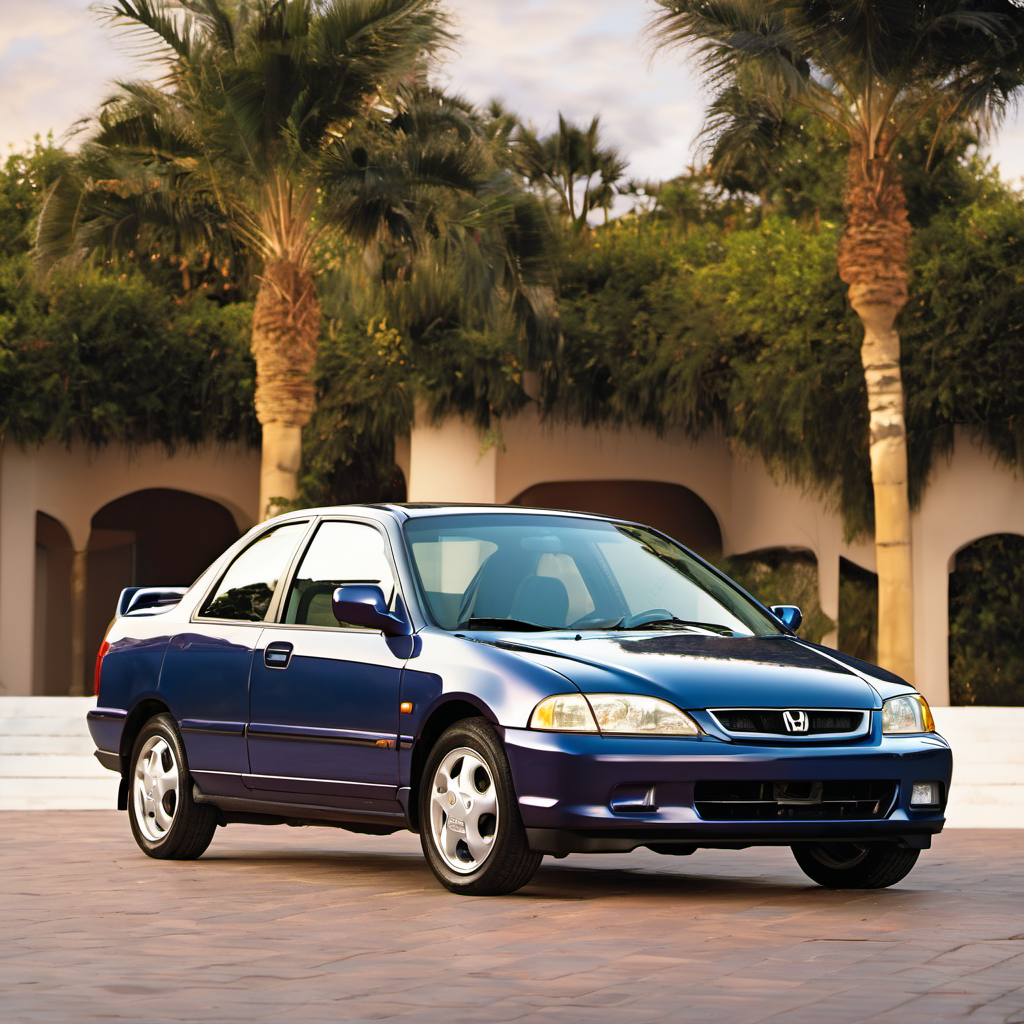
Same Honda platform philosophy, slightly smaller and lighter, similarly engaging to drive. Easier to find unmodified examples but less interior space and less power than the GS-R.
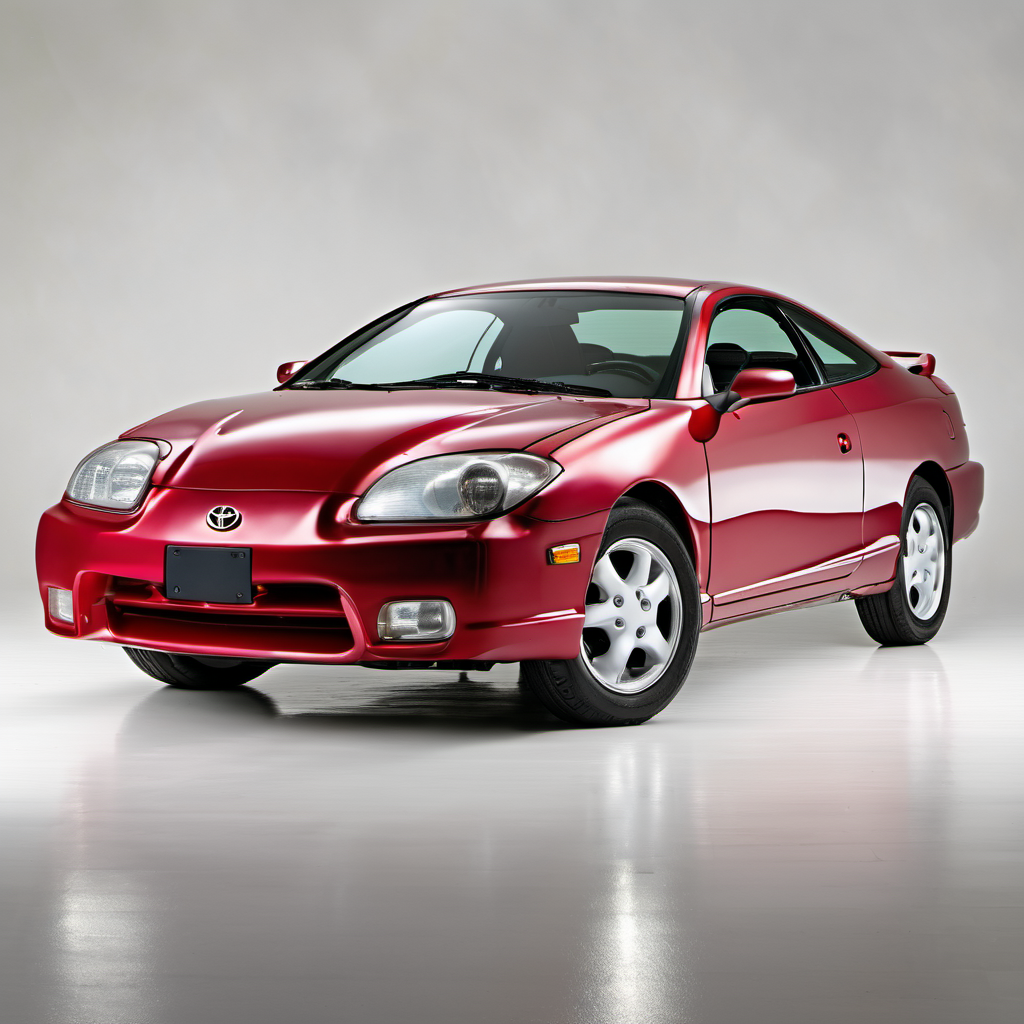
Direct rival in the late-1990s sport compact segment. Comparable reliability, similar power output, and a devoted enthusiast following. The 2ZZ-GE engines in later Celicas are also strong, though this generation uses the 5S-FE.
Smaller and less sporty, but similarly reliable and practical as a budget FWD hatchback from the same era. Parts availability is lower than the Integra's.
No catalog match/1999_Volkswagen_Golf_(New)_83a74d7c_00001_.png)
European alternative in the same sport-hatchback segment with more interior refinement. Significantly higher long-term maintenance costs than the Integra and more complex electrically — but a comparable driving experience.