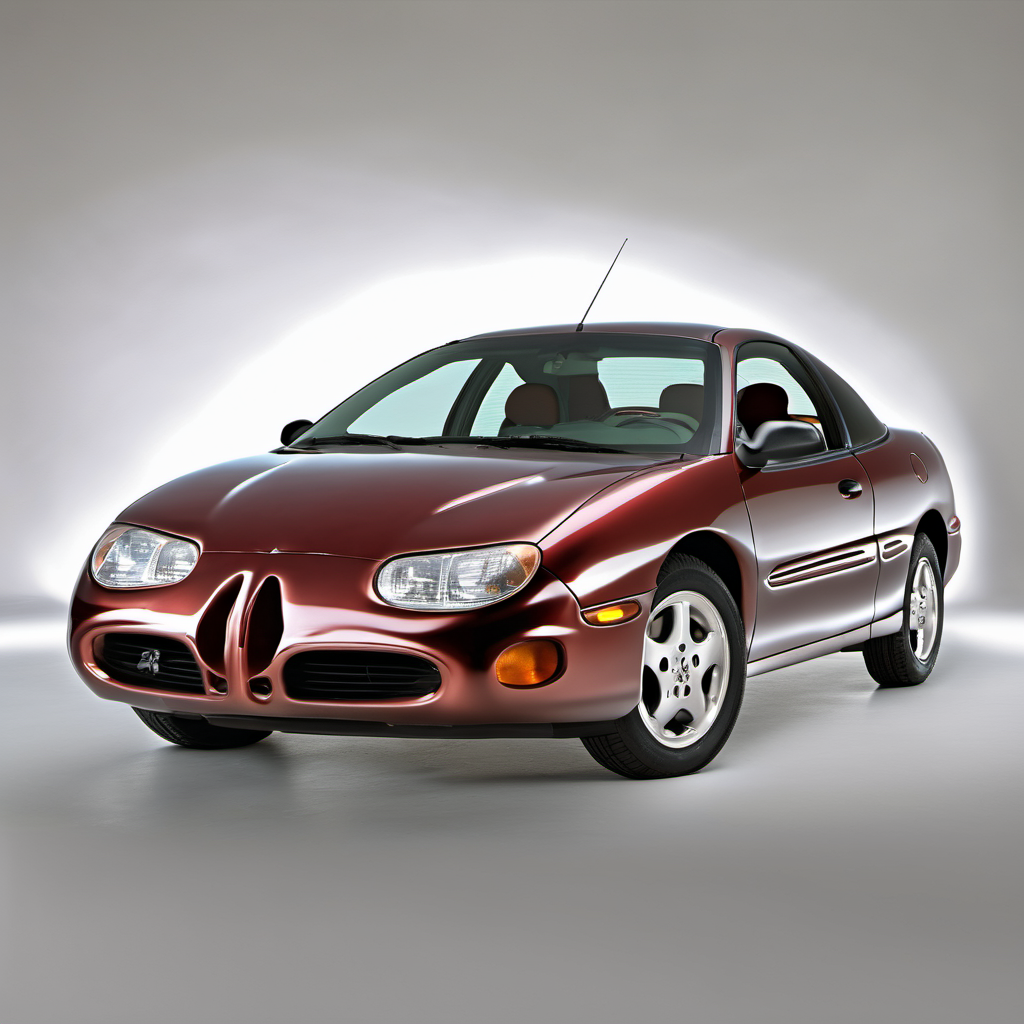
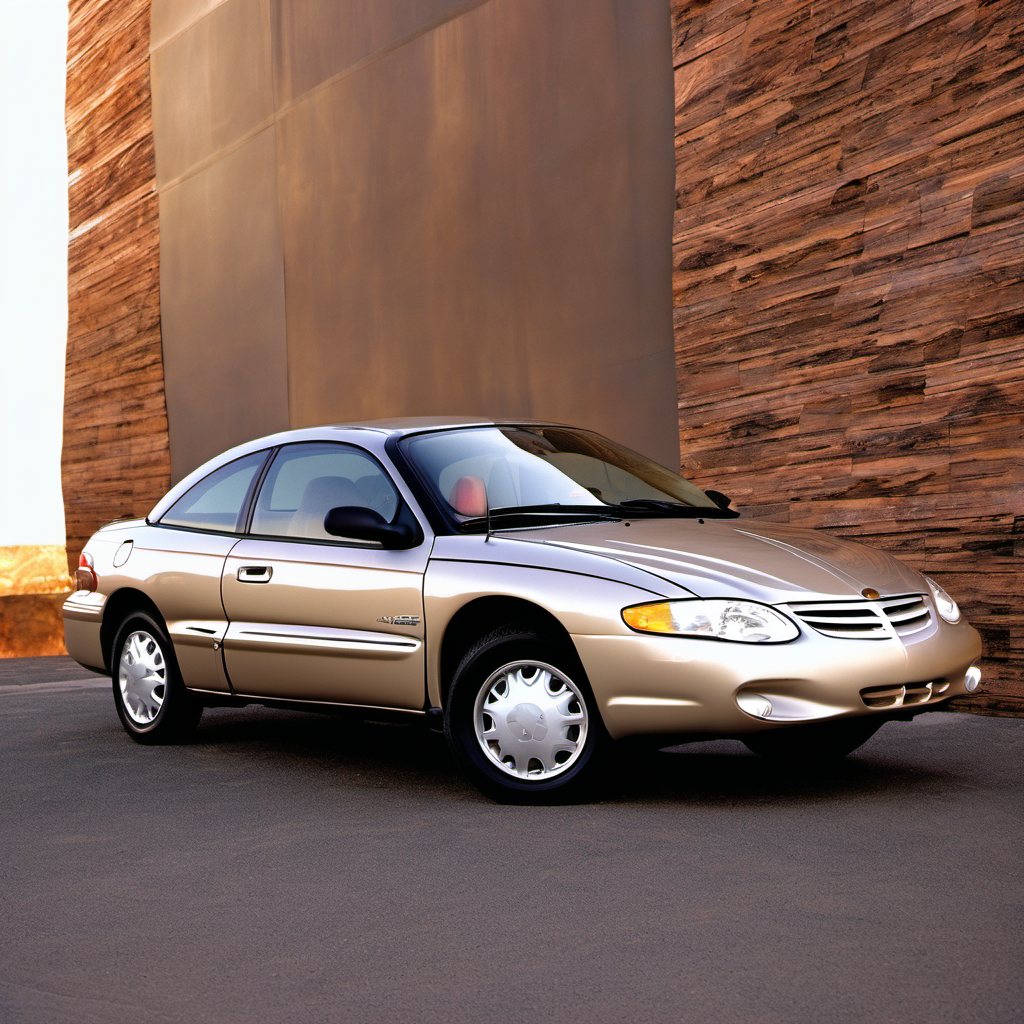
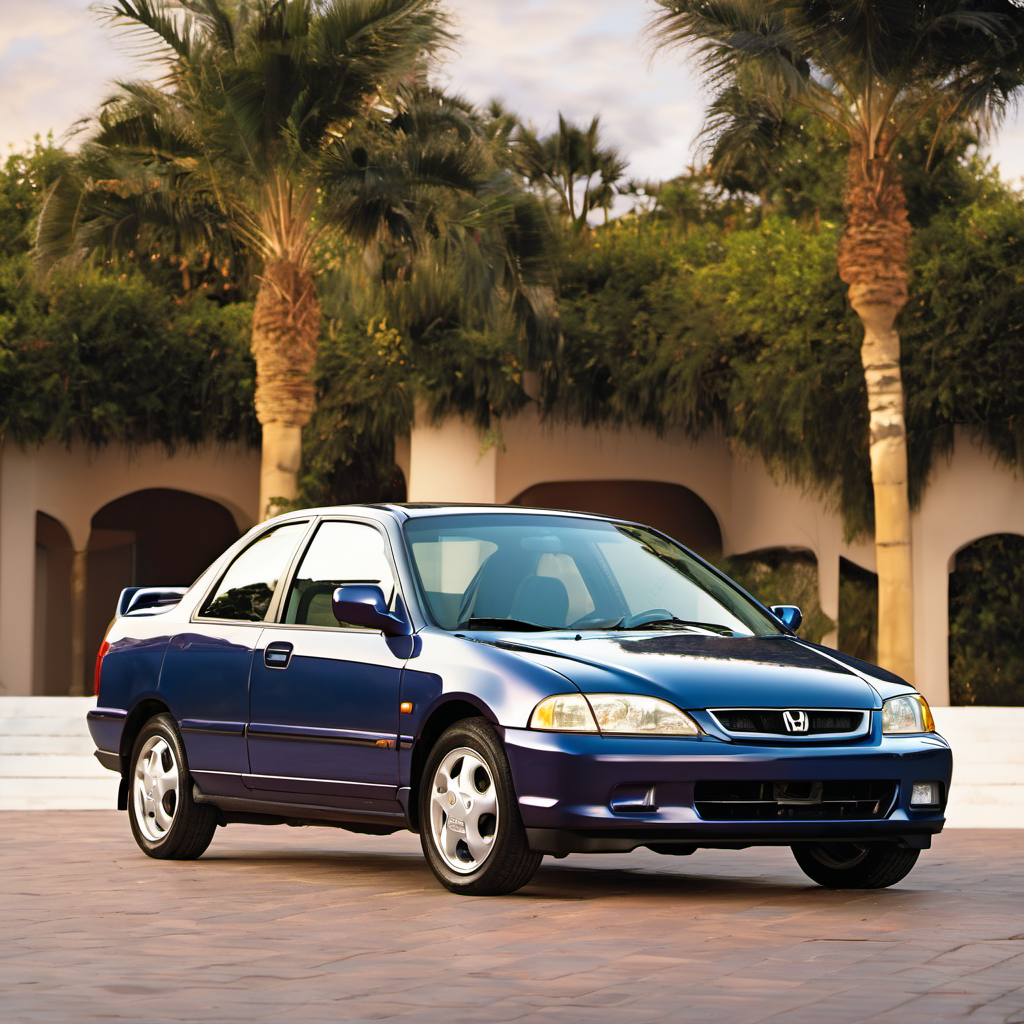
1998 Pontiac Sunfire Convertible

1998 Pontiac

SunfireConvertible

Convertible

The 1998 Pontiac Sunfire Convertible is the drop-top variant of GM's J-body compact, sharing its platform with the Chevrolet Cavalier. It was designed as an affordable, fun-in-the-sun entry-level car rather than a performance machine. Power comes from a 2.2L pushrod four-cylinder — reliable enough for basic commuting, though not quick by any standard. By 1998 the Sunfire had settled into a mature production run. The convertible added a power-operated soft top and extra body reinforcement, but that added weight and some chassis flex compared to the coupe. Creature comforts were minimal at this price point — expect cloth seats, a basic stereo, and manual everything on base trims. At 25+ years old, any surviving Sunfire Convertible is firmly in classic/beater territory. Parts are increasingly scarce, the soft top is almost certainly aged out, and rust is the single biggest threat to a Wisconsin example. Treat it as a summer cruiser and budget for deferred maintenance — most of these haven't been pampered.

Reliability
2/5
Verified data
Specs shown for Sunfire — the most common configuration. Other trims may vary in engine, drivetrain, or fuel economy. Sign in to see your vehicle's exact specs.
Engine
[object Object]
Drivetrain
FWD
Fuel
Gasoline
MPG
20 city / 27 hwy / 23 combined
Seats
Doors
Body
Subcompact Cars

Overview

AI-curated

The 1998 Pontiac Sunfire Convertible is the drop-top variant of GM's J-body compact, sharing its platform with the Chevrolet Cavalier. It was designed as an affordable, fun-in-the-sun entry-level car rather than a performance machine. Power comes from a 2.2L pushrod four-cylinder — reliable enough for basic commuting, though not quick by any standard. By 1998 the Sunfire had settled into a mature production run. The convertible added a power-operated soft top and extra body reinforcement, but that added weight and some chassis flex compared to the coupe. Creature comforts were minimal at this price point — expect cloth seats, a basic stereo, and manual everything on base trims. At 25+ years old, any surviving Sunfire Convertible is firmly in classic/beater territory. Parts are increasingly scarce, the soft top is almost certainly aged out, and rust is the single biggest threat to a Wisconsin example. Treat it as a summer cruiser and budget for deferred maintenance — most of these haven't been pampered.

Known for
  • Affordable entry-level convertible experience
  • Simple, serviceable 2.2L pushrod four-cylinder
  • Shared J-body platform with Chevy Cavalier (wide parts availability)
  • Minimal features — basic transportation with a folding roof
Best for
  • Budget-conscious buyers wanting a convertible for warm-weather driving
  • DIY mechanics comfortable with older GM four-cylinders
  • Short-hop commuters who store the car in winter
  • Collectors seeking late-'90s nostalgia
Watch for
  • Soft top deterioration — tears, leaks, and failed mechanisms are the norm at this age
  • Floor and rocker panel rust, especially on Wisconsin cars exposed to road salt
  • Intake manifold gasket failure on the 2.2L — a known GM weakness of this era
  • Aging electrical connectors and brittle underhood wiring harnesses
  • Strut tower and subframe corrosion from decades of salt exposure

Common issues by mileage

6 known

Intake Manifold Gasket Failure

high
Typically appears
60–120k mi
Estimated repair
$250 – $450

Soft Top Hydraulic / Motor Failure

high
Typically appears
Any mileage at this age
Estimated repair
$300 – $900

Soft Top Weatherstripping and Fabric Deterioration

high
Typically appears
Any mileage at this age
Estimated repair
$400 – $1,200

Rocker Panel and Floor Rust (Salt Exposure)

high
Typically appears
Any mileage on upper Midwest cars
Estimated repair
$500 – $2,500

Oxygen Sensor Failure (Bank 1 Sensor 1)

medium
Typically appears
80–130k mi
Estimated repair
$120 – $250

Strut and Strut Mount Wear (Convertible flex adds stress)

medium
Typically appears
70–120k mi
Estimated repair
$300 – $600

Maintenance schedule

  1. 1
    Every 5,000 mi or 6 months Engine oil and filter change

    The 2.2L pushrod engine is oil-sensitive; extended intervals accelerate sludge buildup and gasket seep on a 25-year-old engine. Use a conventional or conventional-blend 5W-30.

  2. 2
    Every 2 years Coolant flush and thermostat inspection

    Intake manifold gasket failure on this engine is accelerated by coolant degradation. Fresh coolant with proper inhibitors slows that process. Inspect the thermostat housing for seepage at each flush.

  3. 3
    Every 30,000 mi Spark plugs and plug wires

    Original equipment plug wires on a '98 are well past life. Hard starting and misfires in cold Wisconsin weather are often plug/wire related on these engines.

  4. 4
    Every spring and fall Soft top lubrication and inspection

    Lubricate pivot points and the folding mechanism with a silicone-based lubricant. Inspect the fabric for cracking and seams for separation before winter moisture works into them.

  5. 5
    Every 2–3 years Brake fluid flush

    Brake fluid is hygroscopic; absorbed moisture lowers boiling point and corrodes internal brake components. Particularly important on an older vehicle stored through Wisconsin winters.

  6. 6
    Every 30,000 mi Fuel filter replacement

    The inline fuel filter on the 2.2L is inexpensive and easy to access. A clogged filter causes hard starts and rough idle — common complaints on high-mileage Sunfires.

  7. 7
    Every fall before winter storage Undercarriage rust inspection and treatment

    Frame rails, rocker panels, subframe mounts, and brake lines are rust hot spots on J-body convertibles that spent time in the upper Midwest. Address surface rust before it becomes structural.

  8. 8
    Every fall Battery load test

    Cold cranking demand is high in Wisconsin winters and this car's stock charging system is marginal. A weak battery that starts fine in September will often fail in January.

Always defer to the manufacturer's service manual for warranty-mandated intervals.

Cost of ownership

Annual maintenance
$600 – $1,800
Fuel
At 23 MPG combined and typical mixed driving, expect roughly $1,400–$1,700/year at current upper Midwest gas prices. Fuel cost is a relative strength of this vehicle.
Insurance
Insurance is typically low — expect $600–$1,000/year for a driver with a clean record given the vehicle's low market value. Verify comprehensive coverage is worthwhile given the car's depreciated value.

The Sunfire Convertible is cheap to buy and cheap to fuel, but maintenance costs on a 25-year-old example can be unpredictable. Budget conservatively — soft top repairs alone can run $500–$1,200, and any rust remediation adds significantly. Annual maintenance on a well-cared-for example runs $600–$1,000; a neglected car can easily double that in catch-up work the first year.
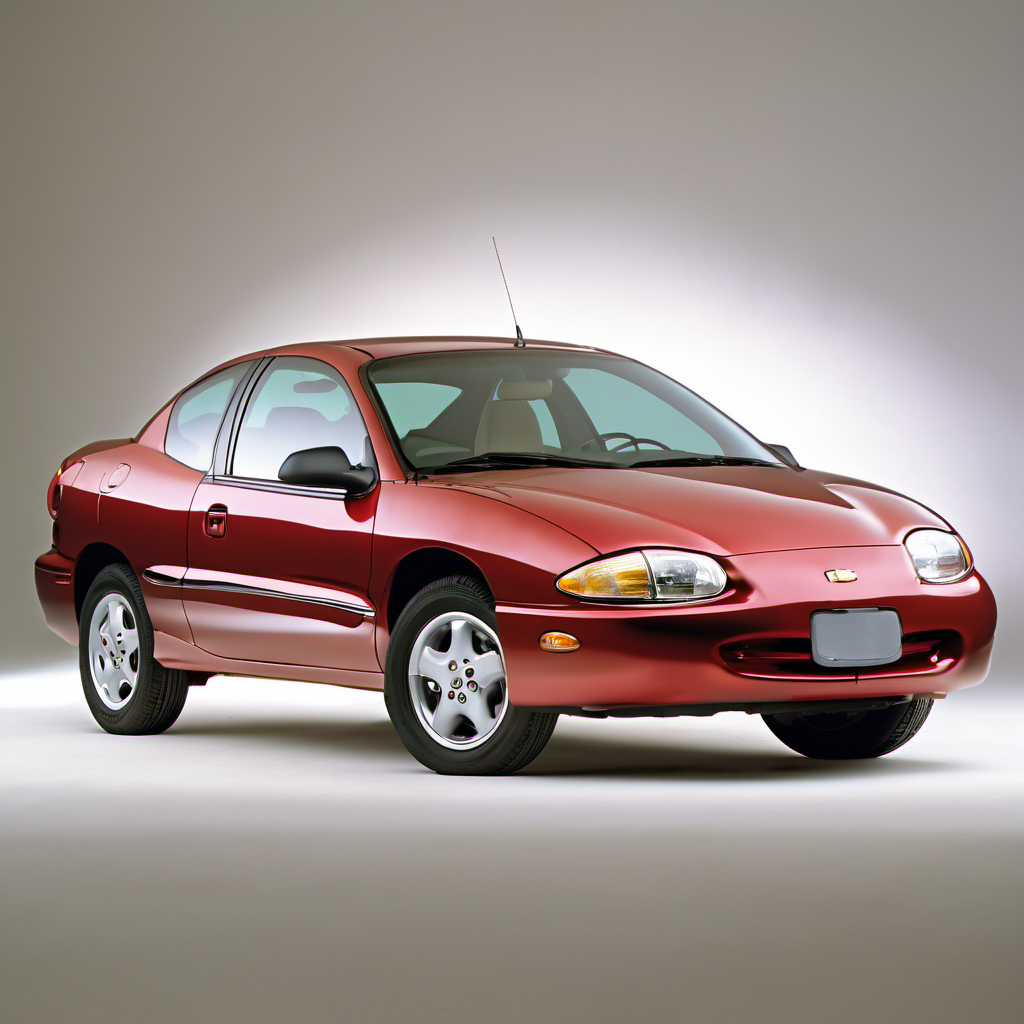
Seasonal care

Lake Geneva, WI
Winter
  • This car should ideally be stored indoors over a Wisconsin winter. The soft top provides minimal insulation and is damaged by ice scraping and freeze-thaw cycles.
  • If driven in winter, apply an underbody rust inhibitor every fall — road salt is catastrophic to the J-body's rocker panels and floor seams.
  • Use a battery maintainer (trickle charger) during storage. The stock electrical system and an aging battery are a bad combination in sub-zero temperatures.
  • Switch to a winter washer fluid rated to at least -20°F. The soft top's rear window can be damaged by improper scraping — use a foam brush only.
  • Inspect and treat all door and top weatherseals with a rubber conditioner before temperatures drop to prevent cracking and ice adhesion.
  • If stored, add a fuel stabilizer to a full tank and run the engine briefly to circulate it through the system before long-term storage.
Summer
  • Inspect the soft top fabric at the start of convertible season — UV degradation and winter damage often show up as cracking or seam separation.
  • Check tire pressure monthly; summer heat causes pressure to rise and these compact tires are sensitive to over-inflation affecting handling.
  • The 2.2L can be prone to heat soak and vapor lock in extreme heat; if the car is hard to start hot, check the fuel system and cooling system first.
  • Test the A/C system in spring before peak summer — the R-134a system on a '98 is old enough that refrigerant loss and compressor wear are common.
  • Clean and condition the soft top with a convertible-specific treatment to block UV and repel water before the season.
  • Check coolant level and inspect hoses for soft spots or swelling — summer heat accelerates failure in aging rubber coolant hoses on this engine.

Comparable vehicles

If you're shopping for one

Red flags
  • Any soft top that won't open or close electrically — assume the repair cost before negotiating price
  • Visible floor rust or a musty/mildew smell inside the cabin — water has been getting in, likely for years
  • Coolant that looks milky or oily — intake manifold gasket failure is imminent or has already begun
  • Bubbling paint or visible perforations on rockers, door bottoms, or the trunk lip
  • A car that's been driven year-round in Wisconsin without undercoating — salt damage is nearly certain
  • Any evidence of a resprayed undercarriage (used to hide rust before sale)
What to inspect
  • Soft top condition: operate it fully open and closed, check the fabric for tears, seam separations, and mildew; inspect the rear plastic window for crazing or delamination
  • Floor and trunk interior: pull back any carpet to look for rust-through or water intrusion staining from a leaking top
  • Rocker panels and subframe: get the car on a lift and probe for rust — perforation here is a structural and safety concern on a convertible body
  • Cooling system: look for any signs of intake manifold gasket seepage (white residue or oil in coolant) — a very common 2.2L failure
  • Brake lines: inspect full length for rust and corrosion, especially at frame clip points — 25-year-old brake lines in Wisconsin are a safety item
  • All electrical: test windows, locks, soft top motor, A/C, and heater blower — aging wiring harnesses cause gremlins that are tedious to diagnose
AI profile generated 15 days ago · claude-sonnet-4-6 · v2.