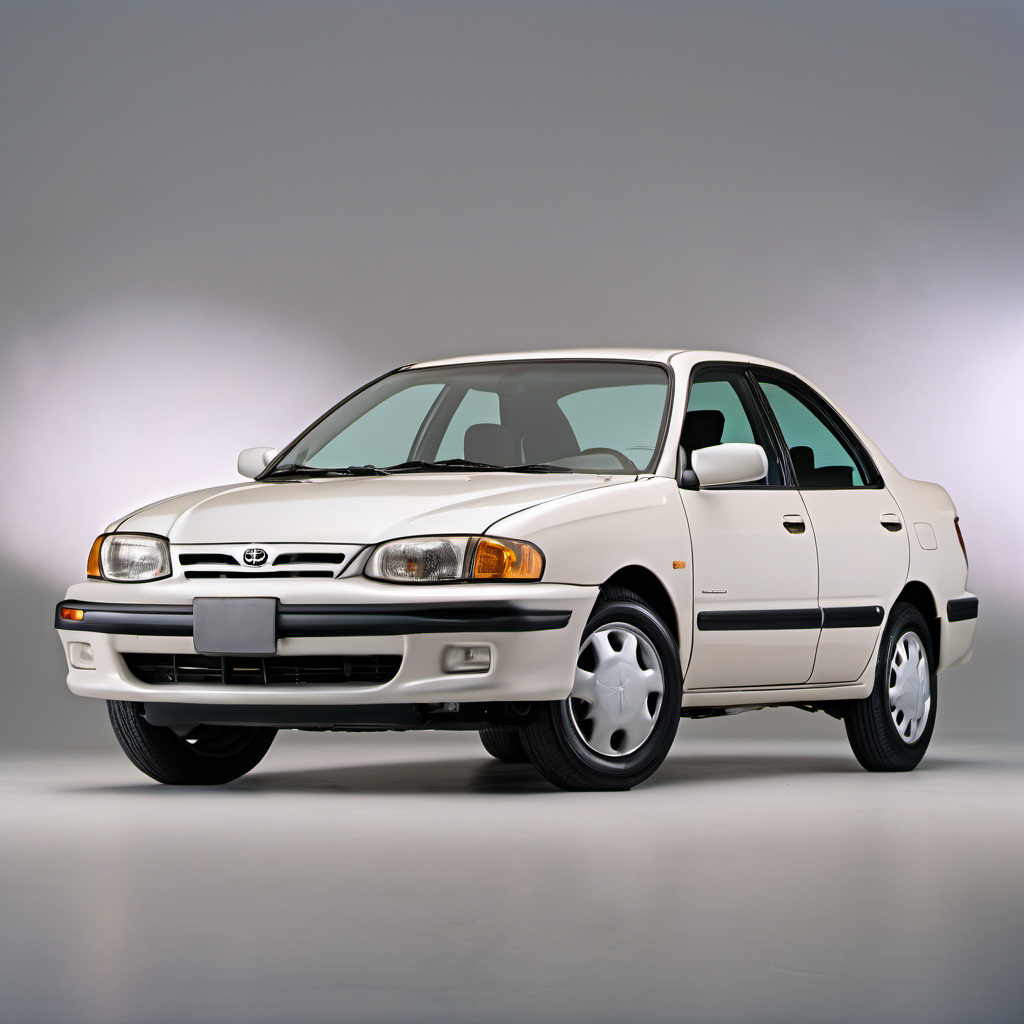
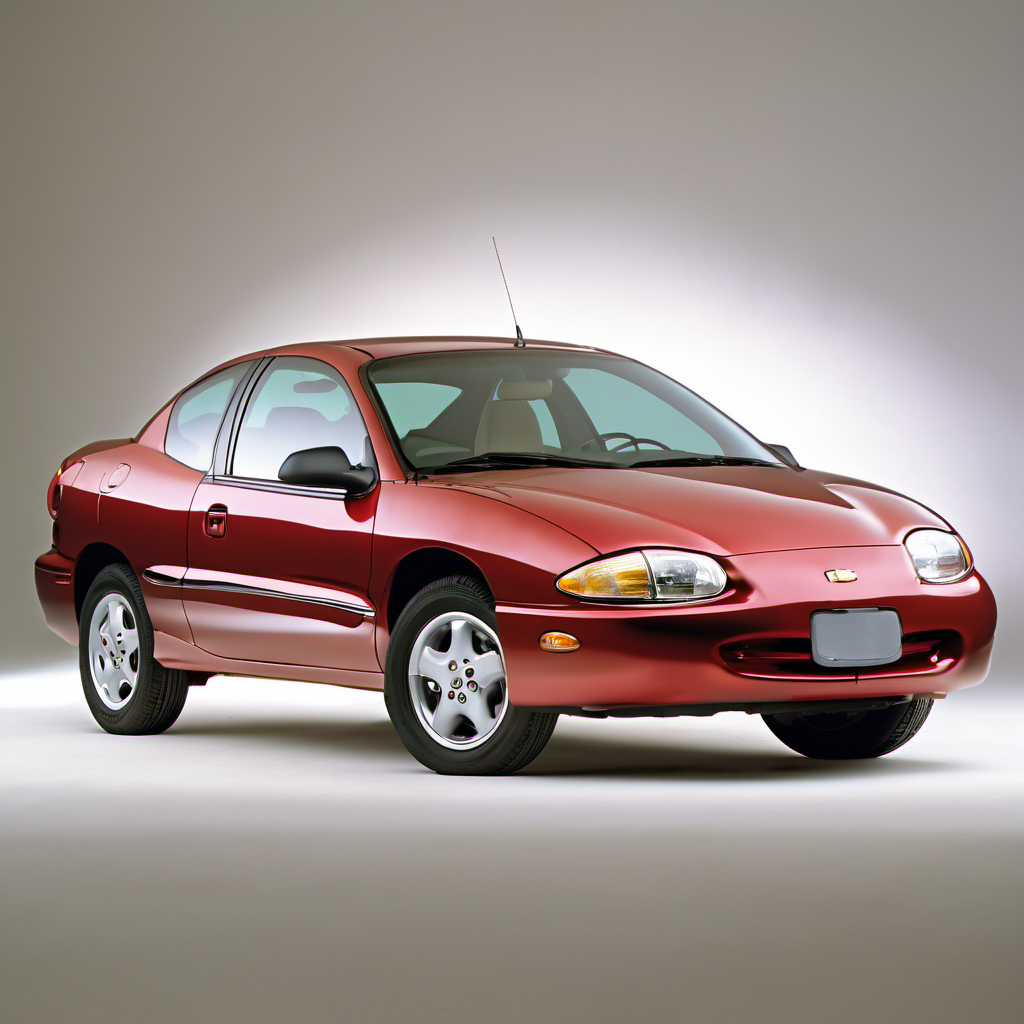
1998 Ford Escort Sedan

1998 Ford

EscortSedan

Sedan

The 1998 Ford Escort is a compact front-wheel-drive sedan built on the second-generation Escort platform that Ford carried through the 1990s. It was Ford's entry-level economy car — straightforward, affordable to run, and simple enough that most independent shops could handle anything it threw at them. By 1998 the platform was mature and most early bugs had been ironed out, making it one of the more dependable versions of the nameplate. Power comes from a 2.0L single-overhead-cam four-cylinder (the Split Port Induction version in base LX, or the dual-overhead-cam Zetec in the ZX2 coupe — the sedan gets the SPI). It's not quick, but it's fuel-efficient, easy to maintain, and parts are still widely available. The 4-speed automatic or 5-speed manual keeps things simple. At 25+ years old, any surviving Escort should be treated as a high-mileage used car regardless of the odometer. Rust is the number-one concern in Wisconsin, and these cars are known to rot from the bottom up. Budget-minded buyers or owners who already have one can keep these on the road cheaply — just be realistic about what repairs make financial sense on a car this age.

Reliability
3/5
Verified data
Specs shown for Escort ZX2 — the most common configuration. Other trims may vary in engine, drivetrain, or fuel economy. Sign in to see your vehicle's exact specs.
Engine
[object Object]
Drivetrain
FWD
Fuel
Gasoline
MPG
22 city / 30 hwy / 25 combined
Seats
Doors
Body
Subcompact Cars

Overview

AI-curated

The 1998 Ford Escort is a compact front-wheel-drive sedan built on the second-generation Escort platform that Ford carried through the 1990s. It was Ford's entry-level economy car — straightforward, affordable to run, and simple enough that most independent shops could handle anything it threw at them. By 1998 the platform was mature and most early bugs had been ironed out, making it one of the more dependable versions of the nameplate. Power comes from a 2.0L single-overhead-cam four-cylinder (the Split Port Induction version in base LX, or the dual-overhead-cam Zetec in the ZX2 coupe — the sedan gets the SPI). It's not quick, but it's fuel-efficient, easy to maintain, and parts are still widely available. The 4-speed automatic or 5-speed manual keeps things simple. At 25+ years old, any surviving Escort should be treated as a high-mileage used car regardless of the odometer. Rust is the number-one concern in Wisconsin, and these cars are known to rot from the bottom up. Budget-minded buyers or owners who already have one can keep these on the road cheaply — just be realistic about what repairs make financial sense on a car this age.

Known for
  • Low cost of ownership and widely available parts
  • Simple 2.0L SPI engine that's easy to work on
  • Good fuel economy for its era
  • Compact, easy to park and maneuver
  • Decades of fleet and commuter use
Best for
  • Budget-conscious commuters with short to moderate daily drives
  • First-time car owners learning basic maintenance
  • Owners who want a simple, fixable car without complex electronics
  • Low-mileage in-town errands and city driving
Watch for
  • Severe rust on floor pans, subframe, and rocker panels — especially in Wisconsin
  • Aging cooling system components (hoses, thermostat, water pump)
  • Worn engine mounts causing vibration at idle
  • Automatic transmission reliability on high-mileage examples
  • Deteriorating rubber seals and weatherstripping on older units

Common issues by mileage

6 known

Thermostat failure / overheating

high
Typically appears
80–150k mi
Estimated repair
$80 – $180

Engine mount wear (excessive vibration at idle)

high
Typically appears
80–150k mi
Estimated repair
$150 – $350

Automatic transmission slipping or hesitation

medium
Typically appears
100–150k mi
Estimated repair
$400 – $1,800

Rust — floor pans, subframe, rocker panels

high
Typically appears
Any mileage on older Wisconsin/salt-belt cars
Estimated repair
$300 – $2,500

Coolant hose and water pump failure

medium
Typically appears
90–140k mi
Estimated repair
$150 – $450

Maintenance schedule

  1. 1
    Every 5,000 miles or 6 months Oil and filter change

    The 2.0L SPI runs cleaner with fresh oil. At this age, don't push extended intervals — sludge buildup accelerates wear on aged seals.

  2. 2
    Every 2 years or 30,000 miles Coolant flush and hose inspection

    Original or neglected coolant turns acidic and eats the aluminum water pump and heater core. Hoses on a 25-year-old car should be replaced proactively if not already done.

  3. 3
    Every 30,000 miles Spark plugs and wires

    The SPI engine is sensitive to ignition condition — worn plugs or cracked wires cause rough idle and poor fuel economy quickly.

  4. 4
    Every 30,000 miles Transmission fluid change (automatic)

    The 4-speed automatic has a known sensitivity to fluid condition. Fresh fluid extends its life significantly on high-mileage cars.

  5. 5
    Every 2–3 years Brake fluid flush

    Brake fluid absorbs moisture over time, lowering its boiling point and corroding calipers and lines — a real issue on a car this age in a wet/salty climate.

  6. 6
    Every winter season and after heavy road salt exposure Undercarriage wash and rust inspection

    Salt-belt cars like those in Wisconsin are at high risk for subframe and floor pan rust. Catching it early is far cheaper than structural repair later.

  7. 7
    Every 60,000 miles or at first sign of cracking Serpentine belt replacement

    A snapped belt on the 2.0L kills the alternator and water pump simultaneously. On a car this old, replace it on schedule regardless of appearance.

  8. 8
    Every fall before winter Battery test and terminal cleaning

    Cold cranking amps drop sharply in Wisconsin winters. A marginal battery that starts fine in October may leave you stranded in January.

Always defer to the manufacturer's service manual for warranty-mandated intervals.

Cost of ownership

Annual maintenance
$400 – $900
Fuel
At 25 MPG combined and ~12,000 miles/year, expect roughly $1,300–$1,600/year at typical upper Midwest gas prices. The Escort's fuel economy is a genuine strength.
Insurance
Among the cheapest cars to insure — low value, simple safety systems, and a long history of inexpensive claims. Expect $600–$1,100/year depending on coverage level and driver profile.

The Escort is one of the cheapest cars to own on paper: parts are inexpensive, labor is straightforward, and fuel bills are low. The real financial risk on a 25-year-old example is unexpected structural or mechanical failures — a transmission or major rust repair can easily exceed the car's market value. Keep a repair cost ceiling in mind and avoid pouring money into rust-compromised body structure.
Seasonal care

Lake Geneva, WI
Winter
  • Test the battery every fall — cold Wisconsin temperatures expose weak batteries fast. Replace anything testing below 400 CCA.
  • Switch to a winter-rated washer fluid rated to at least -20°F. The factory reservoir and lines on this vintage car can crack if water-based fluid freezes.
  • Inspect the undercarriage before and after winter for rust progression — especially the subframe, frame rails, and floor pans. Wash the underside after heavy salt exposure.
  • Check the coolant freeze protection; it should be good to at least -34°F for Lake Geneva winters. Flush if the mix is unknown.
  • Install winter wiper blades — the standard blades on this era car ice up quickly and can tear if run on a frozen windshield.
  • Allow the engine to warm at idle for 60–90 seconds on sub-zero mornings before driving; the SPI engine benefits from brief warm-up before loading the drivetrain.
Summer
  • Inspect the radiator and coolant hoses carefully before summer — the 2.0L SPI runs warm and a failing hose or stuck thermostat will cause overheating quickly in heat.
  • Check tire pressure monthly; heat causes pressure to rise and these economy tires are often at or near their load limits with passengers and cargo.
  • Run the A/C periodically and check for weak cooling — the R-134a system on late-90s Escorts is aging and may need a recharge or leak inspection.
  • Check the serpentine belt for cracking or glazing; heat accelerates rubber degradation and a belt failure leaves you without alternator and water pump.

Comparable vehicles

If you're shopping for one

Red flags
  • Any soft spots, bubbling paint, or visible holes in the floor, rockers, or subframe — walk away.
  • Transmission that hesitates, slips, or clunks — repair cost likely exceeds car value.
  • Milky or low oil indicating head gasket seepage — common when cooling system is neglected.
  • Evidence of undercarriage collision repair or bent subframe — alignment and handling are never fully right afterward.
  • No service history and high mileage — on a car this age, unknown maintenance is a major risk.
What to inspect
  • Get under the car and probe the subframe, floor pans, and rocker panels with a screwdriver — rust perforation is a deal-breaker on a Wisconsin car this old.
  • Check the automatic transmission for slipping, shuddering, or delayed engagement between drive and reverse.
  • Look for coolant leaks around the water pump, thermostat housing, and lower radiator hose.
  • Start cold and watch for rough idle or excessive vibration — points to worn engine mounts or ignition issues.
  • Inspect all rubber: belts, hoses, CV axle boots, and door seals. Dry-rotted rubber on a 25-year-old car adds up fast.
  • Check the heater output — a weak or no-heat situation often means a clogged or failing heater core, which is expensive on this platform.
AI profile generated 16 days ago · claude-sonnet-4-6 · v2.