Intake Manifold Gasket Failure
high- Typically appears
- 60–120k mi
- Estimated repair
- $350 – $650
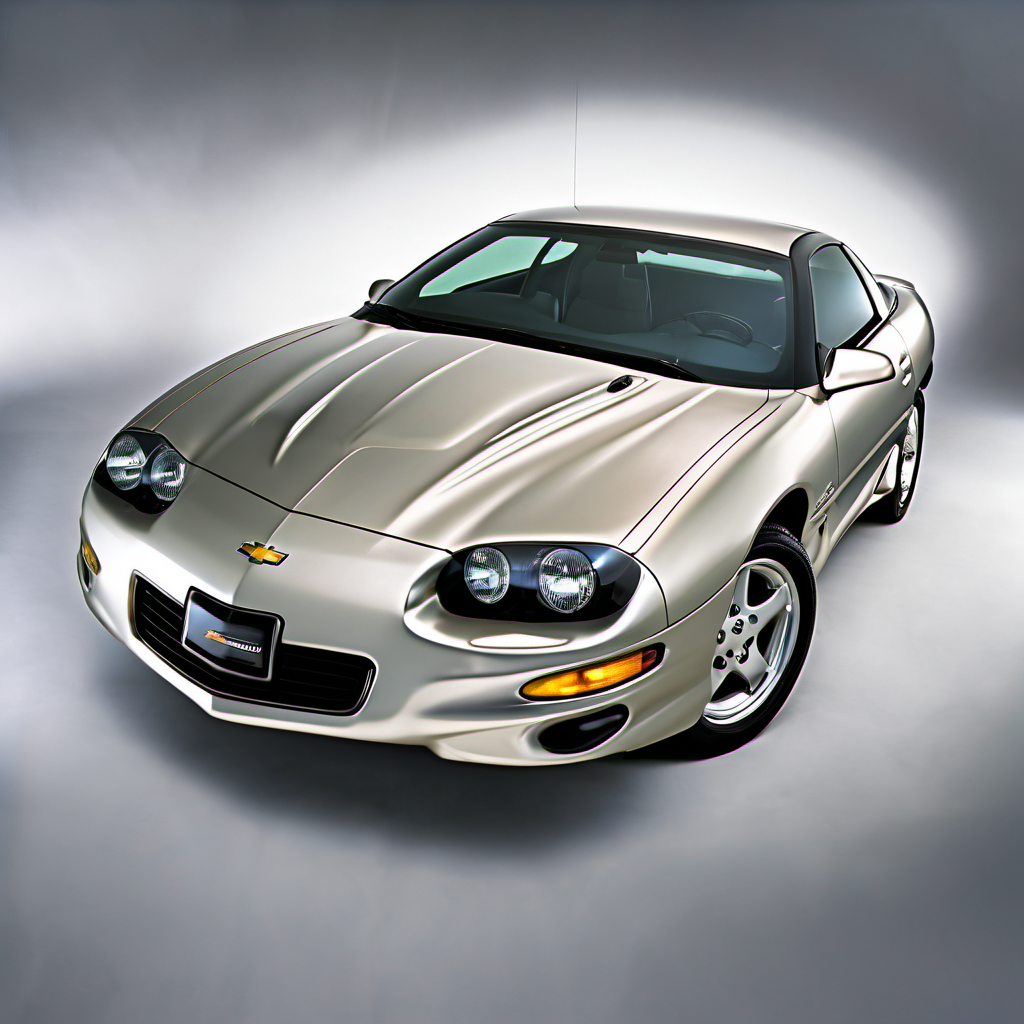
1998 Chevrolet
Coupe
The 1998 Chevrolet Camaro Coupe is a fourth-generation (1993–2002) F-body pony car built on GM's rear-wheel-drive platform shared with the Pontiac Firebird. This generation matured significantly over its run, offering a choice between the base 3.8L V6 and the legendary LS1 V8 (in the Z28 and SS trims). The V6 model covered here delivers a respectable balance of performance and fuel economy for a sporty coupe, though it's clearly the value-minded entry point into the Camaro lineup. By 1998, GM had refined the interior and exterior compared to early fourth-gens, and these cars earned a reputation for solid straight-line performance and chassis rigidity. However, the interior materials, electrical systems, and certain wear items have aged in ways that demand a thorough pre-purchase inspection on any example today. Parts availability is still generally good, and a strong aftermarket and enthusiast community exists. As a daily driver in the upper Midwest, the Camaro V6 is manageable but demands respect in winter — the long nose, RWD layout, and low ground clearance make it a poor snow car without the right tires. For fair-weather and weekend driving, it remains an engaging and affordable classic American muscle option.
The 1998 Chevrolet Camaro Coupe is a fourth-generation (1993–2002) F-body pony car built on GM's rear-wheel-drive platform shared with the Pontiac Firebird. This generation matured significantly over its run, offering a choice between the base 3.8L V6 and the legendary LS1 V8 (in the Z28 and SS trims). The V6 model covered here delivers a respectable balance of performance and fuel economy for a sporty coupe, though it's clearly the value-minded entry point into the Camaro lineup. By 1998, GM had refined the interior and exterior compared to early fourth-gens, and these cars earned a reputation for solid straight-line performance and chassis rigidity. However, the interior materials, electrical systems, and certain wear items have aged in ways that demand a thorough pre-purchase inspection on any example today. Parts availability is still generally good, and a strong aftermarket and enthusiast community exists. As a daily driver in the upper Midwest, the Camaro V6 is manageable but demands respect in winter — the long nose, RWD layout, and low ground clearance make it a poor snow car without the right tires. For fair-weather and weekend driving, it remains an engaging and affordable classic American muscle option.
The 3800 Series II benefits from consistent oil changes. Extended intervals on an aging engine accelerate sludge buildup and wear on valve train components.
The plastic lower intake manifold gaskets on the 3800 V6 are a known failure point. Catching this early prevents coolant mixing with oil and overheating damage.
Degraded coolant accelerates corrosion in the aluminum intake manifold and water pump. Use GM-spec DEX-COOL or a compatible universal coolant — never mix types.
The hatch and door seals dry out and crack with age, letting water into the cabin and trunk area. Silicone-based seal conditioner extends life and prevents leaks.
Road salt is relentless on steel brake and fuel lines on vehicles this age. A line failure at speed is catastrophic. These should be part of every annual inspection on any F-body driven in the salt belt.
Cold Wisconsin winters expose weak batteries fast. A battery that starts fine in October may leave you stranded in January. Load-test before the cold season, not after.
The 3800 V6 runs cleanly with fresh ignition components. Worn plugs or cracked wires cause misfires and fuel economy loss that compounds over time.
RWD drivetrain on a car this age needs a fluid check. Contaminated or low rear differential fluid leads to whine and bearing wear — an easy preventive measure.
Always defer to the manufacturer's service manual for warranty-mandated intervals.
The Camaro V6 is inexpensive to insure and fuel compared to the V8 variants. Annual maintenance costs are low if the car is in good shape — parts are affordable and plentiful. The risk is deferred maintenance on an aging car: intake gaskets, brake lines, rust repair, and window regulators can stack up quickly. Budget on the higher end if buying an unknown history example, and factor in a full inspection up front.
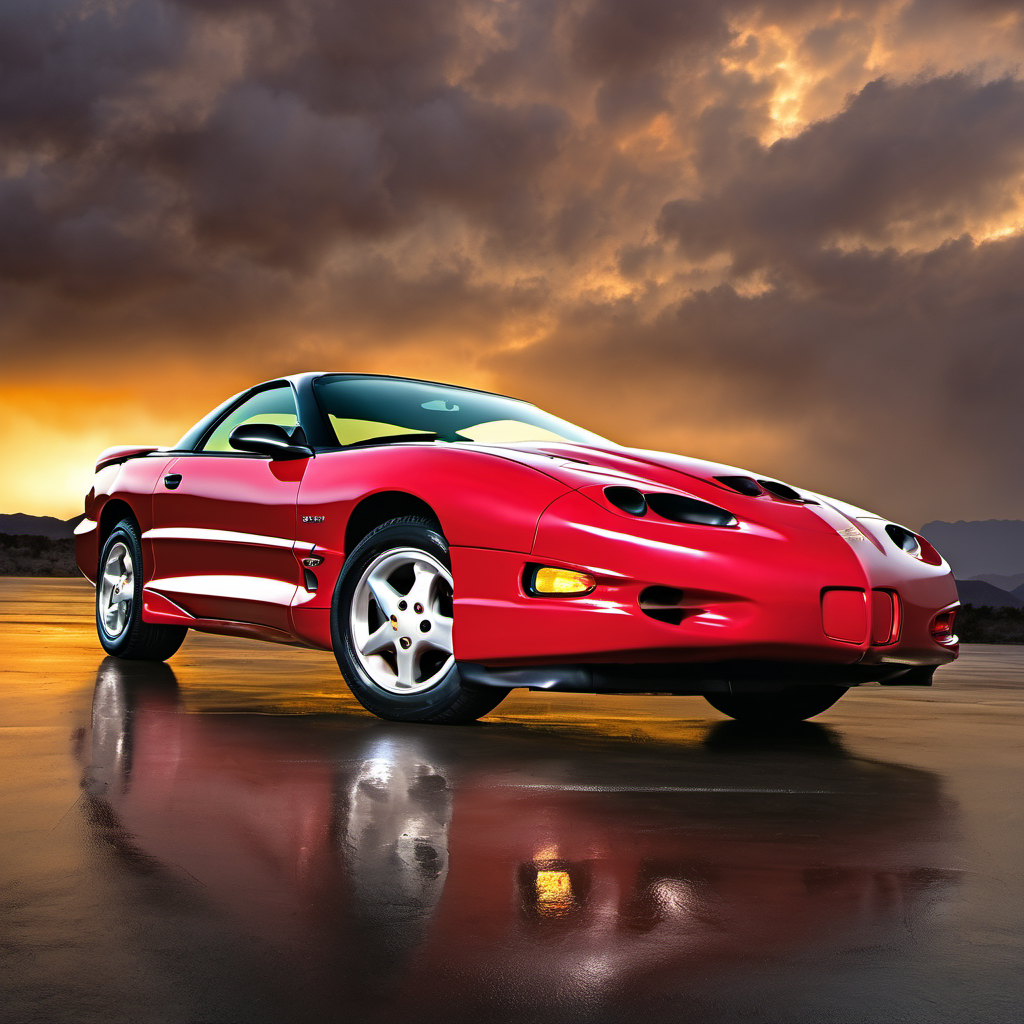
Literal platform twin — same F-body chassis, same 3.8L V6 option, same strengths and weaknesses. Shop one against the other for price and condition.
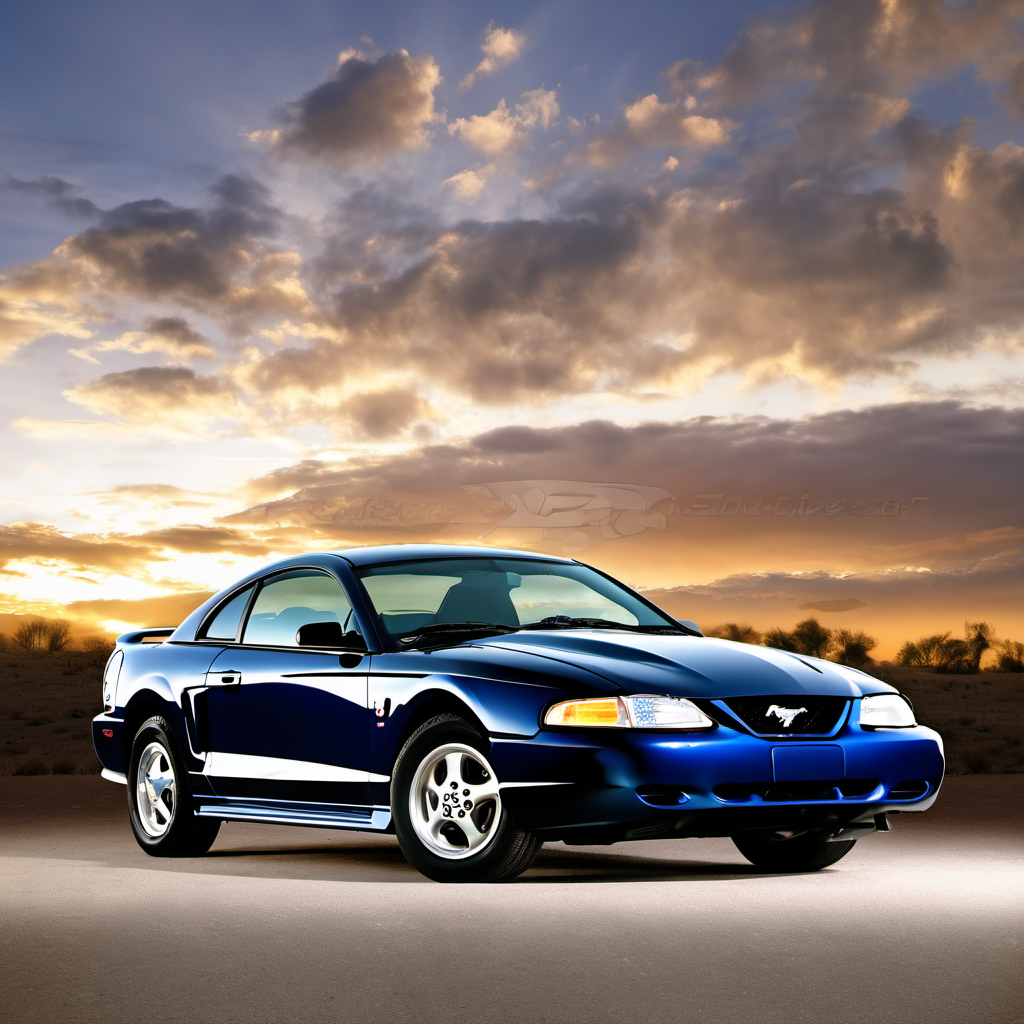
The Camaro's direct rival. The SN95 V6 Mustang is in the same price and performance band, also RWD, with similar ownership costs and better parts availability.
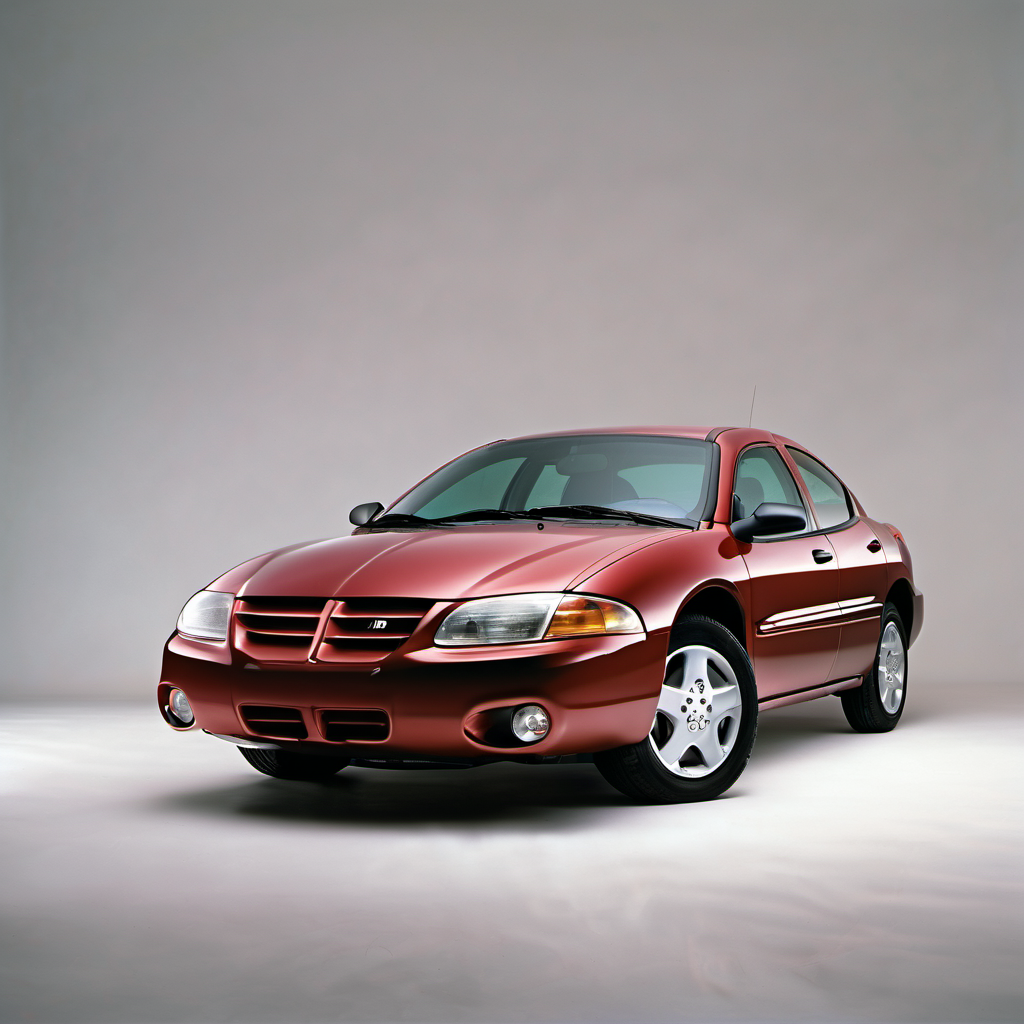
A budget front-wheel-drive sporty coupe of the same era. Less thrilling to drive but more practical in Wisconsin winters and cheaper to insure.
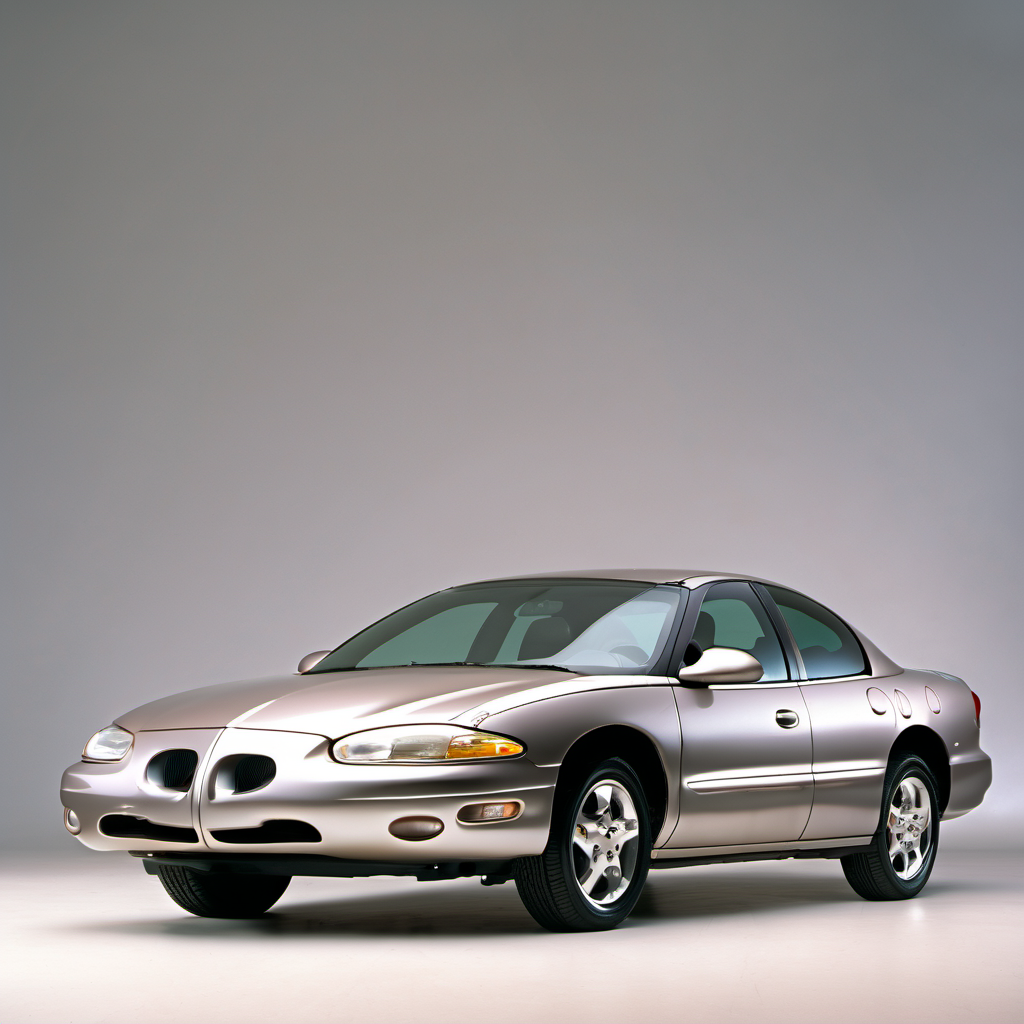
Another GM V6 coupe from the same era with the 3800 engine but FWD — more winter-practical, similar running costs, good performance with the GTP supercharged variant.