T-Top weatherstripping leaks
high- Typically appears
- Any mileage — age-driven
- Estimated repair
- $150 – $600
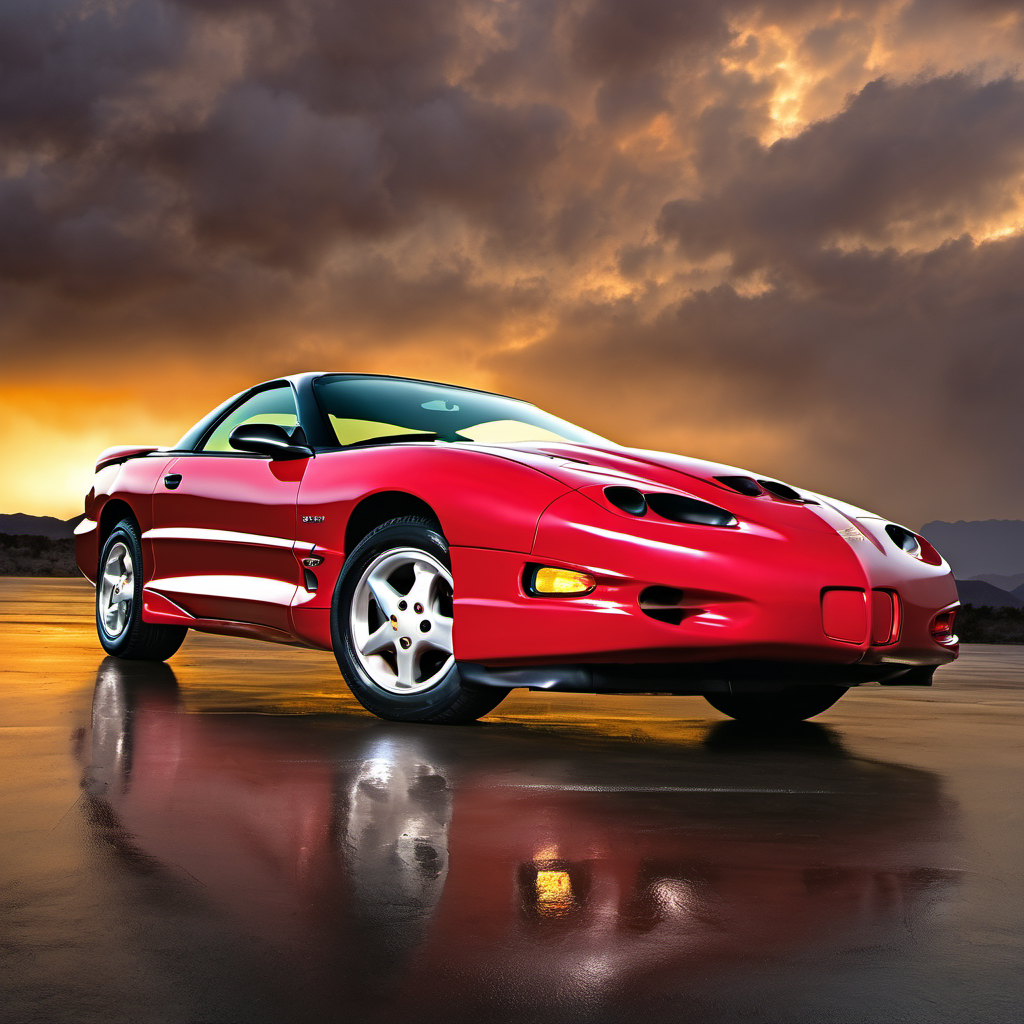
1998 Pontiac
3.8L V6 · Coupe
The 1998 Pontiac Firebird is a rear-wheel-drive, V8-powered American muscle coupe built on GM's F-body platform — the same bones shared with the Chevrolet Camaro. By 1998 the platform was mature and well-sorted, offering buyers a genuine performance car at an affordable price. Base models came with the 3.8L V6, while the Formula and Trans Am variants carried the LS1 5.7L V8, the same engine found in the C5 Corvette. At 25+ years old, the Firebird has transitioned firmly into collector and enthusiast territory. Well-maintained examples are genuinely fun to own and drive, but neglected ones accumulate deferred maintenance that can get expensive fast. The F-body community is large and parts availability (both OEM and aftermarket) remains strong, which keeps independent repair costs manageable. For a Lake Geneva owner, the Firebird demands honest seasonal management. It sits low, the T-tops (if equipped) are notorious for leaks, and the RWD chassis is no friend to icy Wisconsin roads. Many owners store these cars October through April — and that's not a bad idea.
The 1998 Pontiac Firebird is a rear-wheel-drive, V8-powered American muscle coupe built on GM's F-body platform — the same bones shared with the Chevrolet Camaro. By 1998 the platform was mature and well-sorted, offering buyers a genuine performance car at an affordable price. Base models came with the 3.8L V6, while the Formula and Trans Am variants carried the LS1 5.7L V8, the same engine found in the C5 Corvette. At 25+ years old, the Firebird has transitioned firmly into collector and enthusiast territory. Well-maintained examples are genuinely fun to own and drive, but neglected ones accumulate deferred maintenance that can get expensive fast. The F-body community is large and parts availability (both OEM and aftermarket) remains strong, which keeps independent repair costs manageable. For a Lake Geneva owner, the Firebird demands honest seasonal management. It sits low, the T-tops (if equipped) are notorious for leaks, and the RWD chassis is no friend to icy Wisconsin roads. Many owners store these cars October through April — and that's not a bad idea.
The 3.8L V6 and LS1 V8 both respond well to fresh oil. At this age, extended drain intervals accelerate sludge buildup in an engine that may already have varnish from prior ownership.
Dried or cracked T-top seals allow water intrusion that rots floors and destroys interior. Treat seals with a silicone conditioner and address any leaks before winter storage.
At 25+ years, connector housings crack and terminals corrode. Bad grounds cause ghost electrical faults throughout the car. Clean, treat, and reseat connectors during any major service.
Degraded coolant becomes acidic and corrodes the aluminum intake manifold and heater core — both expensive fixes on F-body cars.
Wisconsin road salt accumulates in the F-body's pinch welds and rocker seams. Catching surface rust early is a $50 fix; ignoring it becomes a $2,000+ structural repair.
Moisture-contaminated brake fluid lowers boiling point and corrodes calipers and wheel cylinders — critical on a high-performance RWD car.
Worn plugs or cracked wires on the 3.8L cause misfires that can cascade into catalytic converter damage. Access is tighter on the rear bank — do it on schedule rather than waiting for symptoms.
A marginal battery that starts fine at 70°F will fail at -10°F. The Firebird's electrical system draws hard on cold starts. Test the battery every fall and replace proactively if it's 4+ years old.
Always defer to the manufacturer's service manual for warranty-mandated intervals.
The Firebird is not an expensive car to maintain when nothing is wrong — parts are cheap and the F-body community keeps knowledge and pricing honest. The risk is deferred maintenance on a 25-year-old car: one neglected cooling system or a rotted floor pan can easily run $2,000–$4,000 in catch-up repairs. Budget conservatively and address issues early.
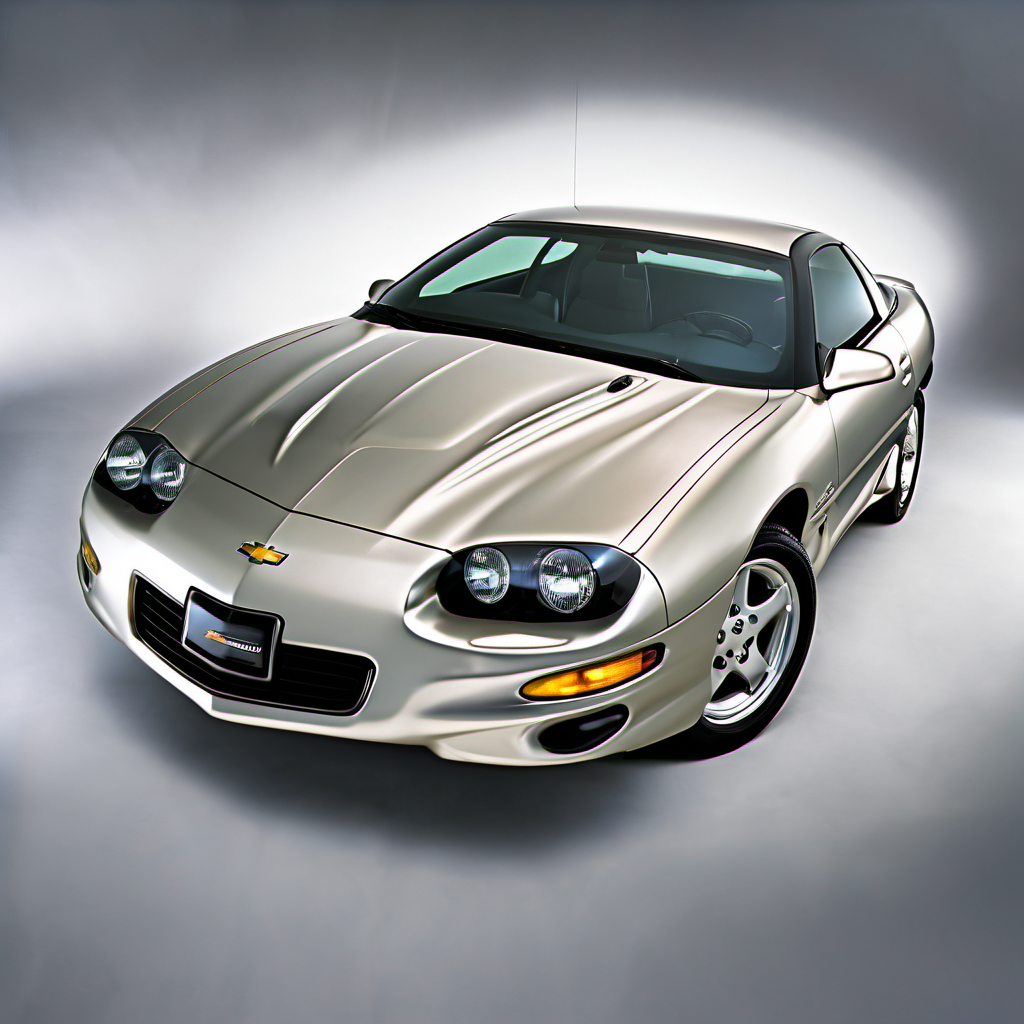
Identical F-body platform, same engine options including the LS1 V8, nearly equivalent pricing. Parts interchangeability is high. The Firebird vs. Camaro choice is mostly styling preference.
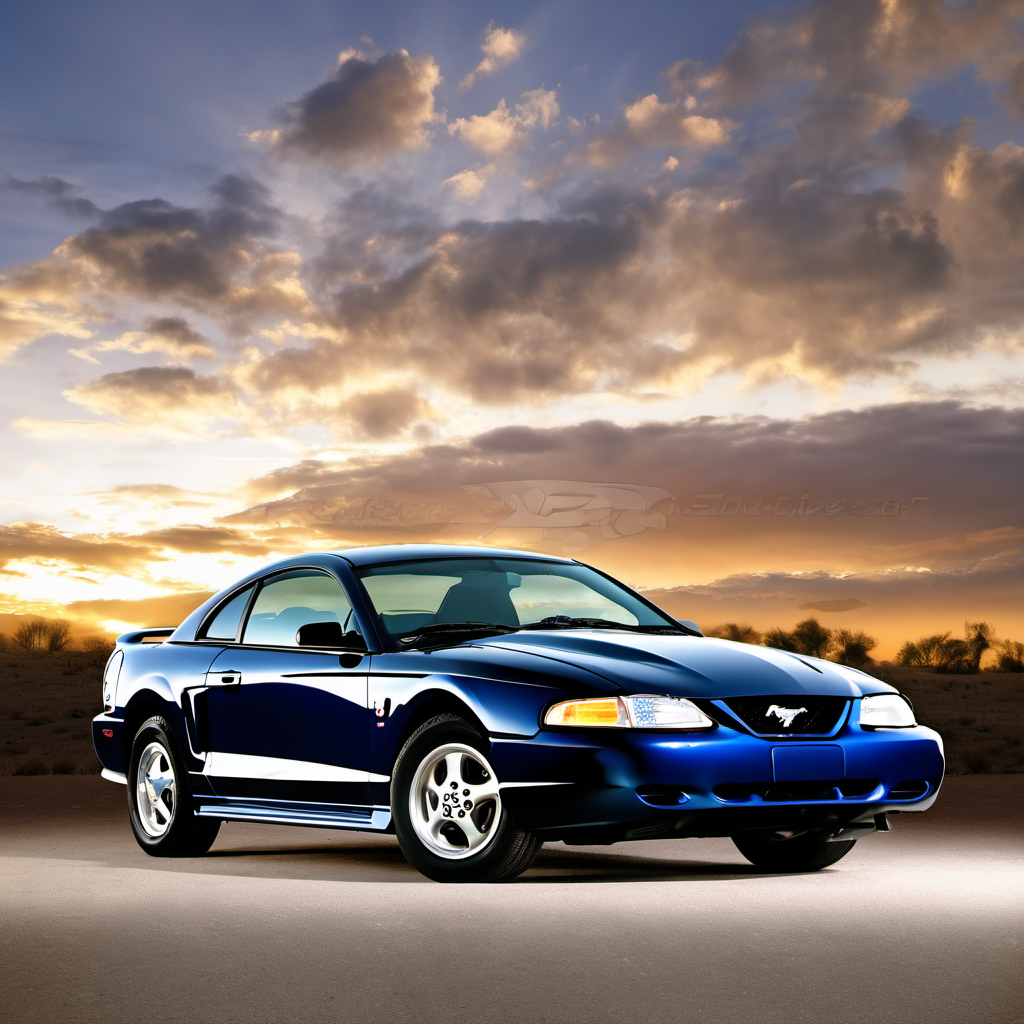
Direct American muscle rival. The 4.6L SOHC V8 is competitive with the 3.8L V6 Firebird but trails the LS1. Mustang has stronger parts availability and a larger enthusiast base.
Not yet in production in 1998 — the contemporary equivalent was the Dodge Avenger/Viper. The modern Challenger (2008+) is the spiritual successor for buyers cross-shopping retro muscle.
No catalog match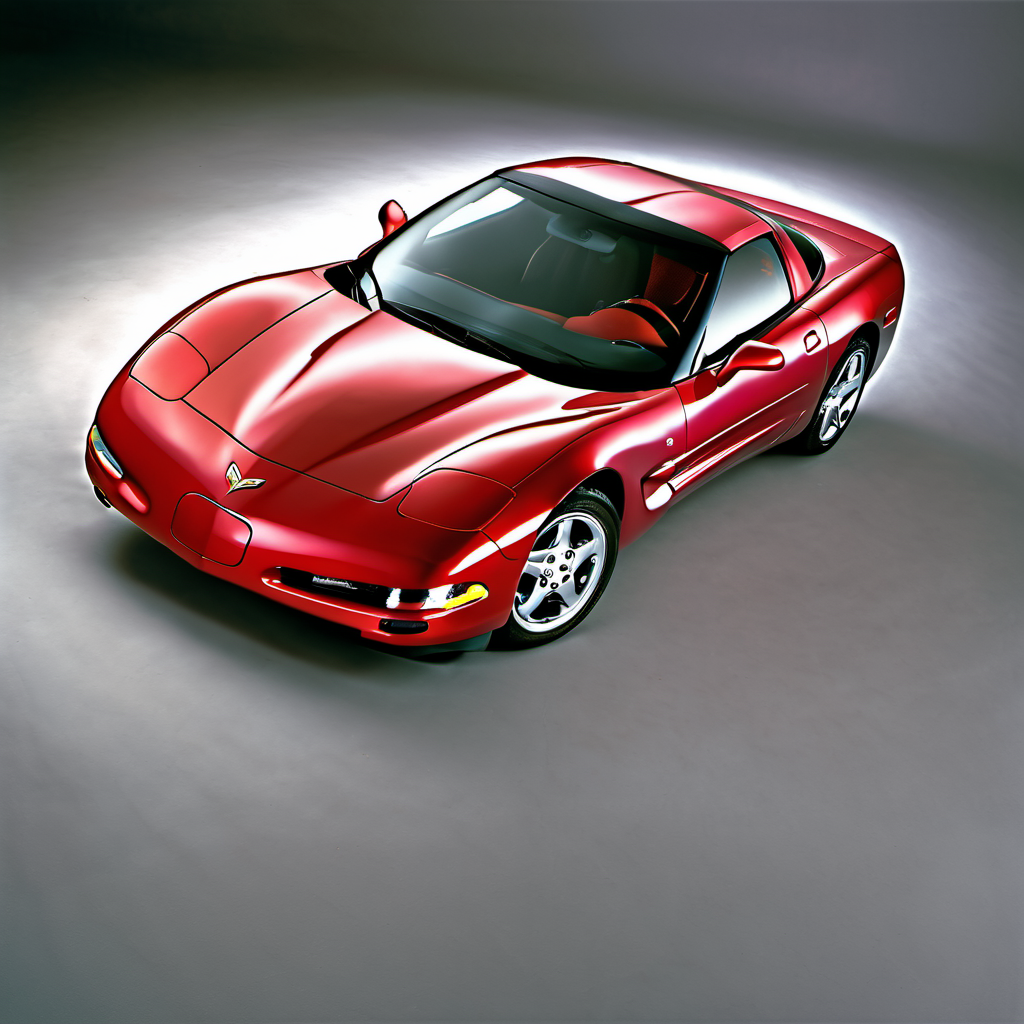
Also LS1-powered and RWD, the C5 Corvette sits above the Trans Am in performance and prestige but shares the same engine. Worth considering if budget allows — both are collector cars now.