Timing belt failure (2.0L DOHC)
high- Typically appears
- 60–100k mi (and every interval thereafter)
- Estimated repair
- $350 – $650
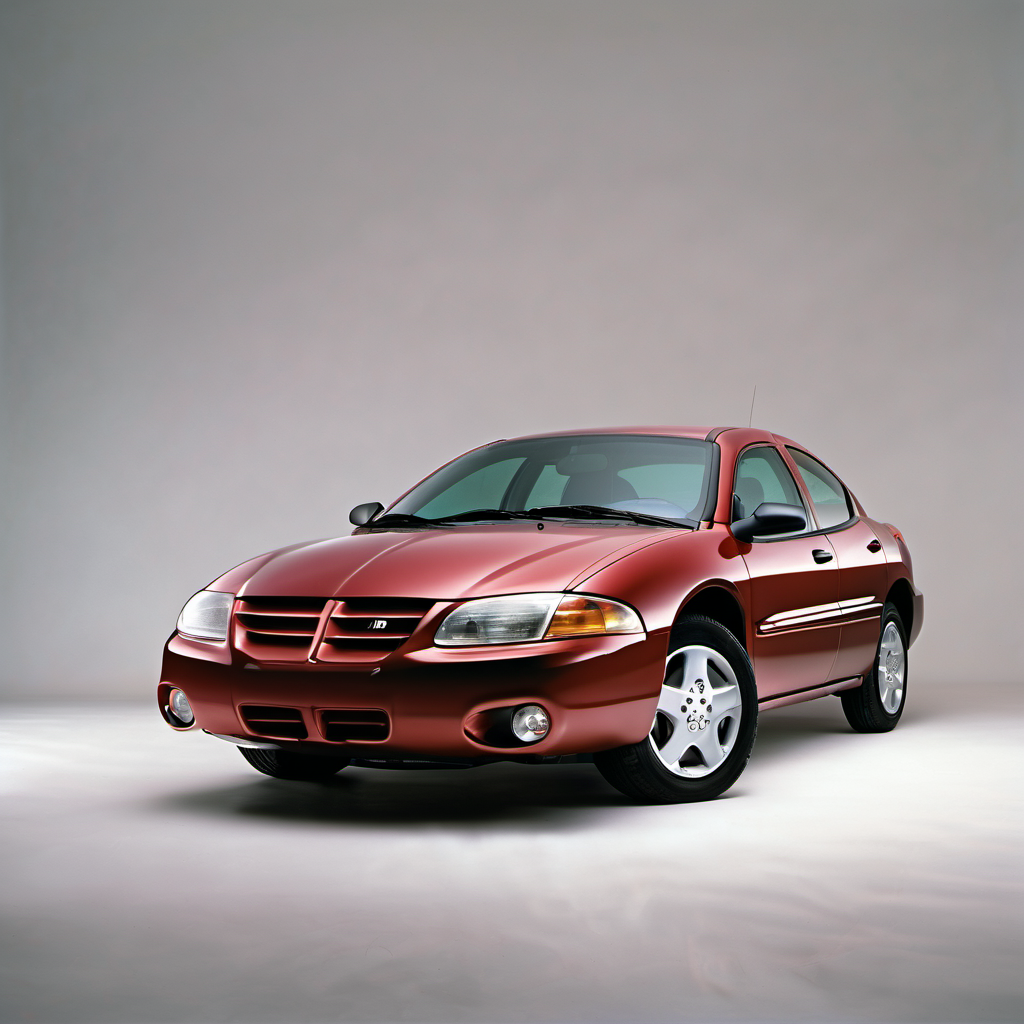
1998 Dodge
Coupe
The 1998 Dodge Avenger is a front-wheel-drive sport coupe built on the Chrysler/Mitsubishi joint platform (DSM), sharing its bones with the Mitsubishi Galant and Eclipse of the same era. It was Dodge's attempt at an affordable sporty coupe for younger buyers, offering either a 2.0L four-cylinder or an optional 2.5L V6. By 1998 the model was nearing the end of its first-generation run (it was replaced for 1999 then discontinued), so parts availability has thinned out considerably over the decades. At this age — now over 25 years old — any surviving Avenger should be treated as a high-mileage used vehicle first and a sporty coupe second. The shared Mitsubishi underpinnings actually mean decent mechanical bones, but Chrysler-era interior plastics, wiring, and rubber components are well past their service life. Rust is a real concern on Wisconsin examples, and the supply of body and trim parts has largely dried up. For a daily driver this is a risky pick in 2024; as an occasional-use or hobby car with a realistic maintenance budget, it can still be enjoyable. Expect to budget for aging rubber (belts, hoses, seals), suspension bushings, and corrosion-related repairs on any example found in the upper Midwest.
The 1998 Dodge Avenger is a front-wheel-drive sport coupe built on the Chrysler/Mitsubishi joint platform (DSM), sharing its bones with the Mitsubishi Galant and Eclipse of the same era. It was Dodge's attempt at an affordable sporty coupe for younger buyers, offering either a 2.0L four-cylinder or an optional 2.5L V6. By 1998 the model was nearing the end of its first-generation run (it was replaced for 1999 then discontinued), so parts availability has thinned out considerably over the decades. At this age — now over 25 years old — any surviving Avenger should be treated as a high-mileage used vehicle first and a sporty coupe second. The shared Mitsubishi underpinnings actually mean decent mechanical bones, but Chrysler-era interior plastics, wiring, and rubber components are well past their service life. Rust is a real concern on Wisconsin examples, and the supply of body and trim parts has largely dried up. For a daily driver this is a risky pick in 2024; as an occasional-use or hobby car with a realistic maintenance budget, it can still be enjoyable. Expect to budget for aging rubber (belts, hoses, seals), suspension bushings, and corrosion-related repairs on any example found in the upper Midwest.
The 2.0L DOHC is an interference engine. A snapped belt destroys the engine with no warning. On a 25-year-old car the rubber degrades by age as much as mileage — if history is unknown, replace immediately.
Old coolant turns acidic and attacks aluminum components. Head gasket repairs are expensive; a $150 flush and hose inspection is cheap insurance.
Rubber this old cracks from the inside out. A burst heater hose in a Wisconsin winter is a bad day; inspection costs nothing.
Glycol-based brake fluid absorbs moisture over time, lowering boiling point and accelerating internal corrosion in calipers and wheel cylinders.
FWD CV boots crack with age and contaminate the joint with grit. A torn boot found early is a $50 fix; a destroyed joint is a $200–400 axle replacement.
25-year-old fuel tanks accumulate varnish and sediment. A clogged filter stresses the fuel pump, which is expensive to replace.
A battery that starts the car at 60°F may not crank it at -10°F. Test cold-cranking amps (CCA) every autumn; clean terminals to prevent voltage drop faults.
Wisconsin road salt accelerates structural rust on rockers, subframe mounting points, and brake lines. Catching surface rust early with a wire brush and converter is far cheaper than structural repair.
Always defer to the manufacturer's service manual for warranty-mandated intervals.
On paper the Avenger looks cheap to own — but at 25+ years old, deferred maintenance catches up fast. Budget $800–$2,500/year for maintenance and repairs under normal circumstances, with realistic potential for a $1,500–$3,000 single-year spike if timing belt, head gasket, or rust work is needed. Parts sourcing adds cost and time; some items require salvage yards or online specialty vendors.
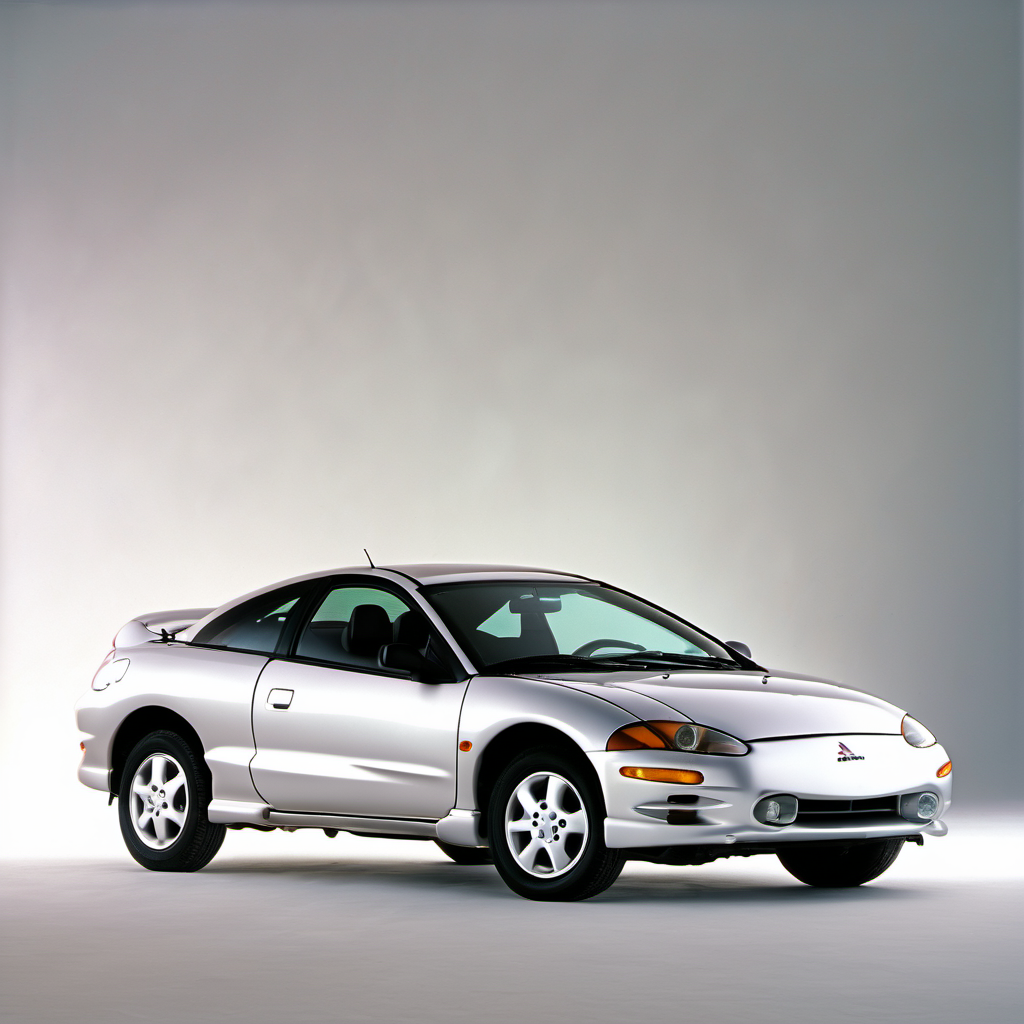
Shares the same DSM platform, similar 2.0L DOHC engine, and FWD coupe layout. Parts interchangeability makes it a natural comparison — and Eclipse parts support is somewhat better.
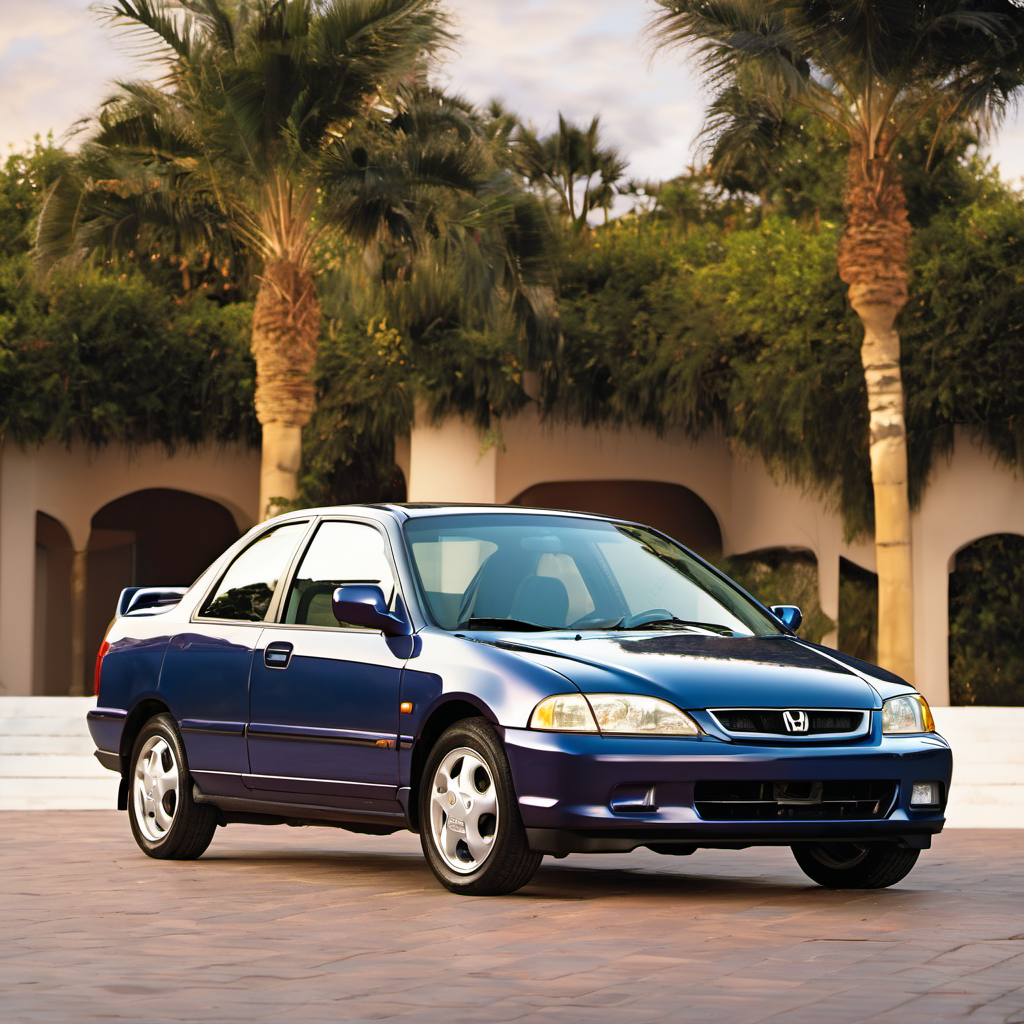
Same segment, similar price point new. Honda's reliability record and parts availability are significantly stronger at this age, making it the more practical buy for a daily driver.
Compact sport coupe in the same price bracket. Toyota's build quality and rust resistance (especially on Midwest examples) generally surpasses the Avenger's at comparable age.
No catalog match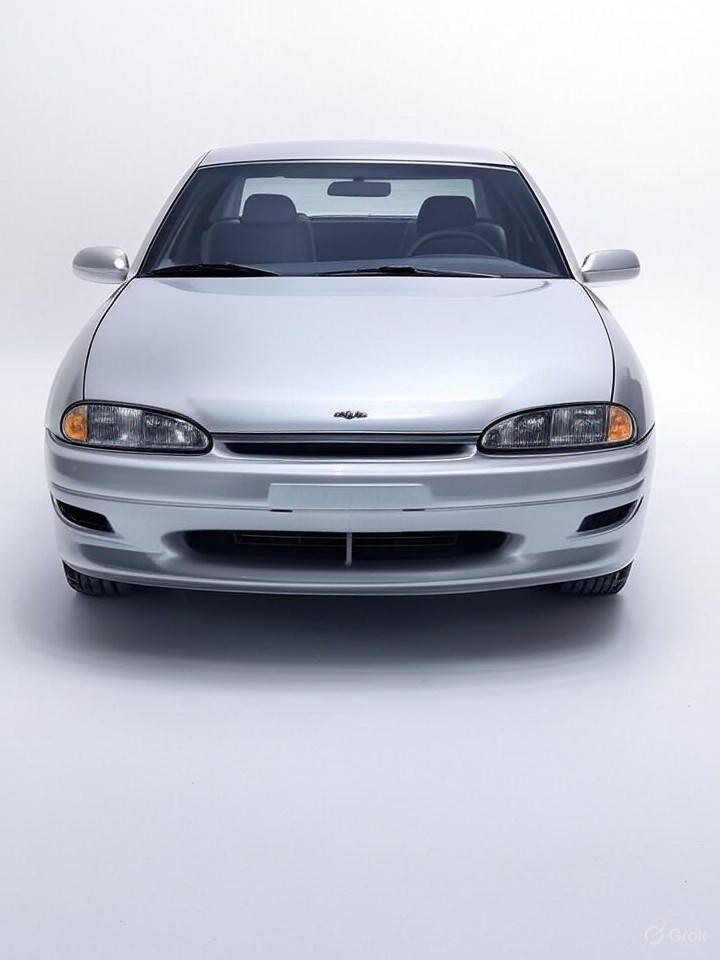
Another DSM-platform coupe (Chrysler/Mitsubishi joint venture) from the same era. Similar strengths and weaknesses; available in AWD turbo trim for buyers wanting more capability.