Intake manifold gasket and coolant system leaks
high- Typically appears
- 80–150k mi
- Estimated repair
- $200 – $500
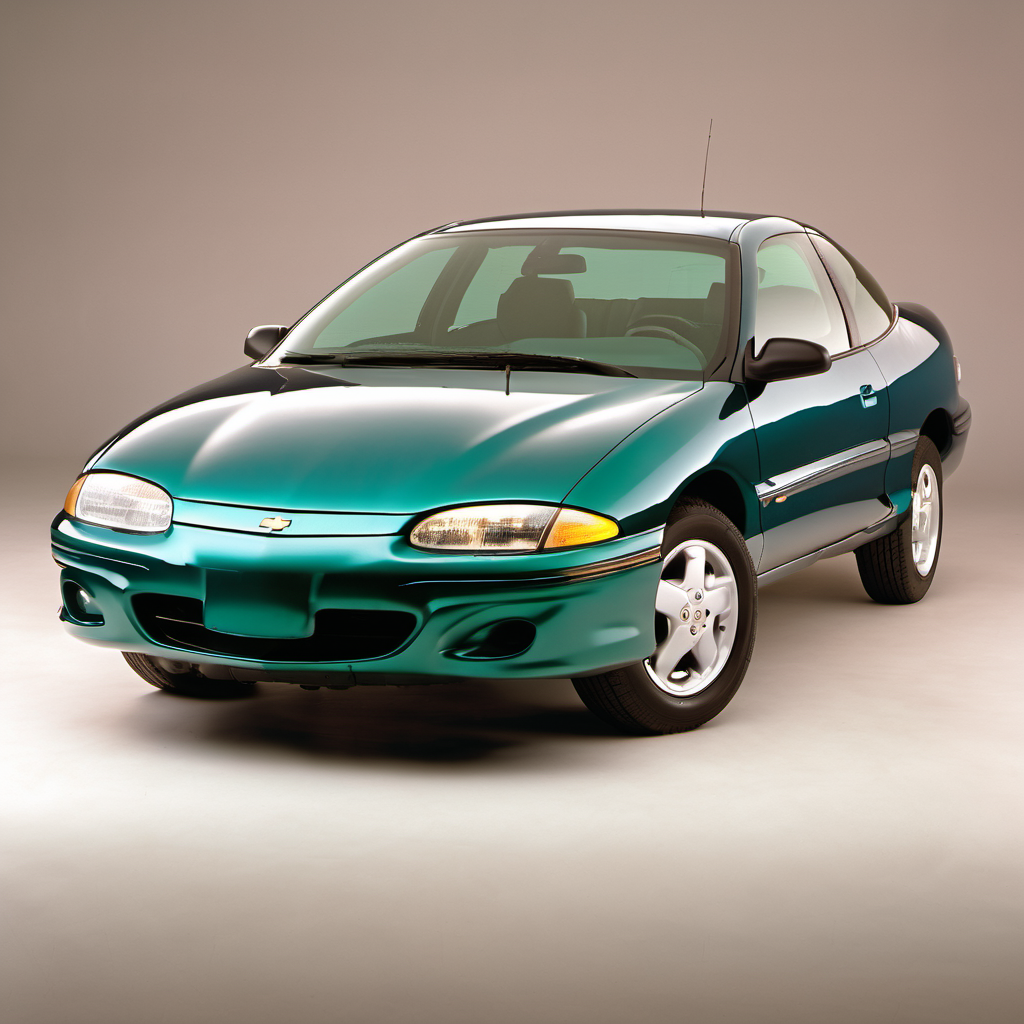
1997 Chevrolet
Coupe
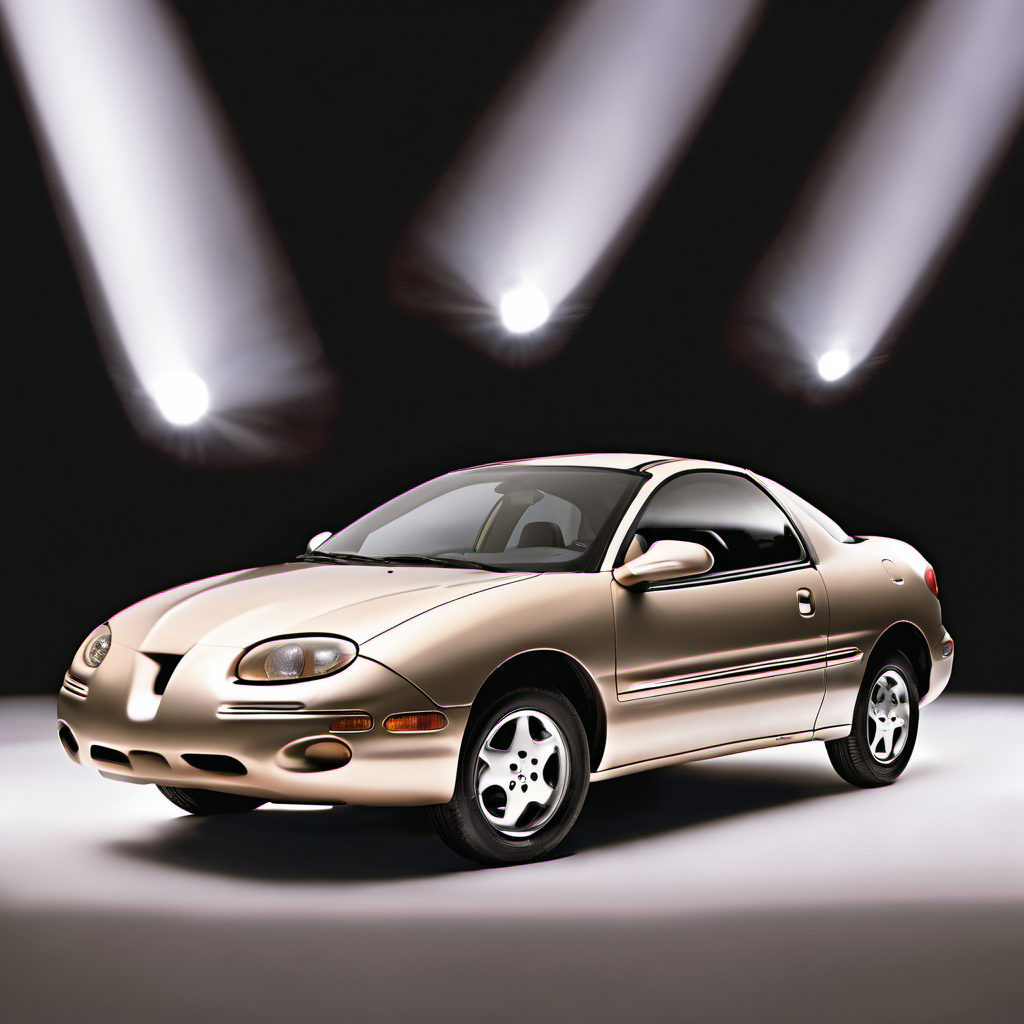
The 1997 Chevrolet Cavalier Coupe is a front-wheel-drive compact that spent most of the 1990s as one of America's best-selling economy cars — largely because it was cheap to buy and cheap to insure. Under the hood sits GM's 2.2L pushrod four-cylinder, a simple, proven engine that rewards basic maintenance with decent longevity. By 1997 the J-body platform was well-sorted but aging, and the Cavalier was already being outclassed in refinement and safety by Japanese competitors. At nearly 30 years old, any surviving Cavalier is well past its intended design life. The ones still running are either meticulously maintained survivors or tired high-mileage daily drivers held together with deferred repairs. Rust is the dominant threat in the upper Midwest — Wisconsin road salt accelerates floor pan, rocker panel, and subframe corrosion aggressively on these thin-gauge unibodies. Expect it to be an inexpensive vehicle to maintain when mechanically sound, but parts are increasingly hard to find new. This is a practical choice only for someone with mechanical aptitude who can do their own work, or who needs the absolute lowest entry cost and understands the tradeoffs.
The 1997 Chevrolet Cavalier Coupe is a front-wheel-drive compact that spent most of the 1990s as one of America's best-selling economy cars — largely because it was cheap to buy and cheap to insure. Under the hood sits GM's 2.2L pushrod four-cylinder, a simple, proven engine that rewards basic maintenance with decent longevity. By 1997 the J-body platform was well-sorted but aging, and the Cavalier was already being outclassed in refinement and safety by Japanese competitors. At nearly 30 years old, any surviving Cavalier is well past its intended design life. The ones still running are either meticulously maintained survivors or tired high-mileage daily drivers held together with deferred repairs. Rust is the dominant threat in the upper Midwest — Wisconsin road salt accelerates floor pan, rocker panel, and subframe corrosion aggressively on these thin-gauge unibodies. Expect it to be an inexpensive vehicle to maintain when mechanically sound, but parts are increasingly hard to find new. This is a practical choice only for someone with mechanical aptitude who can do their own work, or who needs the absolute lowest entry cost and understands the tradeoffs.
The 2.2L OHV runs conventional oil fine, but at this age sludge buildup from long drain intervals is common. Frequent changes are cheap insurance on a high-mileage engine.
Degraded coolant accelerates corrosion in the aluminum components and ages the hoses and thermostat housing. Inspect every hose and clamp at each service.
The 2.2L uses standard copper plugs. Aged wires crack in cold weather and cause misfires. Wisconsin winters make this a priority.
These wear fast on salted roads. A failed ball joint can cause sudden loss of steering control — do not defer this inspection.
Brake fluid is hygroscopic and absorbs moisture over time, lowering boiling point and corroding calipers. Old fluid is common on neglected Cavaliers.
Apply rust inhibitor to exposed metal annually. Wisconsin salt will attack the thin unibody floor and subframe mounting points — catch it early before it becomes structural.
A weak battery that starts fine in September can fail to crank in a Wisconsin January. Batteries over 4 years old should be tested before cold weather sets in.
Cracked CV boots let grease escape and allow water and road salt in. Catching a torn boot early costs far less than replacing the full axle.
Always defer to the manufacturer's service manual for warranty-mandated intervals.
The Cavalier's appeal has always been low total cost of ownership. Routine maintenance is inexpensive and straightforward. The risk at this age is a single large repair — a rusted subframe, a blown head gasket, or a seized suspension component — that costs more than the car is worth. Budget $600–$1,200 per year for normal maintenance, and keep a reserve for unexpected repairs.
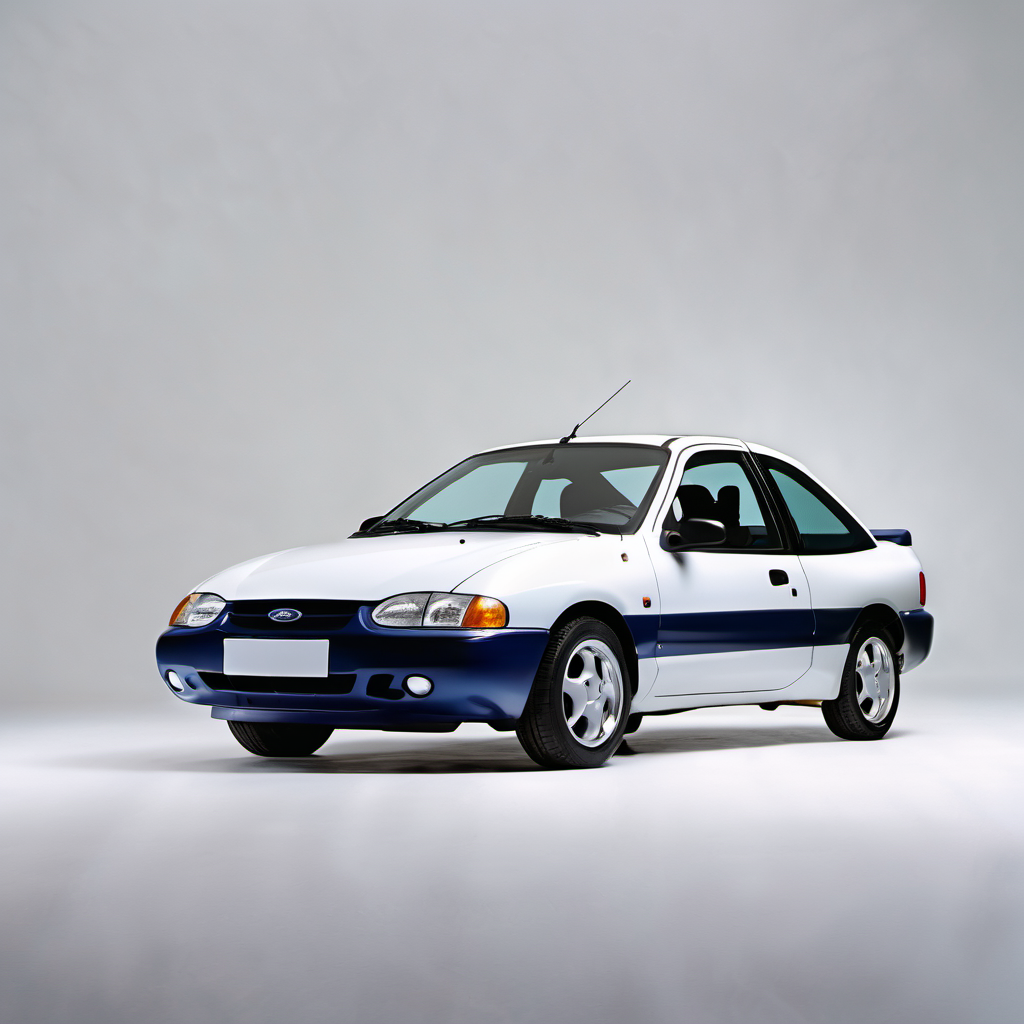
Same era, same mission — cheap FWD compact coupe with a simple engine. Similar ownership costs and rust risks in the Midwest.
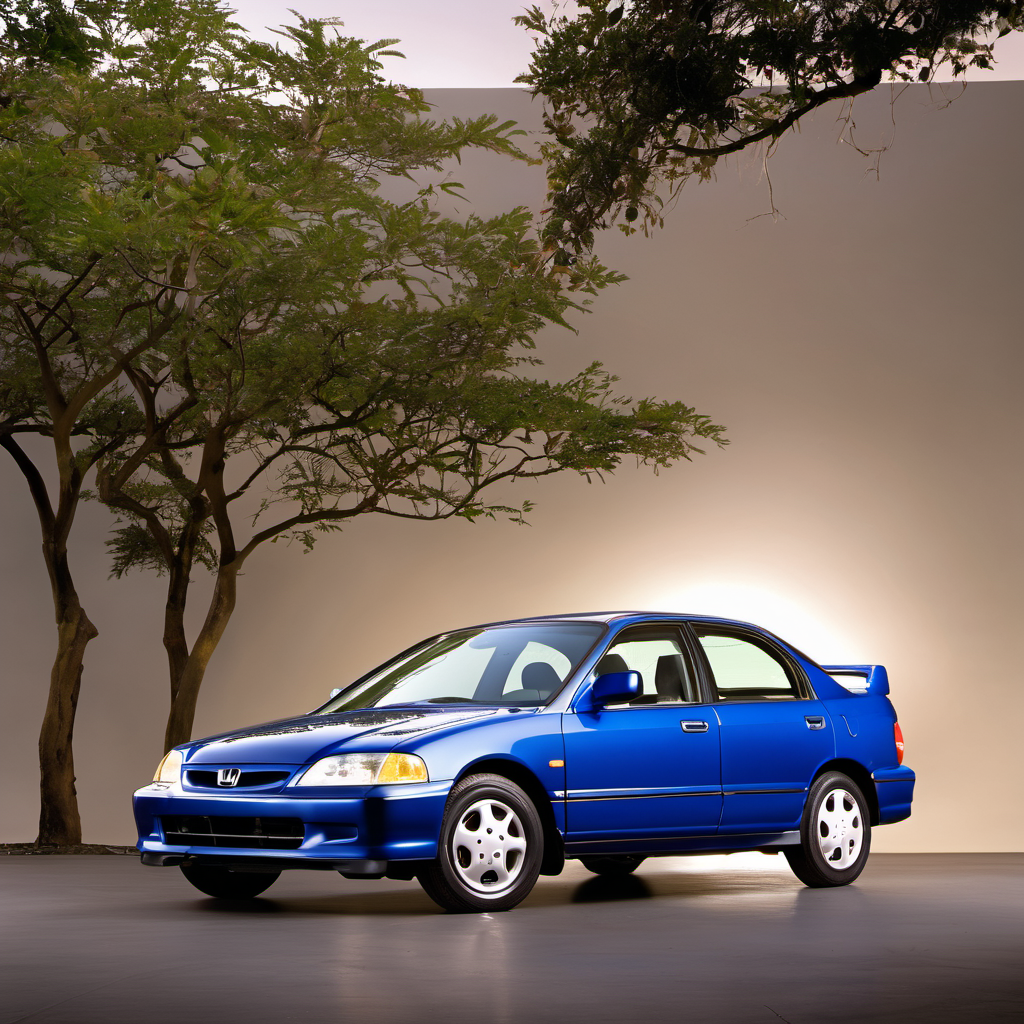
A step up in build quality and long-term reliability. Harder to find rust-free examples at this age but mechanically more robust. Parts availability remains excellent.
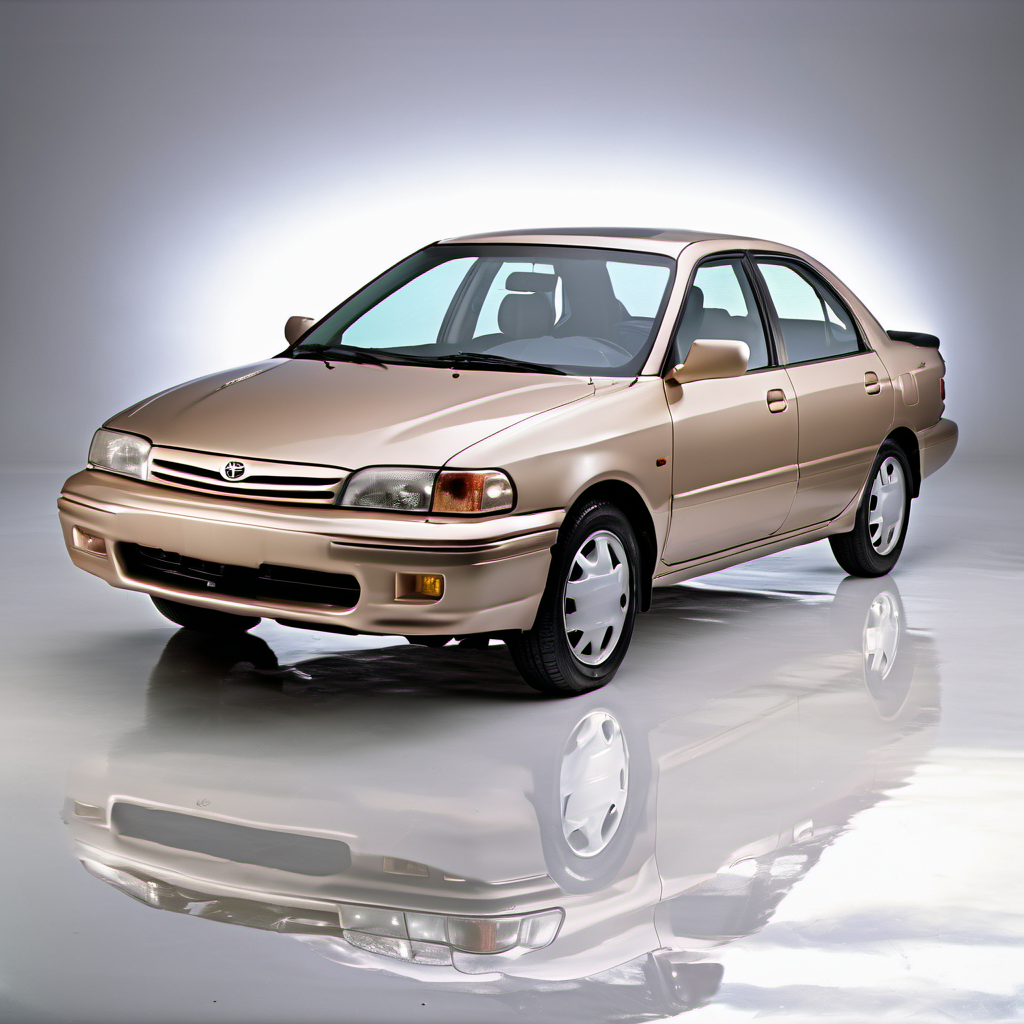
Comparable size and fuel economy with a stronger reliability track record. Typically commands a higher asking price even at this age for good reason.
Badge-engineered sibling on the same J-body platform with the same 2.2L engine. Identical strengths and weaknesses — choose whichever has the better-documented service history.