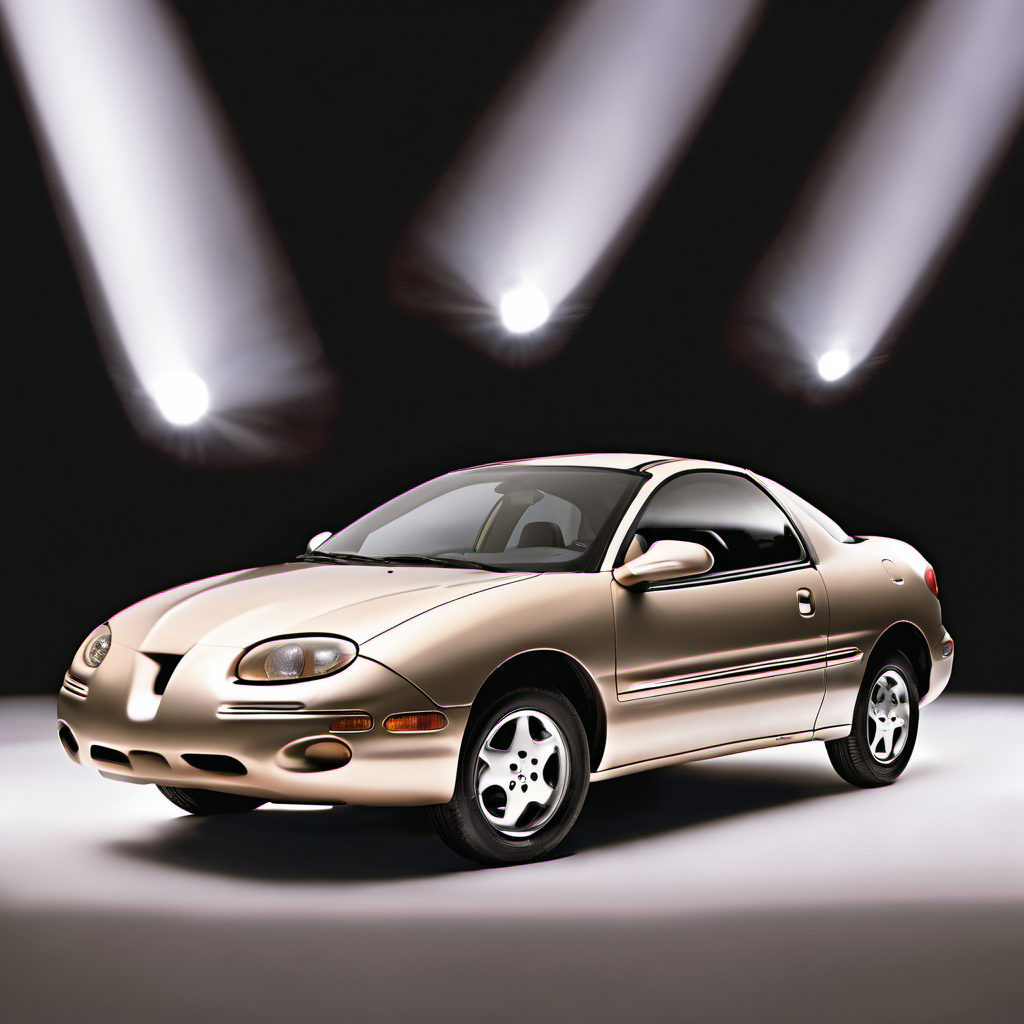
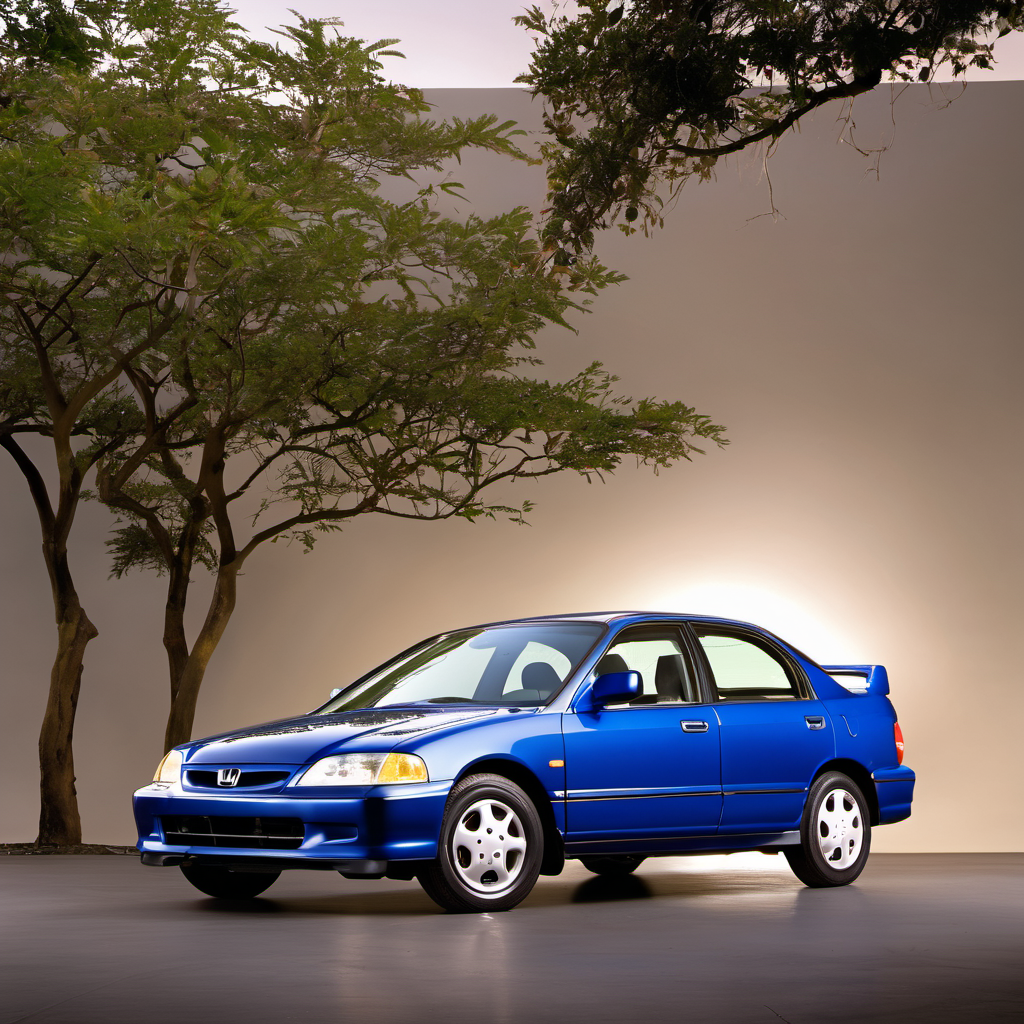
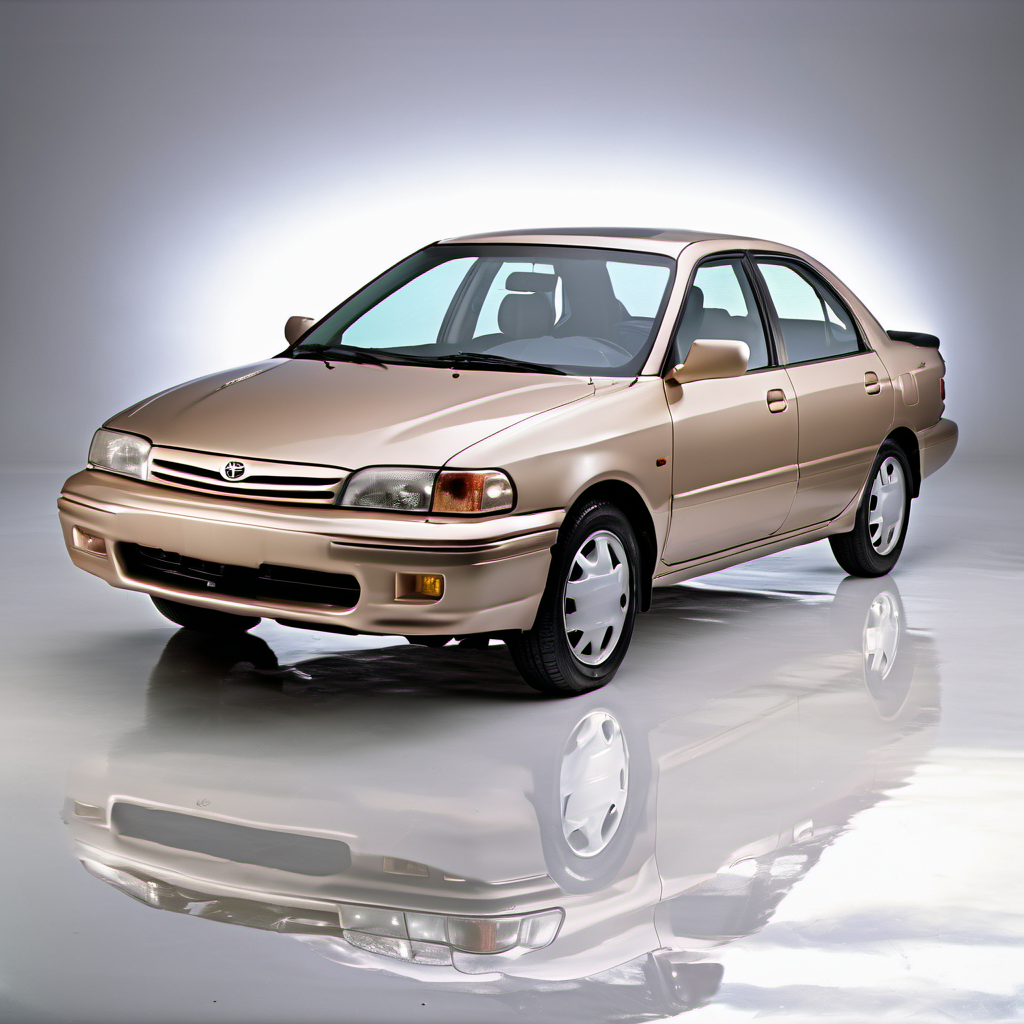
1997 Pontiac Sunfire Coupe

1997 Pontiac

SunfireCoupe

Coupe

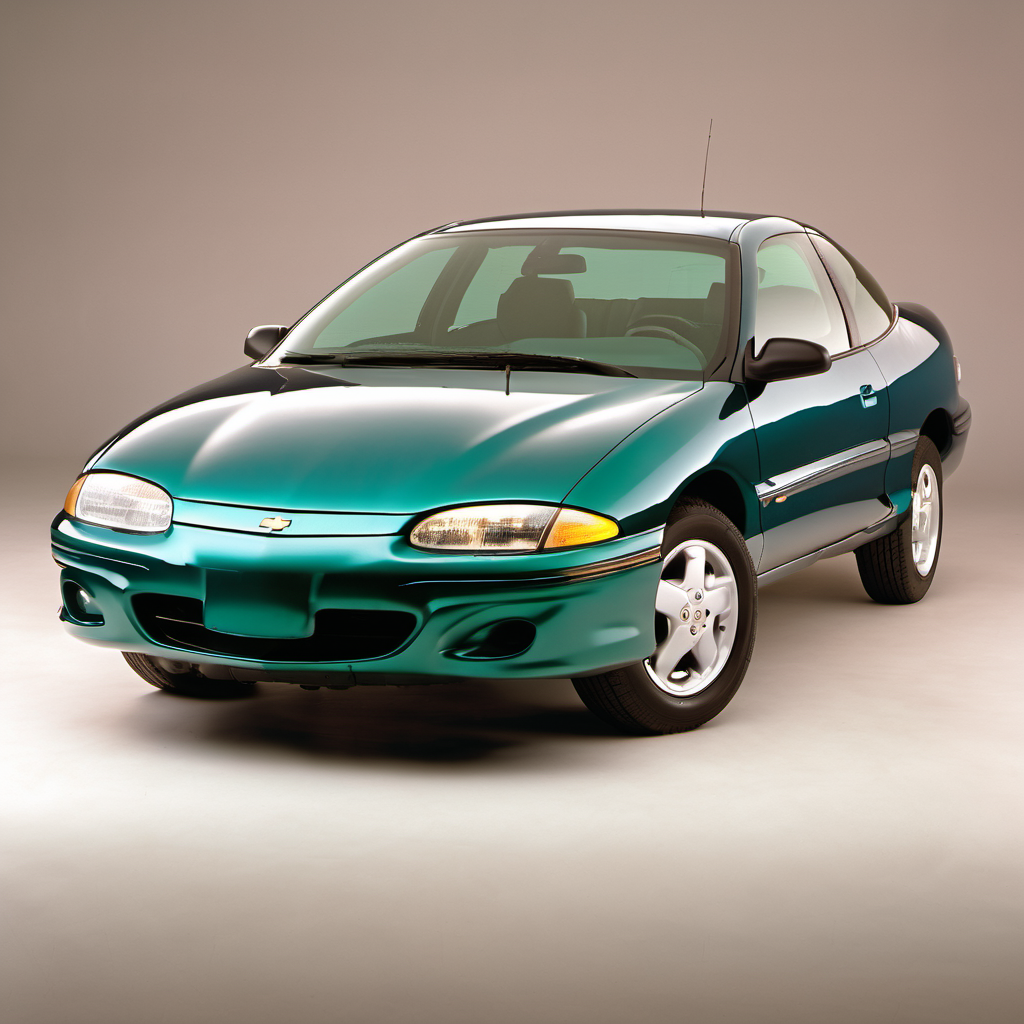
The 1997 Pontiac Sunfire Coupe is a front-wheel-drive economy compact built on GM's J-body platform, shared with the Chevrolet Cavalier. It was Pontiac's entry-level offering through most of the 1990s — affordable to buy, cheap to insure, and simple enough that a basic home mechanic could handle most routine work. The 2.2L pushrod four-cylinder is proven and parts are plentiful, though the engine and surrounding systems show their age on surviving examples. At nearly 30 years old, any Sunfire on the market today is a high-mileage survivor. The J-body platform was never known for longevity past 150k miles without consistent maintenance, and rust is the single biggest threat in Wisconsin. Expect to find body and underbody corrosion on most examples — it's not a question of if, but how bad. This is a budget commuter that made sense new and can still serve basic transportation needs if you find a clean, well-maintained copy. It is not a long-term investment, and parts availability for trim and interior pieces is shrinking. Buy it cheap, keep expectations realistic, and budget for rust repair.

Reliability
2/5
Verified data
Specs shown for Sunfire — the most common configuration. Other trims may vary in engine, drivetrain, or fuel economy. Sign in to see your vehicle's exact specs.
Engine
[object Object]
Drivetrain
FWD
Fuel
Gasoline
MPG
21 city / 29 hwy / 24 combined
Seats
Doors
Body
Compact Cars

Overview

AI-curated

The 1997 Pontiac Sunfire Coupe is a front-wheel-drive economy compact built on GM's J-body platform, shared with the Chevrolet Cavalier. It was Pontiac's entry-level offering through most of the 1990s — affordable to buy, cheap to insure, and simple enough that a basic home mechanic could handle most routine work. The 2.2L pushrod four-cylinder is proven and parts are plentiful, though the engine and surrounding systems show their age on surviving examples. At nearly 30 years old, any Sunfire on the market today is a high-mileage survivor. The J-body platform was never known for longevity past 150k miles without consistent maintenance, and rust is the single biggest threat in Wisconsin. Expect to find body and underbody corrosion on most examples — it's not a question of if, but how bad. This is a budget commuter that made sense new and can still serve basic transportation needs if you find a clean, well-maintained copy. It is not a long-term investment, and parts availability for trim and interior pieces is shrinking. Buy it cheap, keep expectations realistic, and budget for rust repair.

Known for
  • Affordable purchase and operating costs
  • Simple 2.2L pushrod engine that's easy to work on
  • Fuel economy decent for its era
  • Wide availability of mechanical parts (shared with Cavalier)
  • Sporty-for-the-price Pontiac styling in the coupe body
Best for
  • Budget-conscious buyers needing basic point-A-to-B transportation
  • First-time car owners comfortable with an older, higher-risk vehicle
  • DIY mechanics who want a simple platform to learn on
  • Short-haul city and suburb commuting
Watch for
  • Severe underbody and frame rail rust — especially in Wisconsin
  • Head gasket failures on the 2.2L, particularly on high-mileage engines
  • Intake manifold gasket leaks causing coolant loss and overheating
  • Worn or cracked engine mounts causing vibration and drivetrain stress
  • Electrical gremlins from aging wiring and connectors

Common issues by mileage

6 known

Intake Manifold Gasket Failure

high
Typically appears
60–120k mi
Estimated repair
$200 – $450

Head Gasket Failure / Coolant Loss

medium
Typically appears
100–150k mi
Estimated repair
$800 – $1,400

Lower Ball Joint and Tie Rod Wear

high
Typically appears
80–130k mi
Estimated repair
$250 – $550

Rust — Rocker Panels, Subframe, and Brake Lines

high
Typically appears
Any mileage on a Wisconsin-driven car
Estimated repair
$300 – $2,500

Worn Engine Mounts

high
Typically appears
80–140k mi
Estimated repair
$150 – $350

Maintenance schedule

  1. 1
    Every 3,000–5,000 miles Engine oil and filter change

    The 2.2L OHV engine depends on clean oil to lubricate its valve train. Older engines with any sludge history will show accelerated wear without frequent changes.

  2. 2
    Every 2 years or 30,000 miles Coolant system flush and pressure test

    Intake and head gasket failures are more likely when coolant is old and acidic. A pressure test can catch a failing gasket before it causes overheating damage.

  3. 3
    Every year — more often if the car sits outside Brake line inspection

    Wisconsin road salt causes brake lines on J-body cars to rust from the outside in. A line failure is a safety emergency. Inspect and replace any lines showing pitting or bubbling.

  4. 4
    Every 60,000 miles or at first sign of cracking Serpentine belt and tensioner inspection

    Belt failure stops charging and cooling simultaneously. Tensioner wear is common on high-mileage 2.2L engines.

  5. 5
    Every 30,000 miles Spark plugs and wires

    The 2.2L uses conventional (non-iridium) plugs. Worn plugs cause rough idle and reduced fuel economy on an already modest engine.

  6. 6
    Every year or 15,000 miles Front suspension inspection (ball joints, tie rods, bushings)

    J-body front suspension components wear quickly, especially on potholed Wisconsin roads. Worn ball joints can cause loss of steering control.

  7. 7
    Every fall before winter Battery load test

    A marginal battery that starts the car in September may fail at -10°F in January. The 2.2L cold-start demands on an older battery should not be underestimated.

  8. 8
    Every spring after salt season Underbody and rocker panel rust inspection

    Catch rust early when it can be treated with converter and undercoating. Once subframe or brake line rust becomes structural, repair costs can exceed the car's value.

Always defer to the manufacturer's service manual for warranty-mandated intervals.

Cost of ownership

Annual maintenance
$600 – $1,800
Fuel
At 24 MPG combined and roughly 12,000 miles/year, expect around $1,500–$1,800/year at current Wisconsin gas prices. Fuel cost is a genuine strength of this car.
Insurance
Liability-only coverage on a vehicle this age and value typically runs $400–$700/year in the Lake Geneva area. Full coverage rarely makes financial sense at current book values.

The Sunfire is cheap to buy and insure, and fuel costs are manageable. The risk is unplanned repair bills — a head gasket job or rust repair can cost more than the car is worth in a single visit. Keep a repair reserve of at least $1,000 and reassess the car's value vs. repair cost each time something major comes up.
Seasonal care

Lake Geneva, WI
Winter
  • Load-test the battery every fall — cold cranking amps drop sharply below 0°F and the factory battery size is minimal for a Wisconsin winter.
  • Switch to a full-synthetic 5W-30 oil before temperatures drop below 20°F to improve cold-start lubrication.
  • Inspect and replace wiper blades with winter-rated blades; the Sunfire's wiper system is underpowered against heavy snow.
  • Fill the washer fluid reservoir with a -20°F or lower rated fluid — the standard J-body reservoir is small and runs dry fast in salt season.
  • Inspect brake lines and fuel lines for rust before winter; road salt will accelerate any existing corrosion aggressively.
  • Apply a fresh coat of undercoating or rust inhibitor to exposed underbody metal before first snowfall if the car will be driven on salted roads.
Summer
  • Pressure-test the cooling system before hot weather — the 2.2L's aging intake gaskets are most likely to weep coolant when the engine runs hot.
  • Check the A/C system charge; the original R-134a systems on mid-90s J-bodies leak slowly over time and may need a recharge.
  • Check tire pressure monthly — heat causes pressure to rise and the Sunfire's stock tire size has little margin for over-inflation.
  • Inspect the serpentine belt for cracking; summer heat accelerates rubber degradation on a belt that may already have significant age on it.

Comparable vehicles

If you're shopping for one

Red flags
  • Any visible rust on rocker panels, subframe pickup points, or brake lines — walk away or negotiate a steep discount to cover repair
  • Coolant with oil contamination (milky residue on the dipstick or in the reservoir) — likely head or intake gasket failure in progress
  • Smoke from the exhaust on startup or a sweet burning smell — coolant is entering the combustion chamber
  • Rough idle or misfire with no recent tune-up — could indicate deeper engine wear on a high-mileage motor
  • Any sign of flood damage (musty interior smell, water stains on carpet, corrosion on underdash connectors) — wiring on these cars is already fragile at this age
What to inspect
  • Brake lines along the full underbody length — look for rust scale, pitting, or moisture bubbles
  • Subframe and lower control arm mounting points for structural rust
  • Coolant overflow reservoir color and clarity — should be clean, not brown or oily
  • Front lower ball joints for play — grab the wheel at 6 and 12 o'clock and check for movement
  • All four corners for uneven tire wear — indicates alignment or suspension wear
  • Engine mounts — watch for excessive engine movement when revving in park
  • Interior for signs of water intrusion around the windshield seal and rear hatch seams
AI profile generated 11 days ago · claude-sonnet-4-6 · v2.