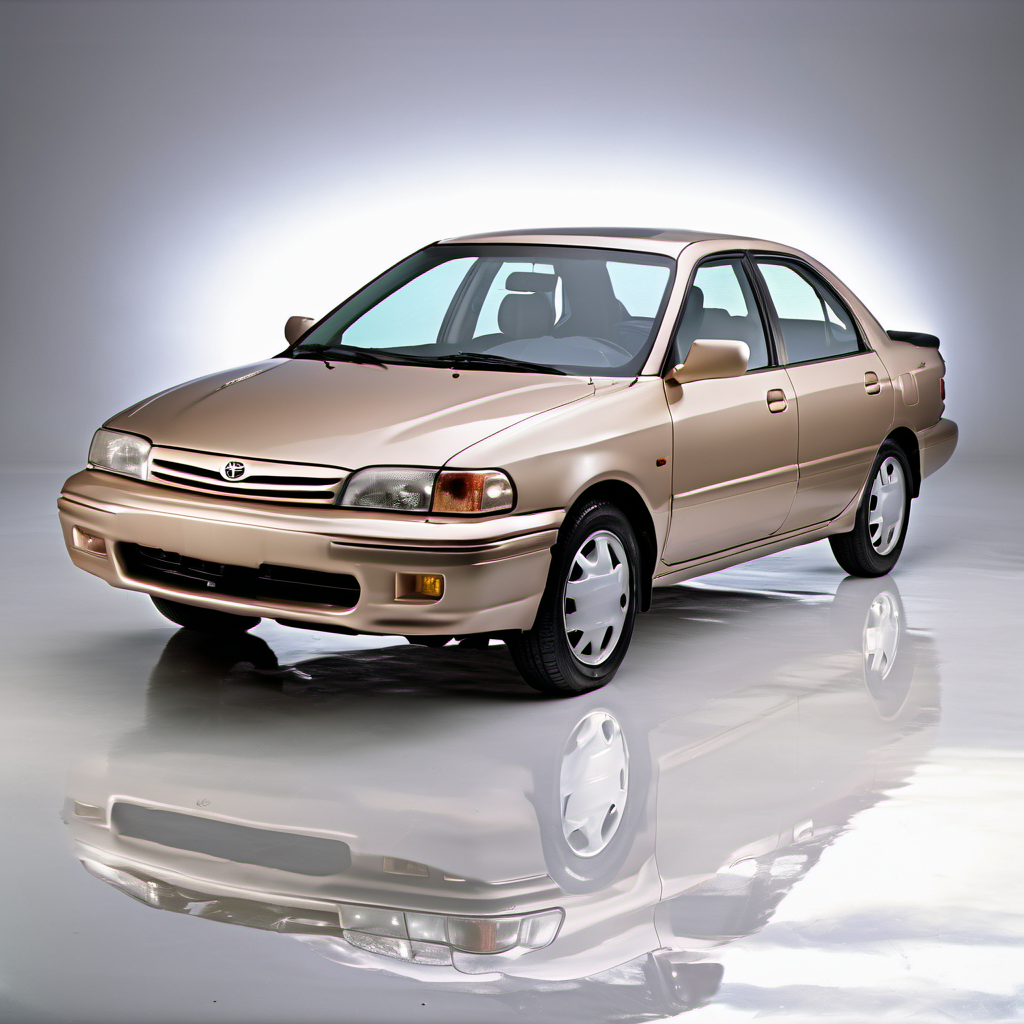
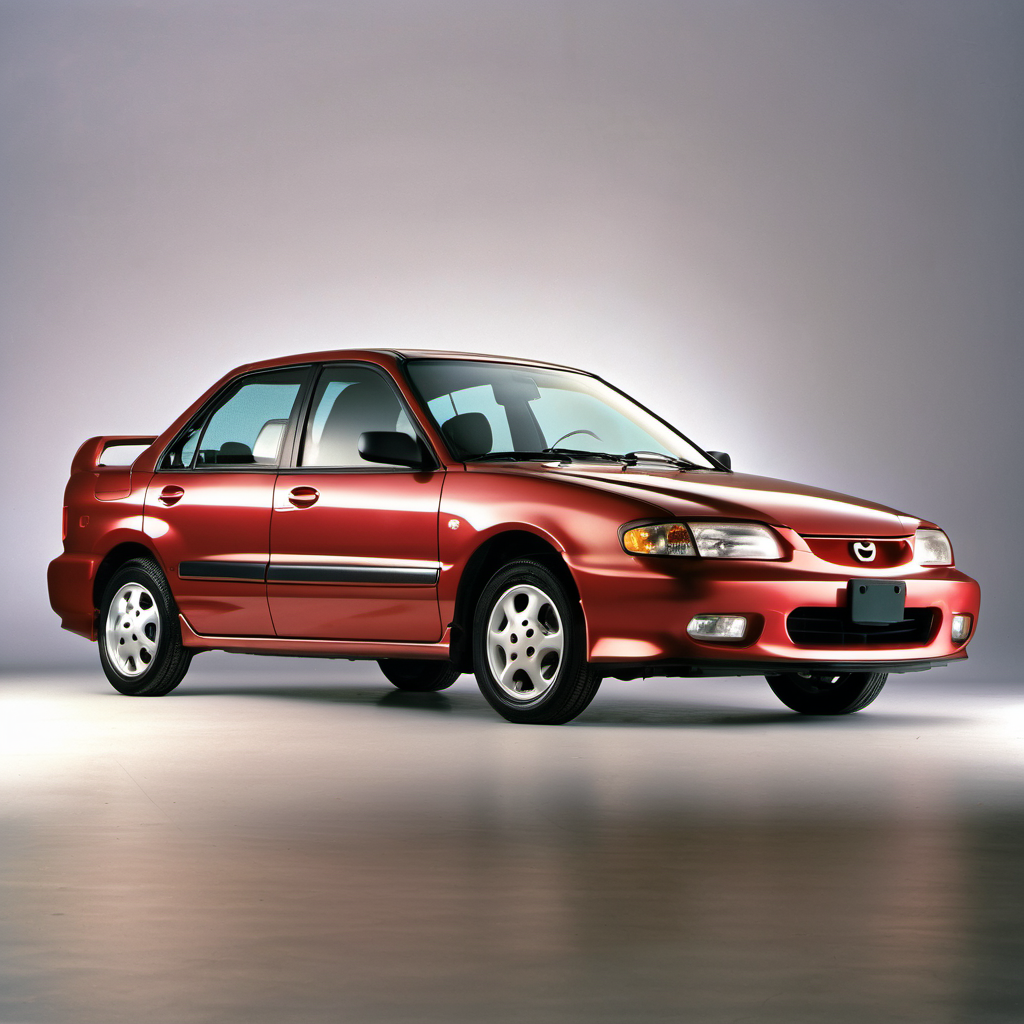
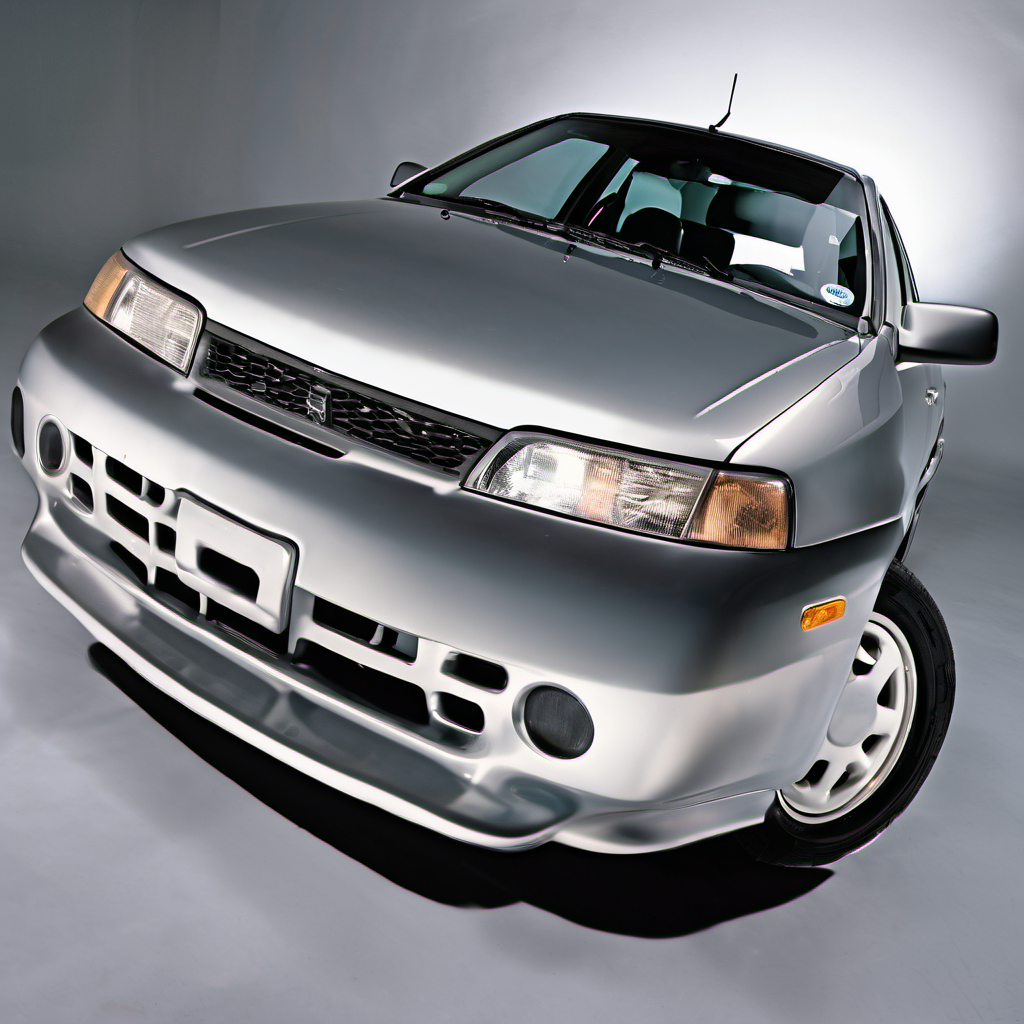
1997 Toyota Corolla Sedan

1997 Toyota

CorollaSedan

Sedan

The 1997 Toyota Corolla is the eighth generation of one of the world's best-selling cars, offered here as a four-door sedan. This year sits in the E100 body generation, powered by a 1.6L four-cylinder and paired with either a 3-speed automatic or 5-speed manual. It was built at a time when Toyota's reputation for durability was at its peak, and well-maintained examples regularly exceed 200,000 miles without major mechanical intervention. For a 27-year-old economy car, the '97 Corolla remains surprisingly practical. Parts are cheap and widely available, independent shops know the platform cold, and the simple mechanicals mean fewer things to go wrong. It is not exciting, but it is honest transportation. The biggest concern at this age is not mechanical failure — it's rust. Wisconsin winters and road salt are brutal on these older Corollas, and undercarriage corrosion is the number-one reason they leave the road. A solid, rust-free '97 Corolla is a genuine find; a rusty one is a money pit regardless of how well the engine runs.

Reliability
4/5
Verified data
Specs shown for Corolla — the most common configuration. Other trims may vary in engine, drivetrain, or fuel economy. Sign in to see your vehicle's exact specs.
Engine
[object Object]
Drivetrain
FWD
Fuel
Gasoline
MPG
22 city / 27 hwy / 24 combined
Seats
Doors
Body
Subcompact Cars

Overview

AI-curated

The 1997 Toyota Corolla is the eighth generation of one of the world's best-selling cars, offered here as a four-door sedan. This year sits in the E100 body generation, powered by a 1.6L four-cylinder and paired with either a 3-speed automatic or 5-speed manual. It was built at a time when Toyota's reputation for durability was at its peak, and well-maintained examples regularly exceed 200,000 miles without major mechanical intervention. For a 27-year-old economy car, the '97 Corolla remains surprisingly practical. Parts are cheap and widely available, independent shops know the platform cold, and the simple mechanicals mean fewer things to go wrong. It is not exciting, but it is honest transportation. The biggest concern at this age is not mechanical failure — it's rust. Wisconsin winters and road salt are brutal on these older Corollas, and undercarriage corrosion is the number-one reason they leave the road. A solid, rust-free '97 Corolla is a genuine find; a rusty one is a money pit regardless of how well the engine runs.

Known for
  • Exceptional long-term reliability with proper maintenance
  • Simple, mechanic-friendly 1.6L four-cylinder engine
  • Low operating and repair costs
  • Efficient fuel economy for its era
  • High parts availability even at 27 years old
Best for
  • Budget-conscious commuters who want dependable transport
  • First-time car owners learning basic maintenance
  • Buyers who want a proven platform with cheap repair bills
  • City driving and highway commuting
Watch for
  • Severe undercarriage and rocker panel rust — the top killer of this generation
  • Aging rubber: coolant hoses, belts, and CV boots crack with age regardless of mileage
  • Worn or leaking automatic transmission on high-mileage examples
  • Air conditioning systems that have lost refrigerant charge over 27 years
  • Neglected timing belt (interference engine — a broken belt means engine damage)

Common issues by mileage

6 known

Rust on rocker panels, undercarriage, and floor pans

high
Typically appears
Any mileage — age-driven
Estimated repair
$500 – $3,500

Timing belt failure or overdue replacement

high
Typically appears
60–90k mi intervals
Estimated repair
$300 – $550

Cracked or leaking coolant hoses and radiator

high
Typically appears
Any — age-related
Estimated repair
$150 – $600

Worn CV axle boots leading to joint failure

medium
Typically appears
80–150k mi
Estimated repair
$150 – $400

Oxygen sensor degradation causing rough running and poor fuel economy

medium
Typically appears
100–150k mi
Estimated repair
$100 – $250

Automatic transmission slipping or delayed engagement

medium
Typically appears
120k+ mi
Estimated repair
$400 – $2,200

Maintenance schedule

  1. 1
    Every 5,000 mi or 6 months Engine oil and filter change

    The 4A-FE engine is simple and long-lived, but neglected oil is the fastest way to shorten its life. Use conventional 5W-30 per Toyota spec; synthetic is fine but not required.

  2. 2
    Every 60,000–90,000 mi Timing belt and water pump replacement

    This is an interference engine. If the timing belt snaps, valves meet pistons and the engine is destroyed. At 27 years old, replace immediately if history is unknown — rubber degrades with age, not just mileage.

  3. 3
    Every 30,000 mi or 2 years Coolant flush and hose inspection

    Aging coolant becomes acidic and accelerates corrosion inside the engine. At this vehicle's age, inspect every hose for cracking and softness at every service.

  4. 4
    Every 30,000 mi Transmission fluid change (automatic)

    Toyota's older automatics are durable but suffer when fluid is never changed. Dark, burnt-smelling fluid means the clutch packs are already stressed.

  5. 5
    Every 15,000 mi or annually Brake inspection including hardware and lines

    Brake lines on 27-year-old Wisconsin cars are high rust-risk. Inspect steel lines and rubber flex hoses for corrosion and cracking annually — a burst line is a safety emergency.

  6. 6
    Every 2 years or as needed Undercarriage rust inspection and treatment

    Road salt is the top threat to this vehicle's longevity. Annual inspection and touch-up of any bare metal with rust-inhibiting undercoating extends structural life significantly.

  7. 7
    Every 30,000 mi Spark plugs and ignition wires

    Original-spec copper plugs are fine for this engine. Worn plugs and cracked ignition wires cause misfires and hard cold starts — both annoying in a Wisconsin winter.

  8. 8
    Every fall Battery load test

    A battery that passes a summer test can fail its first sub-zero morning. The 1.6L is easy to start when healthy, but a weak battery plus cold oil is a no-start situation.

Always defer to the manufacturer's service manual for warranty-mandated intervals.

Cost of ownership

Annual maintenance
$400 – $1,000
Fuel
At 24 MPG combined and ~12,000 miles/year, expect roughly $1,400–$1,600/year in fuel at current Wisconsin pump prices.
Insurance
Typically one of the cheapest vehicles to insure — expect $600–$1,000/year for full coverage on a driver with a clean record, though the car's low market value may make liability-only the smarter choice.

The '97 Corolla is about as cheap to own as a car gets. Routine maintenance is inexpensive and straightforward. The financial wildcard is rust repair — a moderate rust job at an independent shop can cost as much as the car is worth. Vet the undercarriage hard before buying, and budget $400–$800/year for normal upkeep on a solid example.
Seasonal care

Lake Geneva, WI
Winter
  • Load-test the battery every fall — cold starts are brutal on a weak battery and this car has no Stop/Start system to rely on.
  • Switch to a winter-weight washer fluid rated to at least -20°F; the reservoir is small and runs out fast when you're fighting road brine.
  • Inspect wiper blades before first snow and consider winter-specific beam blades — standard blades ice up quickly in Wisconsin freeze-thaw cycles.
  • Check antifreeze concentration to ensure protection to at least -34°F; flush if the coolant is old or discolored.
  • Rinse the undercarriage at a touchless car wash every 2–3 weeks during salting season — this is the single best rust-prevention habit for this vehicle.
  • Verify the heater core and blower motor are working properly before temperatures drop; a '97 Corolla heater that fails in January is a safety issue, not just a comfort issue.
Summer
  • Check tire pressure monthly — tires gain roughly 1 PSI for every 10°F increase in temperature and overinflation causes uneven wear.
  • Inspect the A/C system for refrigerant charge; a 27-year-old system has likely lost some charge and may not cool adequately in a Wisconsin July.
  • Watch coolant temperature closely on hot days — a partially clogged radiator that manages fine in cool weather can push the engine toward overheating in summer.
  • Park in shade when possible; the cabin of a small sedan heat-soaks quickly and places thermal stress on the dashboard plastics and interior trim on this older vehicle.

Comparable vehicles

If you're shopping for one

Red flags
  • Soft, punky floor pans under the carpet — means structural rust that often costs more to fix than the car is worth.
  • No timing belt service records on a high-mileage example — walk away or negotiate the repair cost into the price.
  • Milky or foamy oil on the dipstick or under the oil cap — indicates a head gasket leak mixing coolant into the oil.
  • Transmission that slips, shudders, or clunks into gear — rebuilds on this transmission can approach or exceed the car's market value.
  • Any evidence of collision repair on a 27-year-old car where structural rust is also present — combining rust and previous crash damage is a serious safety concern.
What to inspect
  • Undercarriage, rocker panels, and floor pans — get the car on a lift and bring a flashlight and a screwdriver to probe any suspicious areas.
  • Timing belt condition and replacement history — ask for records; if unknown, factor a $400–$550 belt/water pump job into your offer.
  • All rubber: coolant hoses, CV boots, brake flex hoses, and engine mounts. Age cracks rubber regardless of mileage.
  • Brake line condition — probe steel lines near the rear axle and frame for heavy corrosion; replacement can be $600–$1,200 if lines have to be fabricated.
  • Transmission engagement — test cold and warm starts; a healthy automatic should engage smoothly with no slipping or shuddering.
  • A/C function — if it blows warm, budget for a refrigerant service and potential leak diagnosis before summer.
AI profile generated 1 mo ago · claude-sonnet-4-6 · v2.