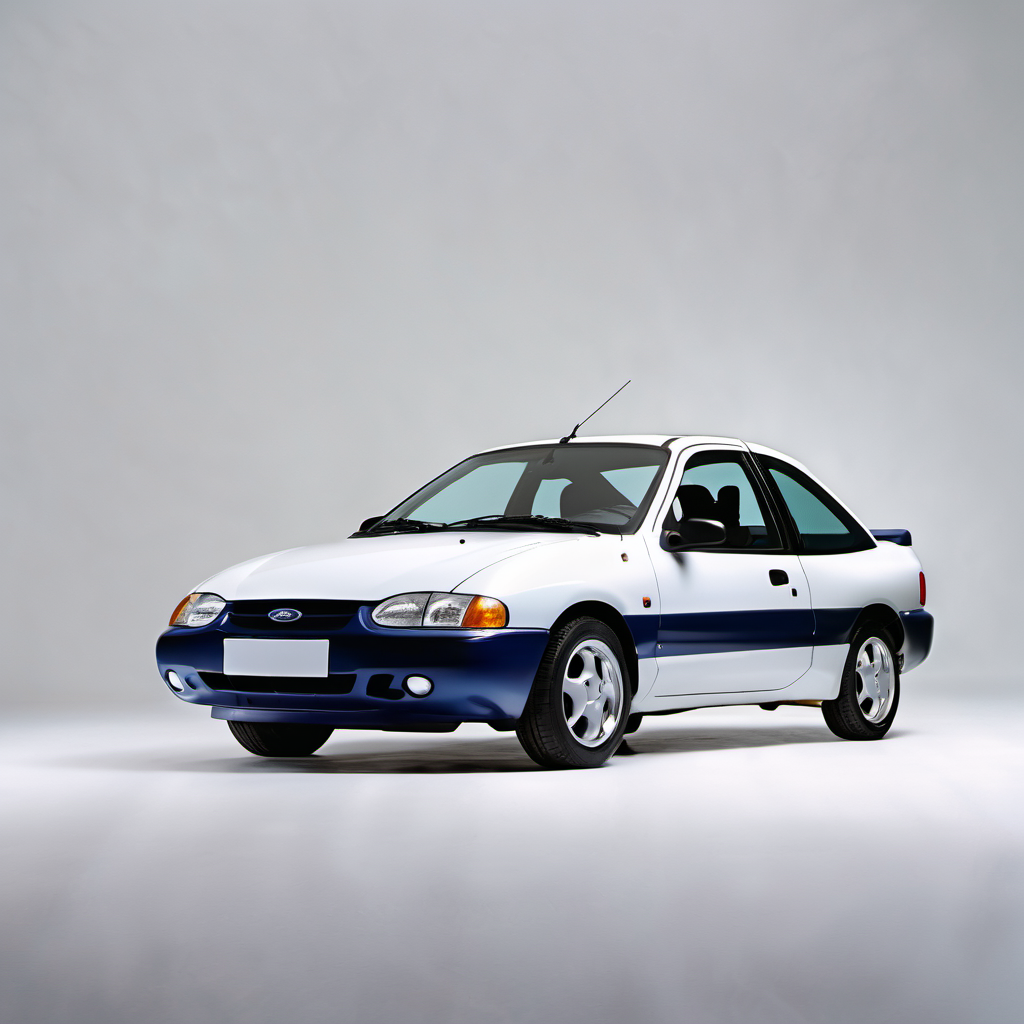
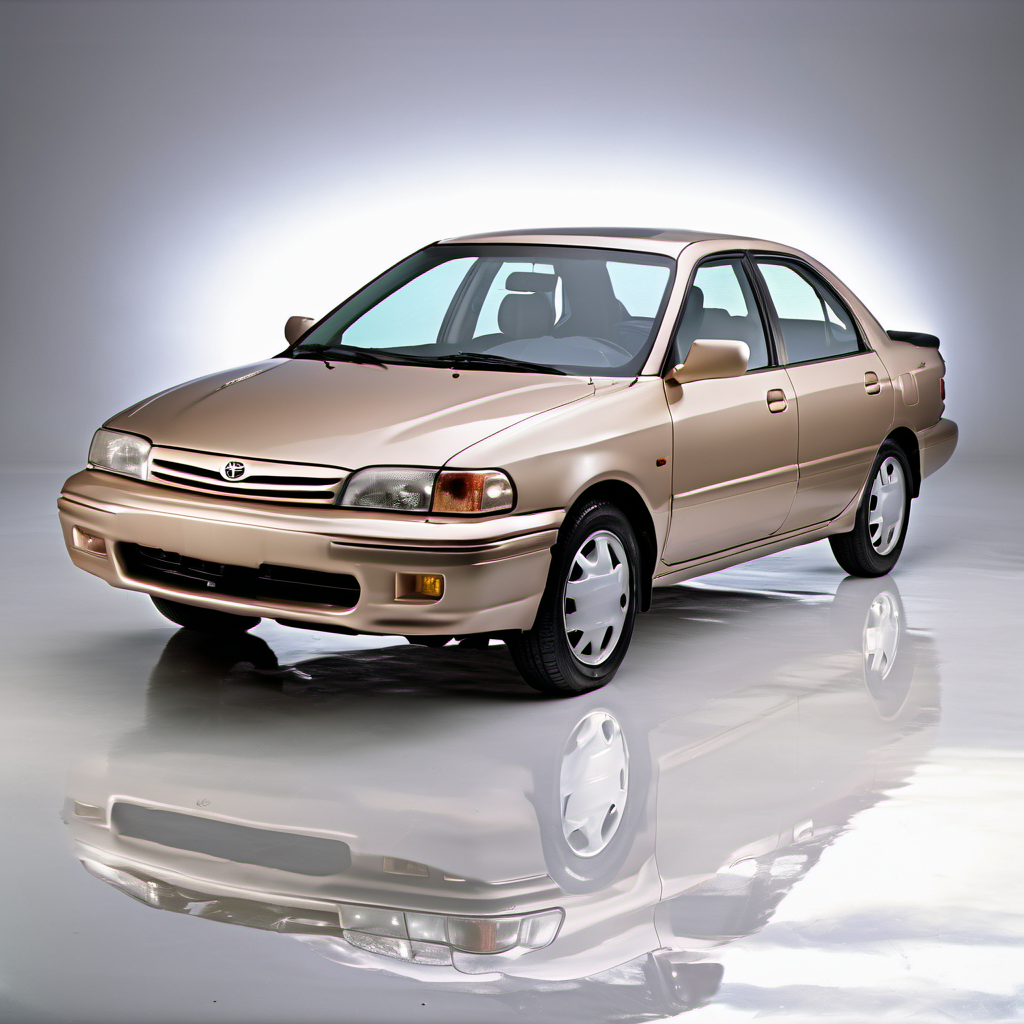
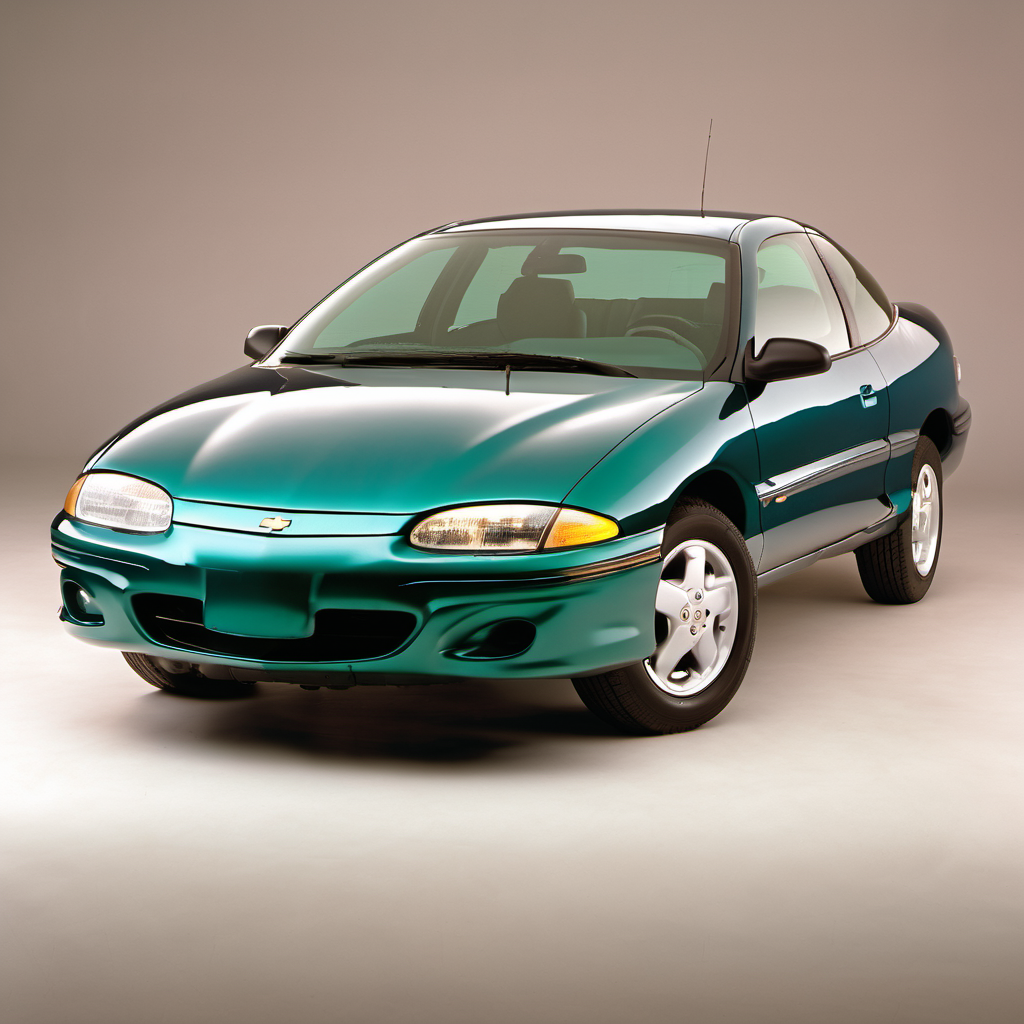
1997 Ford Escort Sedan

1997 Ford

EscortSedan

Sedan

The 1997 Ford Escort is a compact front-wheel-drive sedan that served as Ford's entry-level car through the 1990s. Affordable to buy and cheap to run, it earned a loyal following among commuters and first-time car buyers. The second-generation Escort (1991–2002) was a significant improvement over the original, sharing platform roots with the Mazda 323 and offering a reasonably modern feel for its class. Power comes from a 2.0L four-cylinder paired with a 5-speed manual or 4-speed automatic. Neither is exciting, but both are mechanically straightforward and inexpensive to repair at an independent shop. Fuel economy is good for the era, and parts are still plentiful. At 27 years old, any surviving Escort is a high-mileage vehicle. Condition varies wildly — rust is the single biggest concern in Wisconsin, where road salt accelerates frame and underbody corrosion. A clean, well-maintained example can still be a reliable daily driver, but buying one without a thorough inspection is a gamble.

Reliability
3/5
Verified data
Specs shown for Escort — the most common configuration. Other trims may vary in engine, drivetrain, or fuel economy. Sign in to see your vehicle's exact specs.
Engine
[object Object]
Drivetrain
FWD
Fuel
Gasoline
MPG
23 city / 31 hwy / 26 combined
Seats
Doors
Body
Compact Cars

Overview

AI-curated

The 1997 Ford Escort is a compact front-wheel-drive sedan that served as Ford's entry-level car through the 1990s. Affordable to buy and cheap to run, it earned a loyal following among commuters and first-time car buyers. The second-generation Escort (1991–2002) was a significant improvement over the original, sharing platform roots with the Mazda 323 and offering a reasonably modern feel for its class. Power comes from a 2.0L four-cylinder paired with a 5-speed manual or 4-speed automatic. Neither is exciting, but both are mechanically straightforward and inexpensive to repair at an independent shop. Fuel economy is good for the era, and parts are still plentiful. At 27 years old, any surviving Escort is a high-mileage vehicle. Condition varies wildly — rust is the single biggest concern in Wisconsin, where road salt accelerates frame and underbody corrosion. A clean, well-maintained example can still be a reliable daily driver, but buying one without a thorough inspection is a gamble.

Known for
  • Low purchase price and cheap running costs
  • Simple, mechanic-friendly drivetrain
  • Decent fuel economy for a late-1990s compact
  • Mazda-influenced platform with proven reliability when maintained
  • Wide availability of inexpensive replacement parts
Best for
  • Budget-conscious commuters with short daily drives
  • First-time car owners learning basic maintenance
  • Buyers who can do their own wrenching
  • Low-mileage local errands in mild conditions
Watch for
  • Severe underbody and rocker panel rust, especially in Midwest/salt-belt examples
  • Aging rubber: coolant hoses, CV boots, and belts are overdue on most survivors
  • Electrical gremlins from deteriorating wiring harnesses
  • Head gasket issues on high-mileage engines
  • Automatic transmission reliability is notably worse than the manual

Common issues by mileage

6 known

Underbody and rocker panel rust

high
Typically appears
All mileages — age-driven, not mileage-driven
Estimated repair
$500 – $3,000

CV axle and CV boot failure

high
Typically appears
80k–150k mi
Estimated repair
$150 – $450

Coolant hose and thermostat failure / overheating

high
Typically appears
100k+ mi or 15+ years
Estimated repair
$100 – $400

Automatic transmission slipping or failure

medium
Typically appears
90k–130k mi
Estimated repair
$800 – $2,200

Head gasket seepage / coolant loss

medium
Typically appears
120k–180k mi
Estimated repair
$600 – $1,400

Oxygen sensor heater circuit failure (check engine light)

medium
Typically appears
80k–150k mi
Estimated repair
$100 – $280

Maintenance schedule

  1. 1
    Every 60k miles or 5 years — whichever comes first Timing belt replacement

    The 2.0L is an interference engine. A snapped belt destroys the engine. On a 27-year-old car, replace it immediately if history is unknown.

  2. 2
    Every 2 years regardless of mileage Coolant flush and hose inspection

    Old coolant becomes acidic and attacks the aluminum head. Inspect all hoses for cracking and softness — original hoses are well past service life.

  3. 3
    Every oil change (visually) or annually CV boot and axle inspection

    Torn CV boots let in Wisconsin road grit and salt, destroying the joint quickly. Catching a torn boot early saves the cost of a full axle replacement.

  4. 4
    Every 2 years Brake fluid flush

    Brake fluid absorbs moisture over time, lowering boiling point. Critical for Wisconsin stop-and-go winter driving on icy roads.

  5. 5
    Every 30k miles Spark plugs and ignition wires

    The 2.0L uses standard copper plugs. Worn plugs and cracked ignition wires cause misfires and poor cold starts, which are especially problematic in sub-zero Wisconsin winters.

  6. 6
    Every spring after winter salt season Underbody wash and rust inspection

    Road salt accumulates in seams, rocker panels, and wheel wells. An annual inspection and touch-up with rust inhibitor can add years to the car's life.

  7. 7
    Every 15k miles or 1 year Air filter and PCV valve

    A clogged PCV valve causes oil leaks and sludge buildup on this engine. Simple and cheap to replace.

  8. 8
    Every fall before winter Battery load test

    The Escort's charging system is marginal. A battery that passes a basic voltage test can still fail to start the car at -10°F. A proper load test catches weak batteries before they strand you.

Always defer to the manufacturer's service manual for warranty-mandated intervals.

Cost of ownership

Annual maintenance
$400 – $1,200
Fuel
At 26 MPG combined and Wisconsin average fuel prices, expect roughly $1,200–$1,600/year for a typical 12,000-mile driver.
Insurance
Insurance is typically very low — liability-only coverage is common given the car's value. Expect $400–$800/year for basic coverage depending on driver profile.

The Escort is one of the cheapest vehicles to operate when it's healthy. Parts are inexpensive and labor time is short. The real ownership risk is a large unexpected repair — a transmission, head gasket, or rust remediation job can easily exceed the car's market value. Keep a repair budget in reserve and set a 'walk away' threshold before you need it.
Seasonal care

Lake Geneva, WI
Winter
  • Load-test the battery every fall — cold cranking amps drop sharply below 0°F and the Escort's electrical system has little margin for a weak battery
  • Switch to a 5W-30 full-synthetic oil if not already used; it flows faster on sub-zero cold starts and reduces wear during the critical first seconds of startup
  • Replace wiper blades with winter-rated blades and use -20°F or colder rated washer fluid — standard summer fluid freezes on the windshield at Wisconsin temps
  • Inspect the heater core hoses and heater output; a marginal heater is a safety issue in extreme cold, not just a comfort problem
  • Rinse the underbody thoroughly after snowstorms and whenever roads have been heavily salted — the Escort's rocker panels and floor pans are rust-prone and salt accelerates perforation quickly
  • Keep the fuel tank at least half full to reduce condensation in the fuel system and add weight over the front-drive wheels for traction
Summer
  • Check tire pressure monthly — tires gain roughly 1 PSI for every 10°F rise in temperature and overinflation reduces traction and wear life
  • Inspect the A/C system for refrigerant charge and compressor function; the system is old enough that leaks are common and recharging may only be a temporary fix if seals are deteriorating
  • Watch coolant temperature closely during hot weather stop-and-go driving — a marginal thermostat or partially clogged radiator that hides in winter can push temps into the danger zone in July
  • Check the serpentine and accessory belts for cracking and glazing; heat accelerates belt deterioration on aging rubber

Comparable vehicles

If you're shopping for one

Red flags
  • Any rust perforation on the rocker panels or floor — repair cost will exceed the car's value
  • Milky or foamy oil on the dipstick — classic head gasket failure sign
  • Automatic transmission that slips, hesitates going into Drive, or clunks between gears
  • A check engine light the seller can't explain with a documented repair
  • Evidence of overheating (white residue around the radiator cap, warped overflow tank) — the 2.0L does not forgive repeated overheating events
  • No maintenance records whatsoever on a 27-year-old car — the unknowns (timing belt, coolant, brakes) become your immediate expense
What to inspect
  • Crawl under the car and probe the rocker panels, rear floor pan, and subframe mounts with a screwdriver — soft or perforated metal is a structural failure, not just cosmetic rust
  • Check the timing belt service sticker or ask for documentation; if unknown, budget for immediate replacement before driving it
  • Start the engine cold and watch for white smoke (head gasket), blue smoke (oil burning), or a rough idle that smooths out (normal on a worn engine warming up)
  • Manually shift through all gears on a test drive; with the automatic, feel for slipping, delayed engagement from Park, or harsh shifts
  • Check all four CV axle boots for cracking or grease flung onto the inside of the wheel wells
  • Inspect all coolant hoses by squeezing them — they should feel firm but pliable, not rock-hard, mushy, or cracked at the ends
AI profile generated 16 days ago · claude-sonnet-4-6 · v2.