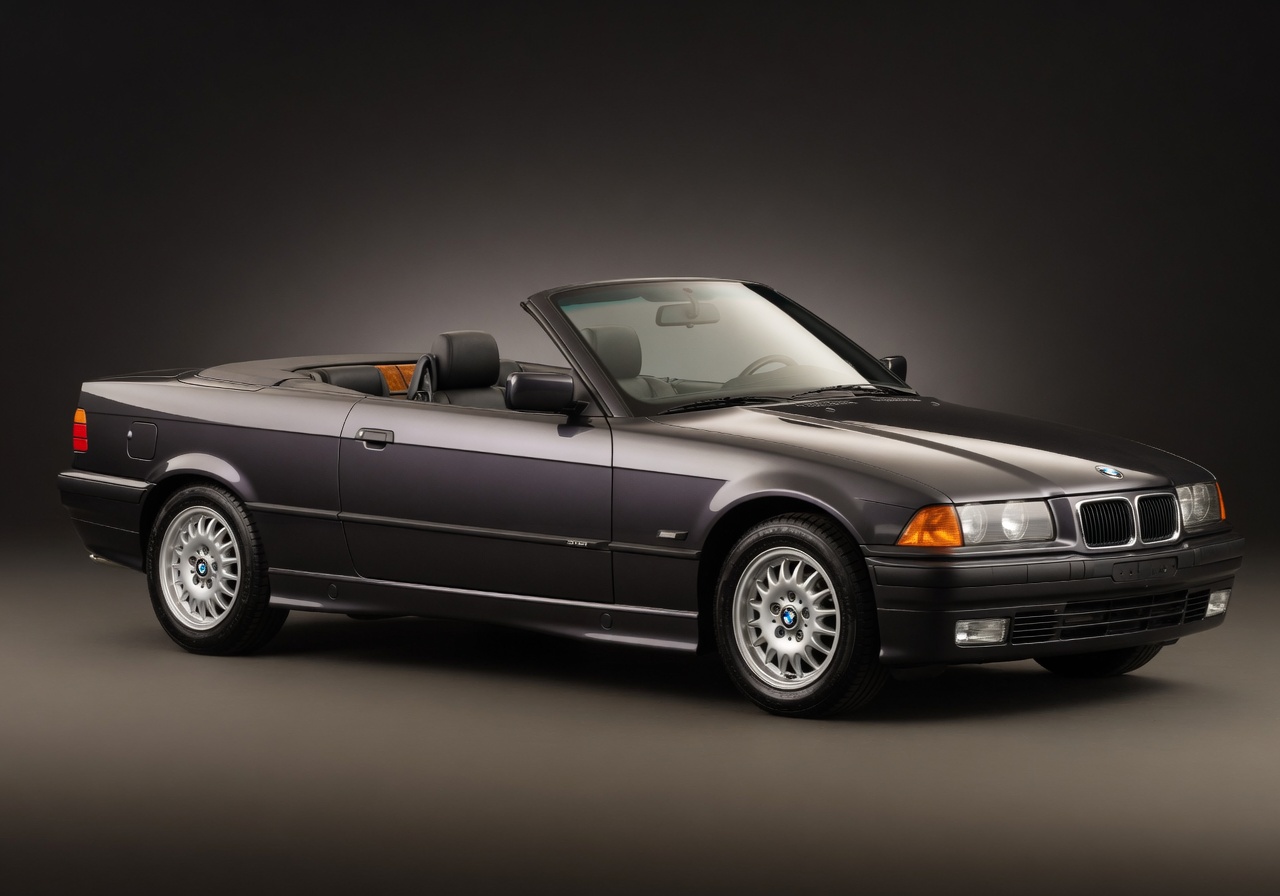
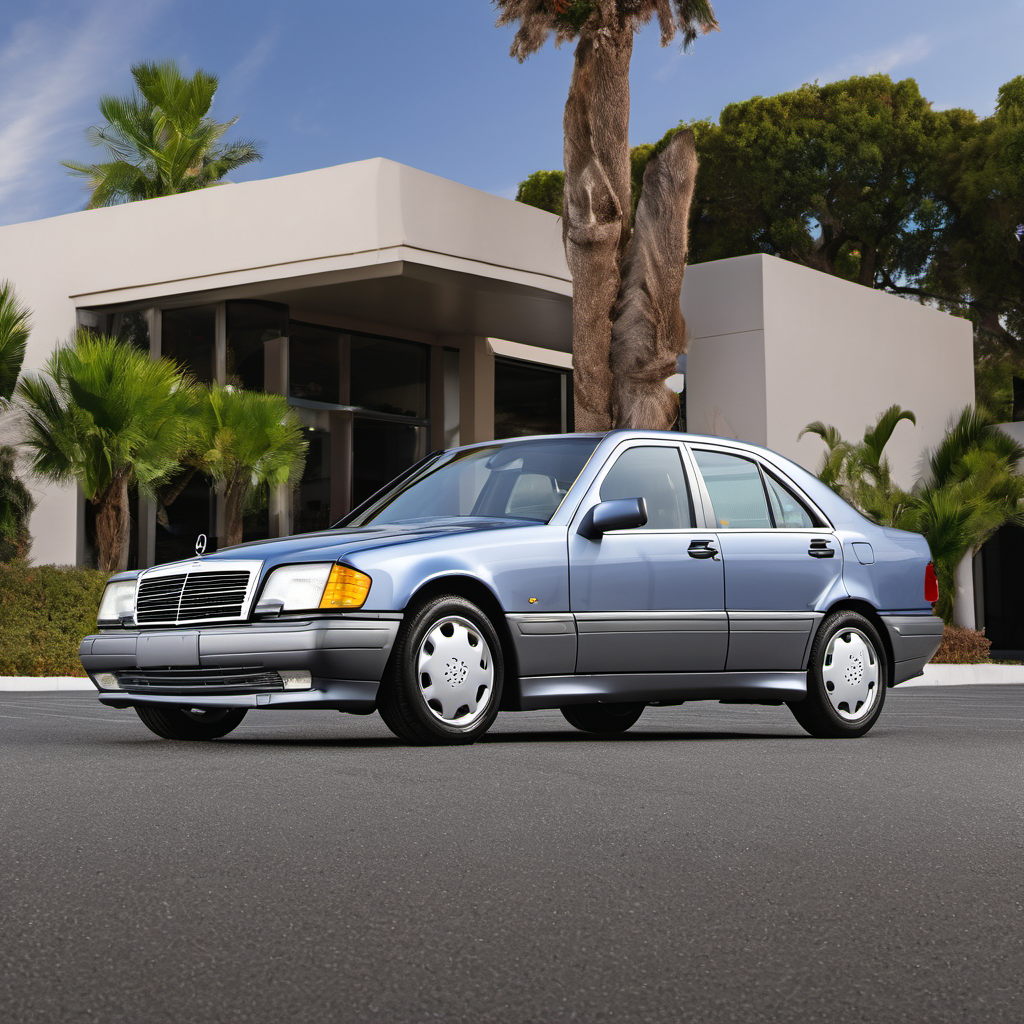
1994 BMW 3 Series Sedan

1994 BMW

3 SeriesSedan

Sedan

The 1994 BMW 3 Series (E36 generation) is a compact rear-wheel-drive sports sedan that defined the entry-level luxury sport segment in the 1990s. In North America, the 318i carried a 1.8L four-cylinder engine paired with either a 5-speed manual or 4-speed automatic, delivering a balanced mix of driving engagement and everyday usability. The E36 chassis is widely regarded as one of BMW's best-handling platforms — communicative steering, near-50/50 weight distribution, and a well-sorted suspension made it a benchmark for driving dynamics. It's also relatively simple by modern BMW standards, which makes competent independent shops (rather than dealers) a realistic and cost-effective ownership path. At 30+ years old, this is firmly a used-car proposition. Rust, aged rubber, and deferred maintenance are the primary concerns. A clean, well-documented example can still provide genuine driving enjoyment, but budget accordingly for age-related upkeep.

Reliability
3/5
Verified data
Specs shown for 318i Convertible — the most common configuration. Other trims may vary in engine, drivetrain, or fuel economy. Sign in to see your vehicle's exact specs.
Engine
[object Object]
Drivetrain
RWD
Fuel
Premium gasoline
MPG
18 city / 26 hwy / 21 combined
Seats
Doors
Body
Minicompact Cars

Overview

AI-curated

The 1994 BMW 3 Series (E36 generation) is a compact rear-wheel-drive sports sedan that defined the entry-level luxury sport segment in the 1990s. In North America, the 318i carried a 1.8L four-cylinder engine paired with either a 5-speed manual or 4-speed automatic, delivering a balanced mix of driving engagement and everyday usability. The E36 chassis is widely regarded as one of BMW's best-handling platforms — communicative steering, near-50/50 weight distribution, and a well-sorted suspension made it a benchmark for driving dynamics. It's also relatively simple by modern BMW standards, which makes competent independent shops (rather than dealers) a realistic and cost-effective ownership path. At 30+ years old, this is firmly a used-car proposition. Rust, aged rubber, and deferred maintenance are the primary concerns. A clean, well-documented example can still provide genuine driving enjoyment, but budget accordingly for age-related upkeep.

Known for
  • Excellent rear-wheel-drive handling and chassis balance
  • Relatively simple mechanicals compared to later BMW generations
  • Strong enthusiast and parts community support
  • Premium interior feel for its era
  • Long engine life when properly maintained with quality oil
Best for
  • Driving enthusiasts who want an engaging daily driver on a budget
  • DIY mechanics comfortable with European vehicles
  • Owners who can perform or budget for proactive maintenance
  • Collectors seeking a well-preserved 1990s BMW
Watch for
  • Rust on floors, subframe mounting points, and wheel arches — critical on Wisconsin/salt-belt cars
  • Cooling system failures (plastic components degrade with age)
  • Deferred maintenance on 30-year-old rubber: belts, hoses, bushings
  • Electrical gremlins from aging wiring and connectors
  • High cost of genuine BMW parts compared to domestic vehicles

Common issues by mileage

6 known

Cooling System Failure (thermostat housing, expansion tank, water pump)

high
Typically appears
Any mileage — age-driven failure
Estimated repair
$300 – $800

Subframe and Trailing Arm Bushing Rust / Cracking

high
Typically appears
Any — accelerated by road salt exposure
Estimated repair
$400 – $1,200

Window Regulator Failure (electric windows stop working)

high
Typically appears
80k+ mi
Estimated repair
$150 – $350

Oxygen Sensor / Fuel Trim Issues (check engine light, poor fuel economy)

medium
Typically appears
60k–150k mi
Estimated repair
$150 – $400

VANOS Unit Wear (rough idle, low-end power loss on 6-cyl variants; less applicable to M43)

low
Typically appears
80k–150k mi
Estimated repair
$400 – $1,000

Brake Wear and Caliper Seizure (rear calipers especially prone to sticking)

medium
Typically appears
Any — age and corrosion driven
Estimated repair
$250 – $700

Maintenance schedule

  1. 1
    Every 5,000 mi or annually (whichever comes first) Engine oil and filter change using 5W-30 or 5W-40 full synthetic

    The M43 engine is tolerant but hates degraded oil. Extended intervals with conventional oil are the #1 cause of premature engine wear on these.

  2. 2
    Every 2 years or immediately if any signs of leaking/discoloration Full cooling system service: flush coolant, inspect hoses, replace thermostat housing and expansion tank if original

    Plastic cooling components are 30 years old. Proactive replacement is far cheaper than an overheating repair.

  3. 3
    Inspect now; replace if cracked, torn, or worn Inspect all suspension rubber: control arm bushings, trailing arm bushings, subframe mounts

    Rubber degrades with age regardless of mileage. Worn bushings cause vague handling and accelerated tire wear.

  4. 4
    Every 60,000 mi or at purchase if unknown Timing belt inspection and replacement (M43 is a belt-driven engine)

    The M43 uses a timing belt, not a chain. A snapped belt is an engine-destroying event. Interval is conservative given vehicle age.

  5. 5
    Every 30,000 mi Spark plugs and ignition wires

    Worn ignition components cause misfires, rough idle, and reduced fuel economy on the M43.

  6. 6
    Every 2 years Brake fluid flush

    Brake fluid absorbs moisture over time, lowering its boiling point. Critical for a RWD sport sedan driven spiritedly.

  7. 7
    Each fall (before first frost) Inspect battery and charging system; replace if battery is 4+ years old

    Wisconsin winters are hard on aging batteries. A 30-year-old charging system with a marginal battery is a recipe for a no-start at -10°F.

  8. 8
    Annually (fall) Inspect and treat underbody, wheel arches, and subframe mounting points for rust

    Salt-belt rust is the single biggest threat to the long-term survival of this vehicle. Early treatment is far cheaper than structural repair.

Always defer to the manufacturer's service manual for warranty-mandated intervals.

Cost of ownership

Annual maintenance
$800 – $2,500
Fuel
Premium fuel is recommended; at ~21 MPG combined, expect roughly $1,800–$2,400/year at current pump prices depending on driving volume. The 1.8L is the most fuel-efficient E36 offered in North America.
Insurance
Generally low — older vehicle with modest horsepower. Agreed-value or stated-value collector coverage worth considering for well-preserved examples.

Day-to-day costs are moderate for a 30-year-old European car, but this vehicle demands proactive maintenance spending. Deferring service to save money routinely leads to much larger repair bills. Budget the higher end of the maintenance range for the first year of ownership while you catch up on age-related items. Parts availability is good through online BMW specialty suppliers, though some components are no longer available from BMW directly.
Seasonal care

Lake Geneva, WI
Winter
  • Switch to a full synthetic 5W-30 or 0W-40 engine oil before temperatures drop below 20°F — cold-start protection is critical on the aging M43.
  • Test and replace the battery if it's more than 4 years old or shows any signs of weakness. This chassis has no tolerance for a weak battery in sub-zero temps.
  • Replace wiper blades with winter blades and fill the washer reservoir with -20°F or lower rated fluid — Lake Geneva road spray will freeze standard fluid on the windshield instantly.
  • Inspect the cooling system anti-freeze concentration; mixture should protect to at least -34°F.
  • The RWD platform requires quality winter tires — all-season tires are not sufficient in Wisconsin snow and ice. Budget for a dedicated winter tire set.
  • Rinse the undercarriage weekly during salt season. Pay special attention to the subframe mounting points, which are structurally critical and prone to rust perforation on E36s.
Summer
  • Monitor coolant temperature closely during summer driving — a 30-year-old cooling system under heat stress is prone to failure. Keep an eye on the gauge.
  • Check tire pressure monthly; summer heat causes pressure to rise roughly 1 PSI per 10°F increase in ambient temperature.
  • Inspect the A/C system for refrigerant leaks; R134a systems of this era commonly develop slow leaks at fittings and o-rings.
  • Check the cabin air filter (if equipped) and clean out leaves and debris from the fresh air intake plenum to prevent heat soak into the cabin.
  • Inspect belts and hoses for cracking or soft spots — heat accelerates rubber degradation on a vehicle this age.

Comparable vehicles

If you're shopping for one

Red flags
  • No maintenance records whatsoever — walk away or price in a full catch-up service budget.
  • Any evidence of overheating in the history: warped head, white exhaust smoke, milky oil.
  • Rust at the subframe pickup points — repair cost can exceed the vehicle's market value.
  • Modified suspension or engine with no documentation of what was changed.
  • Deferred timing belt — a snapped belt destroys the engine with no warning.
  • Check engine light with codes pointing to oxygen sensor or fuel system faults that the seller dismisses as 'minor.'
What to inspect
  • Subframe mounting points and trailing arm mounts for rust perforation — this is a structural and safety issue specific to the E36 in salt-belt states.
  • Floor pans, wheel arches, and rocker panels for rust. Bring a flashlight and probe tool.
  • Cooling system: look for white residue around hoses, the expansion tank, and thermostat housing. Any discoloration in coolant means trouble.
  • Timing belt service records — if unknown, assume it needs replacement immediately.
  • All four window regulators (operate every window up and down).
  • Rear brake calipers for seized pistons — apply and release brakes, then check if rear rotors are excessively hot compared to fronts.
  • Suspension feel during a test drive: clunks, vagueness, or pulling indicate bushing wear.
AI profile generated 4 days ago · claude-sonnet-4-6 · v2.