Cooling system component failure (hoses, thermostat housing, water pump)
high- Typically appears
- Any — age-related on all surviving examples
- Estimated repair
- $400 – $900
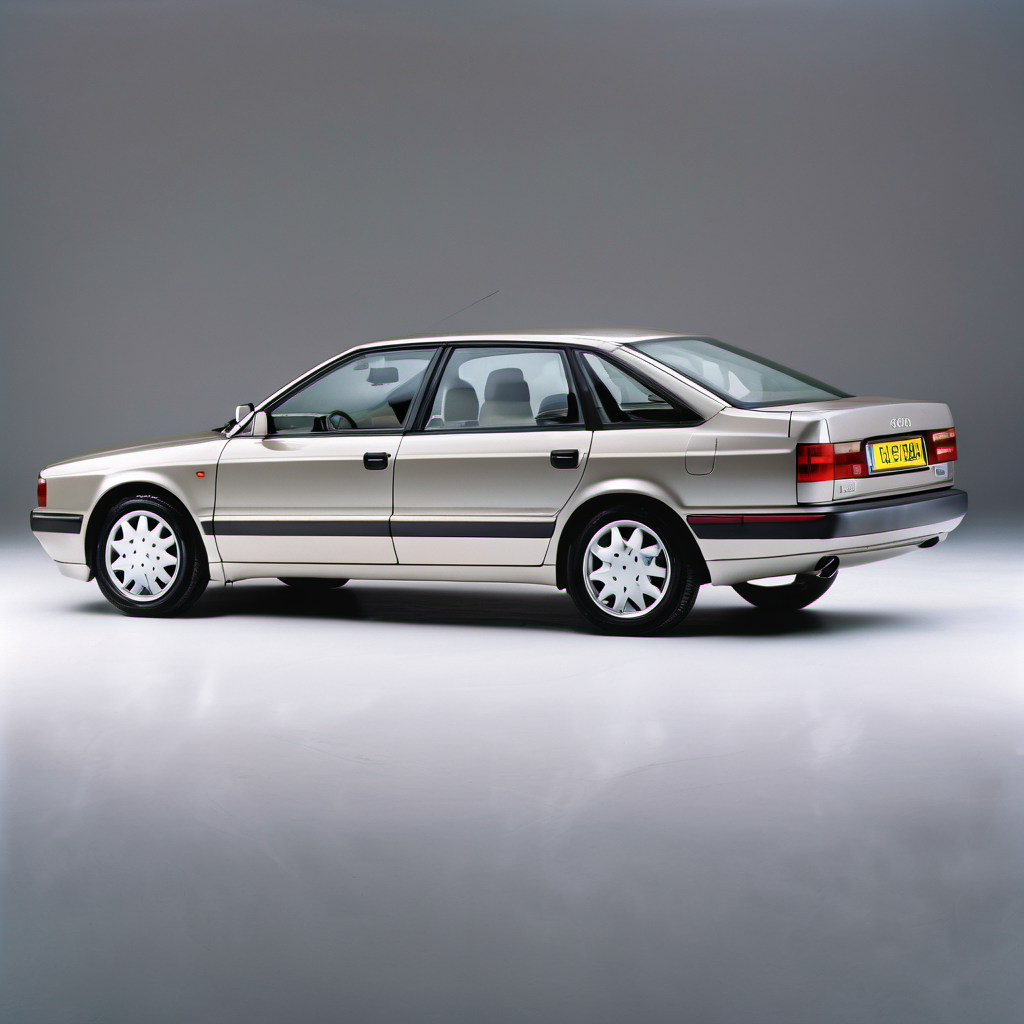
1994 Audi
2.8L V6 · Sedan
The 1994 Audi 90 is a compact executive sedan from Audi's B4 platform — the final generation of the nameplate before it was folded into the A4 lineup. It offered a blend of European refinement and all-weather capability that was unusual at its price point in the early '90s. Most examples in the U.S. were sold with either a 2.8L V6 or the 2.0L inline-4, paired with standard Quattro all-wheel drive or front-wheel drive depending on trim. By 1994 the 90 was in its last model year, which is both a plus and a minus. Parts support has thinned considerably over the past three decades, and finding a well-maintained example is increasingly difficult. That said, a properly cared-for 90 is a rewarding driver — composed handling, a comfortable interior, and the Quattro system still hold up well as daily-driver virtues. At 30+ years old, every surviving 1994 Audi 90 is a used-car proposition with significant age-related maintenance needs. Budget accordingly: rubber, cooling system components, and electrical items will likely need attention regardless of mileage.
The 1994 Audi 90 is a compact executive sedan from Audi's B4 platform — the final generation of the nameplate before it was folded into the A4 lineup. It offered a blend of European refinement and all-weather capability that was unusual at its price point in the early '90s. Most examples in the U.S. were sold with either a 2.8L V6 or the 2.0L inline-4, paired with standard Quattro all-wheel drive or front-wheel drive depending on trim. By 1994 the 90 was in its last model year, which is both a plus and a minus. Parts support has thinned considerably over the past three decades, and finding a well-maintained example is increasingly difficult. That said, a properly cared-for 90 is a rewarding driver — composed handling, a comfortable interior, and the Quattro system still hold up well as daily-driver virtues. At 30+ years old, every surviving 1994 Audi 90 is a used-car proposition with significant age-related maintenance needs. Budget accordingly: rubber, cooling system components, and electrical items will likely need attention regardless of mileage.
The 2.8L V6 benefits from synthetic oil to protect aging seals and maintain oil pressure at temperature. Use the manufacturer-specified viscosity — do not improvise on a 30-year-old engine.
All rubber hoses, the thermostat, thermostat housing, and water pump on any surviving 1994 example are well past recommended service life. A cooling system failure will strand you or destroy the engine.
Neglected drivetrain fluids cause premature wear in the Quattro system. Fresh fluid is cheap insurance against a very expensive repair.
The 2.8L V6 in the B4 90 is an interference engine. A broken timing belt destroys the engine. This is non-negotiable maintenance on any used example.
Cold Wisconsin winters are hard on aging batteries. A 30-year-old vehicle may have marginal charging system components — confirm the alternator is performing correctly at the same time.
Glycol-based brake fluid absorbs moisture over time, lowering boiling point and promoting internal corrosion. Critical on a car this age where calipers and master cylinders may already be marginal.
Wisconsin road salt is the primary killer of B4-chassis Audis. Clogged rocker panel drains trap brine and accelerate rust from the inside out.
Original sensors on a 1994 vehicle are well past service life. Worn O2 sensors cause poor fuel trims, rough idle, and can eventually damage the catalytic converter.
Always defer to the manufacturer's service manual for warranty-mandated intervals.
A 1994 Audi 90 is not an expensive car to buy, but it is an expensive car to own if you treat it like a modern vehicle and defer maintenance. Routine upkeep is manageable, but deferred items compound quickly on a 30-year-old German car. Budget on the high end if the maintenance history is unknown. Parts sourcing will increasingly require specialty suppliers, which adds both cost and lead time.
Same compact executive sedan segment, similar vintage German build quality, rear-wheel drive alternative at a comparable original price. Similar ownership cost profile and parts-availability challenges today.
No catalog match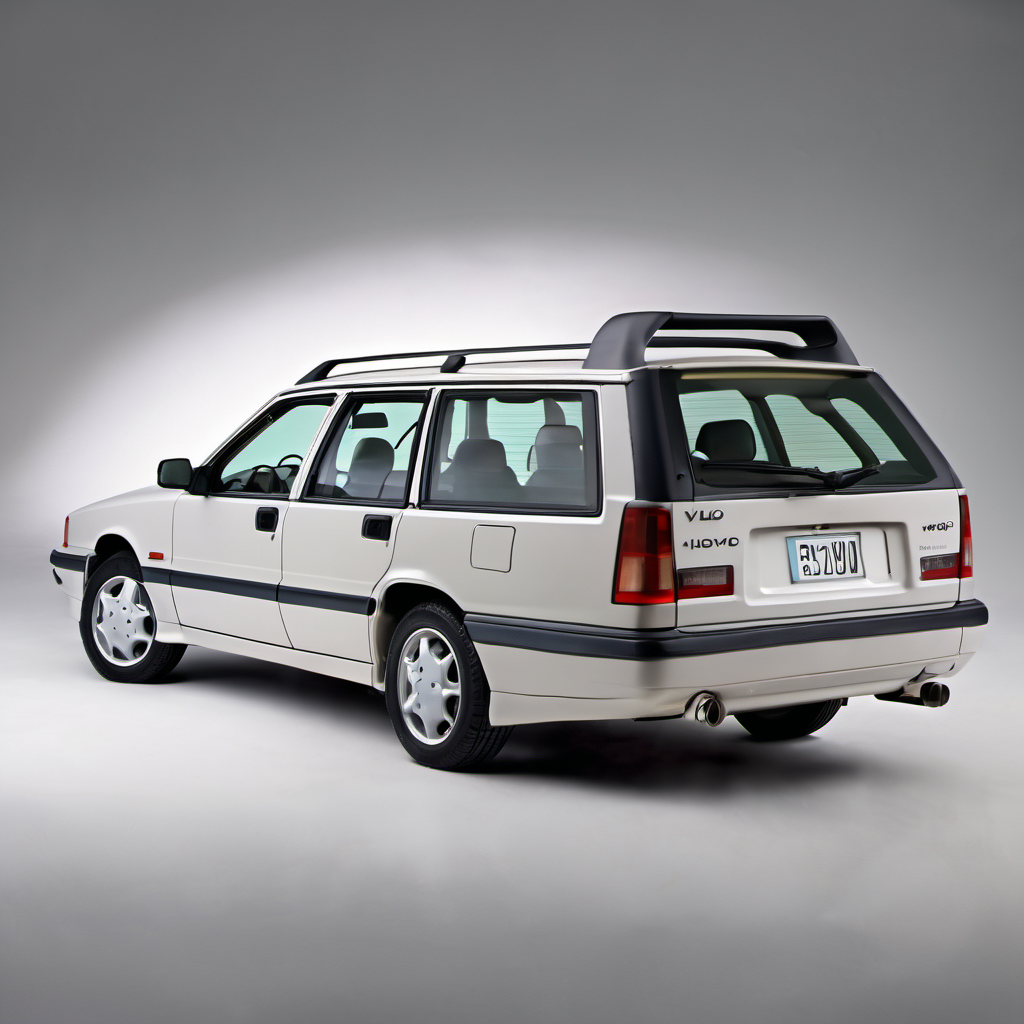
Front-wheel drive European sedan from the same era targeting the same buyer. Better parts availability today and stronger rust resistance, but lacks Quattro AWD.
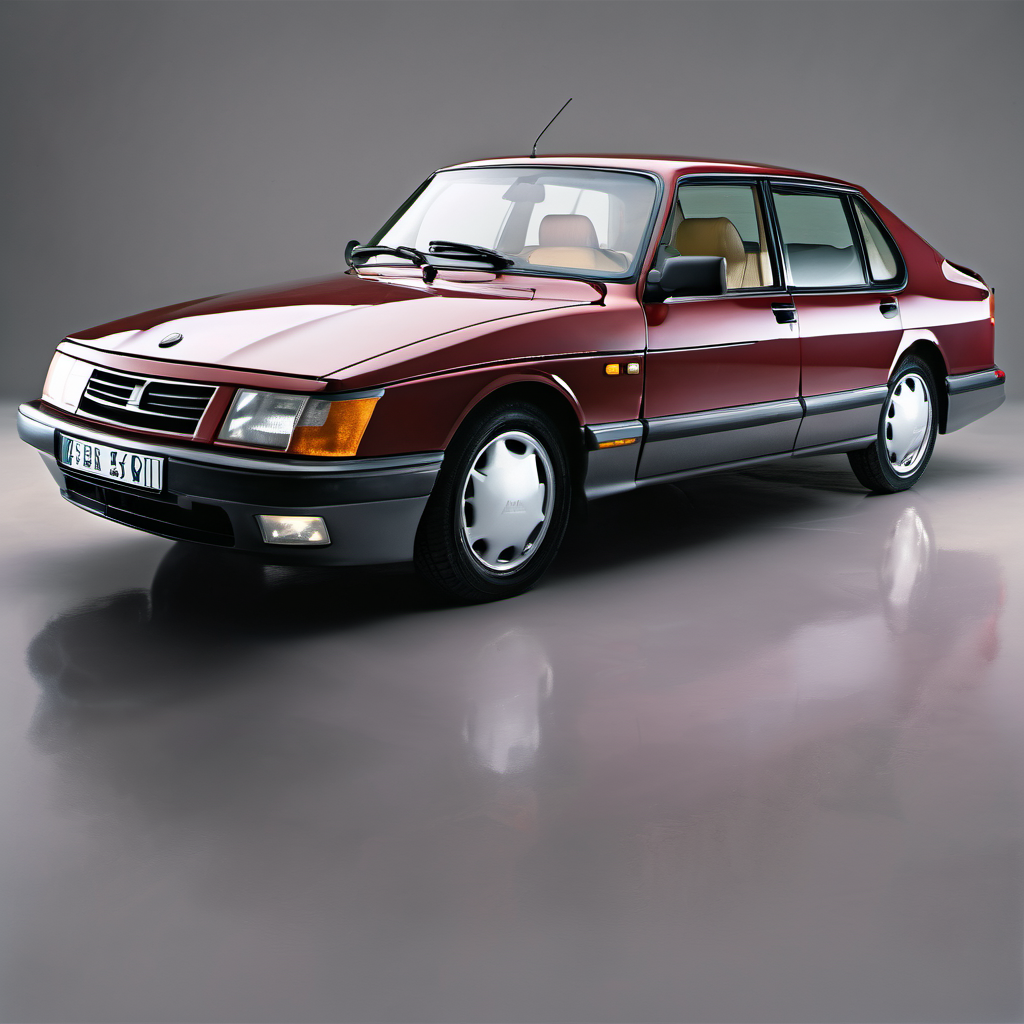
Similar European compact sedan from the same period at comparable pricing. Turbocharged versions offer more performance; parts sourcing is similarly challenging on a 30-year-old example.
The direct successor to the 90, sharing the B4/B5 platform family. Better parts availability, more modern features, and easier to find in clean condition — worth considering if you want the Audi Quattro experience without the extra age.
No catalog match