Timing Belt Failure
high- Typically appears
- 60–100k mi (and every 70k thereafter)
- Estimated repair
- $450 – $850
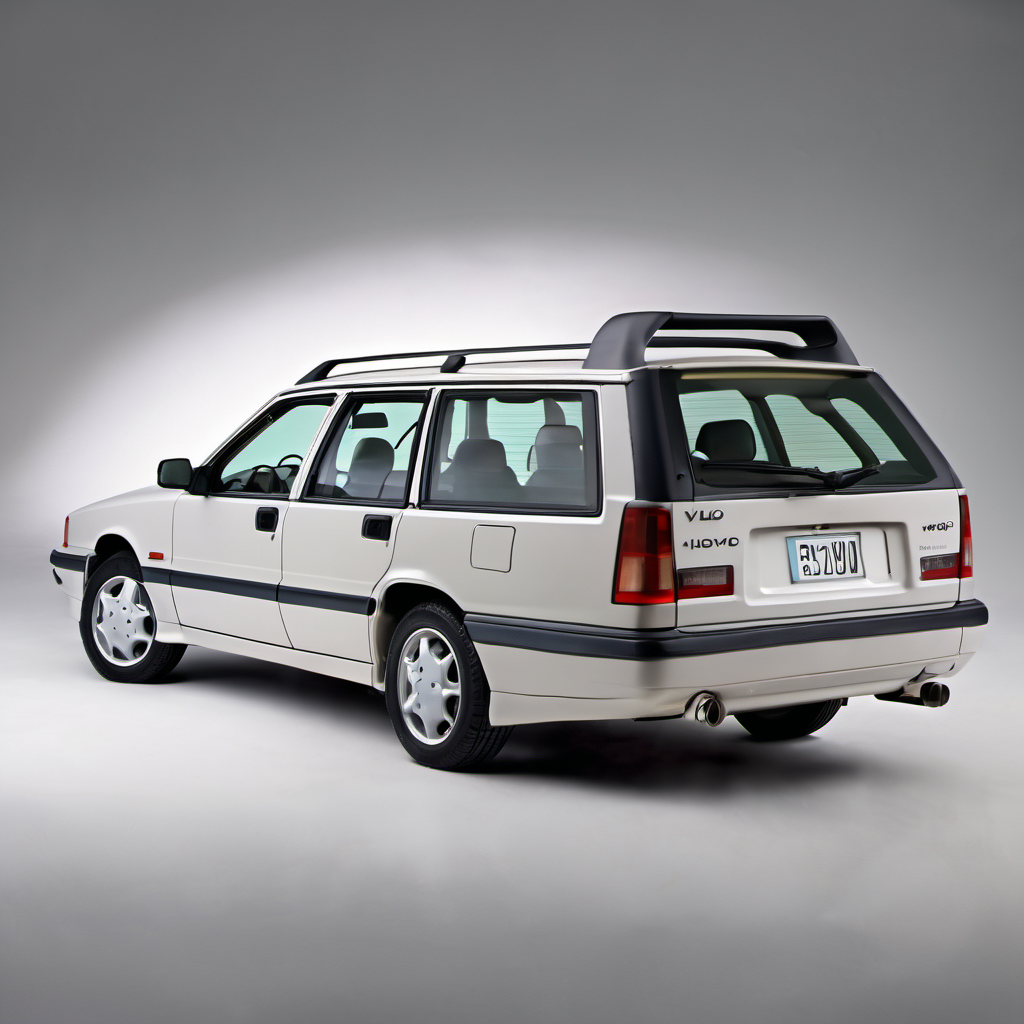
1994 Volvo
Wagon
The 1994 Volvo 850 Wagon is a front-wheel-drive European family hauler that helped Volvo shed its boxy, rear-drive image while keeping its reputation for structural safety. Powered by a 2.3L turbocharged inline-5, it delivers a distinctive exhaust note and more punch than its practical exterior suggests. This was a genuinely pioneering car — the first Volvo to race in the British Touring Car Championship — and it brought side-impact airbags to the market ahead of most competitors. For daily Wisconsin life the 850 Wagon makes a compelling case: solid cargo room, a comfortable highway ride, and a reputation for surviving high mileage when serviced regularly. The turbo model adds performance but also adds complexity; oil change discipline is non-negotiable with a turbocharged engine of this era. By 2025 these are 30-year-old vehicles. Parts are available through Volvo specialists and a dedicated online community, but expect European-car labor rates and some unavoidable age-related maintenance. Budget accordingly and have a trusted Volvo-familiar shop inspect any example before purchase.
The 1994 Volvo 850 Wagon is a front-wheel-drive European family hauler that helped Volvo shed its boxy, rear-drive image while keeping its reputation for structural safety. Powered by a 2.3L turbocharged inline-5, it delivers a distinctive exhaust note and more punch than its practical exterior suggests. This was a genuinely pioneering car — the first Volvo to race in the British Touring Car Championship — and it brought side-impact airbags to the market ahead of most competitors. For daily Wisconsin life the 850 Wagon makes a compelling case: solid cargo room, a comfortable highway ride, and a reputation for surviving high mileage when serviced regularly. The turbo model adds performance but also adds complexity; oil change discipline is non-negotiable with a turbocharged engine of this era. By 2025 these are 30-year-old vehicles. Parts are available through Volvo specialists and a dedicated online community, but expect European-car labor rates and some unavoidable age-related maintenance. Budget accordingly and have a trusted Volvo-familiar shop inspect any example before purchase.
Turbochargers run on engine oil for lubrication and cooling. Sludge from extended intervals is the single biggest killer of 850 turbos. Use a quality full-synthetic 5W-30 or 5W-40.
Interference engine — belt failure equals engine destruction. Replace the water pump and tensioner at the same time since they share the labor. Never skip or stretch this interval.
The plastic expansion tank is known to crack with age. Fresh coolant prevents corrosion in the aluminum cylinder head passages. In Wisconsin, a good freeze-protection level (-34°F minimum) is essential.
The 5-cylinder layout makes cylinder 5 wire replacement slightly awkward; do it on schedule to avoid misfires. OEM-equivalent copper or platinum plugs are fine.
Volvo recommends DOT 4 fluid. Glycol-based brake fluid absorbs moisture over time, lowering boiling point — a concern with Wisconsin's stop-and-go winter driving and hill grades.
The in-line fuel filter is inexpensive and easy to neglect. A clogged filter strains the fuel pump and can cause hesitation under turbo boost.
Door seals dry out and crack. Blocked sunroof drains flood the interior. Undercarriage inspection catches salt-related corrosion before it becomes structural.
A broken accessory belt kills power steering and charging. At 30+ years old, any original or unknown-age belt should be replaced as preventive maintenance.
Always defer to the manufacturer's service manual for warranty-mandated intervals.
The 850 Wagon is cheap to buy but not cheap to own if neglected. Annual maintenance on a well-sorted car runs $900–$1,400. A car that needs deferred work caught up on (timing belt, mounts, cooling system) can run $2,000–$3,500+ in year one. Find a car with receipts and budget for European-car shop labor rates — typically $110–$140/hr at an independent specialist in southeast Wisconsin.
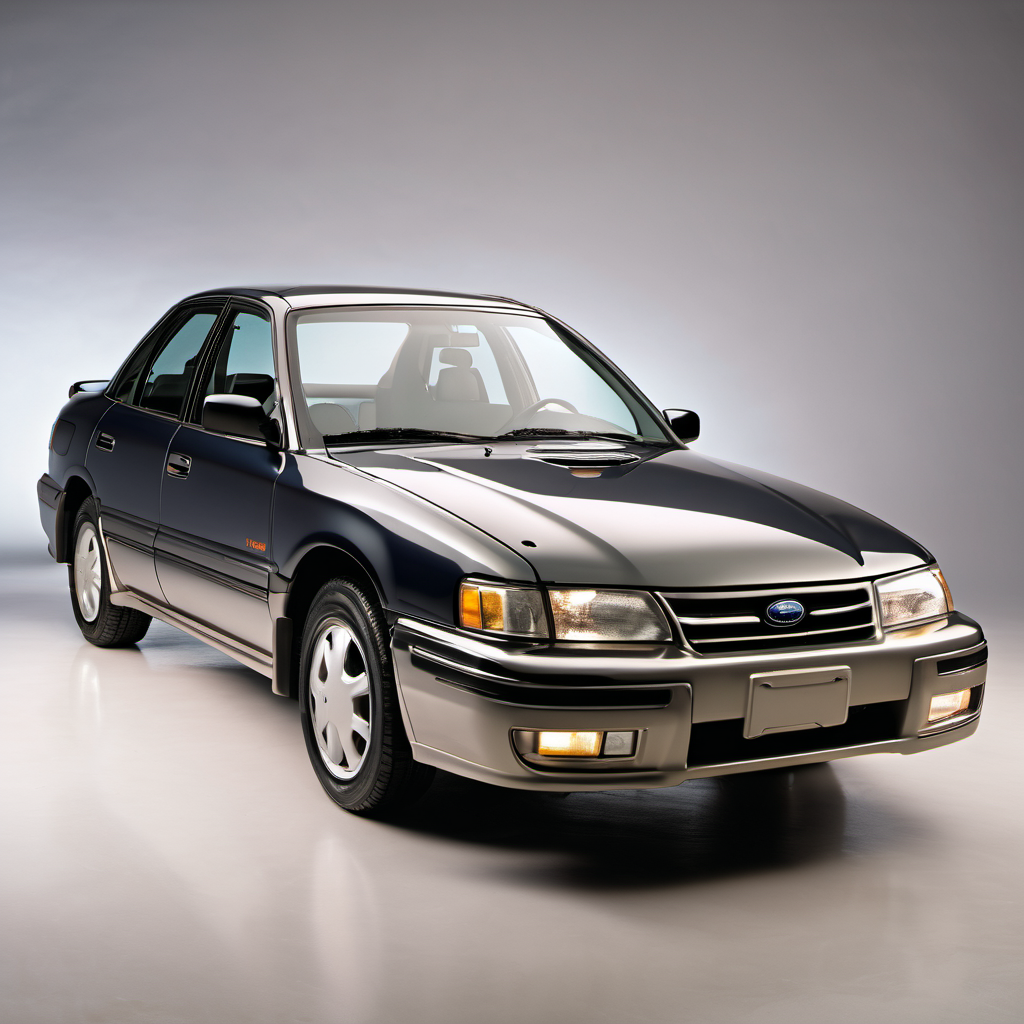
Similar practical wagon layout at a comparable used price, with standard AWD that edges out the 850's FWD in Wisconsin winters. Less performance character but simpler mechanically.
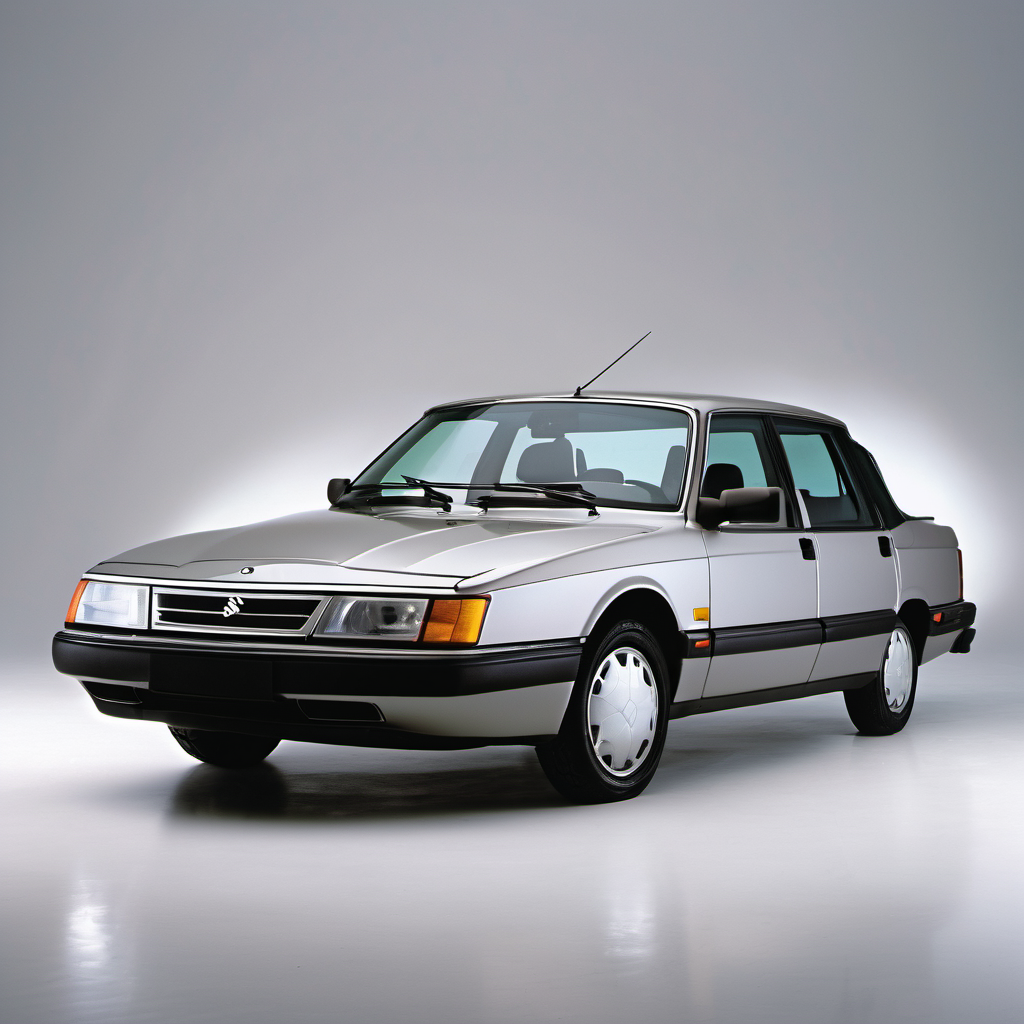
Another European FWD turbocharged option from the same era with a similar ownership profile — distinct character, strong community, but requires a specialist shop and disciplined maintenance.
European sport wagon with similar used-market pricing and driver appeal. RWD changes the winter calculus and parts/labor costs are higher, but it's a direct segment peer.
No catalog match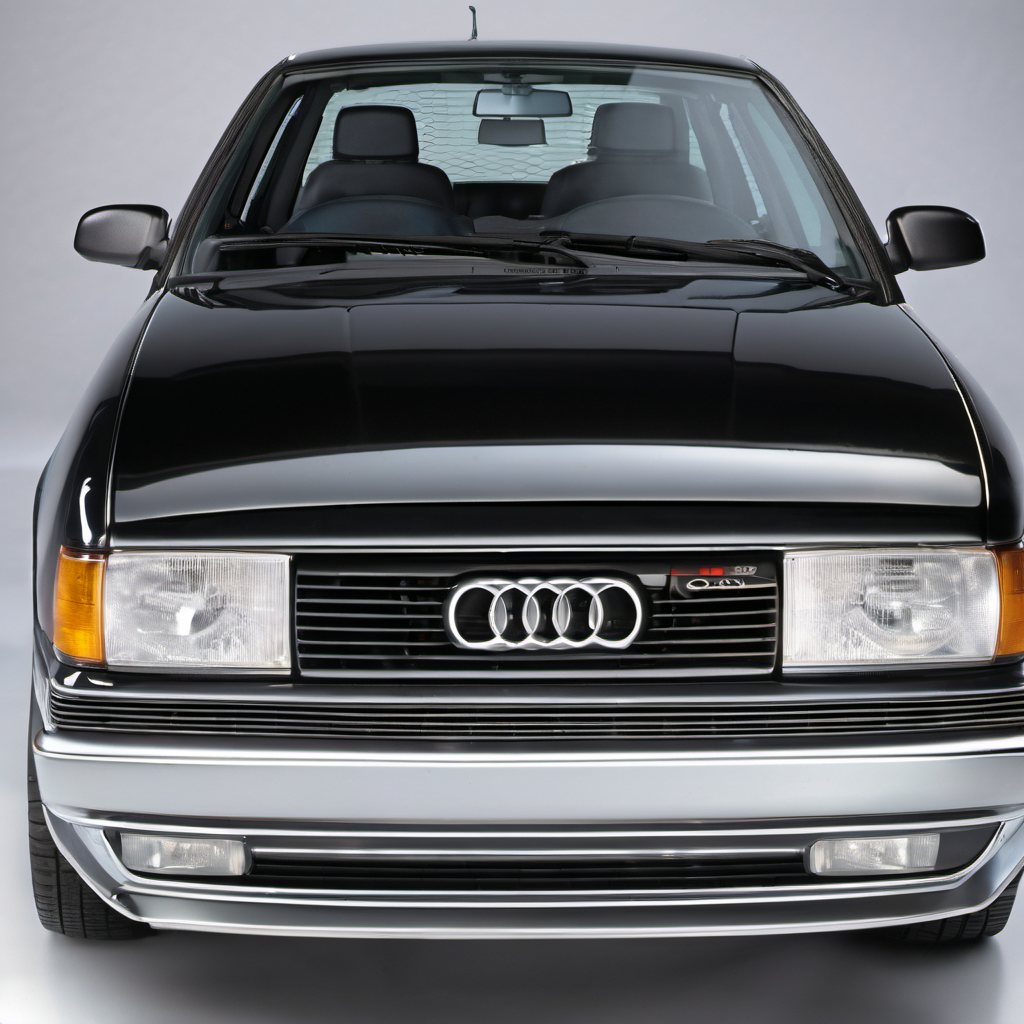
Quattro AWD wagon in the same price bracket. Practical and comfortable, but complex AWD/drivetrain maintenance costs can exceed the Volvo's. A fair cross-shop for buyers who want AWD and European refinement.