Timing Belt Failure (Interference Engine)
high- Typically appears
- 60–90k mi intervals
- Estimated repair
- $400 – $700
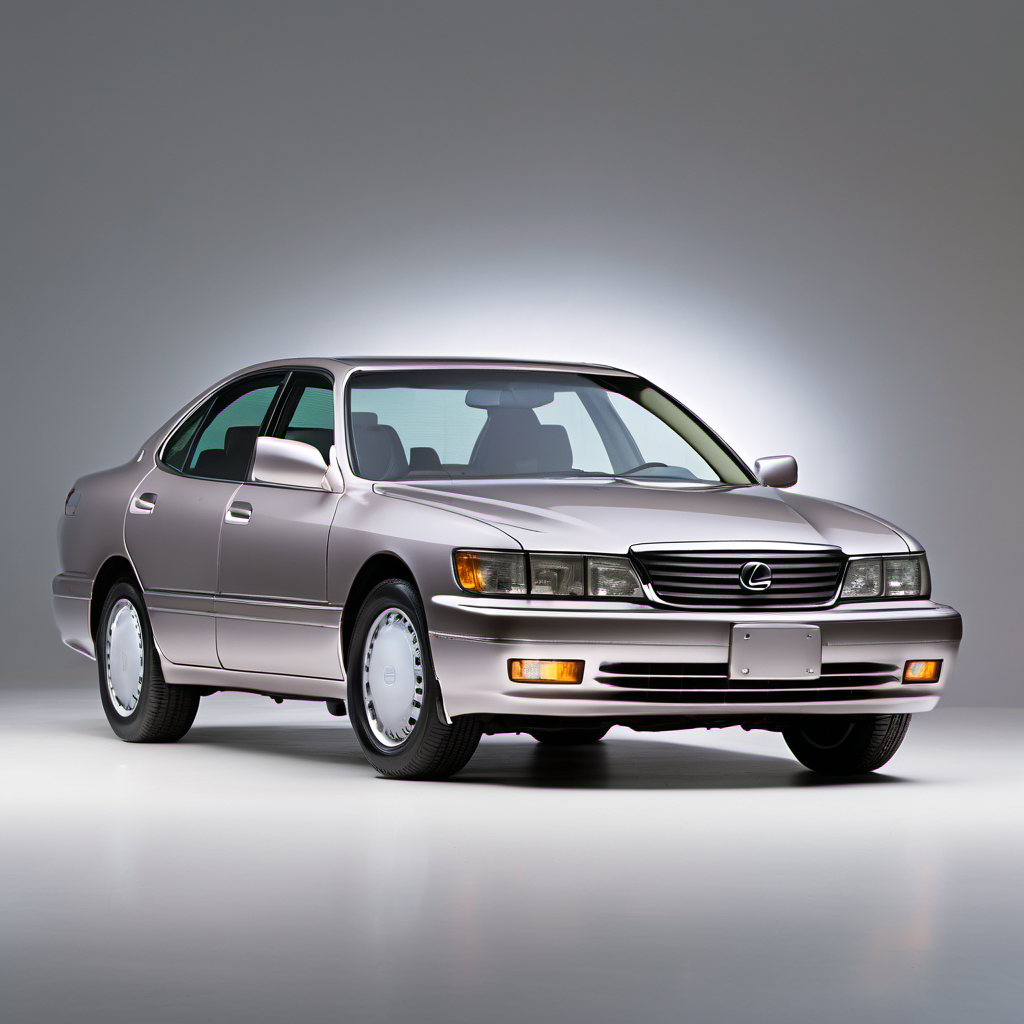
1994 Lexus
Sedan
The 1994 Lexus ES 300 is the third-generation ES, riding on Toyota's V platform shared with the Camry. Under the hood sits Toyota's proven 3VZ-FE 3.0L V6, mated to a 4-speed automatic. It was designed as an entry-level luxury sedan offering a quiet, refined ride at a price well below European competitors — and it largely delivered on that promise. For a 30-year-old car, the ES 300 holds up remarkably well. The mechanicals are straightforward Toyota architecture, parts are still widely available, and independent shops can work on them without specialized equipment. What's aged are the electronics, rubber seals, and any deferred maintenance items — expect to address those on any example at this mileage. This generation is a solid daily driver for someone who wants Japanese reliability with a step up in interior refinement. It's not sporty, but it's composed, comfortable, and — if maintained — genuinely durable.
The 1994 Lexus ES 300 is the third-generation ES, riding on Toyota's V platform shared with the Camry. Under the hood sits Toyota's proven 3VZ-FE 3.0L V6, mated to a 4-speed automatic. It was designed as an entry-level luxury sedan offering a quiet, refined ride at a price well below European competitors — and it largely delivered on that promise. For a 30-year-old car, the ES 300 holds up remarkably well. The mechanicals are straightforward Toyota architecture, parts are still widely available, and independent shops can work on them without specialized equipment. What's aged are the electronics, rubber seals, and any deferred maintenance items — expect to address those on any example at this mileage. This generation is a solid daily driver for someone who wants Japanese reliability with a step up in interior refinement. It's not sporty, but it's composed, comfortable, and — if maintained — genuinely durable.
The 3VZ-FE is an interference engine. A failed belt destroys the engine. Water pump replacement at the same time is cheap insurance since it shares the same labor.
Hoses and clamps are 30 years old. Flush with fresh coolant and squeeze-test every hose. A burst hose on a Wisconsin winter morning means an overheated engine and a tow.
Toyota's 4-speed auto in this generation is durable but benefits from regular fluid changes. Dark, burnt-smelling fluid is a red flag on any used purchase.
At 30 years, ignition wires become brittle and crack, causing misfires — especially on cold Wisconsin starts. Platinum plugs and fresh wires restore cold-start confidence.
A battery marginal in summer will fail at -10°F. A load test in October is cheap; a jump-start or tow in January is not.
Brake fluid absorbs moisture over time, lowering boiling point and corroding calipers from the inside. On a 30-year-old car, fresh fluid and a caliper inspection every 2 years is non-negotiable.
Lake Geneva roads are heavily salted. Rinse the undercarriage after every significant snow event and get a full inspection every spring — catching surface rust early prevents structural rust later.
FWD CV boots crack with age and cold. A torn boot packs road grit and salt into the CV joint, which then fails. Catching a torn boot early is a $50–$100 fix; replacing the whole axle is $200–$400.
Always defer to the manufacturer's service manual for warranty-mandated intervals.
This is a low-cost car to own if you stay on top of maintenance. Parts are Toyota-priced, not European-luxury-priced. The risk is deferred maintenance catching up: a neglected timing belt, rotted coolant hoses, or rusted brake lines can turn a $3,000 car into a $5,000 repair bill. Budget conservatively in the first year until you know exactly what you have.
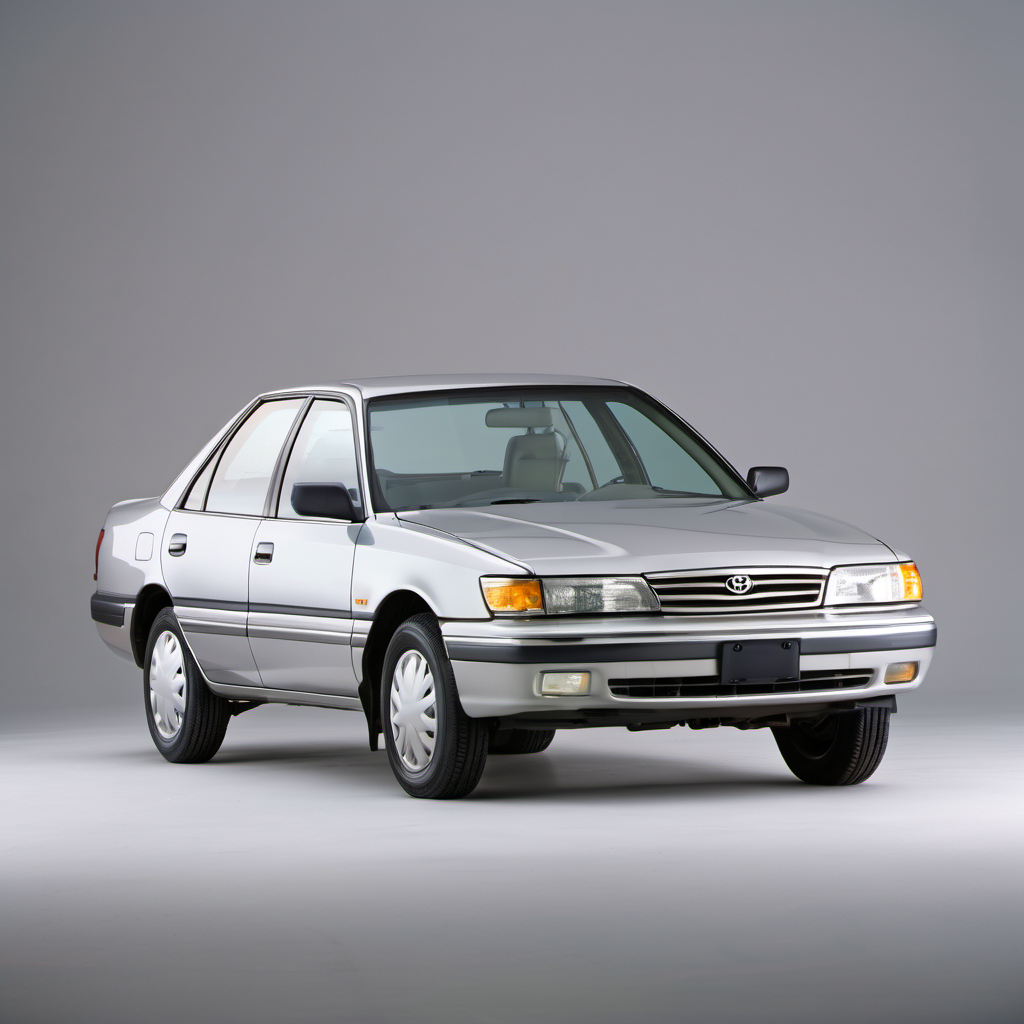
Shares the same V-platform and 3VZ-FE engine as the ES 300. Cheaper to buy and identical to repair, but without the Lexus interior refinements.

Same era, same segment. The 4-cylinder Accord is slightly less refined but equally reliable; the V6 version is a direct competitor in feel and price.
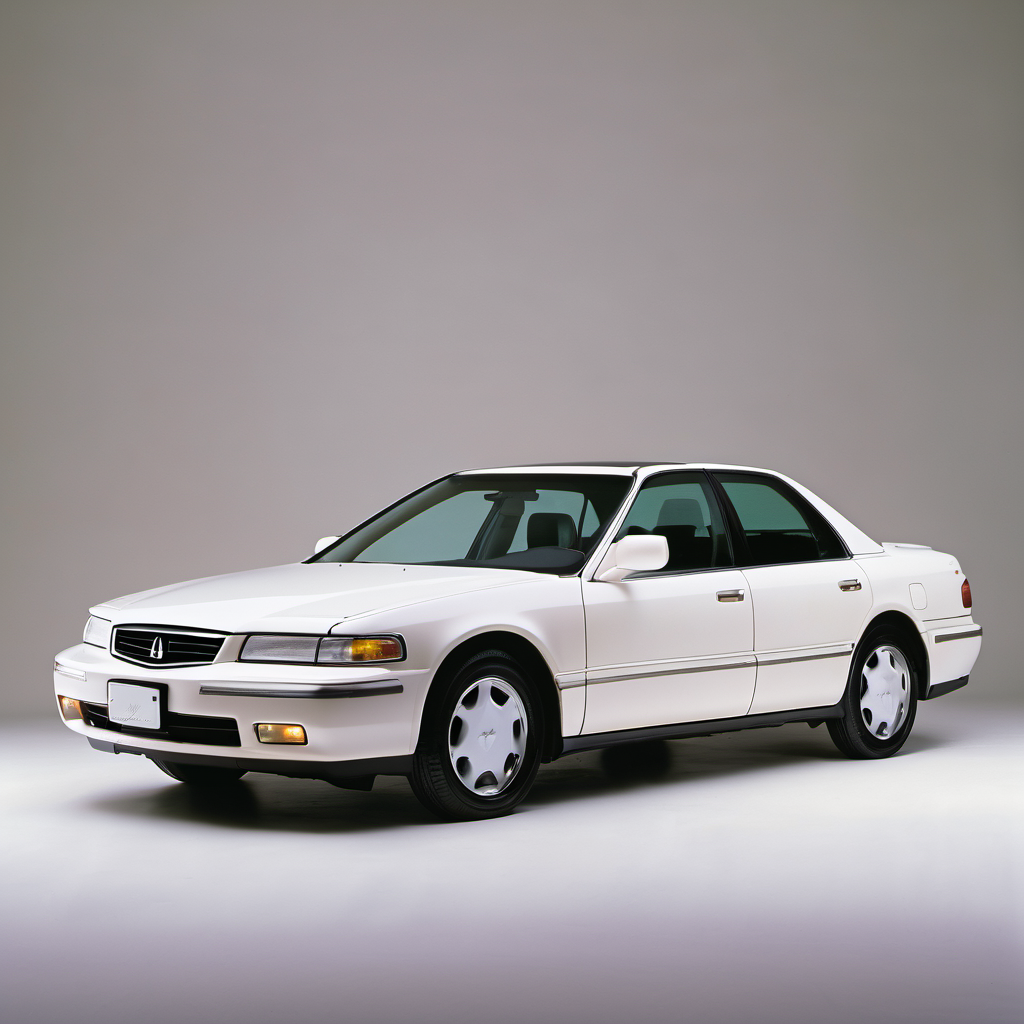
Honda's luxury entry-level sedan of the same era — similar mission and price point, though the Legend's V6 is more complex and parts are harder to source today.
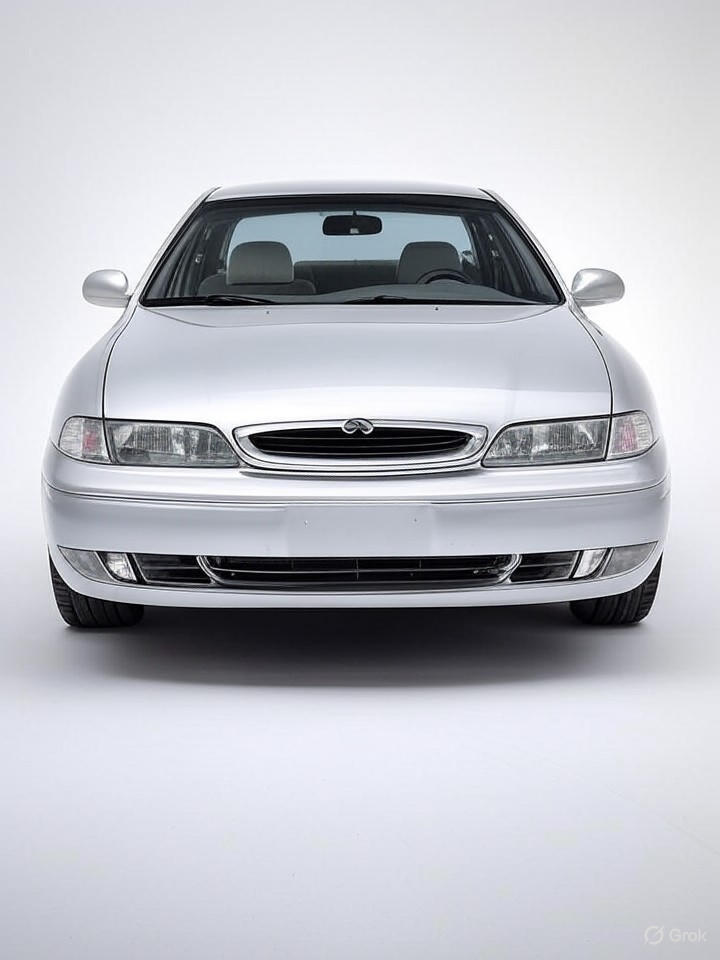
Nissan's competing entry-luxury FWD-ish sedan from the same period. Less common, making parts sourcing harder, but a valid used-market alternative in the same price range.