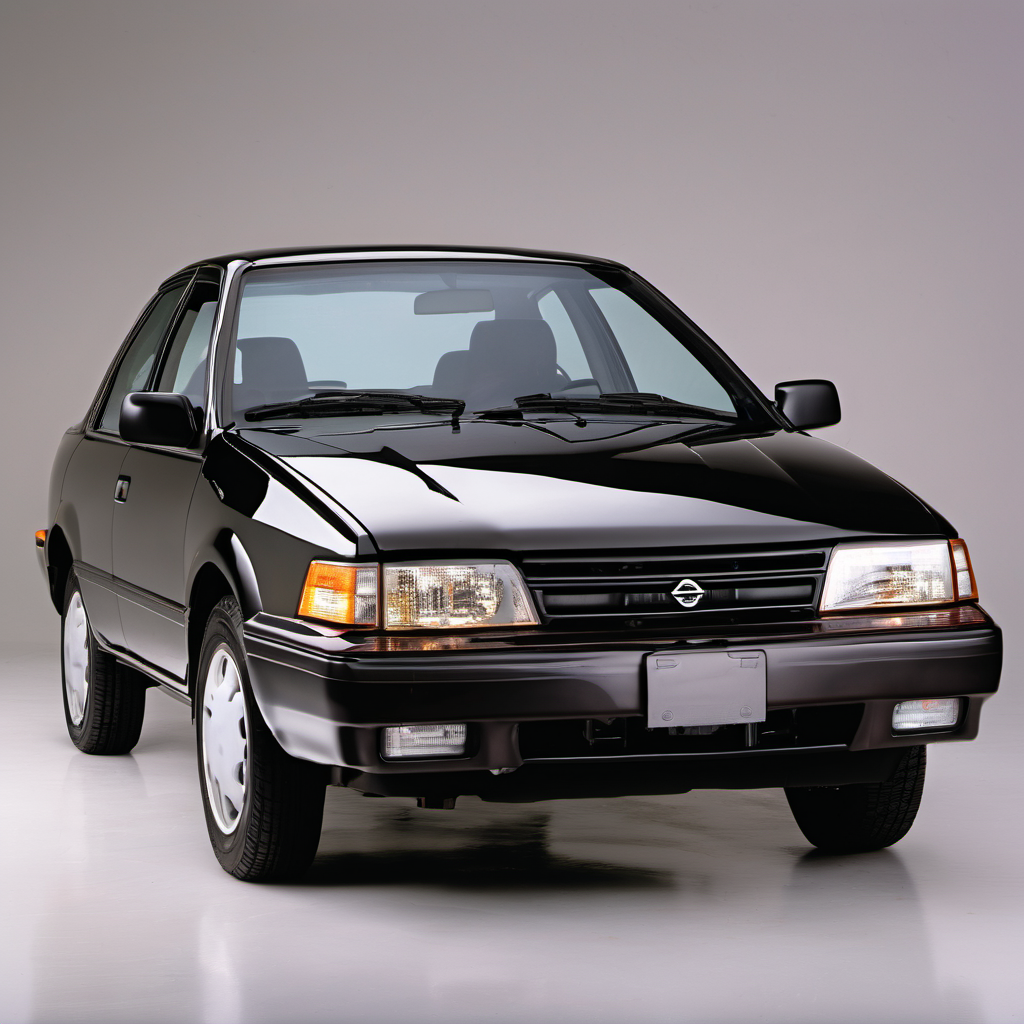
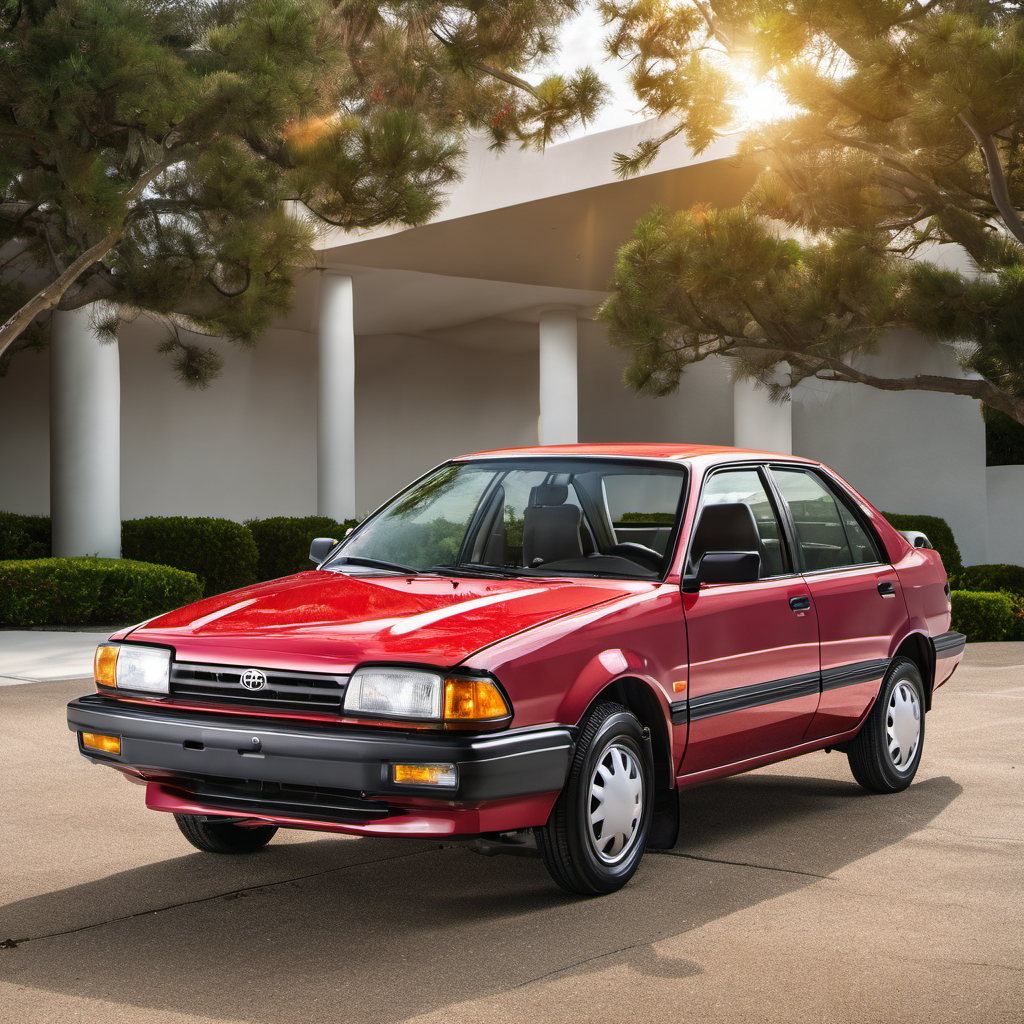
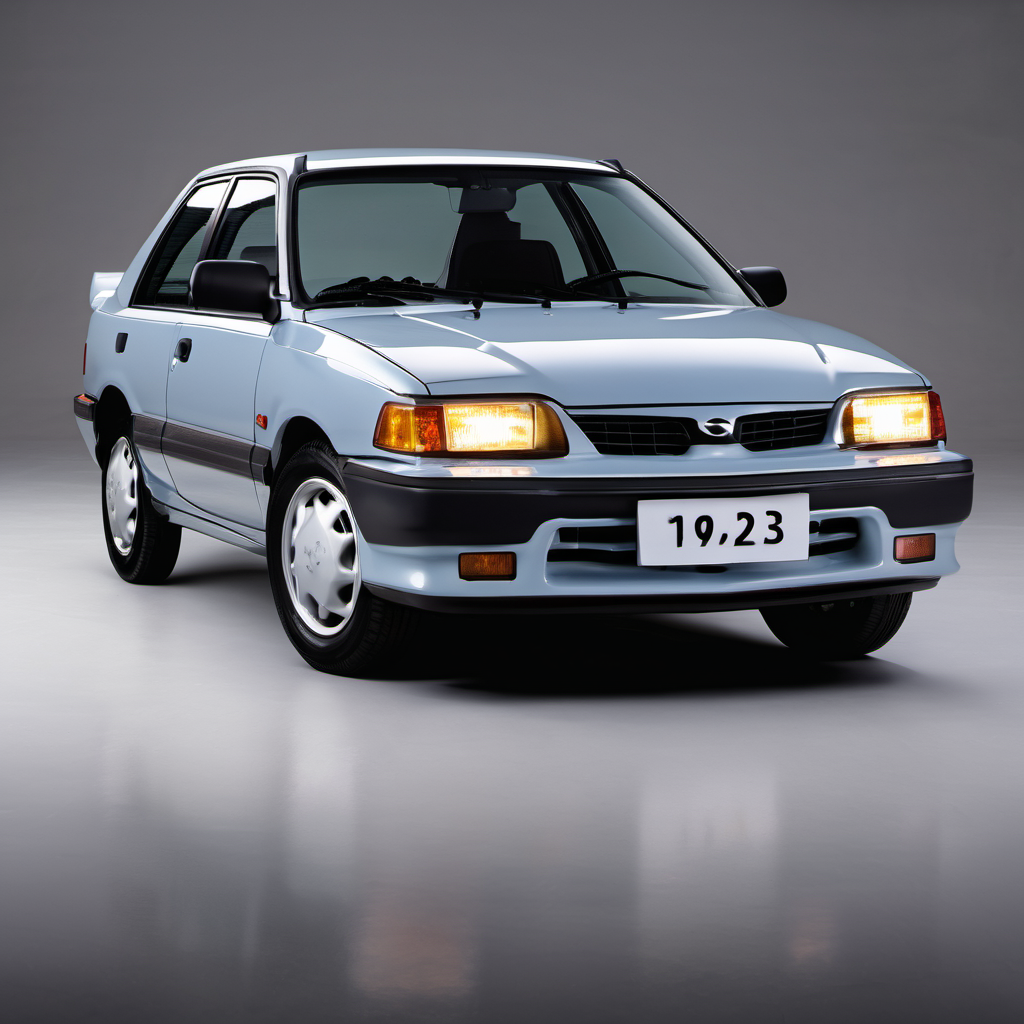
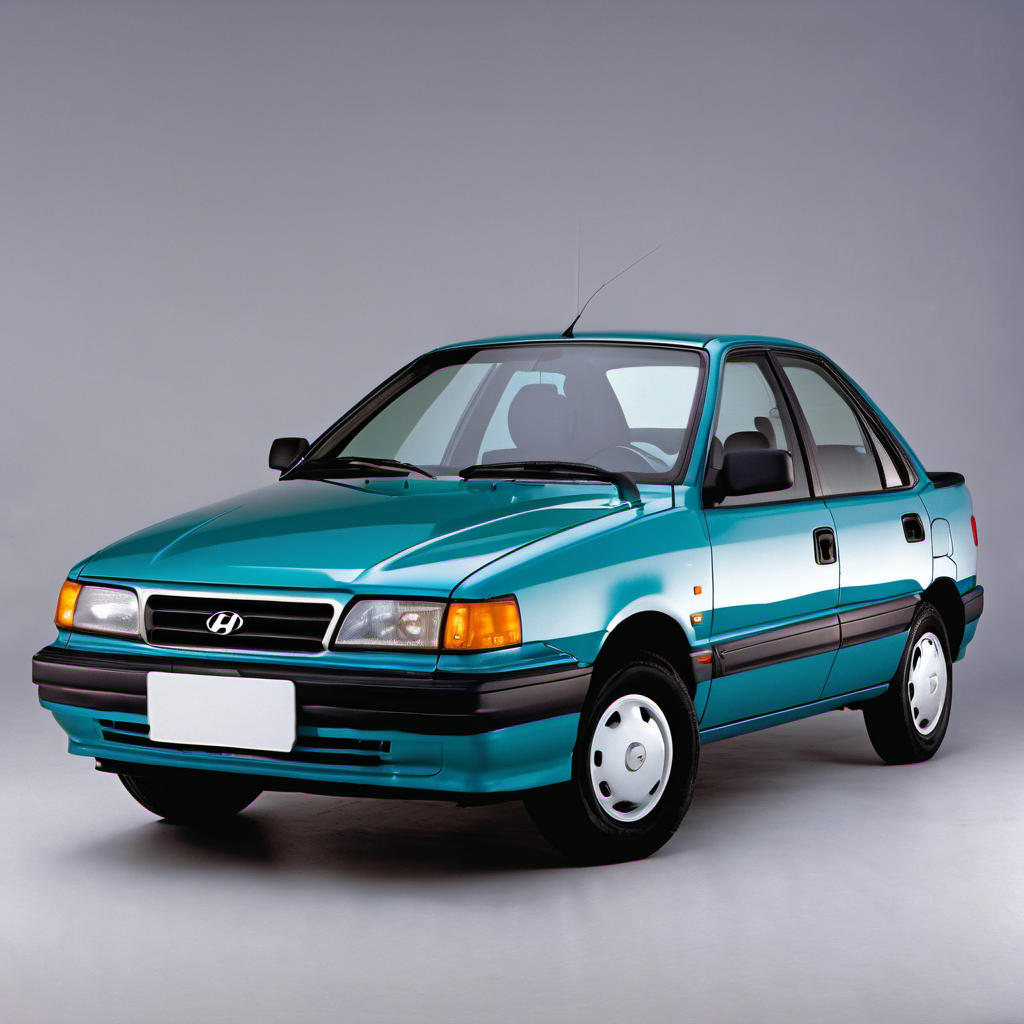
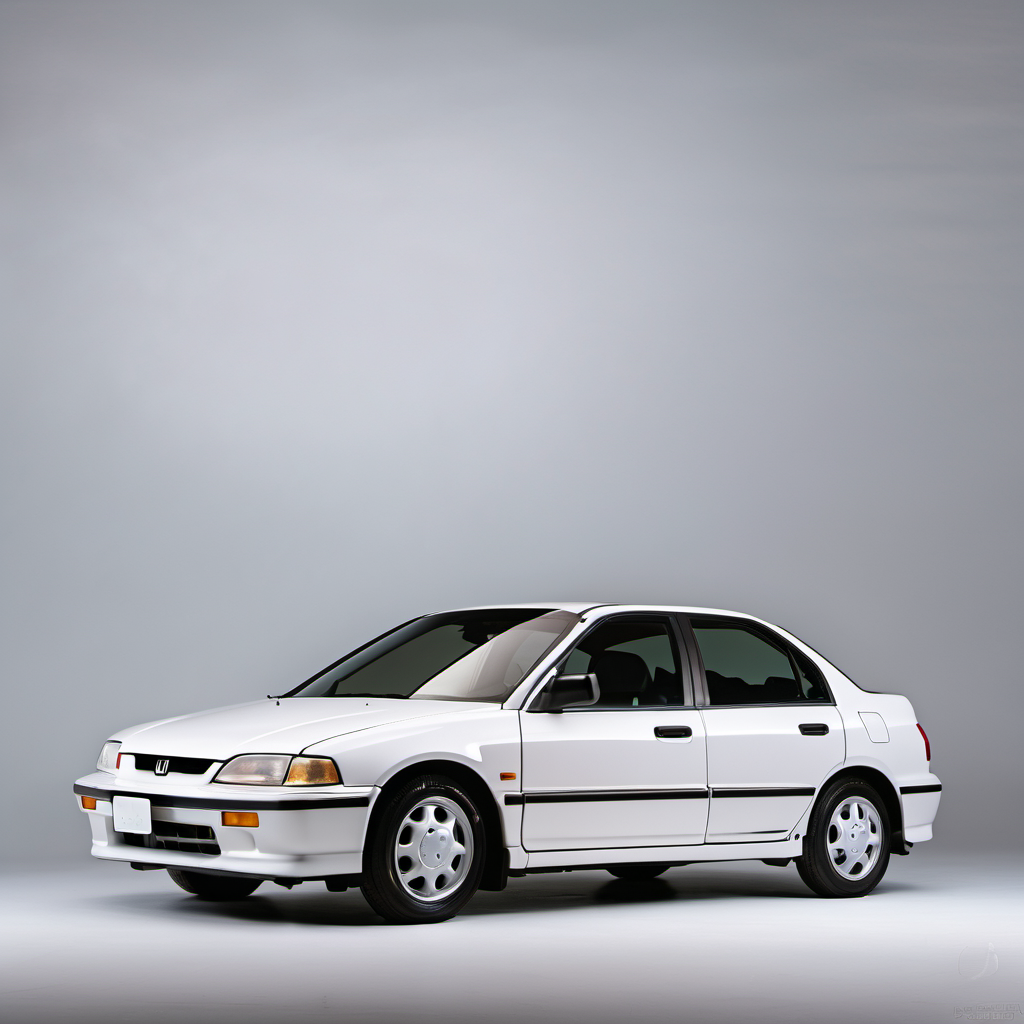
1993 Nissan Sentra Coupe

1993 Nissan

SentraCoupe

Coupe

The 1993 Nissan Sentra Coupe is a third-generation (B13) compact that earned a reputation as one of the most dependable economy cars of its era. Powered by a carbureted or fuel-injected 1.6L four-cylinder, it prioritized simplicity and fuel efficiency over performance — a formula that made it a favorite for budget-minded commuters and first-time car owners alike. By 1993, the B13 platform was mature and well-sorted. The coupe body style offered slightly sportier looks than the sedan, though mechanically the two are nearly identical. Parts availability is solid for a 30-year-old car thanks to Nissan's widespread North American presence and a loyal enthusiast community. At this age, the Sentra's long-term fate is almost entirely determined by how well it was maintained and whether rust was kept in check. Mechanically simple enough that a competent independent shop can handle nearly everything — that's actually a strength on a vehicle this old.

Reliability
4/5
Verified data
Specs shown for Sentra — the most common configuration. Other trims may vary in engine, drivetrain, or fuel economy. Sign in to see your vehicle's exact specs.
Engine
[object Object]
Drivetrain
FWD
Fuel
Gasoline
MPG
23 city / 32 hwy / 27 combined
Seats
Doors
Body
Subcompact Cars

Overview

AI-curated

The 1993 Nissan Sentra Coupe is a third-generation (B13) compact that earned a reputation as one of the most dependable economy cars of its era. Powered by a carbureted or fuel-injected 1.6L four-cylinder, it prioritized simplicity and fuel efficiency over performance — a formula that made it a favorite for budget-minded commuters and first-time car owners alike. By 1993, the B13 platform was mature and well-sorted. The coupe body style offered slightly sportier looks than the sedan, though mechanically the two are nearly identical. Parts availability is solid for a 30-year-old car thanks to Nissan's widespread North American presence and a loyal enthusiast community. At this age, the Sentra's long-term fate is almost entirely determined by how well it was maintained and whether rust was kept in check. Mechanically simple enough that a competent independent shop can handle nearly everything — that's actually a strength on a vehicle this old.

Known for
  • Exceptional fuel economy for its era
  • Simple, easy-to-service 1.6L engine
  • Low operating costs
  • Durable manual transmission when maintained
  • Lightweight and nimble in city driving
Best for
  • Budget-conscious daily commuters
  • First-time car owners
  • Low-mileage city driving
  • DIY mechanics looking for an approachable project
Watch for
  • Severe rust on rockers, floor pans, and subframe — a 30-year-old Wisconsin car is high-risk
  • Coolant leaks from aged hoses and radiator
  • Worn CV axles and boots common at high mileage
  • Aging rubber: belts, hoses, motor mounts all suspect at this age regardless of mileage
  • Carburetor or fuel injector issues depending on engine variant

Common issues by mileage

6 known

Rust — rockers, floor pans, subframe, and wheel wells

high
Typically appears
All mileages on salt-belt cars
Estimated repair
$500 – $3,500

Coolant system leaks — hoses, radiator, water pump

high
Typically appears
80k+ mi / any age
Estimated repair
$150 – $650

CV axle and boot failure

high
Typically appears
80–150k mi
Estimated repair
$150 – $400

Timing belt and tensioner wear

high
Typically appears
60k mi intervals
Estimated repair
$200 – $450

Automatic transmission slipping or failure

medium
Typically appears
100k+ mi
Estimated repair
$800 – $2,200

Oxygen sensor failure / fuel system issues

medium
Typically appears
80k+ mi
Estimated repair
$100 – $350

Maintenance schedule

  1. 1
    Every 60,000 miles or 5 years Timing belt replacement

    The GA16DE is an interference engine — a broken timing belt destroys the engine. On a 30-year-old car, replace it regardless of stated mileage if history is unknown.

  2. 2
    Every 2 years Coolant flush and hose inspection

    Original rubber hoses are long past service life. Coolant becomes acidic with age and accelerates corrosion inside the engine and radiator.

  3. 3
    Every oil change CV boot inspection

    Torn boots allow grease loss and grit entry, leading to rapid CV joint wear. Catching a torn boot early saves the cost of a full axle replacement.

  4. 4
    Every 2 years Brake fluid flush

    Brake fluid is hygroscopic. On an older car, degraded fluid raises boiling point concerns and accelerates internal corrosion in calipers and the master cylinder.

  5. 5
    Annually, before winter Underbody rust inspection and treatment

    Lake Geneva roads are heavily salted. Proactive rust-proofing on rockers, subframe pickup points, and floor pans is the single most important thing you can do to preserve this car's structural life.

  6. 6
    Every 30,000 miles Spark plugs and ignition wires

    Original-spec copper plugs and aging plug wires cause misfires, rough idle, and reduced fuel economy. Inexpensive job with noticeable results.

  7. 7
    Every 2 years Engine and transmission mounts inspection

    Rubber mounts degrade with age even at low mileage. Worn mounts cause driveline vibration and can stress other components.

  8. 8
    Annually, before winter Battery test and terminal cleaning

    Sub-zero Wisconsin starts demand a battery at full capacity. A 30-year-old car's charging system should also be tested — alternators wear quietly.

Always defer to the manufacturer's service manual for warranty-mandated intervals.

Cost of ownership

Annual maintenance
$400 – $1,200
Fuel
Very low — 27 combined MPG on regular unleaded. At 12,000 miles/year and $3.50/gal, expect roughly $1,550/year in fuel.
Insurance
Generally low — older economy car with low replacement value. Liability-only coverage is common on vehicles this age.

The 1993 Sentra is cheap to own IF it's already in good shape. Routine maintenance is inexpensive because parts are simple and labor hours are low. The danger zone is deferred maintenance and rust repair — either can quickly exceed the car's market value. Budget extra in year one to get it fully sorted: timing belt, coolant system, brakes, and a thorough underbody inspection.
Seasonal care

Lake Geneva, WI
Winter
  • Test battery before first hard freeze — cold cranking amps drop sharply below 10°F and this car's starter draws heavily on a tired battery.
  • Switch to a low-viscosity oil (5W-30 or per owner's manual) for cold-weather starts to protect the engine before oil pressure builds.
  • Flush washer fluid reservoir and top with -20°F or colder rated fluid — Lake Geneva winters will freeze standard fluid in the lines.
  • Install dedicated winter tires — the FWD Sentra handles snow reasonably but all-season tires on a 30-year-old light car are marginal at best.
  • Inspect and clean undercarriage salt buildup monthly during winter; road brine is far more corrosive than snow alone and this car is already rust-vulnerable.
  • Check coolant freeze protection with a tester — old coolant loses its freeze point protection over time and a cracked block is a total loss on a car this value.
Summer
  • Inspect the cooling system thoroughly in spring — a marginal radiator or water pump that held through winter can fail fast under summer heat load.
  • Check tire pressure monthly; ambient temperature swings between Wisconsin winters and summers cause significant pressure changes.
  • Test A/C function early in the season — the R-134a system (if converted from R-12) may need a recharge; original R-12 systems require a certified technician.
  • Inspect the rubber CV boots after winter potholes — cracked pavement season accelerates boot wear and torn boots are best caught before summer heat dries the grease out.

Comparable vehicles

If you're shopping for one

Red flags
  • Any visible rust bubbling on the rocker panels, wheel arches, or trunk floor — this car's thin sheetmetal rusts fast once started.
  • No maintenance records on a 30-year-old vehicle — assume timing belt, water pump, and coolant system are overdue.
  • Automatic transmission that hesitates, slips, or clunks — rebuilds often exceed the car's value.
  • Overheating history or a recently replaced head gasket without documentation of the root cause being fixed.
  • Mismatched paint panels suggesting prior accident repair — on a budget car this old, structural repairs may not have been done properly.
What to inspect
  • Lift the car and physically probe the subframe mounting points, rockers, and floor pans with a screwdriver — soft or flaking metal is a structural disqualifier.
  • Start cold and listen for timing belt noise or rough idle; a warm start can mask problems.
  • Check for coolant in the oil (milky dipstick) and oil in the coolant reservoir — head gasket issues are common on high-mileage or overheated examples.
  • Test all four CV axles by making tight low-speed turns — clicking or clunking means worn joints.
  • Inspect the timing belt visually if accessible; ask for service records proving replacement.
  • Verify whether the A/C system uses R-12 or has been converted to R-134a — R-12 service adds cost and requires a certified shop.
AI profile generated 4 days ago · claude-sonnet-4-6 · v2.