Distributor failure (ignition module / rotor / cap wear)
high- Typically appears
- 80k+ mi / any mileage at this age
- Estimated repair
- $120 – $350
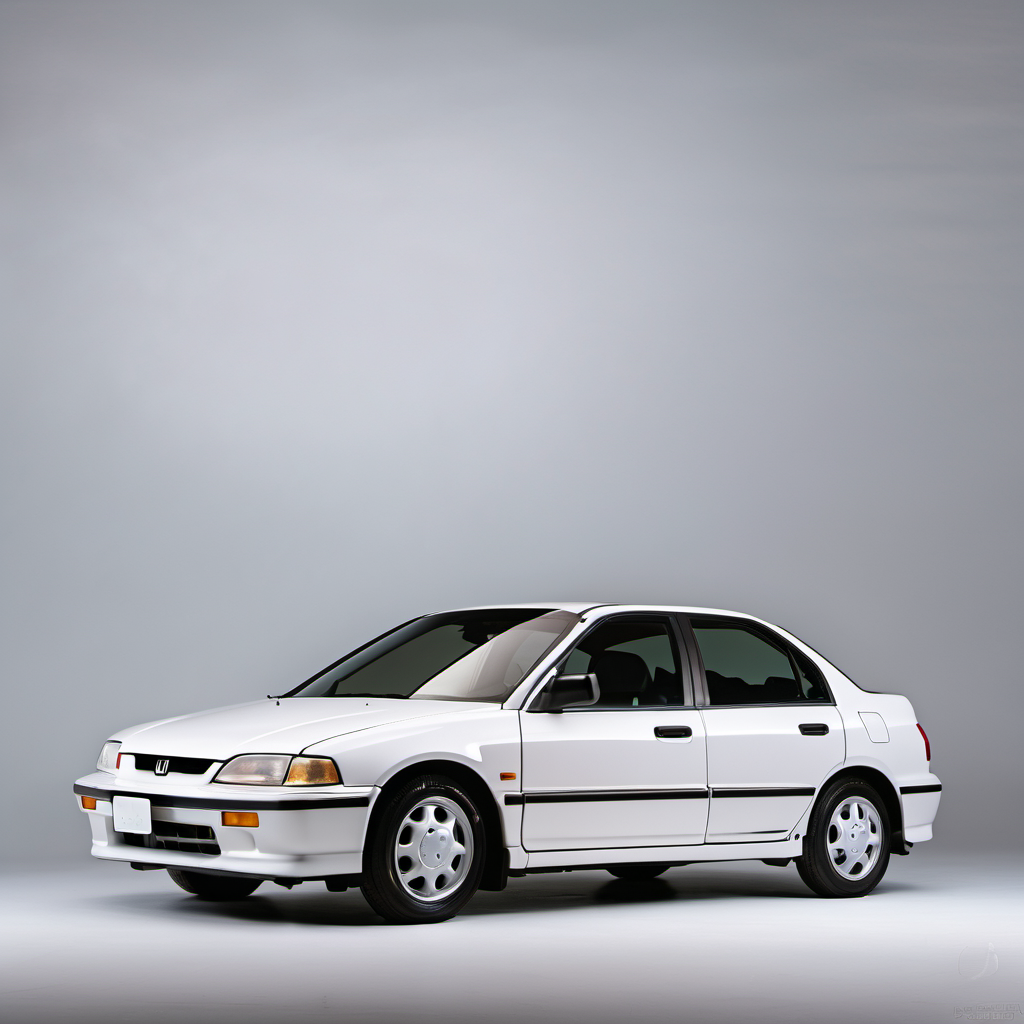
1993 Honda
Coupe
The fifth-generation (EG) Honda Civic Coupe is one of the most enduring econoboxes ever built. Introduced for 1992, the '93 Civic carried Honda's reputation for reliability and frugality into a sleek, lightweight two-door package. Powered by a 1.5L four-cylinder paired to either a 5-speed manual or 4-speed automatic, it delivered genuinely impressive fuel economy for its era and proved to be nearly bulletproof with basic maintenance. At 30 years old, surviving examples fall into two camps: well-kept daily drivers that still run strong, and modified or neglected cars that need serious sorting. The EG chassis became a cult classic in the import performance scene, so rust, mileage abuse, and previous modifications are real concerns on any used purchase. For a buyer who wants affordable, simple transportation and is willing to do basic upkeep, a clean '93 Civic Coupe is still a legitimate choice. Parts availability remains excellent. Just be prepared for its age — rubber, seals, and electrical connectors that are over 30 years old need attention regardless of mileage.
The fifth-generation (EG) Honda Civic Coupe is one of the most enduring econoboxes ever built. Introduced for 1992, the '93 Civic carried Honda's reputation for reliability and frugality into a sleek, lightweight two-door package. Powered by a 1.5L four-cylinder paired to either a 5-speed manual or 4-speed automatic, it delivered genuinely impressive fuel economy for its era and proved to be nearly bulletproof with basic maintenance. At 30 years old, surviving examples fall into two camps: well-kept daily drivers that still run strong, and modified or neglected cars that need serious sorting. The EG chassis became a cult classic in the import performance scene, so rust, mileage abuse, and previous modifications are real concerns on any used purchase. For a buyer who wants affordable, simple transportation and is willing to do basic upkeep, a clean '93 Civic Coupe is still a legitimate choice. Parts availability remains excellent. Just be prepared for its age — rubber, seals, and electrical connectors that are over 30 years old need attention regardless of mileage.
This is an interference engine. A snapped timing belt bends valves and destroys the engine. On a 30-year-old car, assume it's due unless you have paperwork proving otherwise.
Short trips and cold Wisconsin winters mean oil degrades faster than the mileage alone suggests. Stick to the shorter interval in winter months.
Old coolant loses its corrosion inhibitors and can pit the aluminum cylinder head. Cheap insurance on a 30-year-old engine.
The distributor-based ignition on this engine is the most common cause of no-start and misfire issues at this age. Fresh ignition components are low-cost prevention.
Brake fluid is hygroscopic — it absorbs moisture over time, lowering its boiling point and accelerating caliper corrosion. Especially important after Wisconsin winters.
Rubber components 30 years old crack and fail without warning. A cracked CV boot that goes unnoticed will quickly destroy the CV joint — a far more expensive repair.
Wisconsin road salt accelerates rust on exposed metal. Inspect rocker panels, subframe, floor pans, and brake lines. Annual undercoating or rust inhibitor application extends life significantly.
Cold cranking a 1.5L in sub-zero temps puts maximum stress on an aging battery. A battery that tests fine in summer can fail to start the car at 0°F.
Always defer to the manufacturer's service manual for warranty-mandated intervals.
Day-to-day ownership costs are low. The 1.5L uses cheap regular gas, insurance is minimal, and routine maintenance parts are inexpensive. The wildcard is deferred maintenance catch-up: if you buy a car with no service records, budget an extra $800–$1,500 up front to replace all age-sensitive consumables (timing belt, coolant, brake fluid, ignition components, hoses). After that, this is one of the cheapest cars to keep running.
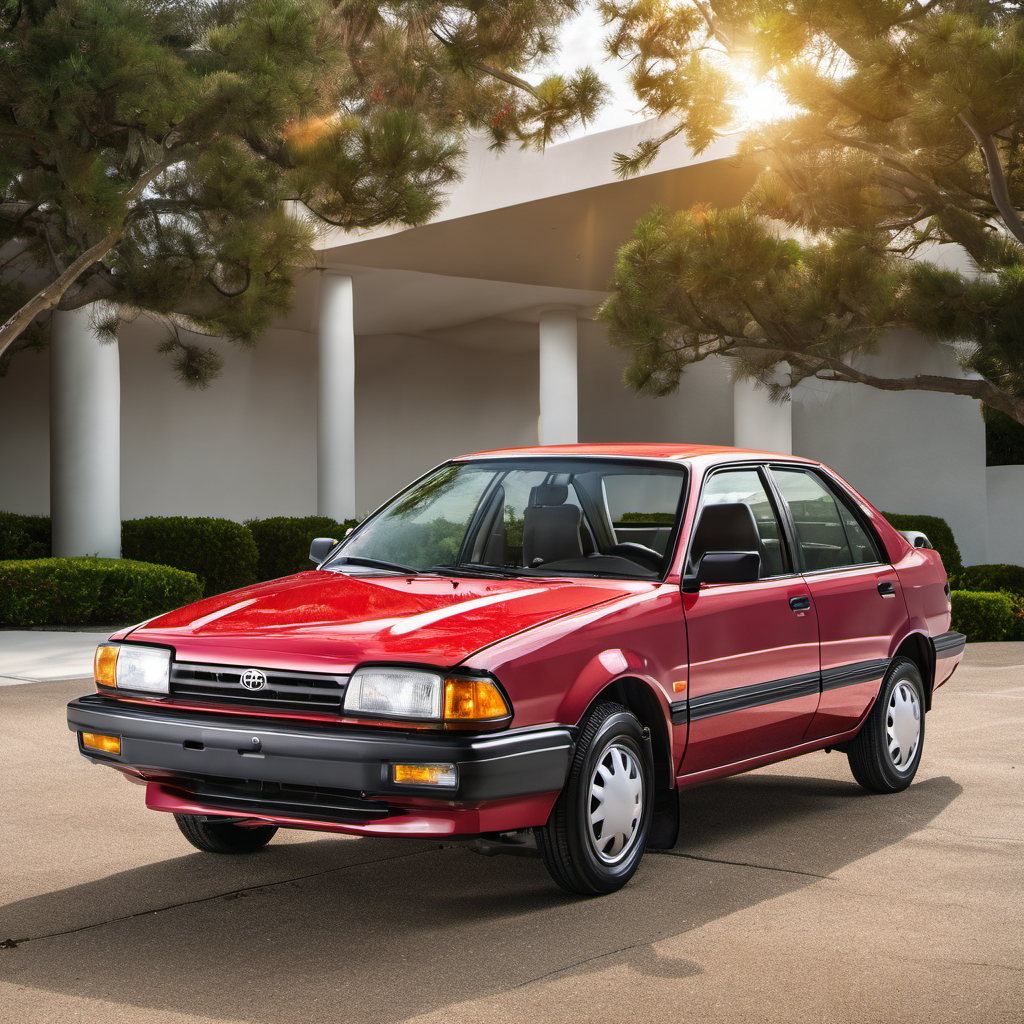
Same segment, same era, similar reliability reputation and ownership costs. The AE101 Corolla is slightly larger but equally simple to maintain.
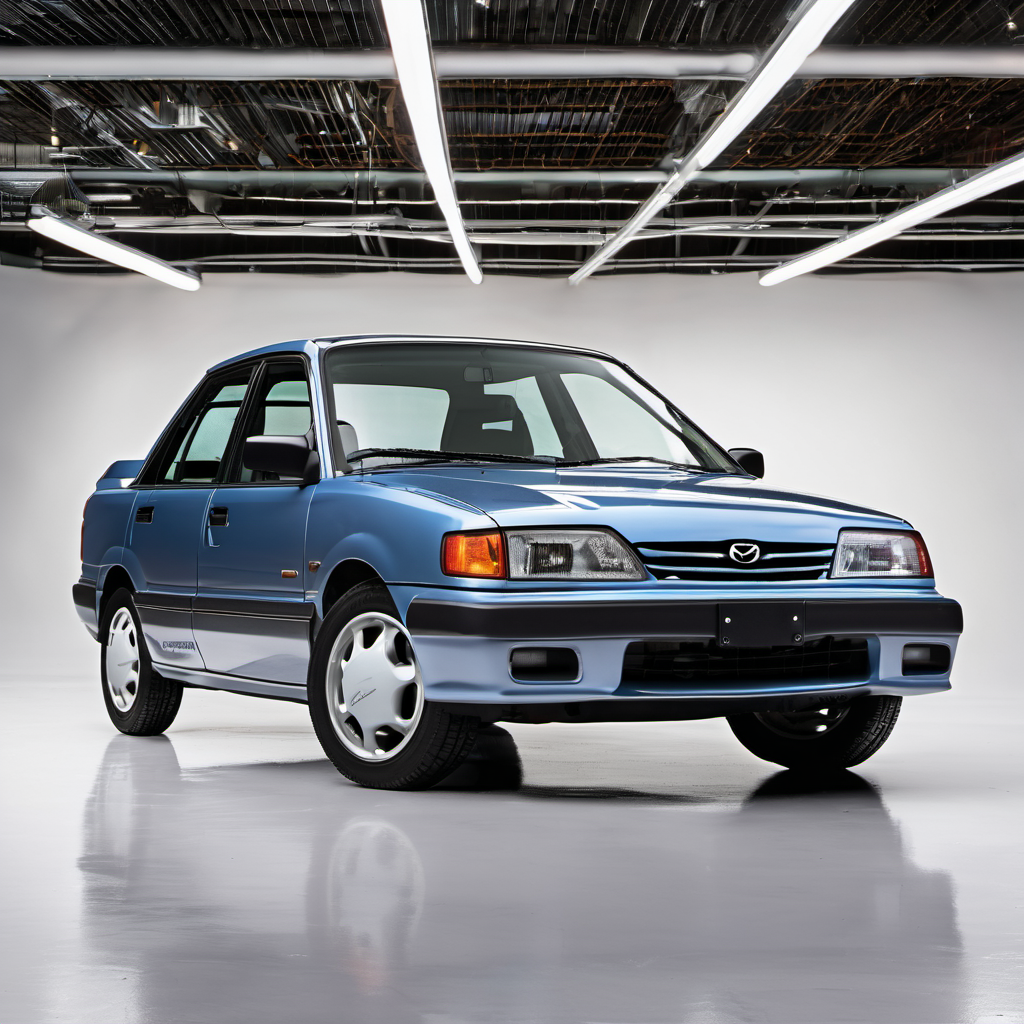
Direct competitor at the time — FWD, 1.6L four-cylinder, similar fuel economy and price point. Slightly less parts availability today but equally reliable.
American-built sport coupe in the same price range. The DOHC 1.9L makes more power, though long-term parts support is more limited than the Civic.
No catalog match
Budget-priced FWD coupe of the same era. Less reliable than the Civic over the long haul, but parts remain available and prices are similar.