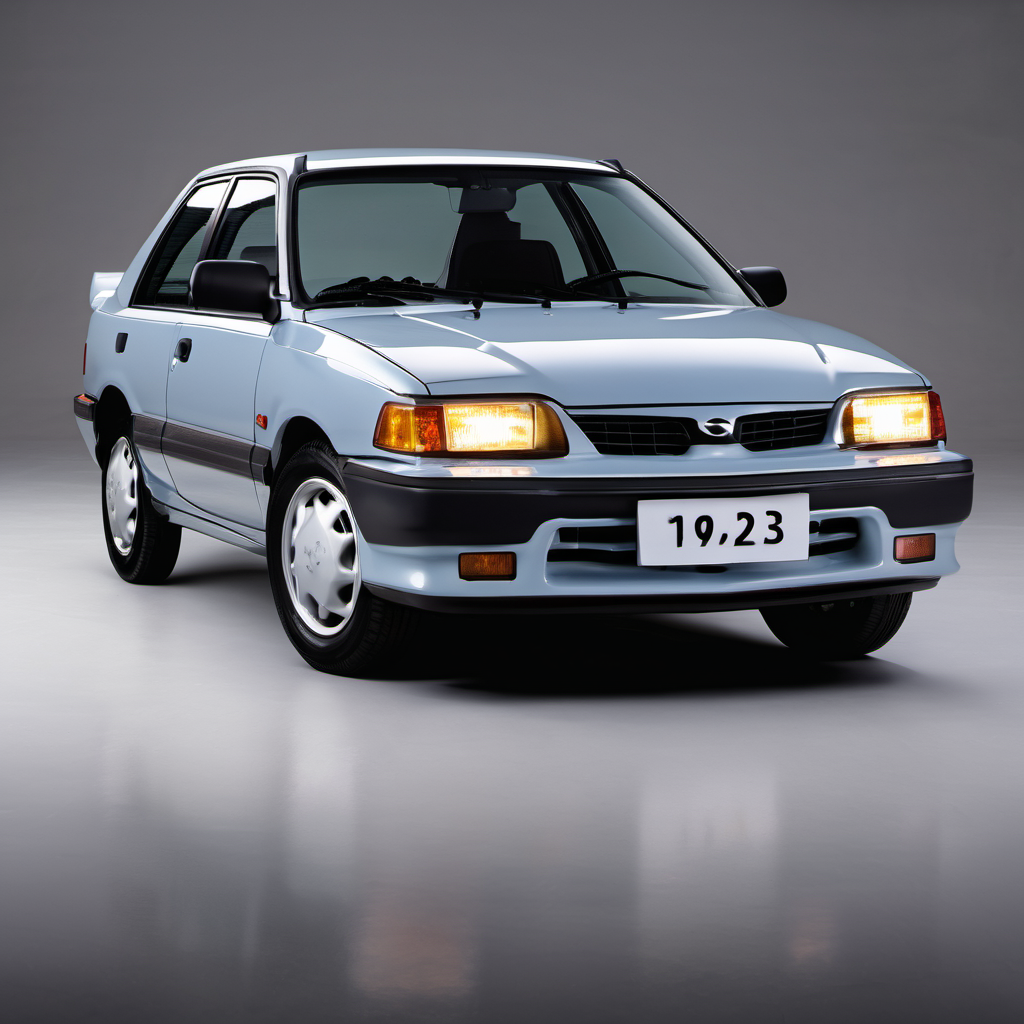
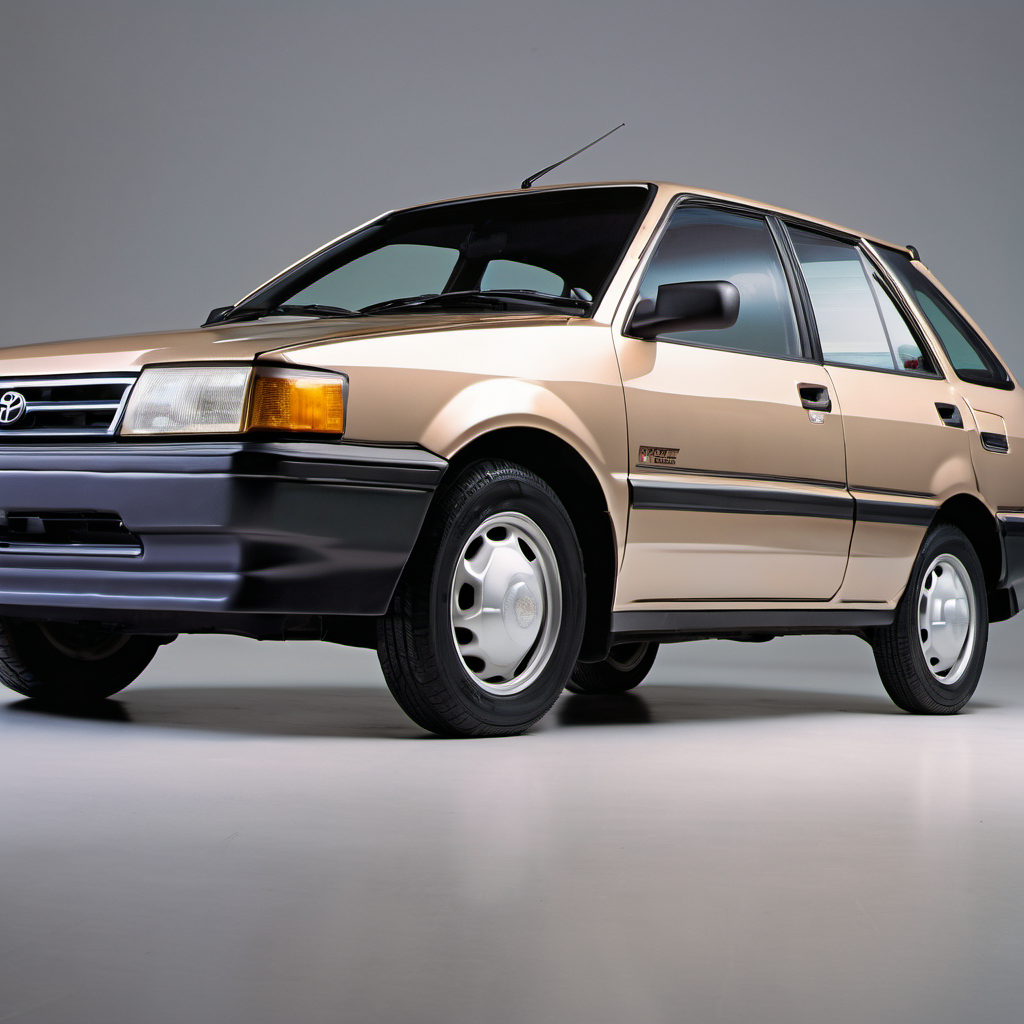
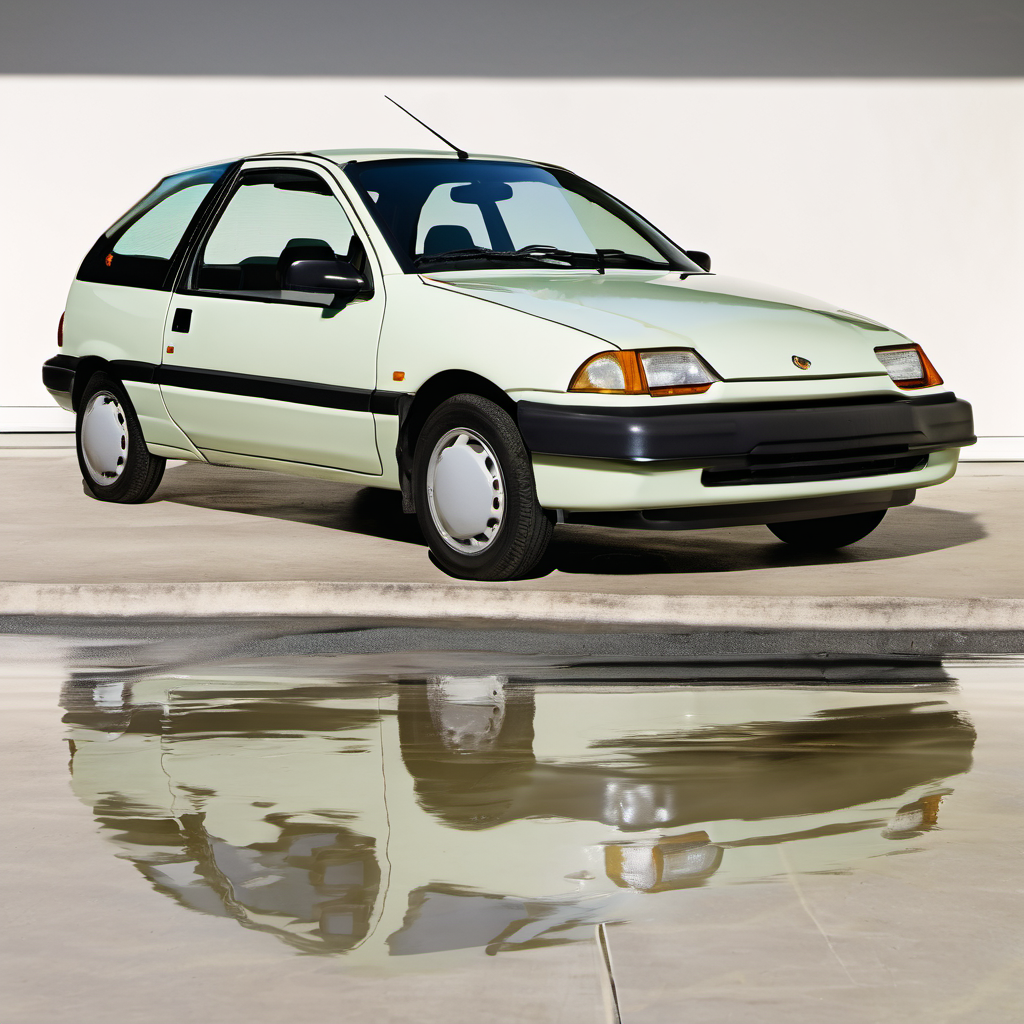
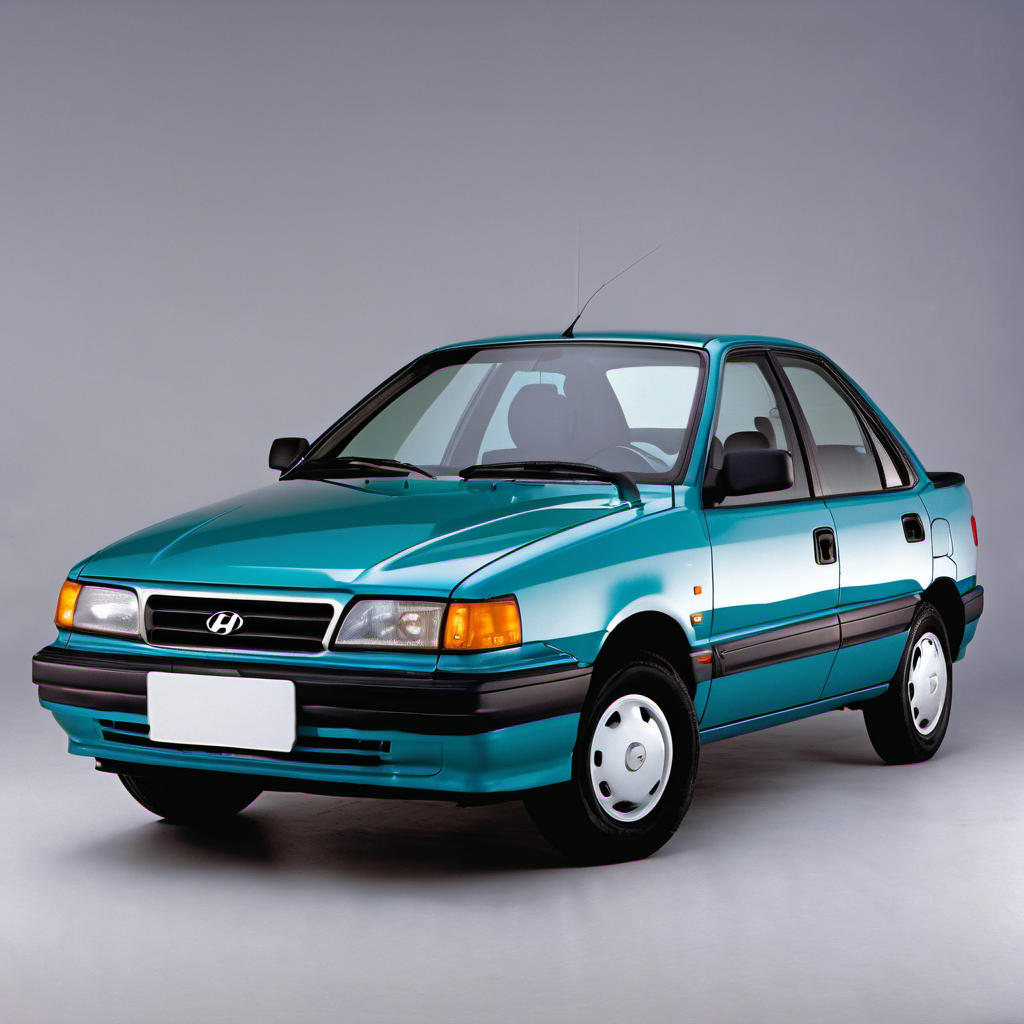
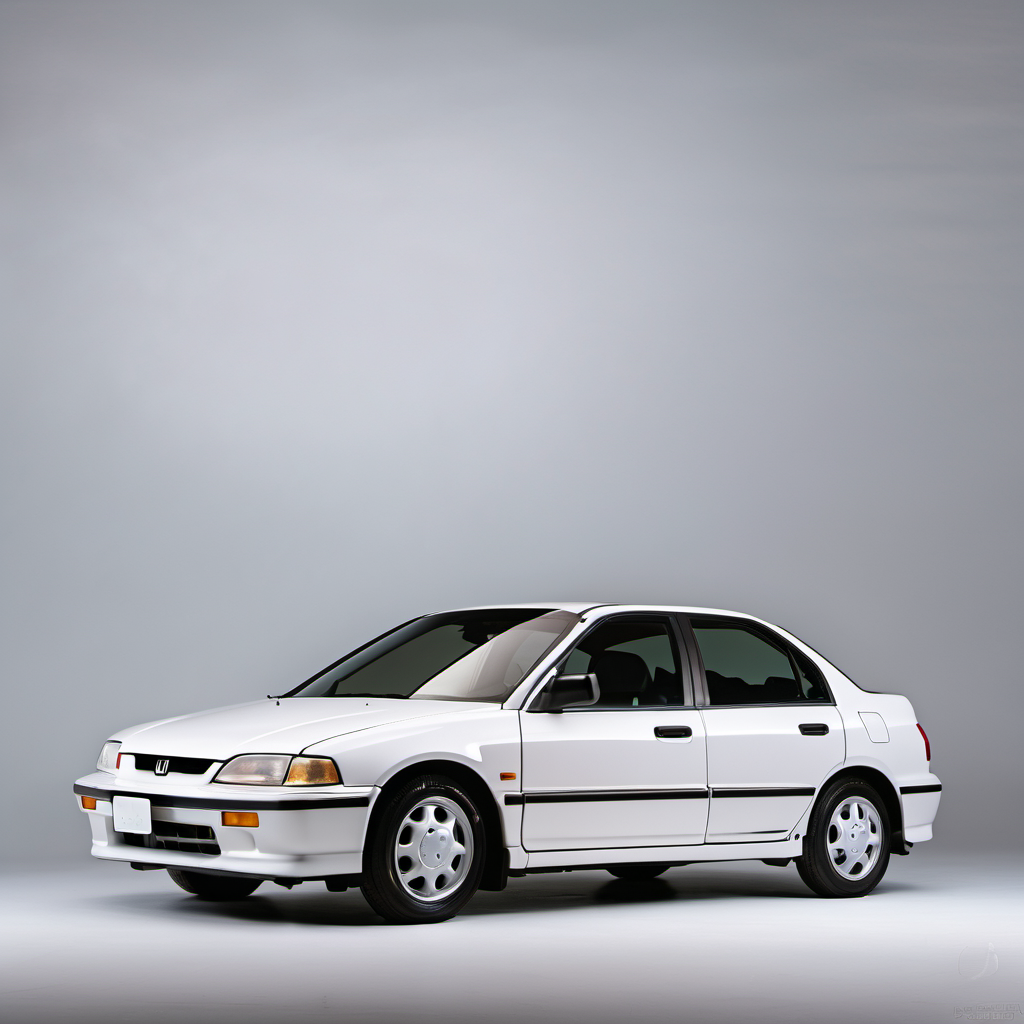
1993 MAZDA 323 Hatchback

1993 MAZDA

323Hatchback

Hatchback

The 1993 Mazda 323 Hatchback is a compact, front-wheel-drive economy car built during the final generation of the 323 nameplate in North America. Powered by a modest 1.6L four-cylinder, it was designed around simplicity and fuel efficiency — qualities that made it popular with commuters and budget-conscious buyers. Mazda's reputation for solid engineering is visible here: the drivetrain is straightforward, parts availability was good when it was sold new, and owners who kept up on basics were rewarded with reasonable longevity. By 1993, this car was already near the end of its run in the U.S. market (Mazda dropped the 323 name after 1994 in favor of the Protegé). That means you're dealing with a 30+ year old vehicle. Any surviving example needs to be evaluated on its individual maintenance history, not the model's general reputation. Rust, dry-rotted rubber, and aged electrics are the real concerns at this age — not powertrain complexity. For a Lake Geneva driver, this car's light weight and FWD layout mean it can handle moderate Wisconsin winters adequately, but ground clearance and tire quality matter more than the drivetrain on a car this small. It's not a winter warrior — it's a fair-weather commuter that needs winter-specific tires and extra pre-season attention.

Reliability
3/5
Verified data
Specs shown for 323 — the most common configuration. Other trims may vary in engine, drivetrain, or fuel economy. Sign in to see your vehicle's exact specs.
Engine
[object Object]
Drivetrain
FWD
Fuel
Gasoline
MPG
23 city / 30 hwy / 25 combined
Seats
Doors
Body
Compact Cars

Overview

AI-curated

The 1993 Mazda 323 Hatchback is a compact, front-wheel-drive economy car built during the final generation of the 323 nameplate in North America. Powered by a modest 1.6L four-cylinder, it was designed around simplicity and fuel efficiency — qualities that made it popular with commuters and budget-conscious buyers. Mazda's reputation for solid engineering is visible here: the drivetrain is straightforward, parts availability was good when it was sold new, and owners who kept up on basics were rewarded with reasonable longevity. By 1993, this car was already near the end of its run in the U.S. market (Mazda dropped the 323 name after 1994 in favor of the Protegé). That means you're dealing with a 30+ year old vehicle. Any surviving example needs to be evaluated on its individual maintenance history, not the model's general reputation. Rust, dry-rotted rubber, and aged electrics are the real concerns at this age — not powertrain complexity. For a Lake Geneva driver, this car's light weight and FWD layout mean it can handle moderate Wisconsin winters adequately, but ground clearance and tire quality matter more than the drivetrain on a car this small. It's not a winter warrior — it's a fair-weather commuter that needs winter-specific tires and extra pre-season attention.

Known for
  • Simple, low-tech 1.6L drivetrain that's easy to service
  • Excellent fuel economy for its era
  • Compact and nimble in city and suburban driving
  • Lightweight unibody that responds well to maintenance
Best for
  • Budget-conscious owners comfortable with older, high-mileage vehicles
  • Short daily commutes on well-maintained roads
  • DIY mechanics who want an uncomplicated platform
  • Drivers with access to a second, more capable vehicle for bad-weather days
Watch for
  • Severe underbody and rocker panel rust — Wisconsin salt exposure over 30 years is a major structural risk
  • Aged rubber: coolant hoses, CV boots, engine and transmission mounts all degrade badly at this age
  • Worn or failed timing belt — catastrophic engine damage if neglected
  • Weak original-equipment battery performance in sub-zero temperatures
  • Dwindling OEM and quality aftermarket parts availability

Common issues by mileage

6 known

Timing belt failure

high
Typically appears
Any mileage on a 30+ year old belt
Estimated repair
$250 – $500

Rust — underbody, rockers, and floorpans

high
Typically appears
All mileages on Wisconsin-area vehicles
Estimated repair
$500 – $4,000

CV axle and CV boot deterioration

high
Typically appears
80k+ mi / age-related
Estimated repair
$150 – $400

Coolant hose and radiator leaks

high
Typically appears
All mileages at this age
Estimated repair
$100 – $450

Oxygen sensor failure (heater circuit)

medium
Typically appears
80k–150k mi
Estimated repair
$100 – $250

Worn engine and transmission mounts

medium
Typically appears
100k+ mi / age-related
Estimated repair
$150 – $350

Maintenance schedule

  1. 1
    Immediately if history unknown; otherwise every 60k mi or 5 years Timing belt replacement

    The 1.6L is an interference engine — a snapped belt destroys pistons and valves. At 30+ years, replace it regardless of mileage if you can't document the last change.

  2. 2
    Every 2 years or upon purchase Full coolant system inspection and flush

    Original rubber hoses are long past service life. A surprise coolant failure in a Wisconsin winter can leave you stranded and cause engine damage.

  3. 3
    Every oil change or at least annually CV boot and CV axle inspection

    Cracked or split boots let grease escape and grit in. Once a CV joint runs dry it fails quickly. Catching a torn boot early saves the cost of a full axle.

  4. 4
    Every 3,000–5,000 mi or once a year minimum Oil and filter change

    Short trip and cold-weather driving common in Wisconsin accelerates oil degradation. Fresh oil is the cheapest engine longevity insurance on a high-age vehicle.

  5. 5
    Every fall before first hard freeze Battery load test

    Batteries lose significant cranking capacity below 0°F. A battery that tests marginal in October will likely fail in January in Lake Geneva.

  6. 6
    Every 2 years Brake fluid flush

    Brake fluid absorbs moisture over time, lowering its boiling point and corroding internal brake components — a real concern on a car this old.

  7. 7
    Every spring after winter season Underbody rust inspection

    Wisconsin road salt attacks unibody cars from below. Check subframe mounting points, rear beam mounts, and floorpans. Catching surface rust early prevents structural failures.

  8. 8
    Every 30k mi Spark plugs and ignition wires

    Aged plug wires cause misfires and hard starts, especially in cold weather. New plugs and wires are inexpensive insurance on a carbureted-era ignition system.

Always defer to the manufacturer's service manual for warranty-mandated intervals.

Cost of ownership

Annual maintenance
$400 – $1,200
Fuel
At 25 MPG combined and ~12,000 miles/year, expect roughly $1,440–$1,680/year at $3.00–$3.50/gallon.
Insurance
Liability-only coverage on a vehicle this age typically runs $400–$700/year in the Lake Geneva area. Full coverage rarely makes economic sense given the car's market value.

Day-to-day operating costs are low — fuel economy is decent and the engine is simple to service. The real financial risk is deferred maintenance catching up all at once: a timing belt job, a set of CV axles, fresh coolant hoses, and a battery can easily stack to $1,000–$1,500 in a single season. Budget for catch-up maintenance when you acquire the car, and ongoing costs should stay reasonable.
Seasonal care

Lake Geneva, WI
Winter
  • Install dedicated winter tires — the car's light weight (under 2,200 lbs) means all-seasons lose grip quickly on packed snow and ice common around Lake Geneva.
  • Load-test the battery every October. Cold-cranking amps drop sharply below 10°F and this car's charging system is not forgiving of a weak battery.
  • Switch to a 5W-30 or manufacturer-specified cold-weather oil viscosity if running conventional oil to ensure proper cold-start lubrication.
  • Top off washer fluid with a -20°F or colder rated solution. The reservoir is small and will run out faster than you expect on salty winter roads.
  • Inspect all rubber door seals and apply a silicone protectant to prevent freezing and tearing when doors are yanked open in sub-zero temps.
  • Check antifreeze concentration to ensure protection to at least -34°F before the season starts — a 50/50 mix is the minimum for this region.
Summer
  • Inspect the cooling system thoroughly before summer — check hose condition, thermostat operation, and coolant level. The 1.6L is vulnerable to overheating if the system is compromised.
  • Check tire pressure monthly. Tire pressure rises roughly 1 PSI for every 10°F increase in temperature; over-inflation from heat causes uneven wear and reduces wet-weather grip.
  • Run the A/C (if equipped) at least briefly each week to keep the compressor seals lubricated. If A/C isn't blowing cold, recharging on a 30-year-old system requires leak-checking first.
  • Inspect brake dust accumulation and rotor condition after wet spring roads — surface rust on rotors from sitting is normal, but pitting is not.

Comparable vehicles

If you're shopping for one

Red flags
  • Rust holes or severe perforation anywhere on the floorpan, rocker panels, or subframe mounting points — structural rust on a unibody this age is often uneconomical to repair.
  • No timing belt service records and an owner who is vague about maintenance history.
  • Milky or foamy oil on the dipstick or inside the oil cap — indicates coolant mixing with oil, pointing to a head gasket failure.
  • Any sign the odometer has been rolled back or tampered with on a 30-year-old vehicle.
  • Smoke from the exhaust on startup or under load — blue smoke means burning oil, white smoke can mean coolant in the combustion chamber.
  • An asking price above $3,000 without verifiable low mileage and documented service history — realistic market value for average examples is $1,000–$2,500.
What to inspect
  • Poke and probe all underbody seams, rocker panels, floorpans, and rear wheel wells for rust perforation — this is the #1 reason to walk away from a Wisconsin-area example.
  • Ask for documented timing belt service history. If the owner can't produce a receipt, budget for immediate replacement and negotiate accordingly.
  • Start the engine cold and listen for tapping, rattling, or rough idle — signs of worn valve train or low oil pressure on a high-age engine.
  • Inspect all visible coolant hoses for cracking, softness, or swelling, and look for dried coolant residue around clamps and the radiator.
  • Drive it at highway speed and feel for vibration — CV axle or wheel bearing wear is common and reveals itself clearly above 50 mph.
  • Check all four corners for oil seepage around the axle shafts and gearbox seals.
AI profile generated 4 days ago · claude-sonnet-4-6 · v2.