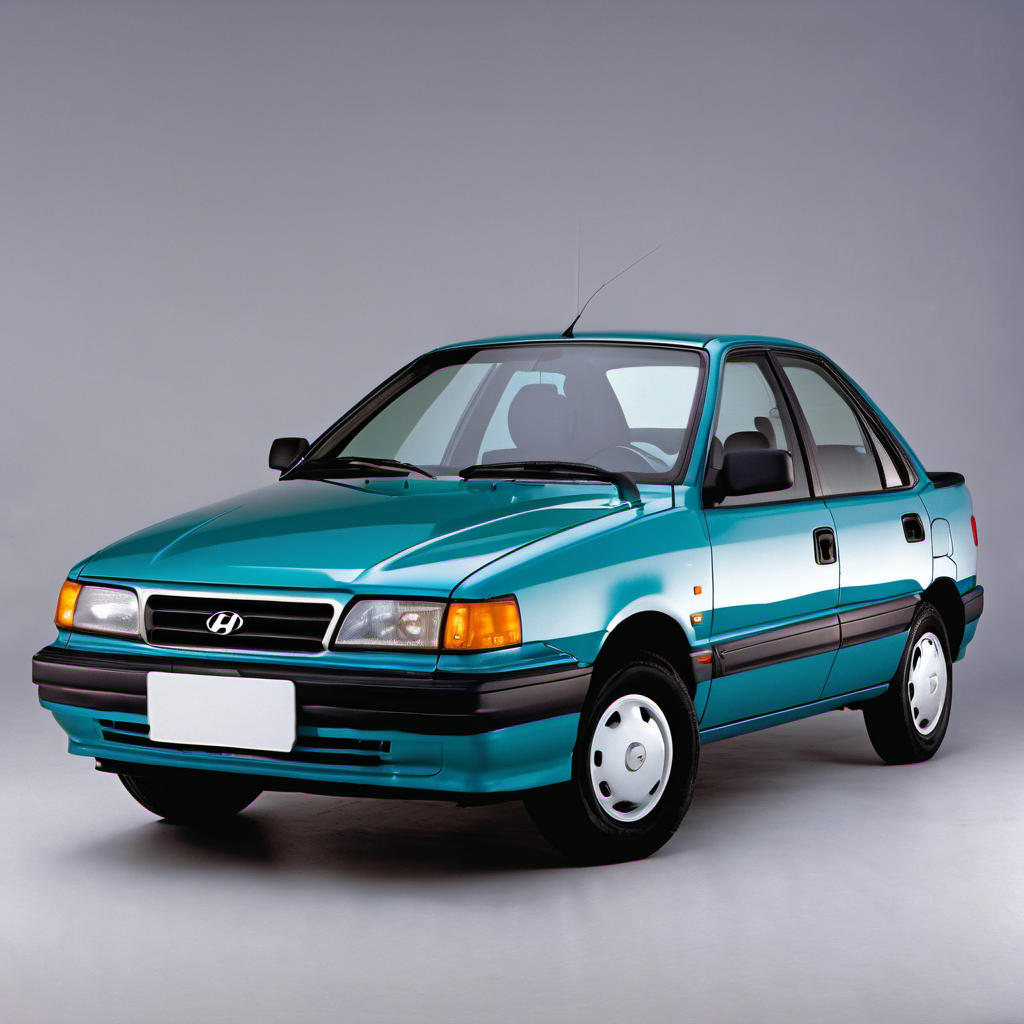
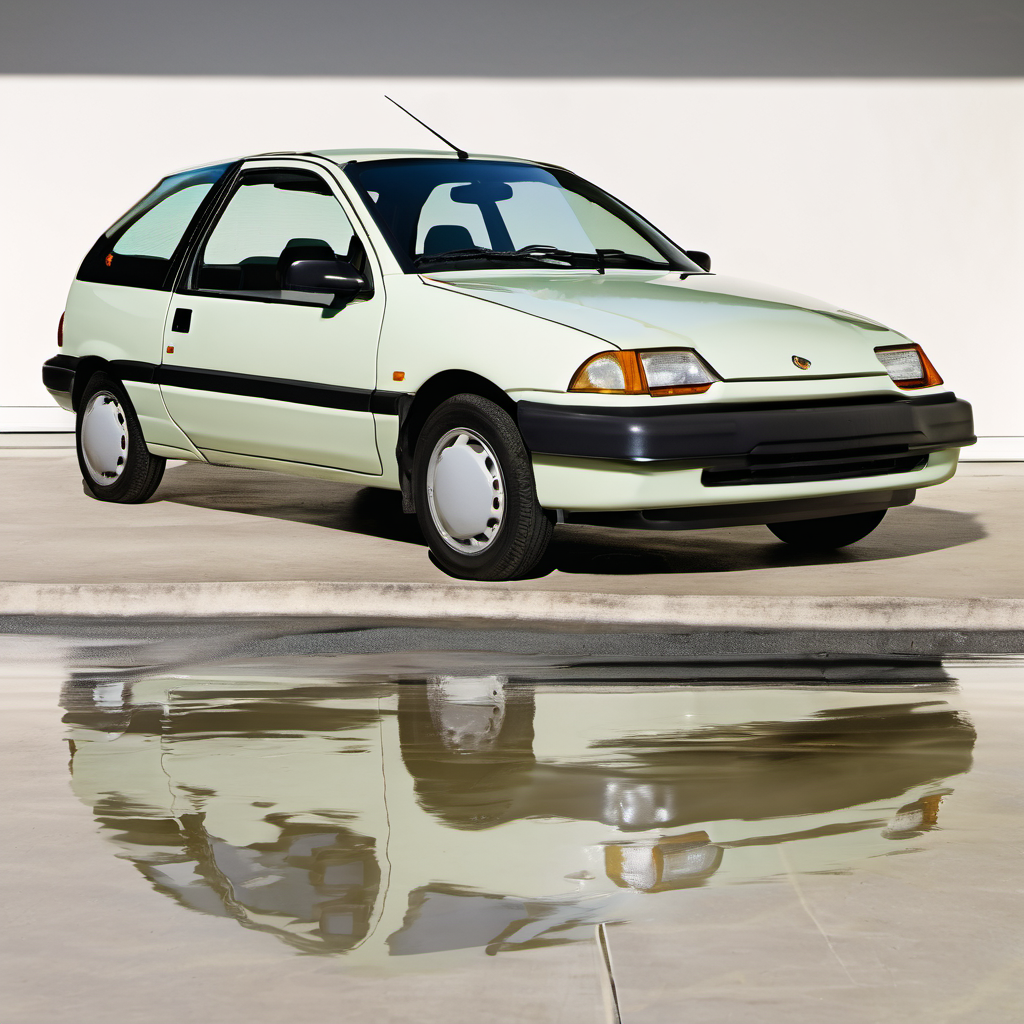
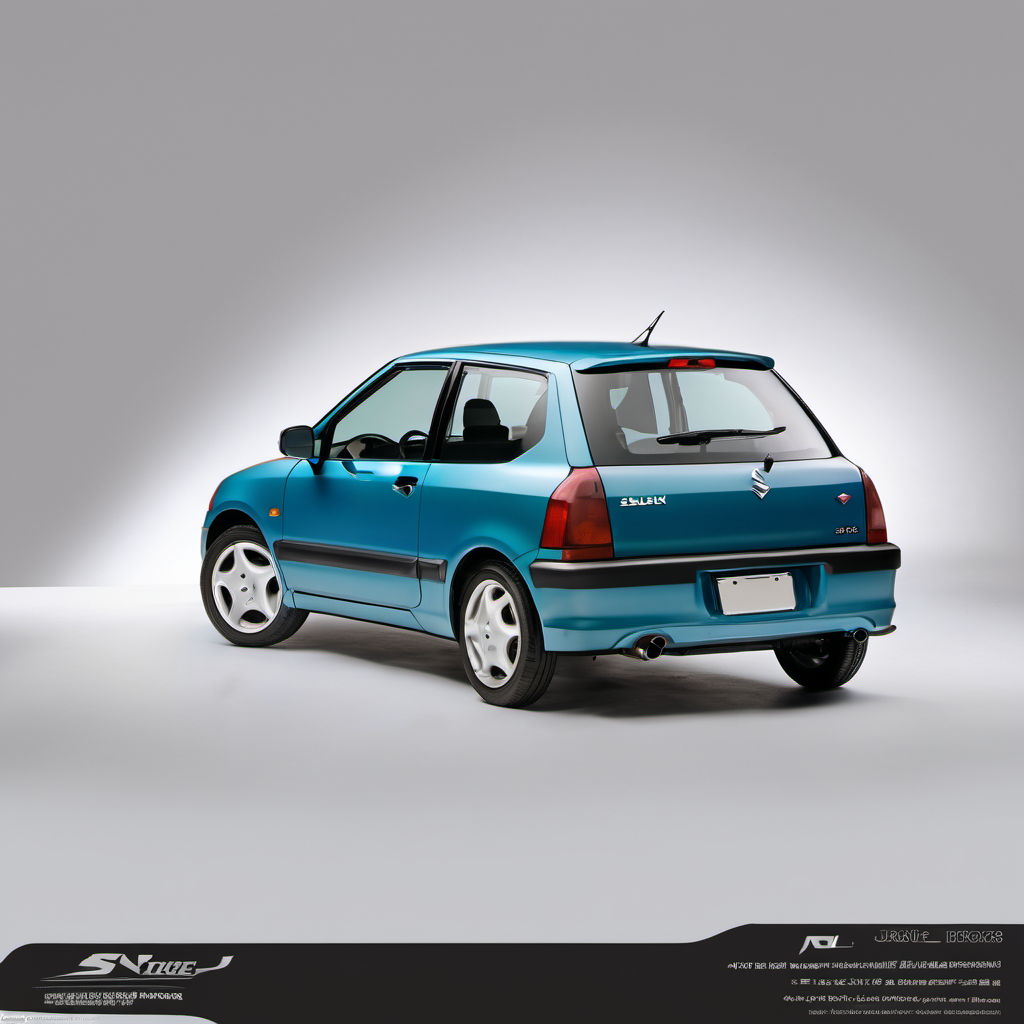
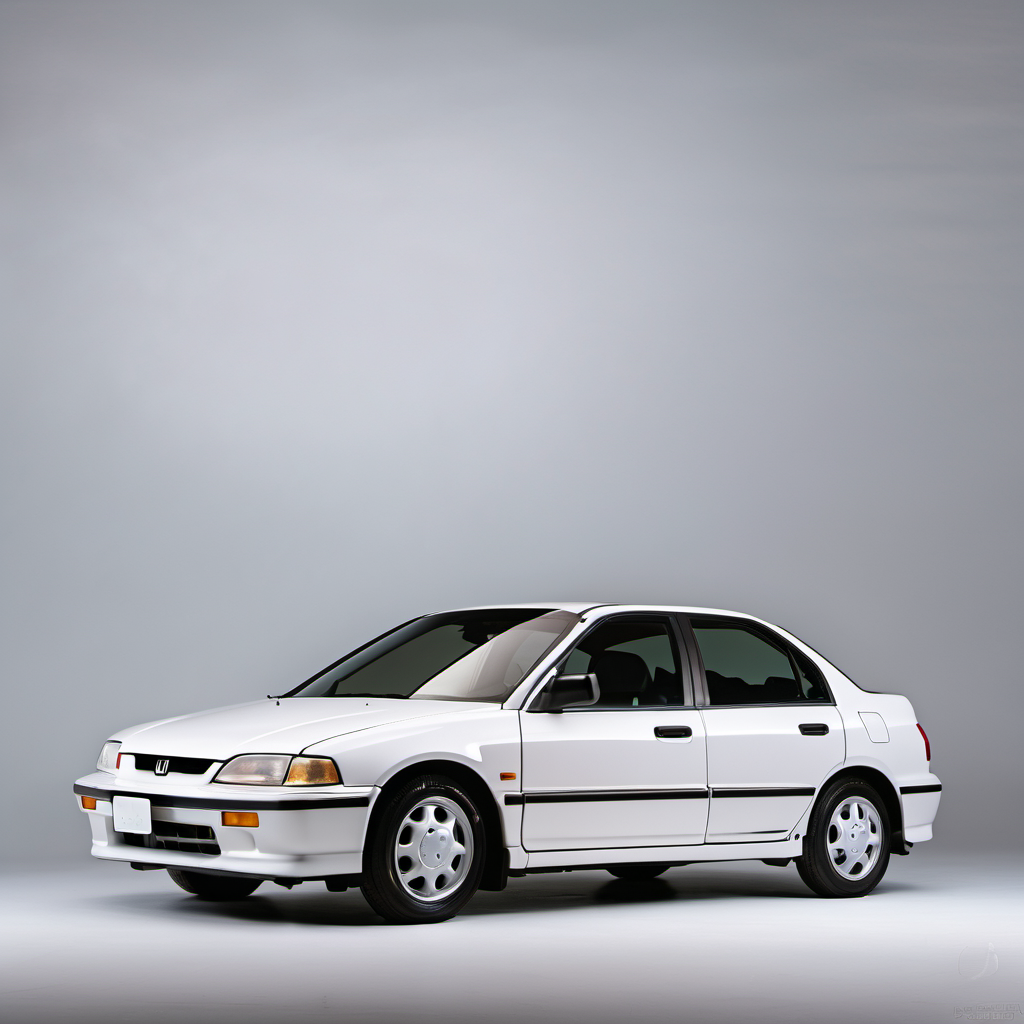
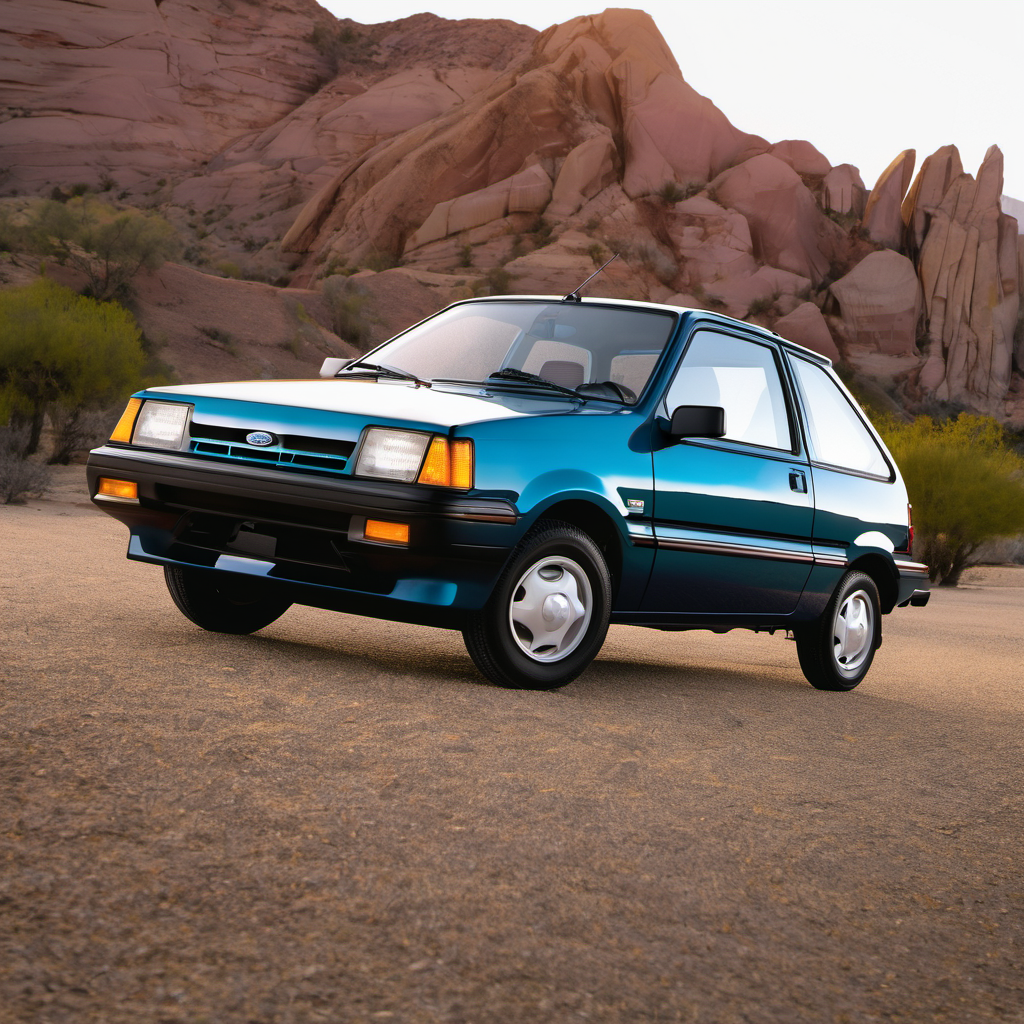
1993 Hyundai Excel Hatchback

1993 Hyundai

ExcelHatchback

Hatchback

The 1993 Hyundai Excel is a subcompact front-wheel-drive hatchback that was Hyundai's entry-level offering in North America through most of the late 1980s and early 1990s. Powered by a 1.5L four-cylinder engine, it was aimed squarely at budget-conscious buyers who needed basic, fuel-efficient transportation. By 1993 it was in the final stretch of its run in the U.S. — Hyundai replaced it with the Accent for 1995. The Excel's reputation is a mixed bag. Early examples (1986–1989) were notorious for poor reliability, but the 1990–1994 cars were meaningfully improved. That said, this is a 30-year-old economy car with a parts supply that is thinning quickly. Any surviving example has likely covered significant miles and seen varying levels of care. In Lake Geneva's climate, rust is the single biggest concern. These cars were not galvanized well, and Wisconsin road salt accelerates floorpan, rocker panel, and subframe corrosion dramatically. A surviving Excel is a curiosity more than a daily driver candidate at this point.

Reliability
2/5
Verified data
Specs shown for Excel — the most common configuration. Other trims may vary in engine, drivetrain, or fuel economy. Sign in to see your vehicle's exact specs.
Engine
[object Object]
Drivetrain
FWD
Fuel
Gasoline
MPG
24 city / 30 hwy / 26 combined
Seats
Doors
Body
Subcompact Cars

Overview

AI-curated

The 1993 Hyundai Excel is a subcompact front-wheel-drive hatchback that was Hyundai's entry-level offering in North America through most of the late 1980s and early 1990s. Powered by a 1.5L four-cylinder engine, it was aimed squarely at budget-conscious buyers who needed basic, fuel-efficient transportation. By 1993 it was in the final stretch of its run in the U.S. — Hyundai replaced it with the Accent for 1995. The Excel's reputation is a mixed bag. Early examples (1986–1989) were notorious for poor reliability, but the 1990–1994 cars were meaningfully improved. That said, this is a 30-year-old economy car with a parts supply that is thinning quickly. Any surviving example has likely covered significant miles and seen varying levels of care. In Lake Geneva's climate, rust is the single biggest concern. These cars were not galvanized well, and Wisconsin road salt accelerates floorpan, rocker panel, and subframe corrosion dramatically. A surviving Excel is a curiosity more than a daily driver candidate at this point.

Known for
  • Very low original purchase price — one of the cheapest new cars sold in the U.S. in its era
  • Decent fuel economy for a 1990s economy car
  • Simple, mostly shade-tree-mechanic-friendly mechanicals
  • Thin rust protection — notorious for early body and undercarriage corrosion
  • Parts availability declining rapidly as the car ages out of mainstream inventory
Best for
  • Collectors or hobbyists looking for a low-cost vintage economy car project
  • Drivers needing bare-bones, low-speed local transportation on a tight budget
  • Mechanically inclined owners who can do their own work
Watch for
  • Severe undercarriage and floorpan rust — common and often structural in Wisconsin/Midwest cars
  • Aging rubber: timing belt, coolant hoses, CV boots, and suspension bushings are all overdue on most survivors
  • Carburetor or fuel injection gumming from ethanol-blended fuel sitting in an infrequently driven car
  • Electrical gremlins from aging wiring harnesses and corroded connectors
  • Dwindling OEM and quality aftermarket parts supply

Common issues by mileage

6 known

Timing belt failure

high
Typically appears
Any mileage — 30+ years old
Estimated repair
$150 – $350

Rust — floorpan, rockers, and subframe

high
Typically appears
All mileage bands on Midwest/Northern cars
Estimated repair
$500 – $3,000

CV axle and boot wear

high
Typically appears
80k+ mi
Estimated repair
$120 – $280

Fuel system gumming / injector or carburetor fouling

medium
Typically appears
Any mileage on infrequently driven cars
Estimated repair
$80 – $400

Coolant hose and radiator deterioration

high
Typically appears
All — age-related on any surviving example
Estimated repair
$100 – $400

Suspension bushing and strut wear

high
Typically appears
70k+ mi
Estimated repair
$200 – $600

Maintenance schedule

  1. 1
    Immediately if history is unknown — every 60k mi thereafter Replace timing belt and water pump

    The 1.5L is an interference engine. A snapped belt means bent valves and a wrecked top end. On a 30-year-old car with unknown history, this is job one.

  2. 2
    Immediately on any recently acquired example Inspect and replace all coolant hoses and thermostat

    Original rubber is 30 years old. Hose failure causes overheating that can destroy this small engine quickly.

  3. 3
    Every 2 years Flush and replace brake fluid

    Brake fluid absorbs moisture over time, lowering its boiling point. Old fluid is a brake fade and corrosion risk in a 30-year-old hydraulic system.

  4. 4
    Every oil change — visually Inspect CV boots and axles

    Split boots allow grease to escape and grit to enter, destroying the joint quickly. Replacement joints are still available but getting harder to find.

  5. 5
    Annually — ideally before and after winter Thorough undercarriage rust inspection

    Wisconsin road salt is the primary killer of these cars. Check floorpans, rocker seams, subframe mounting points, and brake lines for rust perforation.

  6. 6
    Every fall before winter Inspect and replace aging wiper blades and top off winter-grade washer fluid

    Visibility in Wisconsin winter conditions is critical. Stock washer fluid freezes; use rated-to -20°F or colder fluid.

  7. 7
    Every fall Check battery and charging system

    Sub-zero temps in Lake Geneva can kill a marginal battery overnight. A 30-year-old car's charging system wiring should also be inspected for corrosion.

  8. 8
    At acquisition and every 2 years on low-use vehicles Inspect and service fuel system

    Ethanol-blended fuel degrades quickly and leaves varnish deposits. Infrequently driven cars are especially susceptible to injector and fuel line issues.

Always defer to the manufacturer's service manual for warranty-mandated intervals.

Cost of ownership

Annual maintenance
$400 – $1,200
Fuel
Inexpensive to fuel — the 1.5L gets solid mileage and uses regular 87-octane. At current prices and average local driving, expect roughly $800–$1,100/year in fuel.
Insurance
Liability-only coverage on a car this old and low-value typically runs $400–$700/year in southern Wisconsin, depending on driver profile.

On paper, the Excel looks cheap to own. In practice, a 30-year-old example can surprise you with deferred maintenance costs, rust remediation, and aging-component failures. Budget for a thorough mechanical going-over at purchase. Parts are available but increasingly sourced from specialty suppliers, which drives up prices and wait times. Keep a healthy repair reserve.
Seasonal care

Lake Geneva, WI
Winter
  • Switch to a 5W-30 or 0W-30 full synthetic oil before temperatures drop below 10°F — the original 1.5L can struggle to circulate thicker oil on cold starts
  • Test and replace the battery if it's more than 3–4 years old; sub-zero temps in Lake Geneva will expose a weak battery immediately
  • Fill washer fluid reservoir with -20°F or colder rated fluid — standard fluid freezes in the lines and on the windshield
  • Inspect rubber brake lines and steel brake lines under the car for rust pitting before winter; salt accelerates brake line failure rapidly
  • Rinse the undercarriage thoroughly after every significant salt event — these cars have minimal corrosion protection and salt accelerates rust to structural failure
  • Check antifreeze concentration — ensure coolant is rated to at least -34°F for Wisconsin winters
Summer
  • Monitor coolant temperature closely — the small radiator and aging hoses make overheating a real risk in stop-and-go heat
  • Check tire pressure monthly; pressure drops about 1 PSI per 10°F of temperature change and these small tires have less margin for error
  • Inspect the A/C system if equipped — refrigerant leaks are common in 30-year-old systems and recharging with modern refrigerant requires an adapter
  • Inspect the engine bay for heat-hardened vacuum lines and cracked intake hoses that winter cold may have stressed further

Comparable vehicles

If you're shopping for one

Red flags
  • Any soft spot in the floor or visible daylight through the undercarriage — walk away
  • No maintenance records whatsoever on a 30-year-old car
  • Overheating history or evidence of recent head gasket repair done poorly
  • Strong fuel smell at idle — indicates fuel system deterioration
  • Asking price above $2,500 unless the car is in genuinely documented, rust-free condition
  • Evidence of extended storage without proper fuel system stabilization
What to inspect
  • Floorpans — press firmly with your foot in the driver and passenger footwells; soft spots mean rust perforation
  • Rocker panels and lower door edges — probe with a screwdriver; paper-thin rust means structural compromise
  • Subframe mounting points — have it lifted and inspect all four corners where the subframe attaches to the unibody
  • Brake lines — look for rust bubbling or pitting along the entire length under the car; failure here is a safety emergency
  • Timing belt condition and service history — no documentation means assume it's overdue
  • All coolant hoses for softness, cracking, or swelling at clamp ends
  • CV boots for splits and grease sling marks on nearby suspension components
  • Engine oil for milky appearance (head gasket) or heavy sludge (neglected oil changes)
AI profile generated 4 days ago · claude-sonnet-4-6 · v2.