Timing Belt Failure
high- Typically appears
- Any — service interval is every 50k mi
- Estimated repair
- $350 – $600
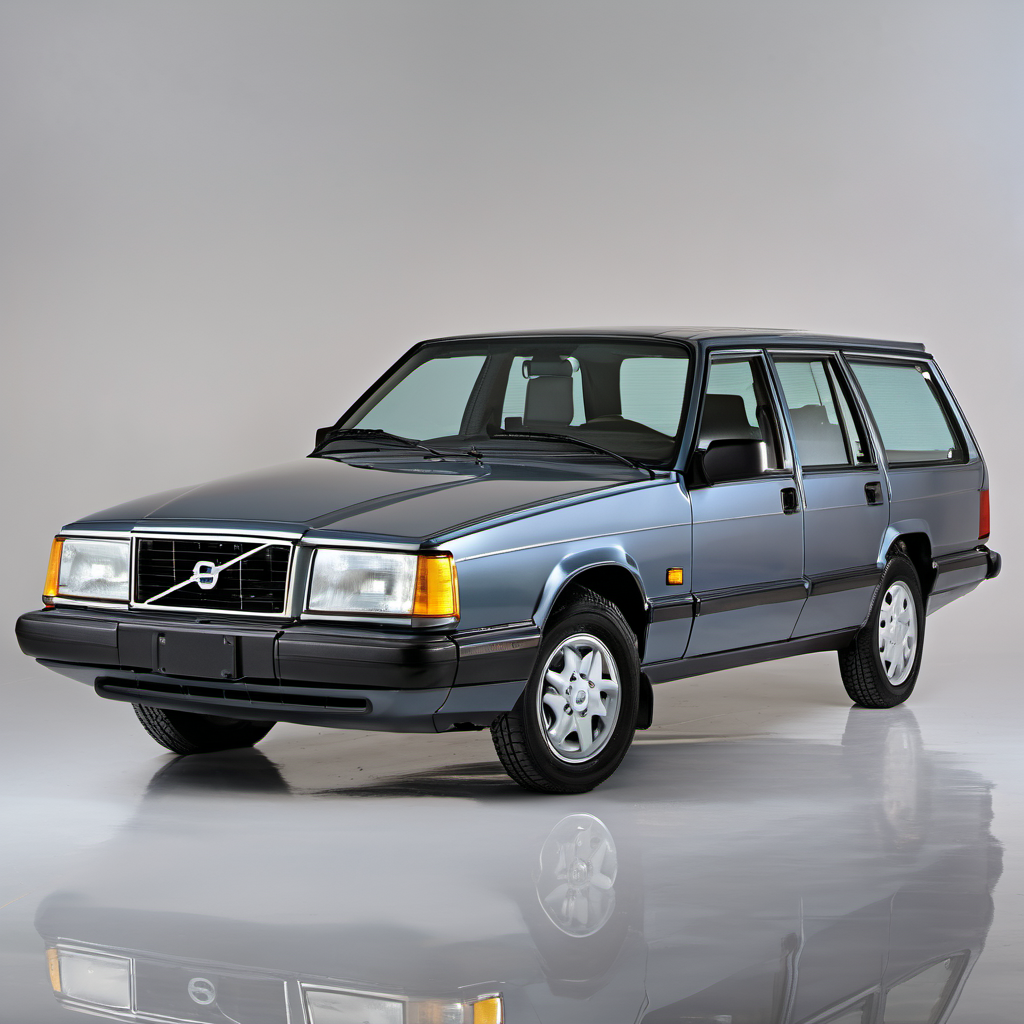
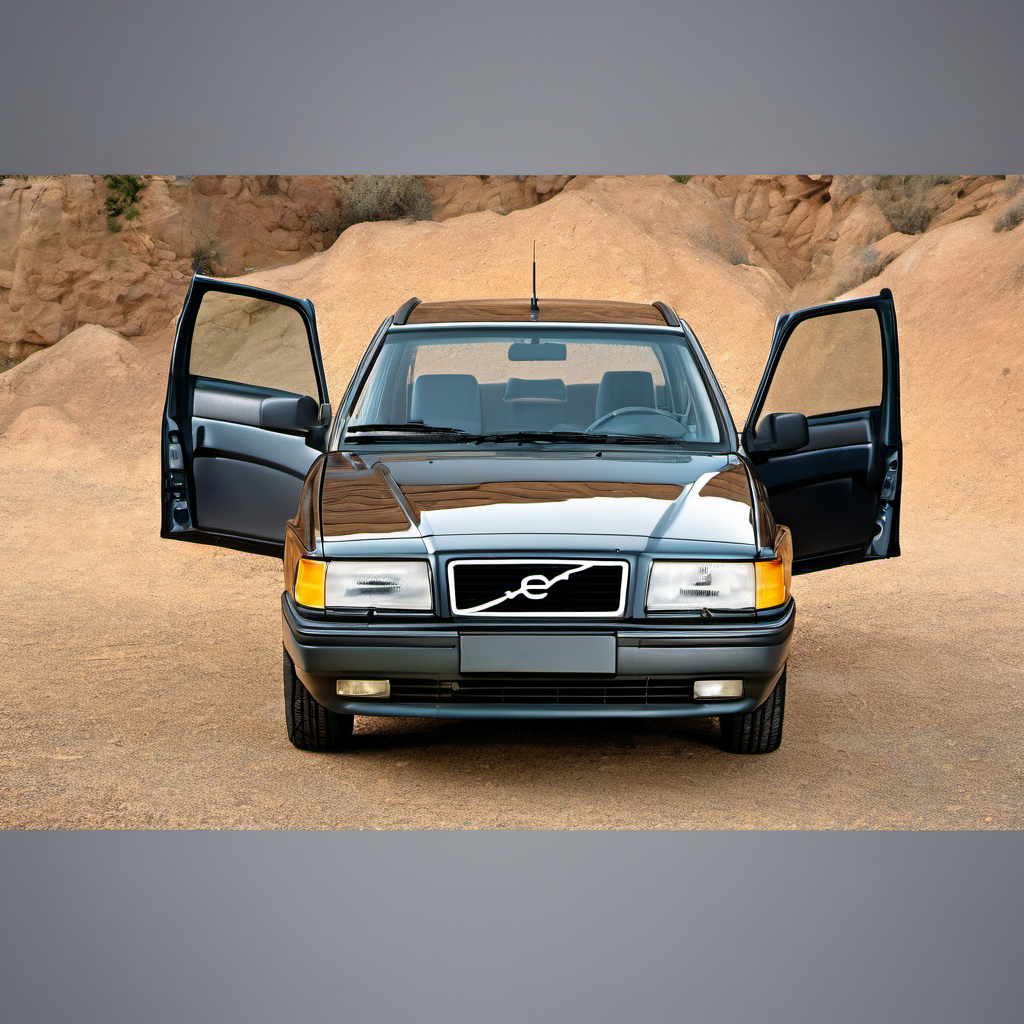
1992 Volvo
2.3L I4 (B230F) · Wagon
The 1992 Volvo 740 Wagon is a late-production example of Volvo's workhorse 700-series, which ran from 1982 through 1992. It was built on the same rear-wheel-drive platform as the 760, sharing body panels, suspension geometry, and a selection of inline-4 and inline-6 engines. By 1992 the 740 had been refined over a decade and represented a mature, well-sorted design rather than a fresh-sheet car. The 740 Wagon earned its reputation on simplicity and durability. The mechanicals are largely conventional — a cast-iron B230 engine family, a solid rear axle on coil springs (or the later multilink), and electrical systems that, while quirky by modern standards, are remarkably diagnosable without factory tooling. Parts availability remains strong through the active Volvo-specific aftermarket. This car is not fast, not flashy, and not cheap to maintain when things do go wrong — Swedish parts carry a premium. But owners who stay on top of cooling system service and timing belt intervals routinely report 300,000-mile lifespans. Think of it as a Scandinavian pickup truck in wagon clothing.
The 1992 Volvo 740 Wagon is a late-production example of Volvo's workhorse 700-series, which ran from 1982 through 1992. It was built on the same rear-wheel-drive platform as the 760, sharing body panels, suspension geometry, and a selection of inline-4 and inline-6 engines. By 1992 the 740 had been refined over a decade and represented a mature, well-sorted design rather than a fresh-sheet car. The 740 Wagon earned its reputation on simplicity and durability. The mechanicals are largely conventional — a cast-iron B230 engine family, a solid rear axle on coil springs (or the later multilink), and electrical systems that, while quirky by modern standards, are remarkably diagnosable without factory tooling. Parts availability remains strong through the active Volvo-specific aftermarket. This car is not fast, not flashy, and not cheap to maintain when things do go wrong — Swedish parts carry a premium. But owners who stay on top of cooling system service and timing belt intervals routinely report 300,000-mile lifespans. Think of it as a Scandinavian pickup truck in wagon clothing.
The B230 is an interference engine — a snapped belt means bent valves and a $2,000+ repair. Replace the water pump and tensioner at the same time since labor is shared.
Plastic and rubber components on a 30+ year old car harden and crack. Overheating will ruin the head gasket quickly on the B230.
The B230 has oil-fed hydraulic lifters. Clean oil keeps lifter tick and camshaft wear at bay — especially important in Wisconsin winters when cold starts are harder on oil film.
The AW71/ZF 4HP22 automatic is durable but fluid-dependent. Burnt fluid is a leading cause of premature shift solenoid and clutch pack wear.
Older fuel tanks accumulate varnish and debris. A clogged filter strains the fuel pump and causes lean-running conditions.
At 30+ years old, rubber vacuum lines and the intake air boot are brittle. Cracks cause unmetered air leaks, rough idle, and false lean codes.
Cold cranking demand spikes below 0°F. A marginal battery that starts fine in October will strand you in January. Clean terminals reduce voltage drop to the fuel injection ECU.
The solid rear axle is simple and tough, but dried-out seals allow gear oil to contaminate the rear brakes — a safety issue and an expensive brake job.
Always defer to the manufacturer's service manual for warranty-mandated intervals.
A well-maintained 740 Wagon is an affordable daily driver if you budget for parts that cost more than equivalent Japanese-car parts. In a good year with only routine service you'll stay in the $800–$1,200 range. In a year with a timing belt, cooling system overhaul, or rust repair, costs can jump sharply. The key is not deferring anything — catches on this car compound quickly.
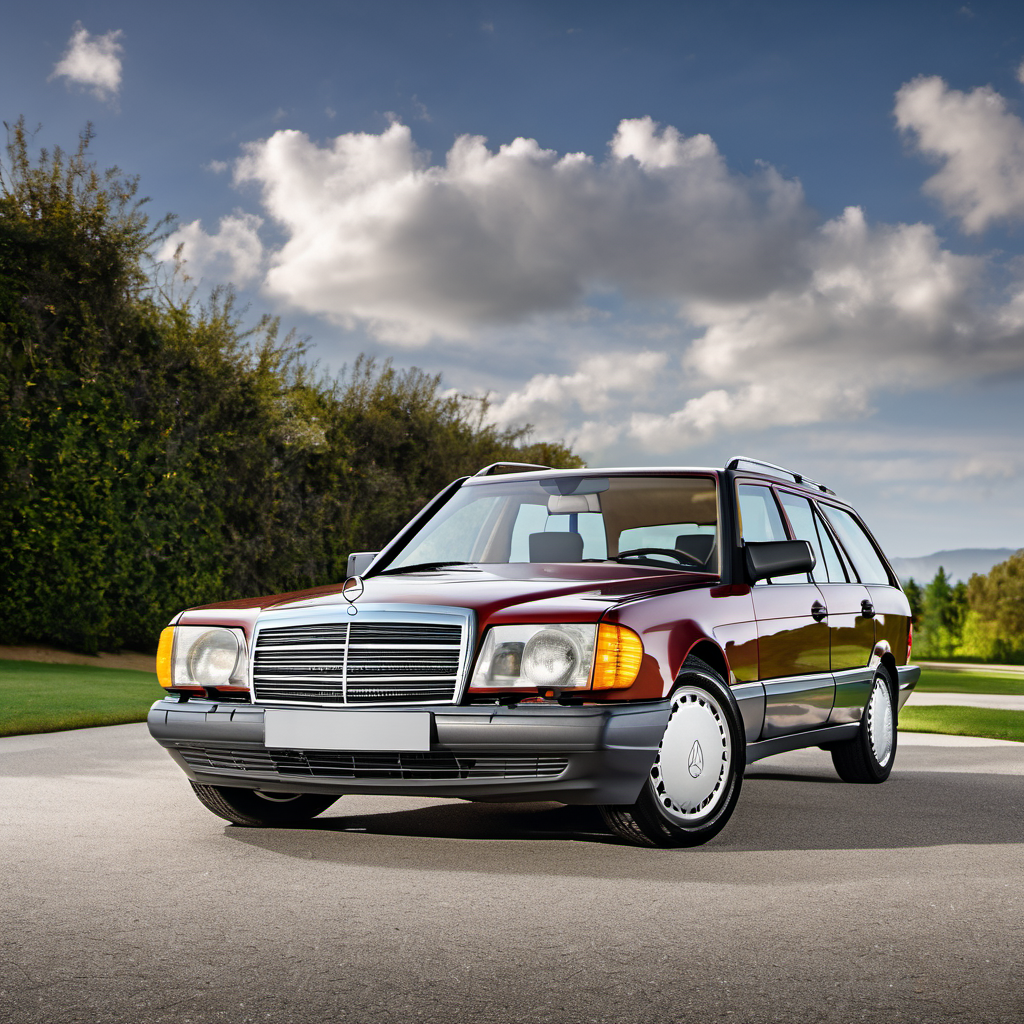
Contemporary European wagon, similar RWD layout and safety-focused reputation, comparable cargo space. More expensive to maintain but directly competitive in mission and era.
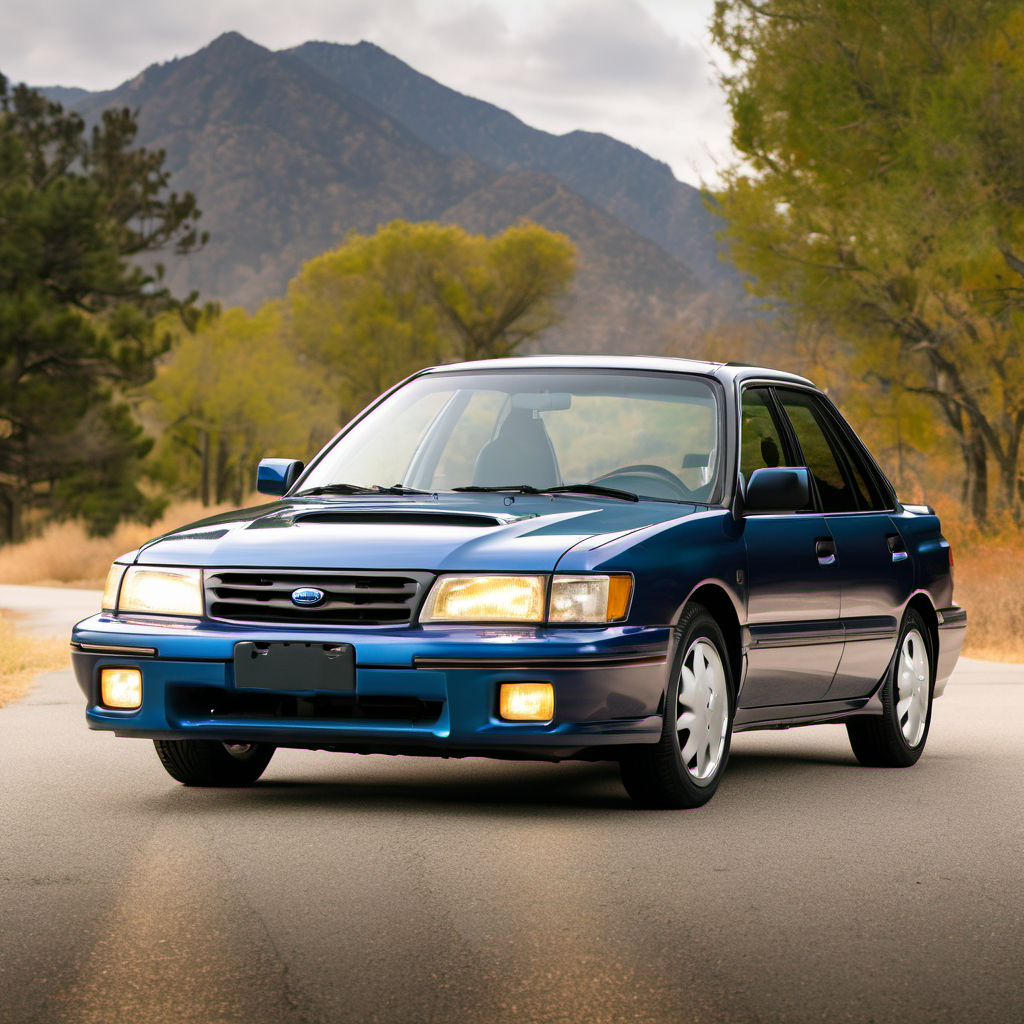
Same practical wagon segment, similarly safety-conscious brand, but with AWD for Wisconsin winters. Cheaper parts, easier dealer network, but less structural rigidity.
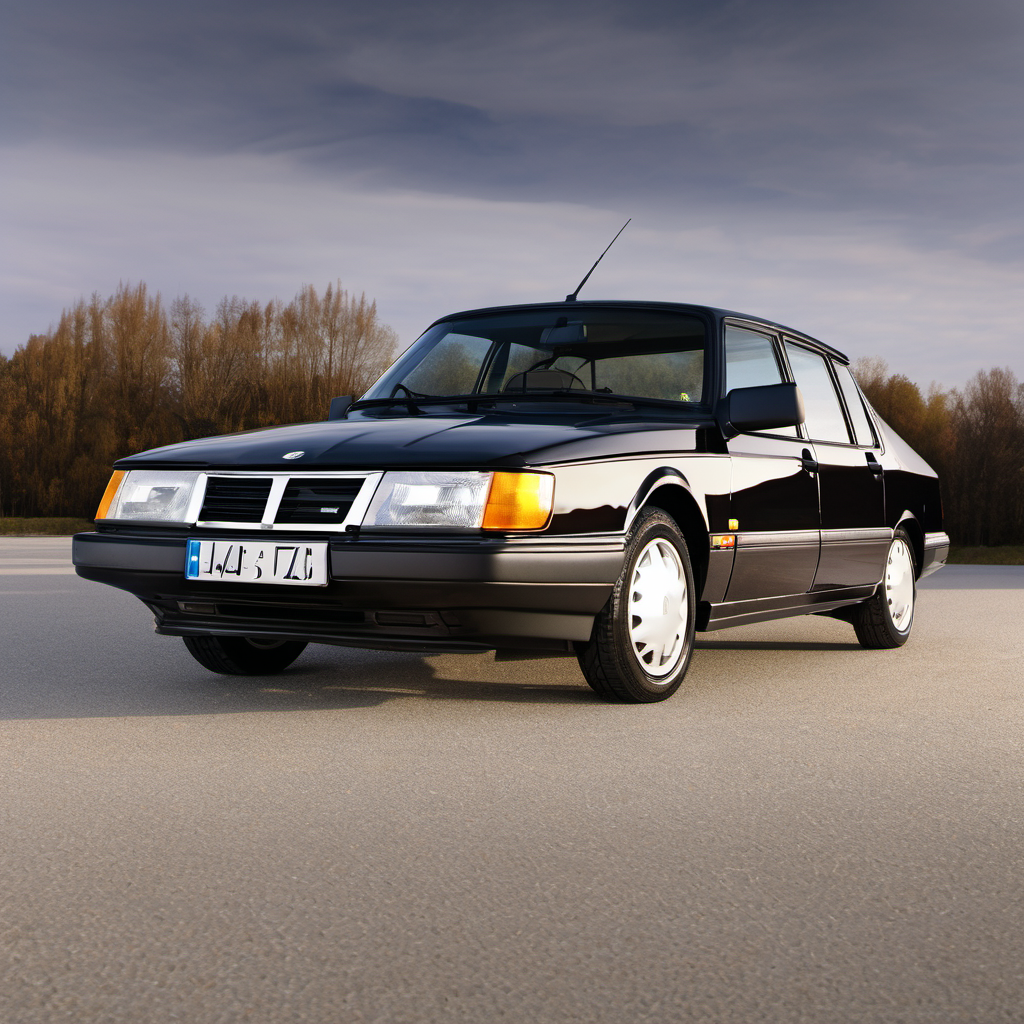
Swedish competitor of the same era with FWD and a turbocharged option. Shared some Volvo-adjacent ownership demographics; similar parts-cost profile and enthusiast support.
The 740's direct successor. FWD platform, more modern suspension, same Volvo safety DNA. If the 740 feels dated, the 850 is the natural step up while staying in the same ownership culture.