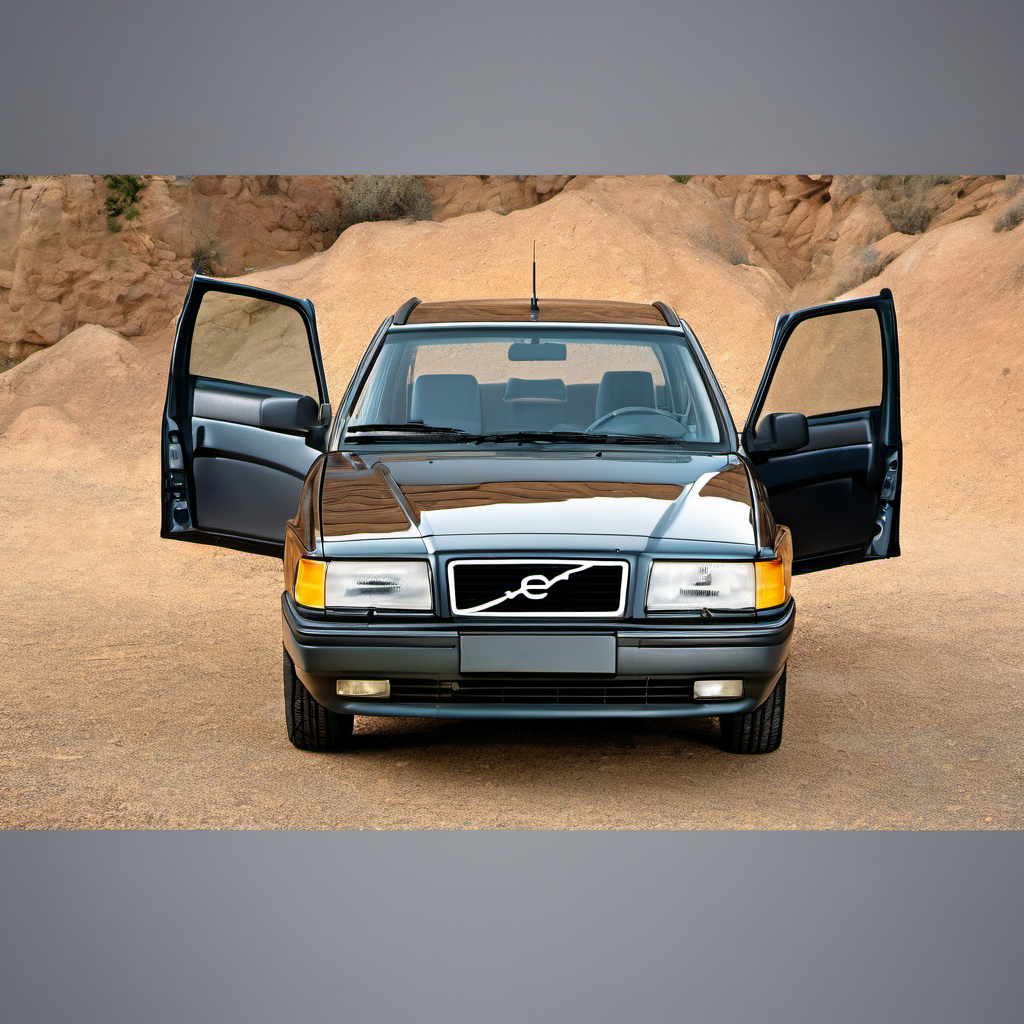
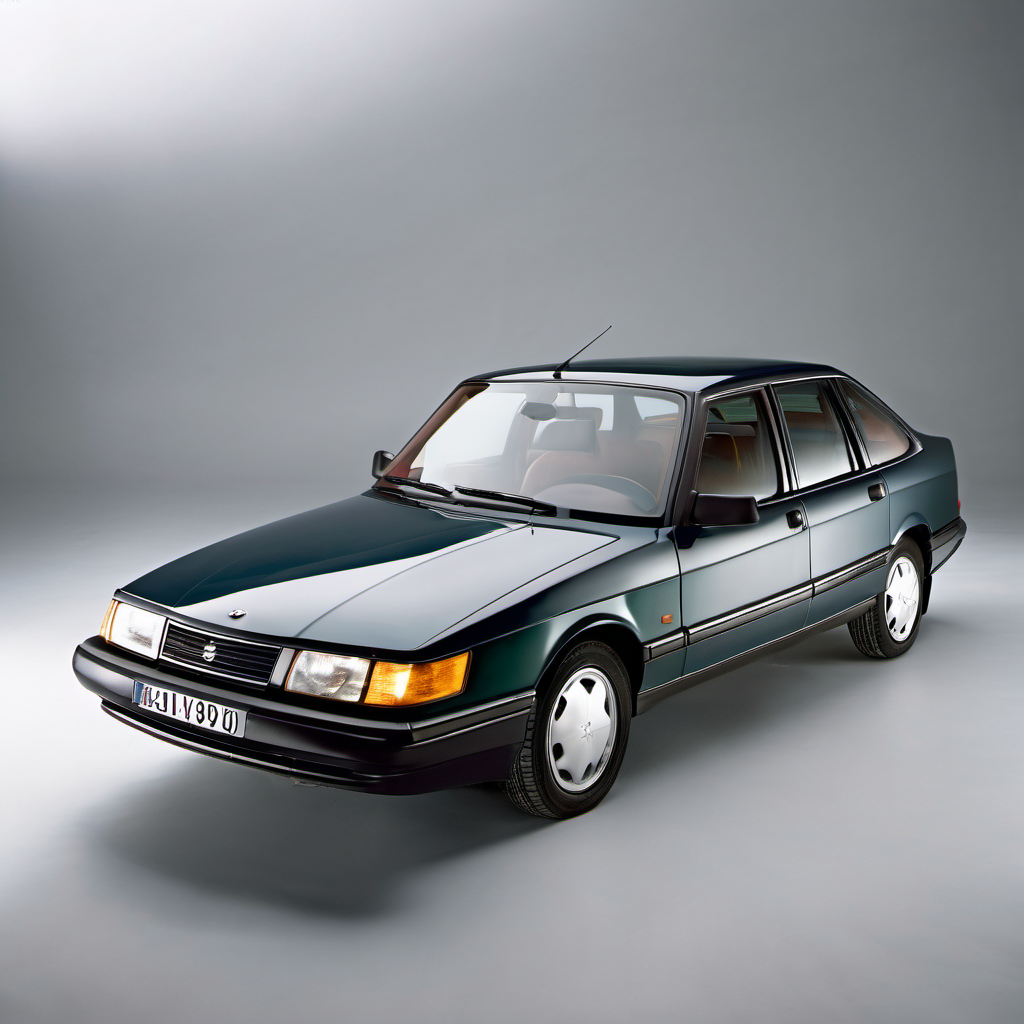
1993 Volvo 850 Sedan

1993 Volvo

850Sedan

Sedan

The 1993 Volvo 850 was a landmark car for the brand — the first front-wheel-drive Volvo sold in the US and the first to use Volvo's own transversely-mounted inline-five engine. It arrived at a time when Volvo was transitioning from its boxy rear-wheel-drive roots into a more modern European sport sedan, and it largely succeeded. Ride quality is firm but compliant, the cabin is quiet, and the driving position is famously supportive. The 850 earned a strong safety reputation early on, and the platform proved durable in the hands of careful owners. That said, 30-plus years of age means most survivors need consistent maintenance attention, particularly around engine seals, cooling, and the automatic transmission if so equipped. Parts are still available through Volvo specialists and independent suppliers, but expect to pay European-car prices. For a buyer in the upper Midwest, the big variable is rust. Wisconsin salt exposure over three decades is punishing to sill panels, subframe mounting points, and brake lines. A thorough undercarriage inspection is non-negotiable before purchase.

Reliability
3/5
Verified data
Specs shown for 850 — the most common configuration. Other trims may vary in engine, drivetrain, or fuel economy. Sign in to see your vehicle's exact specs.
Engine
[object Object]
Drivetrain
FWD
Fuel
Gasoline
MPG
18 city / 26 hwy / 21 combined
Seats
Doors
Body
Midsize Cars

Overview

AI-curated

The 1993 Volvo 850 was a landmark car for the brand — the first front-wheel-drive Volvo sold in the US and the first to use Volvo's own transversely-mounted inline-five engine. It arrived at a time when Volvo was transitioning from its boxy rear-wheel-drive roots into a more modern European sport sedan, and it largely succeeded. Ride quality is firm but compliant, the cabin is quiet, and the driving position is famously supportive. The 850 earned a strong safety reputation early on, and the platform proved durable in the hands of careful owners. That said, 30-plus years of age means most survivors need consistent maintenance attention, particularly around engine seals, cooling, and the automatic transmission if so equipped. Parts are still available through Volvo specialists and independent suppliers, but expect to pay European-car prices. For a buyer in the upper Midwest, the big variable is rust. Wisconsin salt exposure over three decades is punishing to sill panels, subframe mounting points, and brake lines. A thorough undercarriage inspection is non-negotiable before purchase.

Known for
  • Volvo's first US front-wheel-drive model
  • Distinctive transverse inline-five engine
  • Strong passive safety design and crash structure
  • Supportive, ergonomic Scandinavian interior
  • Solid long-term durability when properly maintained
Best for
  • Enthusiast owners willing to do or fund regular European-car maintenance
  • Buyers wanting a classic 1990s European sedan with genuine safety credentials
  • Owners who can source a low-rust example from a dry-climate state
Watch for
  • Heavy rust on sills, subframe mounts, and brake lines from salt exposure
  • Aging automatic transmission (AW50-42) prone to slipping if fluid was never serviced
  • Oil leaks from valve cover gasket, crankshaft seals, and timing belt area
  • Cooling system failures — plastic components become brittle with age
  • Deferred maintenance is common on 30-year-old vehicles; budget for catch-up work

Common issues by mileage

6 known

Timing belt and tensioner failure

high
Typically appears
60–100k mi (and every 70k thereafter)
Estimated repair
$450 – $900

Cooling system component failure (radiator, overflow tank, hoses, thermostat housing)

high
Typically appears
80k+ mi
Estimated repair
$200 – $700

Engine oil leaks — valve cover gasket, crankshaft seals, front main seal

high
Typically appears
75k+ mi
Estimated repair
$150 – $600

Automatic transmission (AW50-42) slipping or harsh shifting from neglected fluid

medium
Typically appears
100k+ mi
Estimated repair
$300 – $2,500

Front suspension wear — control arm bushings, ball joints, sway bar links

medium
Typically appears
80k–150k mi
Estimated repair
$200 – $800

Oxygen sensor failure causing rough running and poor fuel economy

medium
Typically appears
80k+ mi
Estimated repair
$120 – $350

Maintenance schedule

  1. 1
    Every 70,000 miles or 7 years, whichever comes first Timing belt, tensioner, and idler replacement

    This is an interference engine — a snapped belt destroys the engine. On a 30-year-old car, use age as the trigger even if mileage is low.

  2. 2
    Every 4–5 years or whenever purchasing a used example Full cooling system refresh (thermostat, hoses, clamps, overflow tank inspection)

    Plastic cooling components become brittle with age and heat cycling. Failures can cause rapid overheating and serious engine damage.

  3. 3
    Every 30,000 miles on used vehicles with unknown history; every 50,000 miles ongoing Automatic transmission fluid change

    The AW50-42 transmission is sensitive to degraded fluid. Many 850s on the used market have never had this serviced, making it a priority purchase item.

  4. 4
    Every 5,000 miles or 6 months Engine oil and filter change

    Frequent oil changes help manage sludge in the 2.4L five-cylinder and extend seal life. Use a quality 5W-30 or as specified in the owner's manual.

  5. 5
    Every 2 years Brake fluid flush

    Glycol-based brake fluid absorbs moisture over time, lowering boiling point and accelerating internal corrosion in calipers and wheel cylinders.

  6. 6
    Every 30,000 miles Fuel filter replacement

    Fuel system deposits are common on high-mileage 30-year-old vehicles. A clogged filter strains the fuel pump.

  7. 7
    Annually Inspect and lubricate door hinges, sunroof tracks, and lock mechanisms

    These wear points are often neglected on older vehicles and become expensive repairs once seized or cracked in cold Wisconsin winters.

  8. 8
    Every year, especially after winter Inspect undercarriage — brake lines, fuel lines, subframe mounting points for rust

    Wisconsin road salt aggressively attacks the 850's unibody and brake/fuel lines. Catching perforation early is far cheaper than dealing with a failed brake line or collapsed subframe mount.

Always defer to the manufacturer's service manual for warranty-mandated intervals.

Cost of ownership

Annual maintenance
$900 – $2,500
Fuel
At 21 MPG combined and ~12,000 miles/year, expect roughly $1,500–$1,800/year at current mid-grade fuel prices.
Insurance
Generally low — a 30-year-old sedan with modest market value typically runs $600–$1,100/year for full coverage depending on driver profile and coverage limits.

The 850 is affordable to insure and reasonably economical on fuel, but maintenance costs on a 30-year-old European car can spike sharply if deferred. Budget on the higher end of the maintenance range for the first year of ownership to address aged rubber, fluids, and cooling components. An established relationship with a Volvo-familiar independent shop makes a significant difference in controlling costs.

Seasonal care

Lake Geneva, WI
Winter
  • Switch to a 5W-30 or 0W-30 full-synthetic oil before temperatures drop below 0°F — the 2.4L five-cylinder needs quick cold-start lubrication flow in sub-zero Wisconsin mornings.
  • Test and replace the battery if it's more than 4 years old. Cold cranking a 30-year-old engine on a weak battery is a recipe for a no-start.
  • Inspect and replace rubber coolant hoses and the overflow tank before winter — cold temps accelerate cracking on aged plastic and rubber.
  • Fill the washer reservoir with a -20°F or lower rated fluid and replace wiper blades with winter-rated blades. The 850's large windshield collects salt spray quickly.
  • Inspect brake lines and fuel lines for rust pitting before winter. Salt-soaked roads will find any weak spot.
  • Apply a coat of undercarriage rust inhibitor spray, especially around subframe mount areas and sill seams, before the first salt application of the season.
Summer
  • Monitor the temperature gauge closely — aging cooling systems on 850s are most likely to fail under sustained heat and highway load. Keep an eye on the overflow tank level weekly.
  • Check tire pressure monthly; heat causes pressure to rise and can mask slow leaks that develop over winter.
  • Run the A/C system through its full range early in the season to confirm the compressor engages and cabin cooling is adequate before a heat wave.
  • Inspect the cabin air intake (if equipped) and fresh-air vents for debris — pollen and leaves can restrict airflow and cause musty odors from the evaporator.

Comparable vehicles

If you're shopping for one

Red flags
  • No timing belt service records on a vehicle over 70,000 miles — walk away or price in an immediate belt job.
  • Automatic transmission slipping, hunting between gears, or delayed engagement from Park to Drive.
  • Overheating history or visible white residue (coolant deposits) anywhere on the engine.
  • Rust visible on brake lines under the car — this is a safety issue, not a negotiating point.
  • Strong oil burning smell or visible blue smoke at startup — worn valve stem seals or rings are expensive on this engine.
  • Cracked or collapsed subframe mounting points — structural repair on a 30-year-old unibody can exceed the vehicle's value.
What to inspect
  • Undercarriage: brake lines, fuel lines, and subframe mounting points for rust perforation — this is the single most important inspection on any Wisconsin-area 850.
  • Timing belt service history — ask for receipts. If unknown, budget for immediate replacement before driving the car.
  • Cooling system: squeeze all major hoses for cracking, inspect the overflow tank for cracks and brown discoloration, check for white residue around hose clamps.
  • Transmission: on automatics, check for smooth, firm shifts through all gears under light and moderate throttle. Flare on the 2-3 shift or slipping under load is a warning sign.
  • Oil leaks: inspect underneath and around the valve cover, front of the engine near the crank seal, and timing belt cover area for fresh or baked-on oil.
  • Rust on the lower door sills and rear wheel arches — these are cosmetic but also indicate how aggressively the car was salted.
AI profile generated 4 days ago · claude-sonnet-4-6 · v2.