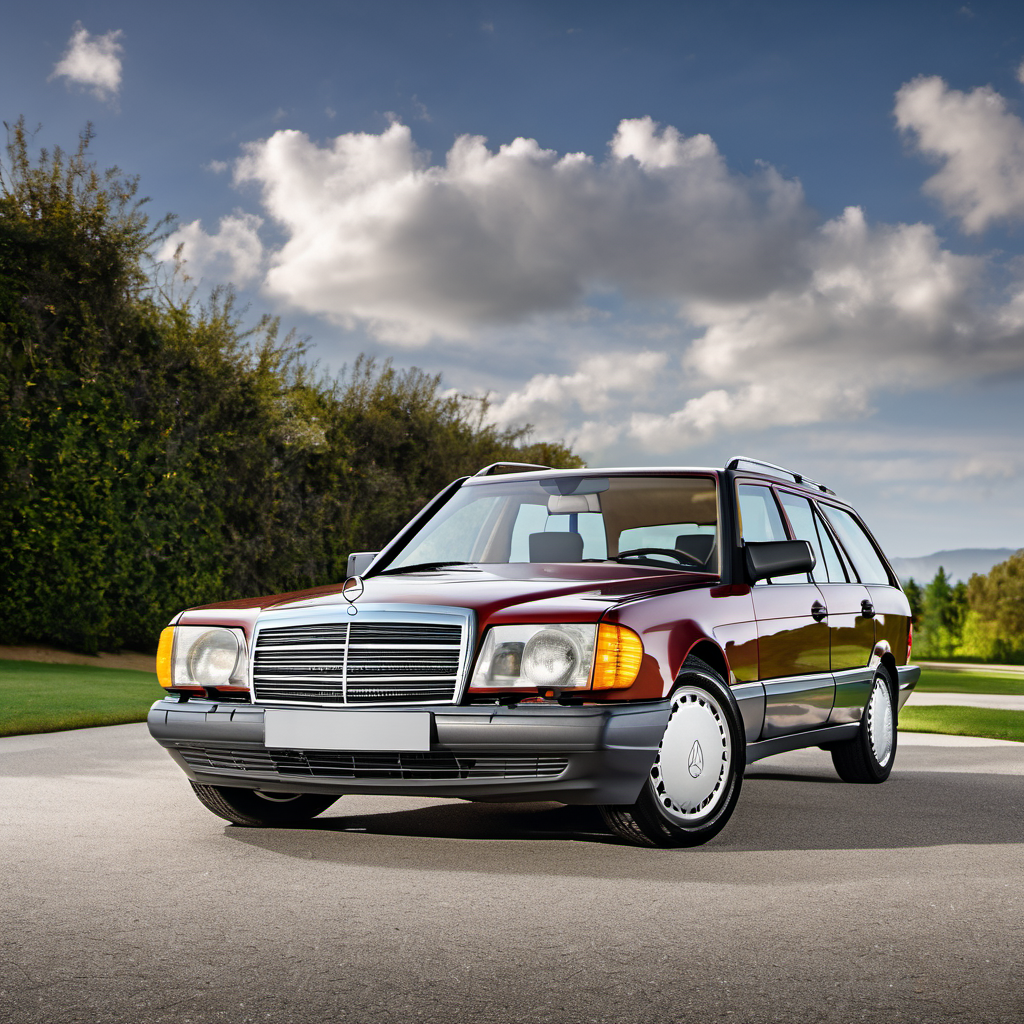
1992 Mercedes-Benz 300 TE Wagon

1992 Mercedes-Benz

300 TEWagon

3.0L I6 (M103) · Wagon

The 1992 Mercedes-Benz 300 TE is the station wagon variant of the W124 E-Class — one of the most over-engineered production cars of its era. Built in Stuttgart at a time when Mercedes still prioritized longevity over cost-cutting, the 300 TE pairs a smooth 3.0L inline-six with a practical five-door wagon body. It was a premium family hauler aimed squarely at buyers who wanted European refinement without sacrificing utility. The W124 chassis has a well-earned reputation for durability when properly maintained. Many examples have surpassed 300,000 miles with consistent upkeep. That said, these cars are now 30+ years old, and virtually every rubber component, seal, and sensor is at or well past its service life. A neglected 300 TE can turn expensive quickly — parts availability is good through specialty suppliers, but labor on a vintage Mercedes adds up. For a buyer in the Lake Geneva area, the 300 TE's rear-wheel drive and moderate ground clearance demand real winter preparation. The straight-six starts reliably in the cold when the battery and cooling system are in good shape, but rust on underbody components is the single biggest threat to long-term ownership.

Reliability
4/5
Verified data
Engine
3.0L I6 (M103)
Drivetrain
RWD
Fuel
Gasoline
MPG
18 city / 23 hwy / 20 combined
Seats
5
Doors
5
Body
Wagon
MSRP
$47,900

Overview

AI-curated

The 1992 Mercedes-Benz 300 TE is the station wagon variant of the W124 E-Class — one of the most over-engineered production cars of its era. Built in Stuttgart at a time when Mercedes still prioritized longevity over cost-cutting, the 300 TE pairs a smooth 3.0L inline-six with a practical five-door wagon body. It was a premium family hauler aimed squarely at buyers who wanted European refinement without sacrificing utility. The W124 chassis has a well-earned reputation for durability when properly maintained. Many examples have surpassed 300,000 miles with consistent upkeep. That said, these cars are now 30+ years old, and virtually every rubber component, seal, and sensor is at or well past its service life. A neglected 300 TE can turn expensive quickly — parts availability is good through specialty suppliers, but labor on a vintage Mercedes adds up. For a buyer in the Lake Geneva area, the 300 TE's rear-wheel drive and moderate ground clearance demand real winter preparation. The straight-six starts reliably in the cold when the battery and cooling system are in good shape, but rust on underbody components is the single biggest threat to long-term ownership.

Known for
  • Exceptional build quality and longevity for the era
  • Smooth, torquey 3.0L M103 inline-six engine
  • Practical wagon body with fold-flat rear seats and optional rear-facing jump seats
  • Heavy, tank-like feel with a composed, boulevard-smooth ride
  • Strong parts support through Mercedes specialty suppliers
Best for
  • Enthusiasts who want a classic European wagon with real durability
  • Owners willing to do proactive preventive maintenance
  • Low-to-moderate annual mileage use with a dedicated garage
  • Buyers who appreciate analog simplicity over modern electronics complexity
Watch for
  • Severe underbody rust after 30+ years, especially in salt-belt states like Wisconsin
  • Neglected coolant system — head gasket and water pump failures cascade quickly
  • Old rubber: all hoses, motor mounts, transmission mounts, and door seals deteriorate with age regardless of mileage
  • Electrical gremlins from aging wiring insulation and corroded grounds
  • High dealer and specialist labor rates; DIY-unfriendly for novices

Common issues by mileage

6 known

Coolant system deterioration (hoses, water pump, thermostat)

high
Typically appears
Any mileage — age-driven
Estimated repair
$400 – $1,200

Engine and transmission rubber mounts collapsed

high
Typically appears
Any mileage — age-driven
Estimated repair
$300 – $700

Fuel distributor / CIS-E fuel injection issues causing rough idle or hard starts

medium
Typically appears
100k+ mi or age-related
Estimated repair
$300 – $900

Oxygen sensor failure leading to rich running and poor fuel economy

medium
Typically appears
80k–150k mi
Estimated repair
$150 – $400

Underbody and floor pan rust (salt-belt critical)

high
Typically appears
Any mileage — age and regional
Estimated repair
$500 – $4,000

Wiring harness insulation breakdown and corroded grounds causing intermittent electrical faults

medium
Typically appears
Any mileage — age-driven
Estimated repair
$200 – $1,500

Maintenance schedule

  1. 1
    Every 5,000–7,500 miles or annually Oil and filter change using 5W-40 full synthetic

    The M103 has tight oil passages; clean oil prevents sludge buildup that can clog the oil squirters and starve the top end.

  2. 2
    Every 2 years regardless of mileage Full coolant flush with OEM-spec blue coolant

    Old coolant becomes acidic and attacks the aluminum components in the cooling system. On a 30-year-old car, hoses and the thermostat housing should be inspected and replaced proactively at each flush.

  3. 3
    Every 30,000 miles or every 3 years Replace fuel filter

    The CIS-E injection system is sensitive to fuel contamination. A clogged filter causes hard starts and rough idle and can stress the fuel distributor.

  4. 4
    Every 60,000 miles Replace spark plugs and distributor cap/rotor

    The M103 uses a conventional distributor ignition. Worn ignition components cause misfires and can mask other running problems.

  5. 5
    Annually — before winter Inspect and service all brake components, including calipers and rubber flex hoses

    Brake flex hoses internally collapse with age, causing dragging brakes and uneven wear. At 30+ years, any original hoses are overdue for replacement.

  6. 6
    Every 2 years or at first sign of softness/collapse Inspect all engine and transmission mounts

    Collapsed mounts cause driveline vibration and place stress on exhaust connections and transmission linkage.

  7. 7
    Annually Inspect and clean all chassis ground points and battery terminals

    W124 electrical gremlins (flickering gauges, erratic behavior) trace overwhelmingly to corroded grounds, not failed components. Clean grounds prevent misdiagnosis.

  8. 8
    Every 2 years or seasonally Apply underbody rust inhibitor and inspect floor pan seams

    Wisconsin road salt is relentless. The W124 unibody can develop structural rust in the rear subframe mounting areas and floor seams — catching it early is far cheaper than remediation.

Always defer to the manufacturer's service manual for warranty-mandated intervals.

Cost of ownership

Annual maintenance
$1,200 – $3,500
Fuel
Requires premium unleaded (91+ octane). Expect $2,200–$3,000/year at 12,000 miles annually based on ~20 MPG combined and Midwest fuel prices.
Insurance
Generally low collision/comprehensive premiums given age and low market value, but verify agreed-value coverage if the car has been restored — standard ACV policies may undervalue a sorted W124 wagon.

Day-to-day costs are manageable if the car is already in good mechanical shape. The risk is deferred maintenance: one neglected cooling system service or ignored oil leak can cascade into $2,000+ repairs. Budget a higher first-year amount (up to $4,000–$6,000) if the service history is unknown, as you'll want to refresh all wear items as a baseline. Parts are available through Mercedes specialty suppliers at reasonable prices; labor is where costs climb.
Seasonal care

Lake Geneva, WI
Winter
  • Switch to a full synthetic 5W-40 before temps drop below 20°F — cold-start oil flow is critical on the M103's top end.
  • Test and replace the battery if it's more than 3–4 years old. Cold cranking a 3.0L six in sub-zero temps demands a strong battery.
  • Flush to a 50/50 coolant mix rated to at least -34°F before first freeze. Check hose condition at the same time.
  • Fill washer fluid reservoir with a -20°F or colder rated fluid. The 300 TE's reservoir sits in the engine bay and can crack if freeze-rated fluid isn't used.
  • Inspect the underbody after the first heavy salt application of the season. Rinse the undercarriage on any day above 35°F to slow corrosion.
  • Confirm heater control valve operation — a stuck valve means no cabin heat, which is a comfort and safety issue in a Wisconsin winter.
Summer
  • Inspect the serpentine belt and tensioner before summer heat sets in — heat accelerates belt glazing and cracking on a 30-year-old car.
  • Check A/C system charge and inspect the condenser for road debris blockage. R-12 refrigerant is no longer available; confirm prior conversion to R-134a and verify fitting compatibility.
  • Monitor tire pressure weekly in July–August — tire pressures rise 1 PSI per 10°F of ambient temperature increase and can push aging tires past their rated pressure.
  • Check coolant overflow tank level frequently during the first heat wave — a marginal cooling system that coasts through winter can fail under summer load.

Comparable vehicles

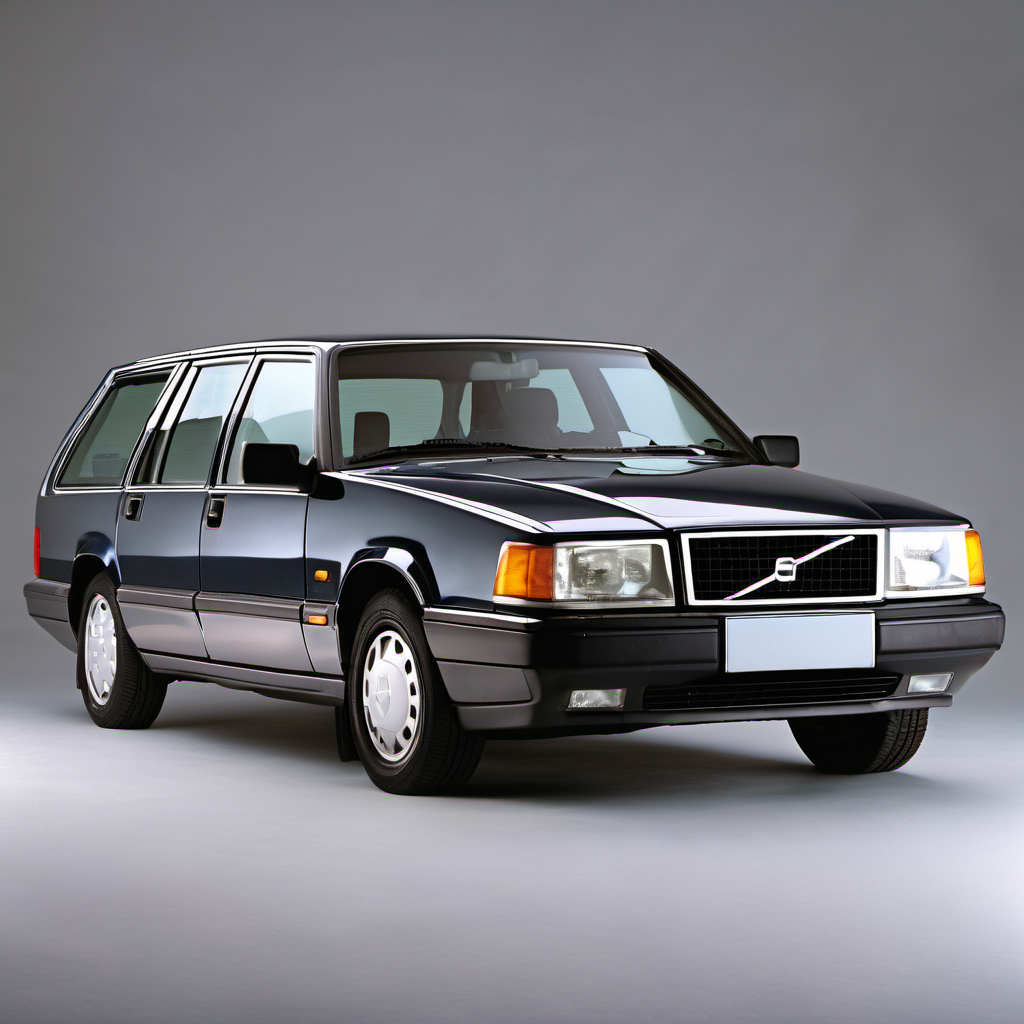
1992 Volvo 940 Wagon
1992 Volvo
940 Wagon

Direct competitor in the premium European wagon segment — similar price point, proven inline engine, outstanding longevity, and arguably better rust resistance for Midwest use.

1992 BMW
525i Touring

E34 Touring offers similar RWD European premium character with the smooth M50 inline-six; more sporting feel, comparable maintenance demands.

No catalog match
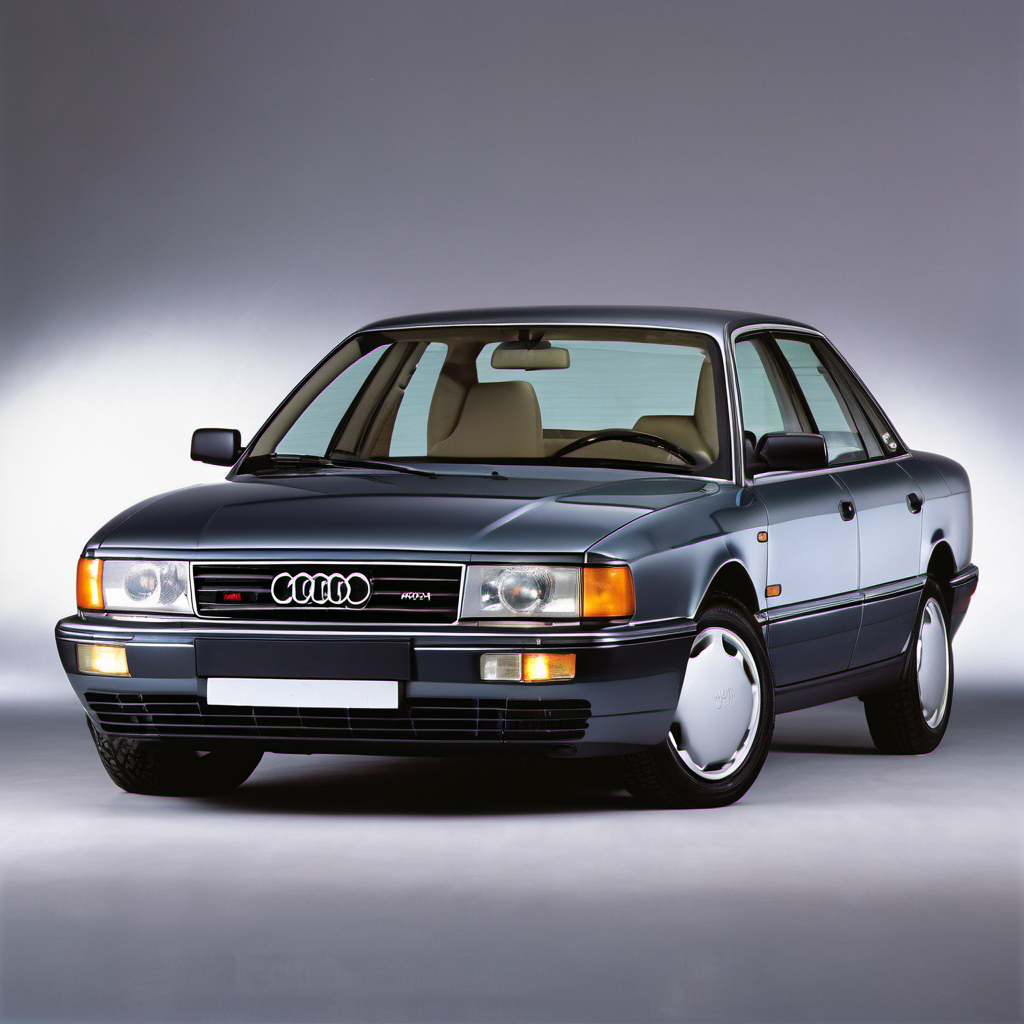
1993 Audi 100 Avant
1993 Audi
100 Avant

Quattro AWD gives a real edge in Wisconsin winters; similar luxury-wagon mission and era, though the Audi's drivetrain complexity adds maintenance cost.

1992 Peugeot
505 SW

French-market alternative in the same vintage premium wagon class — far rarer in the US and harder to source parts for, but worth knowing if you're shopping this niche.

No catalog match

If you're shopping for one

Red flags
  • Unknown service history or missing records — a neglected M103 with sludge is a rebuild waiting to happen.
  • Any soft, spongy, or leaking coolant hoses — means the cooling system hasn't been serviced and the head gasket may be next.
  • Rust bubbling at the rear quarter panels, rocker seams, or tailgate corners — usually indicates deeper structural rust underneath.
  • Smoke on startup (blue = oil burning, white = coolant leak past head gasket).
  • Hard cold starts or rough idle on a cold engine — points to fuel injection system or ignition issues that can be expensive to chase.
  • Recent fresh undercoating spray applied everywhere — a common way to hide advanced underbody rust before a sale.
What to inspect
  • Floor pan and rear subframe mounting points for structural rust — get the car on a lift and probe with a screwdriver.
  • All coolant hoses (squeeze them; they should be firm, not mushy or cracked) and the overflow tank for cracks.
  • Engine and transmission mount condition — rock the engine by hand; excessive movement means collapsed mounts.
  • Brake flex hoses for internal collapse — press the brake pedal and check if a wheel drags after release.
  • A/C refrigerant type — confirm R-134a conversion has been done properly; original R-12 systems cannot be serviced.
  • All door and tailgate seals for deterioration — water intrusion causes hidden floor rust in wagons.
  • Under the rear cargo area carpet for moisture and rust staining.
AI profile generated 4 days ago · claude-sonnet-4-6 · v2.