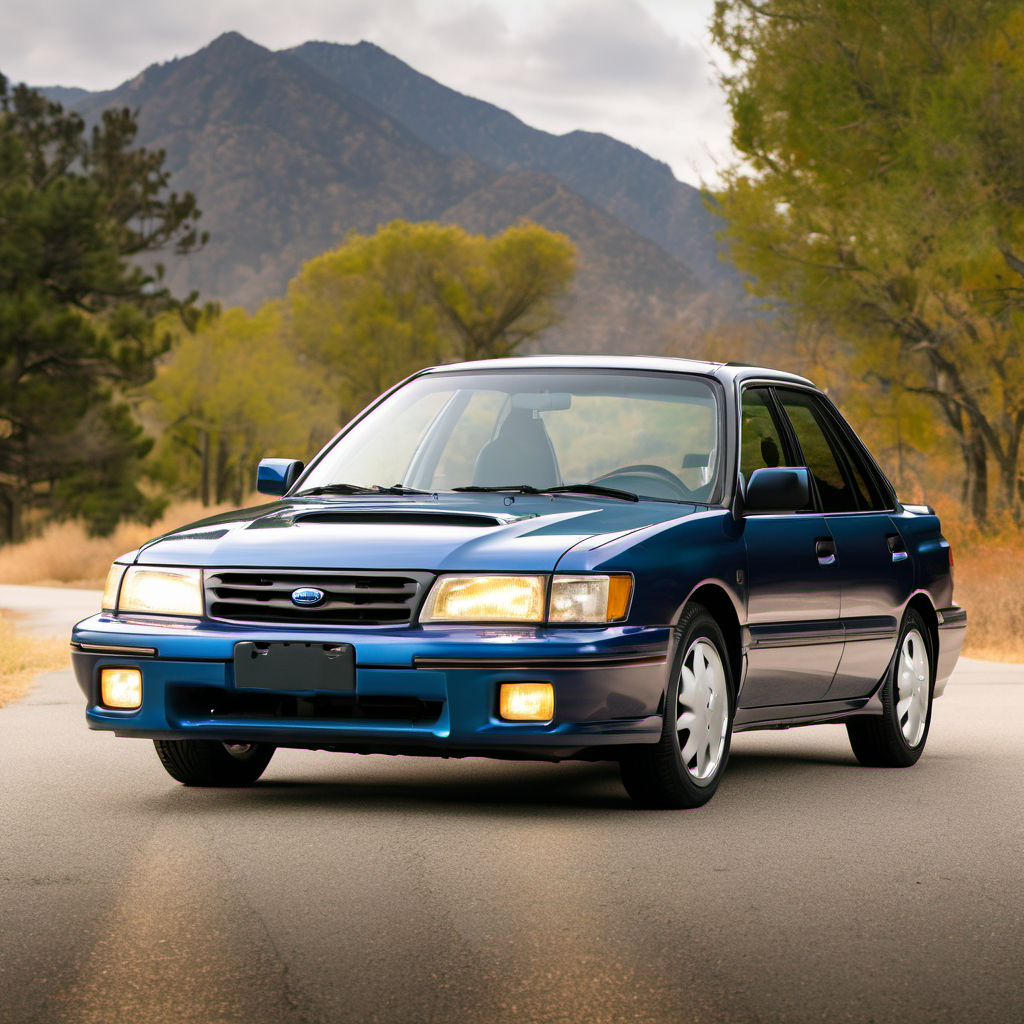
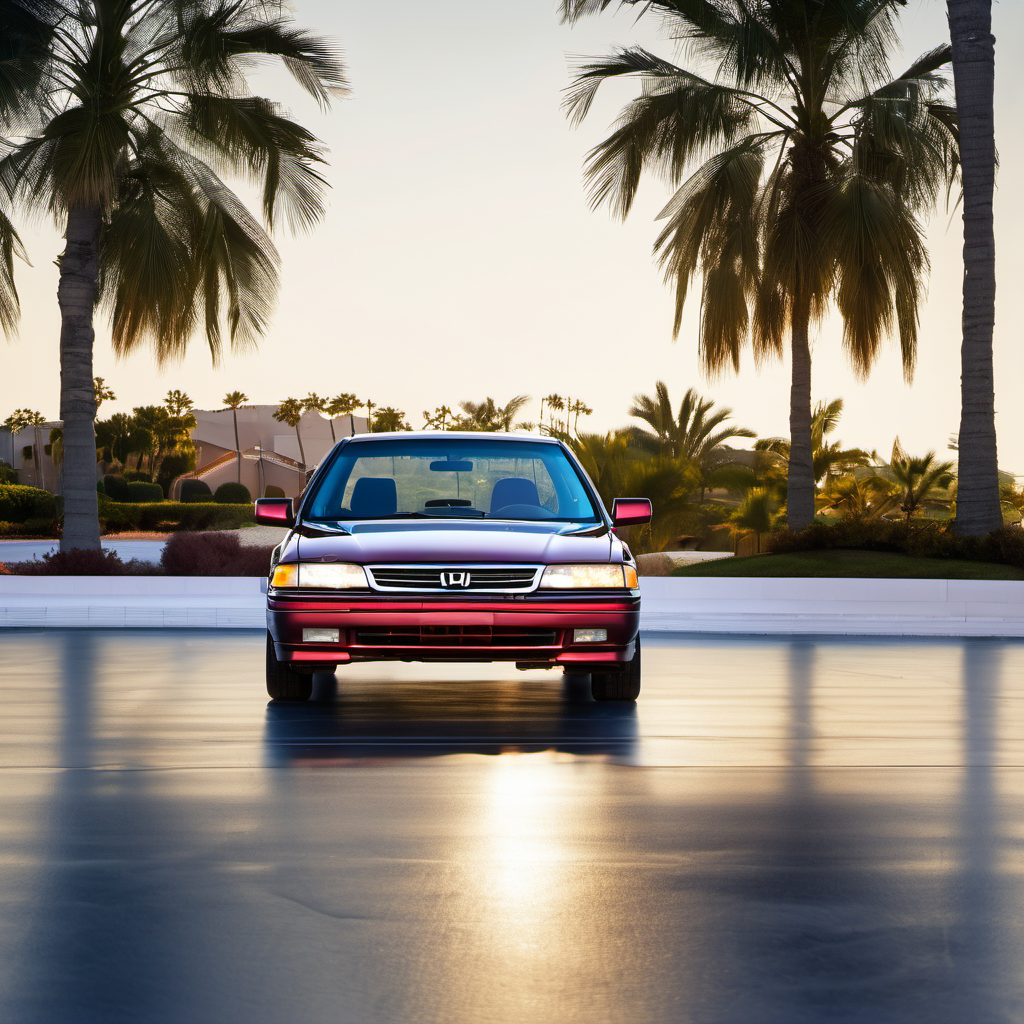
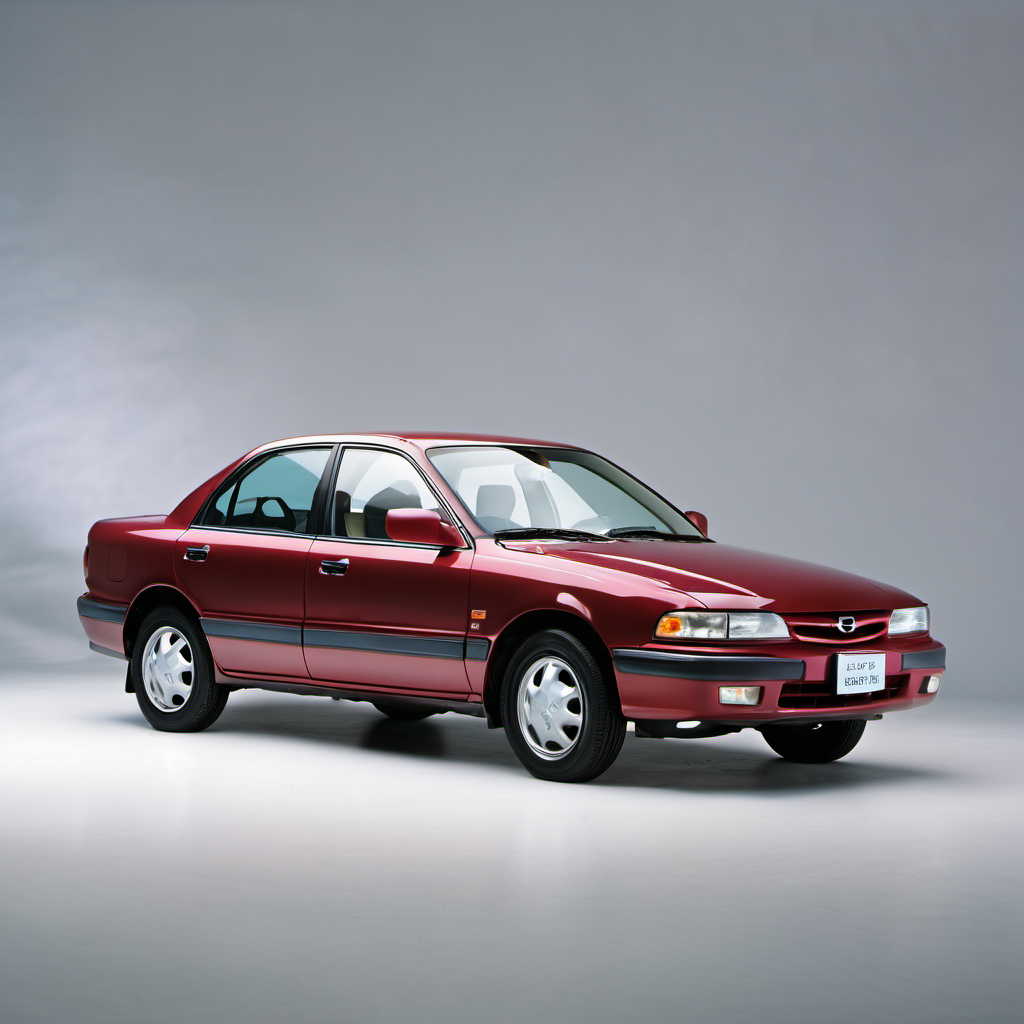
1992 Subaru Legacy Sedan

1992 Subaru

LegacySedan

2.2L H4 (EJ22) · Sedan

The 1992 Subaru Legacy is a compact sedan from the second year of Legacy production in North America. It arrived at a time when Subaru was still carving out its niche as the go-to brand for symmetrical all-wheel drive in everyday, affordable cars — and the Legacy was the flagship of that effort. For buyers in snow-belt states like Wisconsin, it offered genuine traction confidence without the bulk or fuel penalty of a truck or SUV. Under the hood, the base 1992 Legacy sedan runs a 2.2-liter EJ22 flat-four (boxer) engine — an engine Subaru fans have long praised for smoothness and durability when properly maintained. The AWD system is full-time on most trims, which sets it apart from the part-time or FWD-default systems common on competitors of the era. At 30+ years old, any surviving 1992 Legacy is a high-mileage, high-age vehicle. Rust, aging rubber, and deferred maintenance are the dominant concerns now, not factory defects. Treat it like the classic it is: budget for refresh work upfront and it can still reward you with reliable winter transportation.

Reliability
3/5
Verified data
Engine
2.2L H4 (EJ22)
Drivetrain
AWD
Fuel
Gasoline
MPG
22 city / 28 hwy / 24 combined
Seats
5
Doors
4
Body
Sedan
MSRP
$14,995

Overview

AI-curated

The 1992 Subaru Legacy is a compact sedan from the second year of Legacy production in North America. It arrived at a time when Subaru was still carving out its niche as the go-to brand for symmetrical all-wheel drive in everyday, affordable cars — and the Legacy was the flagship of that effort. For buyers in snow-belt states like Wisconsin, it offered genuine traction confidence without the bulk or fuel penalty of a truck or SUV. Under the hood, the base 1992 Legacy sedan runs a 2.2-liter EJ22 flat-four (boxer) engine — an engine Subaru fans have long praised for smoothness and durability when properly maintained. The AWD system is full-time on most trims, which sets it apart from the part-time or FWD-default systems common on competitors of the era. At 30+ years old, any surviving 1992 Legacy is a high-mileage, high-age vehicle. Rust, aging rubber, and deferred maintenance are the dominant concerns now, not factory defects. Treat it like the classic it is: budget for refresh work upfront and it can still reward you with reliable winter transportation.

Known for
  • Full-time symmetrical AWD on most trims — a true differentiator in 1992
  • Smooth, low-vibration EJ22 boxer four-cylinder engine
  • Surprisingly roomy interior for its exterior footprint
  • Strong owner loyalty and an active enthusiast community
  • Good parts availability through the aftermarket even at this age
Best for
  • Wisconsin winter commuters who want traction without an SUV
  • Budget-conscious buyers comfortable doing some wrenching
  • Enthusiasts looking for an affordable, classic AWD project
  • Low-speed, short-distance daily drivers in rural or suburban settings
Watch for
  • Frame and rocker panel rust — critical in Wisconsin salt country
  • Aging coolant hoses, belts, and gaskets that crack with age regardless of mileage
  • Head gasket leaks, a known Subaru flat-four tendency especially when overheated
  • Deteriorated AWD viscous coupling if the car sat or had mismatched tires
  • Electrical gremlins from corroded connectors after three decades

Common issues by mileage

6 known

Head Gasket Leaks

high
Typically appears
100k–180k mi
Estimated repair
$900 – $1,600

Timing Belt & Tensioner Failure

high
Typically appears
60k–90k mi intervals
Estimated repair
$350 – $650

Rust — Rocker Panels, Frame Rails, Subframe

high
Typically appears
All mileages on salt-belt cars
Estimated repair
$500 – $3,500

Oxygen Sensor Heater Circuit Failure

medium
Typically appears
80k–150k mi
Estimated repair
$150 – $350

Viscous Coupling / AWD Center Differential Wear

medium
Typically appears
100k+ mi or after mismatched tire use
Estimated repair
$400 – $1,200

Coolant Hose and Thermostat Failure (Age-Related)

high
Typically appears
Any — age-driven regardless of mileage
Estimated repair
$150 – $450

Maintenance schedule

  1. 1
    Every 60k miles or 5 years — whichever comes first Timing belt and tensioner replacement

    The EJ22 is an interference engine. A snapped belt means bent valves and a costly rebuild. On a 30-year-old car, replace it even if it looks okay.

  2. 2
    Every 2 years Coolant flush with Subaru-compatible (non-amine) coolant

    Old coolant turns acidic and attacks the soft head gaskets. This is the single most impactful thing you can do to prevent head gasket failure on an EJ-series engine.

  3. 3
    At purchase, then every 4 years Inspect and replace all coolant hoses

    Rubber hoses this age crack internally even when they look fine outside. A burst hose in sub-zero weather is a breakdown and potential engine damage.

  4. 4
    Every 30k miles Differential and transmission fluid change

    Protects the AWD viscous coupling. Using mismatched fluids or intervals degrades the coupling and causes expensive AWD binding.

  5. 5
    Every fall before winter, annually Undercarriage rust inspection and treatment

    Wisconsin road salt is relentless. Catching rust early on the subframe, brake lines, and rocker panels is far cheaper than structural repair later.

  6. 6
    Annually — every fall Brake line inspection (steel and rubber)

    Original steel brake lines on a 1992 Wisconsin car are at extreme rust risk. A failed brake line is a safety emergency.

  7. 7
    Every 30k miles Spark plugs and ignition wires

    The boxer layout makes plug access harder than a conventional engine. Don't skip intervals or you'll pay extra labor to fix a tune-up that became a misfire diagnosis.

  8. 8
    Every fall before Wisconsin winter Battery load test

    Cold cranking amps drop dramatically below 0°F. A battery that starts the car fine in October may strand you in January.

Always defer to the manufacturer's service manual for warranty-mandated intervals.

Cost of ownership

Annual maintenance
$600 – $1,800
Fuel
Around $1,800–$2,400/year at current Wisconsin gas prices assuming 12,000 miles/year and 24 MPG combined.
Insurance
Typically $600–$1,000/year for liability + comprehensive on a 30-year-old vehicle in Wisconsin, depending on driving record and zip code.

The 1992 Legacy is cheap to insure and gets reasonable fuel economy, but budget conservatively for maintenance. At this age, 'routine' maintenance often uncovers age-related items — hoses, belts, gaskets, brake lines — that stack up quickly. A car with deferred history could hit $3,000+ in year one getting squared away. A well-documented car can run under $800/year for a careful owner.
Seasonal care

Lake Geneva, WI
Winter
  • Load-test the battery every October — the EJ22 needs strong cranking at sub-zero temps and a marginal battery will fail when it counts
  • Switch to a full-synthetic 5W-30 or 0W-30 oil if not already running it; conventional oil thickens in extreme cold and starves the engine on cold starts
  • Inspect brake lines and brake hoses for rust pitting and cracking before first hard freeze — original lines on a 1992 are 30+ years old
  • Fill washer fluid with a -20°F or colder rated formula; the reservoir and lines can crack if standard fluid freezes in the system
  • Install dedicated winter tires — the full-time AWD improves acceleration traction but does nothing for braking; all-seasons on a 1992 are likely worn and dangerous in snow
  • Flush and treat the undercarriage after each heavy salt event; pay special attention to the rocker panels and rear subframe mounts which trap salt and rust from the inside out
Summer
  • Check coolant level and condition before summer heat — overheating is a fast path to head gasket failure on this engine
  • Inspect the A/C system for refrigerant leaks; the original R-12 system will have been converted (or should be) to R-134a, and old fittings and hoses are prone to seeping
  • Inflate tires to spec (check the door jamb sticker) — summer heat increases pressure and an already high-pressure tire can wear unevenly
  • Check the radiator cap and thermostat; a weak cap lowers the boiling point of your coolant and invites overheating on hot days in traffic

Comparable vehicles

If you're shopping for one

Red flags
  • Any rust that has perforated the rocker panels or subframe — repair costs can exceed the car's value
  • White smoke from the exhaust on a warm engine — classic sign of coolant burning through a failed head gasket
  • Unknown timing belt history on a car over 60k miles — walk away or renegotiate for immediate replacement
  • Mismatched tires (different brands, sizes, or significantly different tread depths) — the AWD system may already be damaged
  • Oil leaks pooling on top of the engine near the valve covers combined with a rough idle — indicates long-deferred maintenance
  • Any seller who cannot produce at least some maintenance receipts on a 30-year-old car
What to inspect
  • Get the car on a lift and inspect subframe, rocker panels, frame rails, and rear trailing arm mounts for rust — this is the #1 killer of Wisconsin-market examples
  • Pull the oil filler cap and look for white/creamy residue indicating a head gasket breach or chronic overheating
  • Check all four tires for matching brand, model, and tread depth — mismatched tires destroy the AWD viscous coupling over time
  • Ask for the timing belt replacement date/mileage; if unknown, budget $350–$650 to do it immediately
  • Test the AWD engagement: drive in a tight circle at low speed and feel for binding or hopping, which indicates viscous coupling wear
  • Inspect brake lines under the car for rust blistering, especially at clips and near the rear axle
AI profile generated 4 days ago · claude-sonnet-4-6 · v2.