Rust — floor pans, rear wheel arches, and tailgate frame
high- Typically appears
- All mileages on Midwest/salt-belt cars
- Estimated repair
- $500 – $4,000
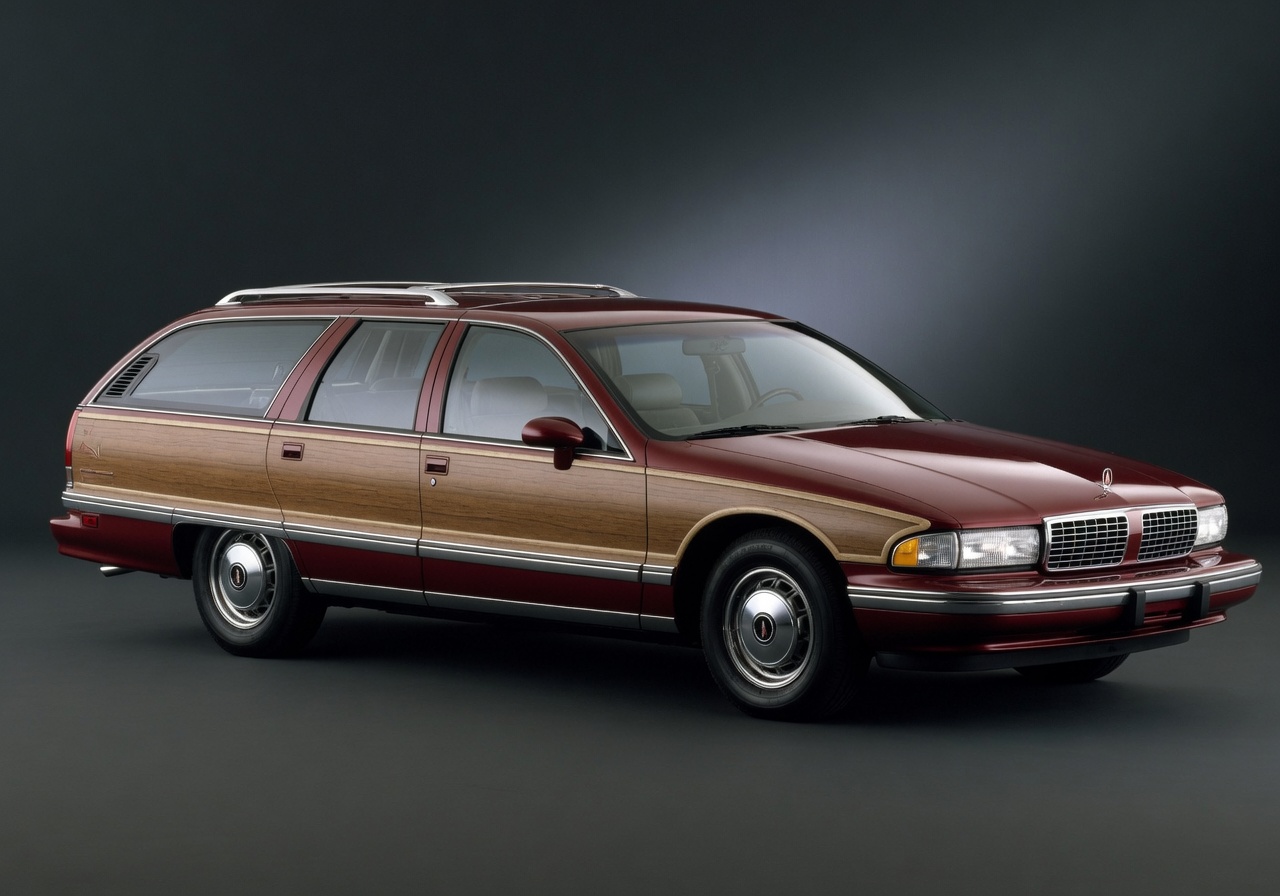
1992 Oldsmobile
Wagon
The 1992 Oldsmobile Custom Cruiser is one of the last full-size, body-on-frame American station wagons ever built — production ended after 1992, making this the final model year. Riding on GM's B-body platform shared with the Buick Roadmaster Estate and Chevrolet Caprice wagon, it was powered by a 5.0L (305 cu in) V8 and backed by a 4-speed automatic. It seated up to eight passengers and offered a rear-facing third-row seat with a power tailgate window. This was a purpose-built family hauler from an era when 'SUV' wasn't yet a household word. Compared to today's crossovers, it is enormous — long, wide, and heavy — but it tows respectably, rides on a cloud, and can swallow a week's worth of luggage for the whole family without breaking a sweat. Parts availability is reasonable given the engine and platform are shared across several GM vehicles of the era. At over 30 years old, any surviving Custom Cruiser is now a collector and enthusiast vehicle. Expect to budget for deferred maintenance, rust remediation (especially in the upper Midwest), and aged rubber components throughout. Survivors in good shape are increasingly rare and command a loyal following.
The 1992 Oldsmobile Custom Cruiser is one of the last full-size, body-on-frame American station wagons ever built — production ended after 1992, making this the final model year. Riding on GM's B-body platform shared with the Buick Roadmaster Estate and Chevrolet Caprice wagon, it was powered by a 5.0L (305 cu in) V8 and backed by a 4-speed automatic. It seated up to eight passengers and offered a rear-facing third-row seat with a power tailgate window. This was a purpose-built family hauler from an era when 'SUV' wasn't yet a household word. Compared to today's crossovers, it is enormous — long, wide, and heavy — but it tows respectably, rides on a cloud, and can swallow a week's worth of luggage for the whole family without breaking a sweat. Parts availability is reasonable given the engine and platform are shared across several GM vehicles of the era. At over 30 years old, any surviving Custom Cruiser is now a collector and enthusiast vehicle. Expect to budget for deferred maintenance, rust remediation (especially in the upper Midwest), and aged rubber components throughout. Survivors in good shape are increasingly rare and command a loyal following.
All coolant hoses are 30+ years old. A blown hose strands you and can cause serious overheating damage to the 305 V8.
Old rubber fuel lines crack and weep. A fuel leak near a hot engine is a fire hazard. TBI O-rings dry out and cause hard starts and fuel smell.
Rubber brake hoses deteriorate internally and can restrict flow or burst. Wheel cylinder seals on the rear drums are known to weep on aged vehicles.
The HEI distributor is simple and reliable but the cap and rotor corrode with age. Fresh ignition parts prevent misfires and protect the catalytic converter.
The 4L60 responds well to fresh fluid. Neglected fluid accelerates clutch pack wear and leads to slipping — a costly repair.
Wisconsin road salt is relentless. Catching surface rust before it penetrates structural metal keeps repair costs manageable.
The 5.0L V8 demands strong cranking amps in sub-zero temps. A marginal battery that passes a surface voltage check will fail at -10°F.
High-pressure PS hoses on 30-year-old vehicles crack at the fittings. A slow leak becomes a sudden failure and loss of power steering assist.
Always defer to the manufacturer's service manual for warranty-mandated intervals.
Day-to-day mechanical costs are reasonable when the car is in good shape — parts are inexpensive and any shop familiar with GM V8s can service it. The wildcard is deferred maintenance and rust remediation, which can push first-year ownership costs into the $2,000–$5,000 range if the car hasn't been properly maintained. Budget conservatively when buying.
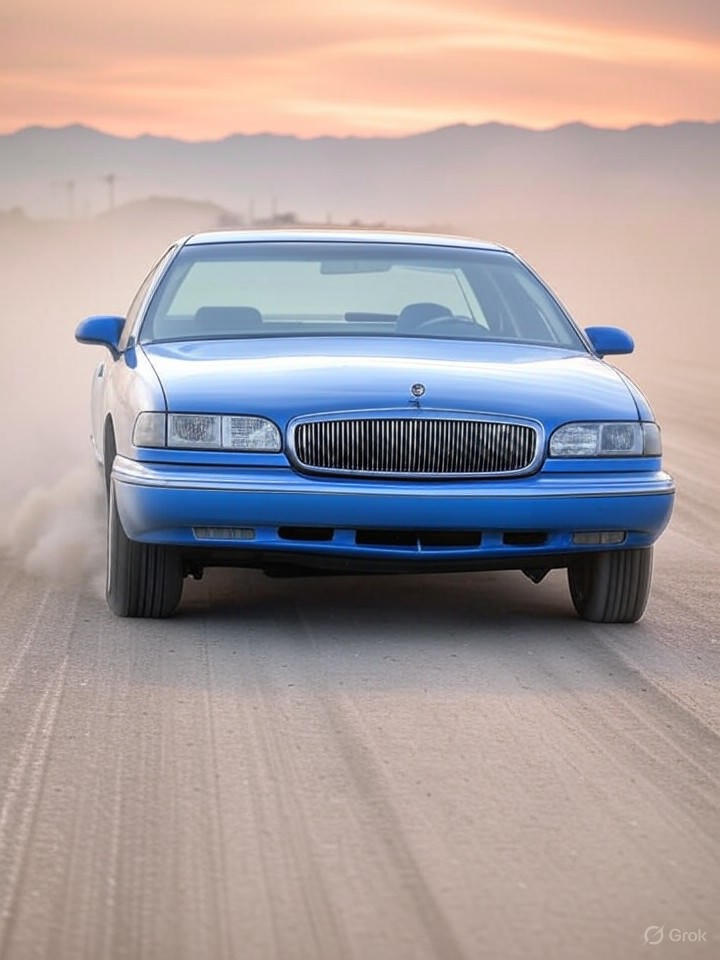
Mechanically identical — same B-body platform, same 5.0L V8, same 4L60 transmission. The Roadmaster has slightly more premium interior trim. Parts and service knowledge are fully interchangeable.
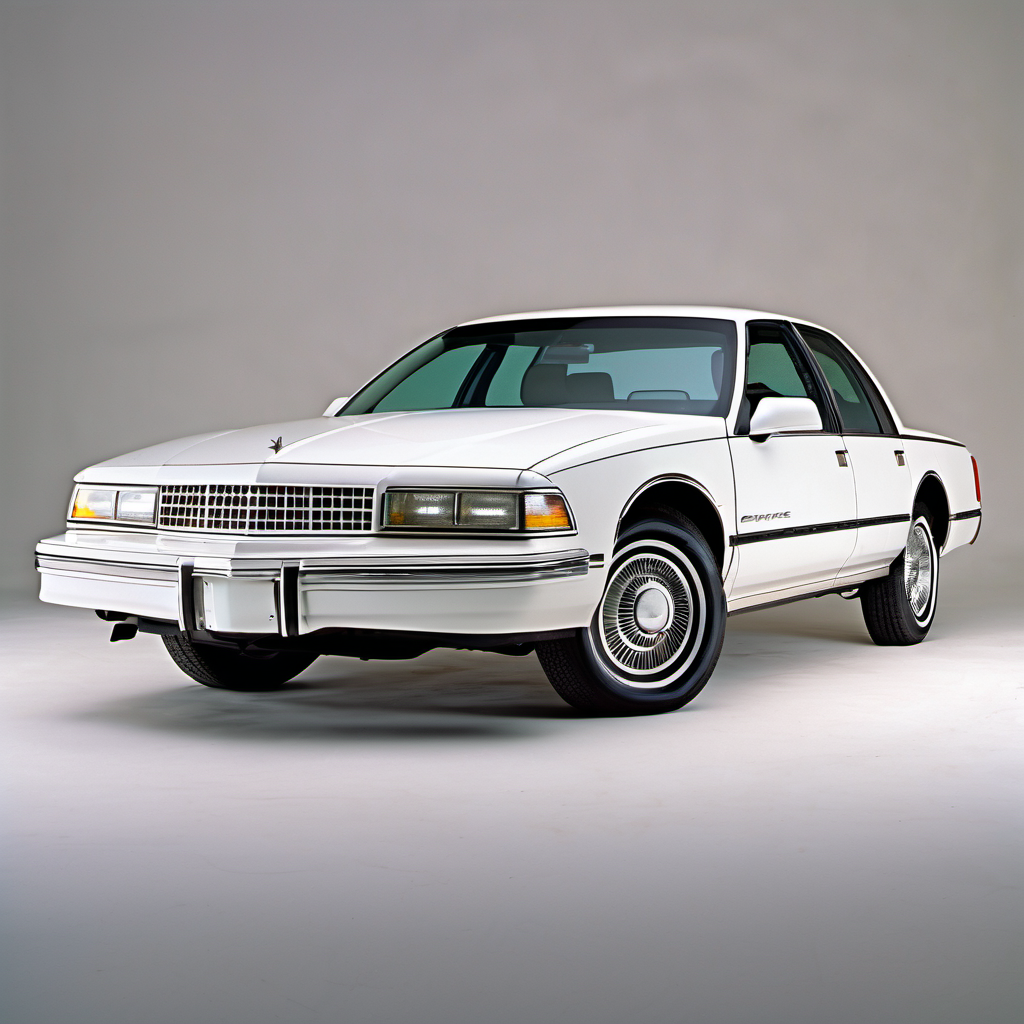
Another B-body sibling with the same drivetrain. Slightly lower trim level than the Custom Cruiser, but mechanically the same car. Often easier to find and slightly cheaper.
Ford's competing full-size wagon, also in its final generation. Powered by the 5.0L Ford V8 with AOD transmission. Similar mission and era, though parts ecosystems are separate.
No catalog match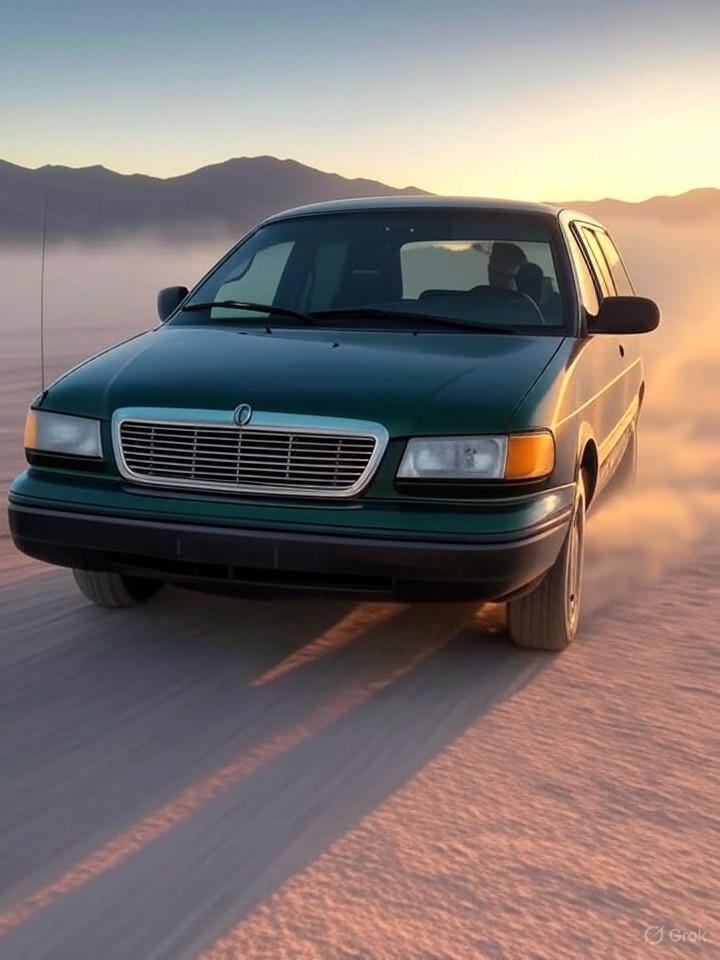
If the wagon mission matters more than the body-on-frame experience, the contemporary Town & Country minivan offered comparable people-and-cargo capacity in a more modern package.