A604 Ultradrive Transmission Failure
high- Typically appears
- 60–120k mi
- Estimated repair
- $1,200 – $3,000
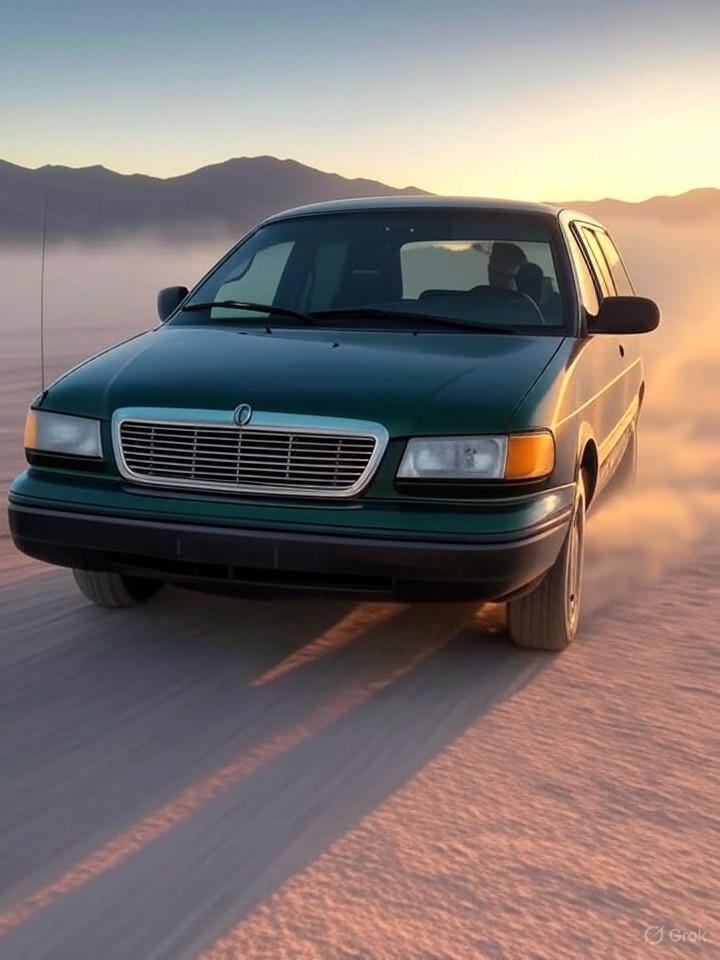
1992 Chrysler
3.3L V6 (Essex) · Van/Minivan
The 1992 Chrysler Town & Country is the top-trim version of Chrysler's second-generation AS-platform minivan, sitting above the Dodge Caravan and Plymouth Voyager in the lineup. It arrived in a market Chrysler essentially invented a decade earlier and carried premium touches like wood-grain interior trim, leather seating, and all-wheel drive availability — luxuries rarely seen in a minivan at the time. Under the hood, the standard powerplant was Chrysler's 3.3L Essex V6, with the optional 3.8L V6 on uplevel trims. Both backed by a 3-speed or 4-speed automatic transaxle. AWD models used a separate Power Transfer Unit and viscous coupling rear axle — a mechanically complex setup that demands attention. At over 30 years old, any surviving example is a high-mileage, high-age vehicle. Parts availability for the drivetrain is still reasonable, but body seals, AWD components, and early SMEC/SBEC engine management systems are increasingly hard to source. Buy with eyes wide open.
The 1992 Chrysler Town & Country is the top-trim version of Chrysler's second-generation AS-platform minivan, sitting above the Dodge Caravan and Plymouth Voyager in the lineup. It arrived in a market Chrysler essentially invented a decade earlier and carried premium touches like wood-grain interior trim, leather seating, and all-wheel drive availability — luxuries rarely seen in a minivan at the time. Under the hood, the standard powerplant was Chrysler's 3.3L Essex V6, with the optional 3.8L V6 on uplevel trims. Both backed by a 3-speed or 4-speed automatic transaxle. AWD models used a separate Power Transfer Unit and viscous coupling rear axle — a mechanically complex setup that demands attention. At over 30 years old, any surviving example is a high-mileage, high-age vehicle. Parts availability for the drivetrain is still reasonable, but body seals, AWD components, and early SMEC/SBEC engine management systems are increasingly hard to source. Buy with eyes wide open.
The A604 Ultradrive is highly sensitive to fluid condition. Neglected fluid is the leading cause of solenoid pack and clutch pack failures. Use only ATF+4 or the correct Chrysler-spec fluid.
At 30+ years, plastic insulation becomes brittle and cracks, causing intermittent no-starts, sensor faults, and hard-to-trace driveability issues. Pay close attention to the firewall pass-throughs and near the exhaust.
Old coolant turns acidic and attacks the 3.3L's aluminum intake and head gaskets. This engine is vulnerable to intake manifold gasket seepage when coolant maintenance is skipped.
The viscous coupling AWD system has small fluid sumps that degrade quickly. Neglect leads to PTU bearing failure and viscous coupler lockup — costly repairs.
Road salt accelerates floor pan, frame rail, and brake line corrosion. Catching rust early allows manageable repairs; finding it late can make the vehicle uneconomical to keep.
Sliding door hardware corrodes and wears with age. A sticking door is a safety concern and can damage the track beyond simple roller replacement.
The 3.3L Essex prefers fresh plugs and wires for clean starts. Old plug wires cause misfires that are often misdiagnosed as more expensive engine problems.
Cold-cranking demand in Wisconsin winters is severe. A battery that tests acceptable in summer can fail to start the vehicle at -10°F. Replace any battery over 4 years old proactively.
Always defer to the manufacturer's service manual for warranty-mandated intervals.
This van is cheap to insure and fuel costs are moderate for a V6. The real financial wildcard is mechanical age: the A604 transmission and AWD components can generate $1,000–$3,000 repair bills with little warning. Budget generously for unplanned repairs — more than you would for a modern vehicle.
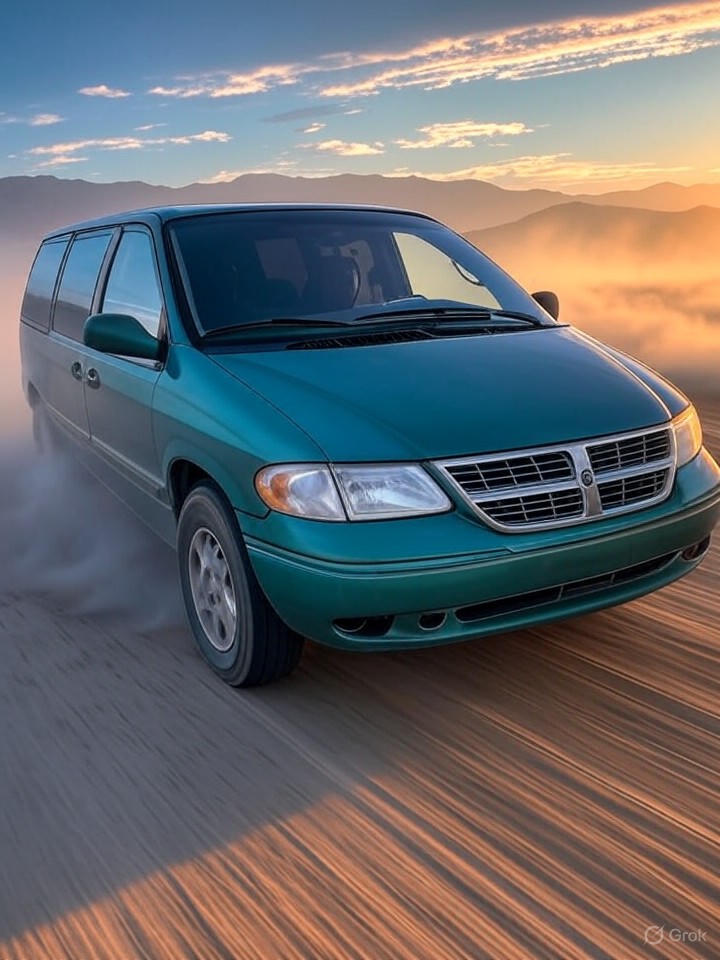
Mechanically identical platform and drivetrain. The Grand Caravan is easier to find parts for and typically sells for less, making it a practical alternative if you need the same size and capability.
Third sibling on the same AS platform with identical engines and transmissions. Often the cheapest of the three and a direct mechanical equivalent.
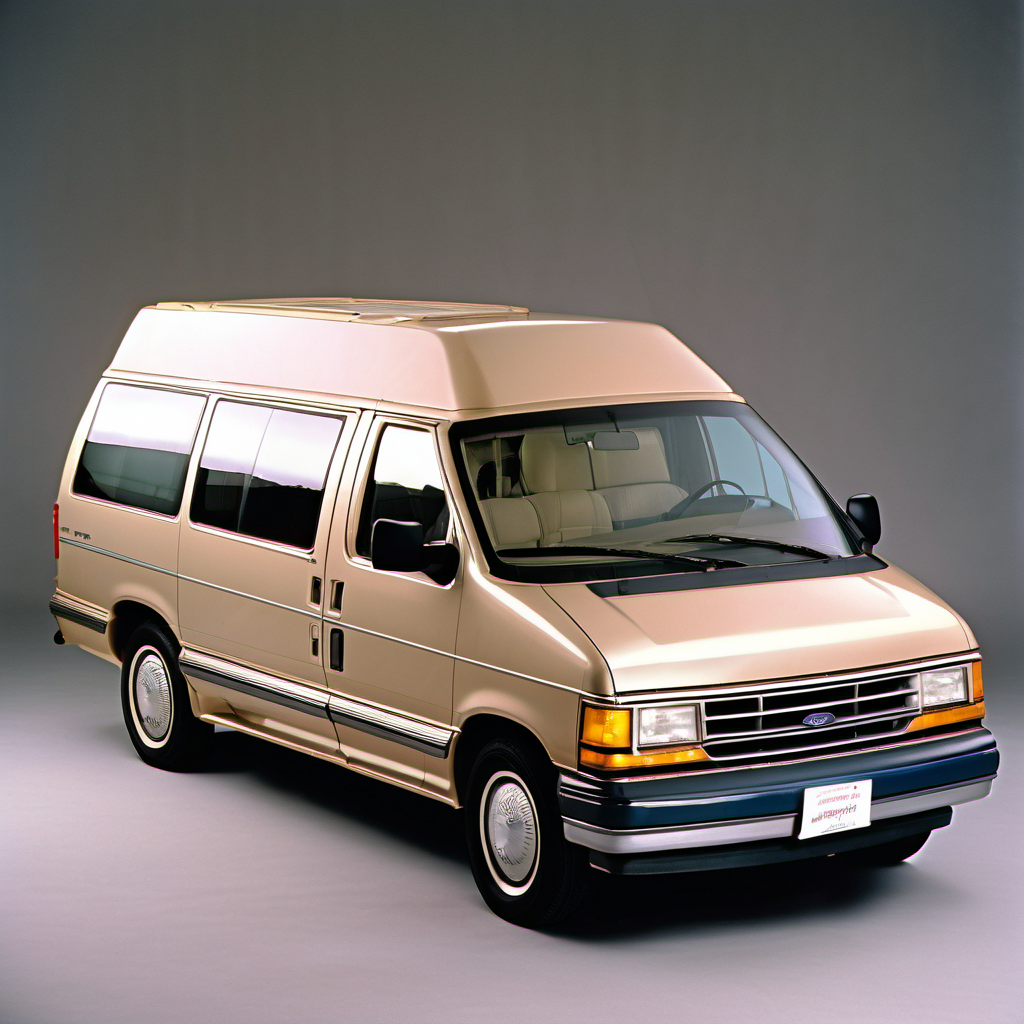
Ford's competing minivan of the same era. RWD/AWD layout differs significantly, but it serves the same family-hauler mission and is comparably aged and priced on today's used market.
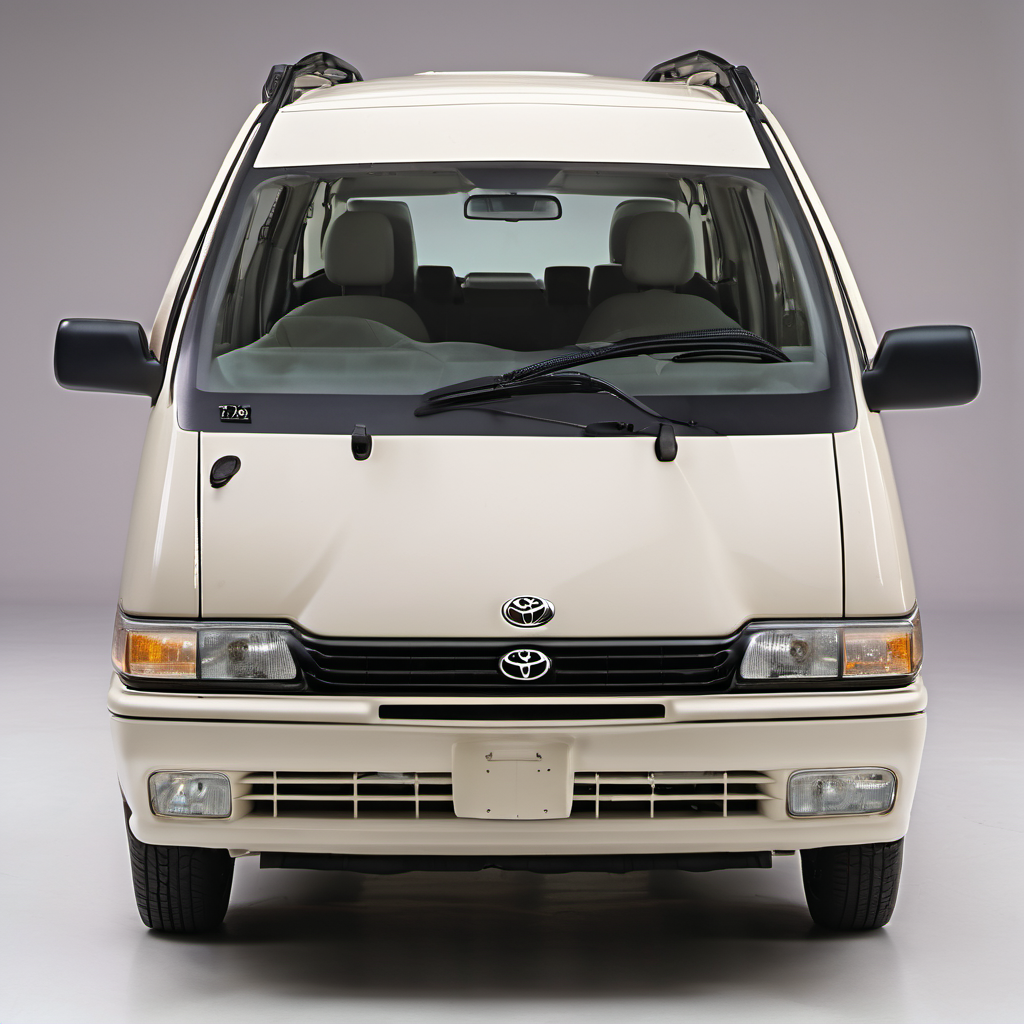
Toyota's contemporary minivan offering. More reliable mechanically on average, though mid-engine layout makes service more complex. A better bet for longevity if you can find a clean example.