Intake Manifold Gasket / Throttle Body Coolant Leak
high- Typically appears
- 80–150k mi
- Estimated repair
- $300 – $650
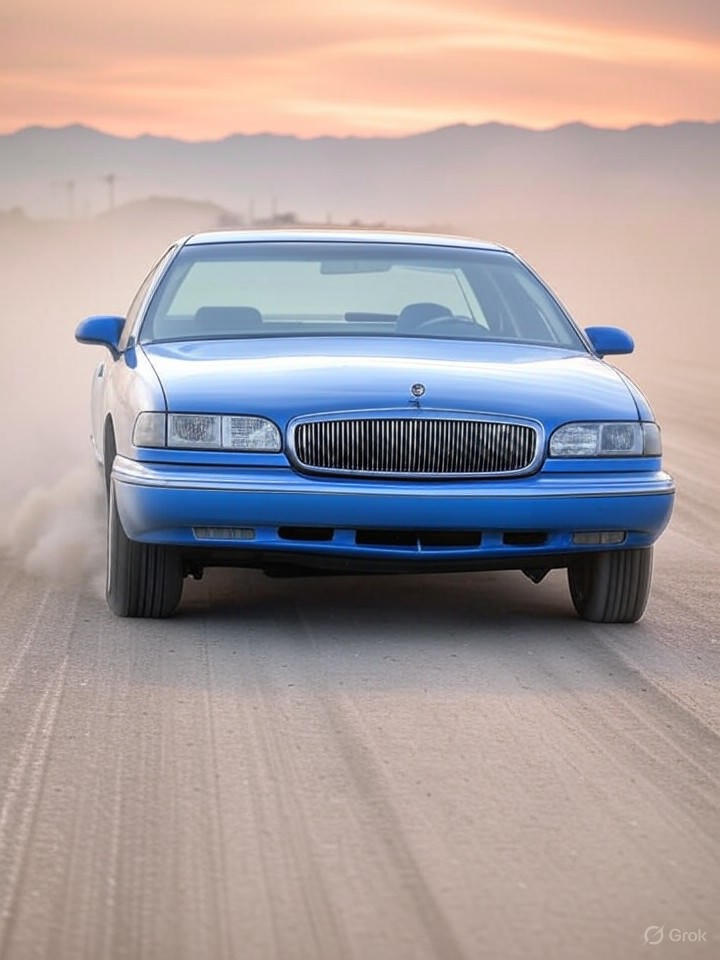
1992 Buick
Sedan
The 1992 Buick Roadmaster Sedan is a full-size, body-on-frame American luxury car built on GM's B-platform — the same bones shared with the Chevrolet Caprice and Cadillac Fleetwood of the era. It was a throwback even when new: rear-wheel drive, a 350 cubic inch V8, and a traditional American ride tuned for smooth highway cruising. Buick revived the Roadmaster nameplate in 1991 after a long absence, positioning it as the premium choice in GM's full-size lineup. Under the hood sits GM's time-tested LO5 5.7L V8 (TBI fuel injection), backed by a 4L60 four-speed automatic. These engines and transmissions are well understood by independent shops, parts are plentiful, and many examples have rolled well past 150,000 miles with basic upkeep. The platform's simplicity — no active suspension, no complex all-wheel-drive system — keeps repair costs reasonable compared to European luxury cars of the same era. By 1992 standards this is a large, comfortable cruiser best suited to highway miles and buyers who prioritize ride quality and interior space over sporty handling. It is not a performance car, not particularly fuel-efficient, and its sheer size takes some getting used to in tight parking. But for what it is — a quiet, smooth, genuinely spacious American sedan — it does the job very well.
The 1992 Buick Roadmaster Sedan is a full-size, body-on-frame American luxury car built on GM's B-platform — the same bones shared with the Chevrolet Caprice and Cadillac Fleetwood of the era. It was a throwback even when new: rear-wheel drive, a 350 cubic inch V8, and a traditional American ride tuned for smooth highway cruising. Buick revived the Roadmaster nameplate in 1991 after a long absence, positioning it as the premium choice in GM's full-size lineup. Under the hood sits GM's time-tested LO5 5.7L V8 (TBI fuel injection), backed by a 4L60 four-speed automatic. These engines and transmissions are well understood by independent shops, parts are plentiful, and many examples have rolled well past 150,000 miles with basic upkeep. The platform's simplicity — no active suspension, no complex all-wheel-drive system — keeps repair costs reasonable compared to European luxury cars of the same era. By 1992 standards this is a large, comfortable cruiser best suited to highway miles and buyers who prioritize ride quality and interior space over sporty handling. It is not a performance car, not particularly fuel-efficient, and its sheer size takes some getting used to in tight parking. But for what it is — a quiet, smooth, genuinely spacious American sedan — it does the job very well.
The LO5 TBI V8 is a high-displacement pushrod engine that runs warm. Frequent oil changes are cheap insurance, especially on an older engine where sludge buildup is a real risk.
The 4L60 is the most common failure point on this car. Fresh fluid and a clean filter are the single best way to extend its life — neglect accelerates clutch pack wear significantly.
The LO5 runs a conventional green coolant system. Old coolant turns acidic and attacks intake gaskets and the aluminum throttle body. Replace all hoses and clamps if not done recently.
Original rubber fuel lines become brittle and can crack, creating a fire hazard. This is a safety-first inspection on any early-90s GM vehicle.
Moisture-laden brake fluid lowers boiling point and corrodes the master cylinder, calipers, and wheel cylinders — all expensive to replace on a car this age.
The B-platform uses traditional serviceable grease fittings on many components. Regular greasing prevents premature wear and avoids costly replacement.
The 5.7L V8 needs a strong battery to cold-crank in sub-zero temps. A battery that passes a summer test can fail the first January morning.
Wisconsin road salt is the biggest long-term threat to a Roadmaster. Frame rust can make an otherwise sound car unsafe or unrestorable. Catch it early with dielectric grease and rustproofing spray.
Always defer to the manufacturer's service manual for warranty-mandated intervals.
Day-to-day costs are modest for a large V8 car. Parts are cheap and widely available from salvage yards and GM suppliers. The real risk is deferred maintenance: catching up on 30 years of rubber, gaskets, and fluids at once can cost $2,000–$4,000. Budget higher in year one if buying a car with unknown service history.
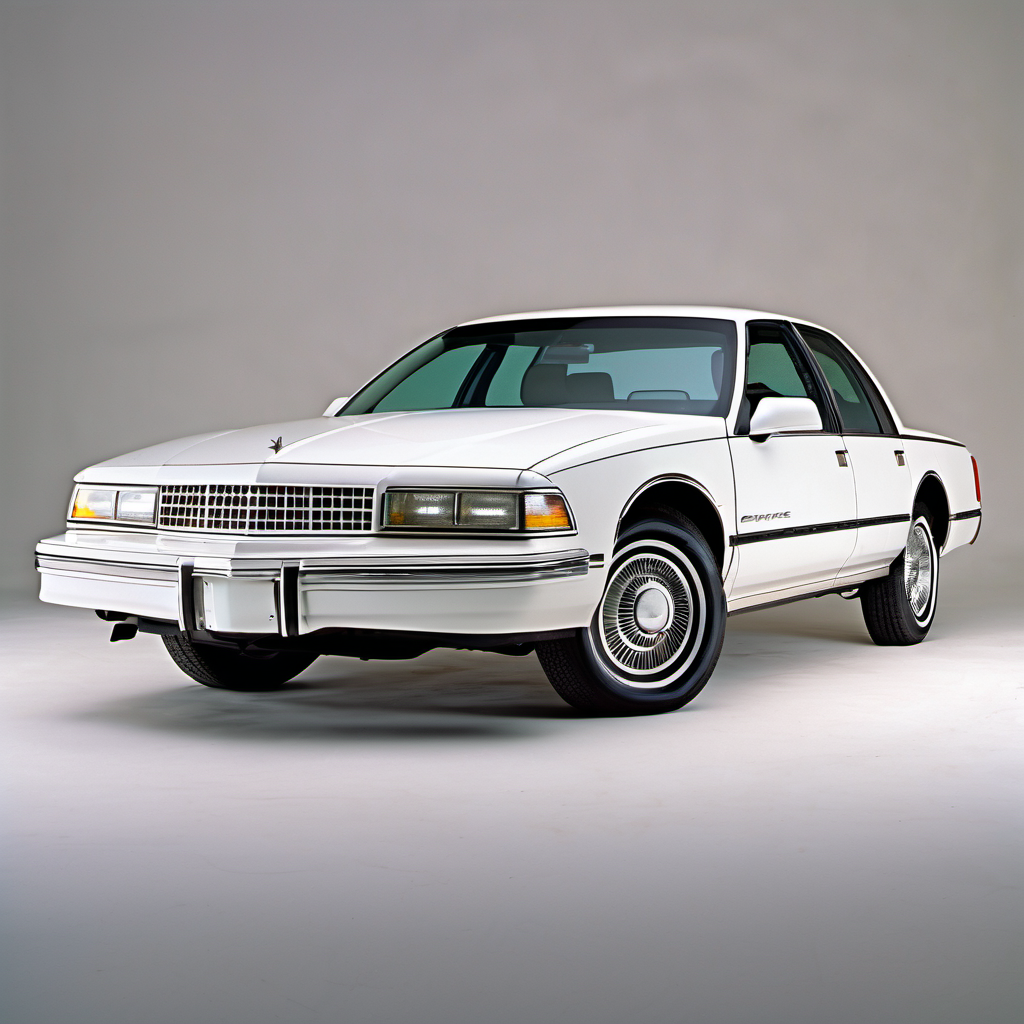
Same GM B-platform, nearly identical mechanicals (LO5 V8, 4L60 trans, RWD), lower price point and more common in the used market. Parts and service knowledge are fully interchangeable.
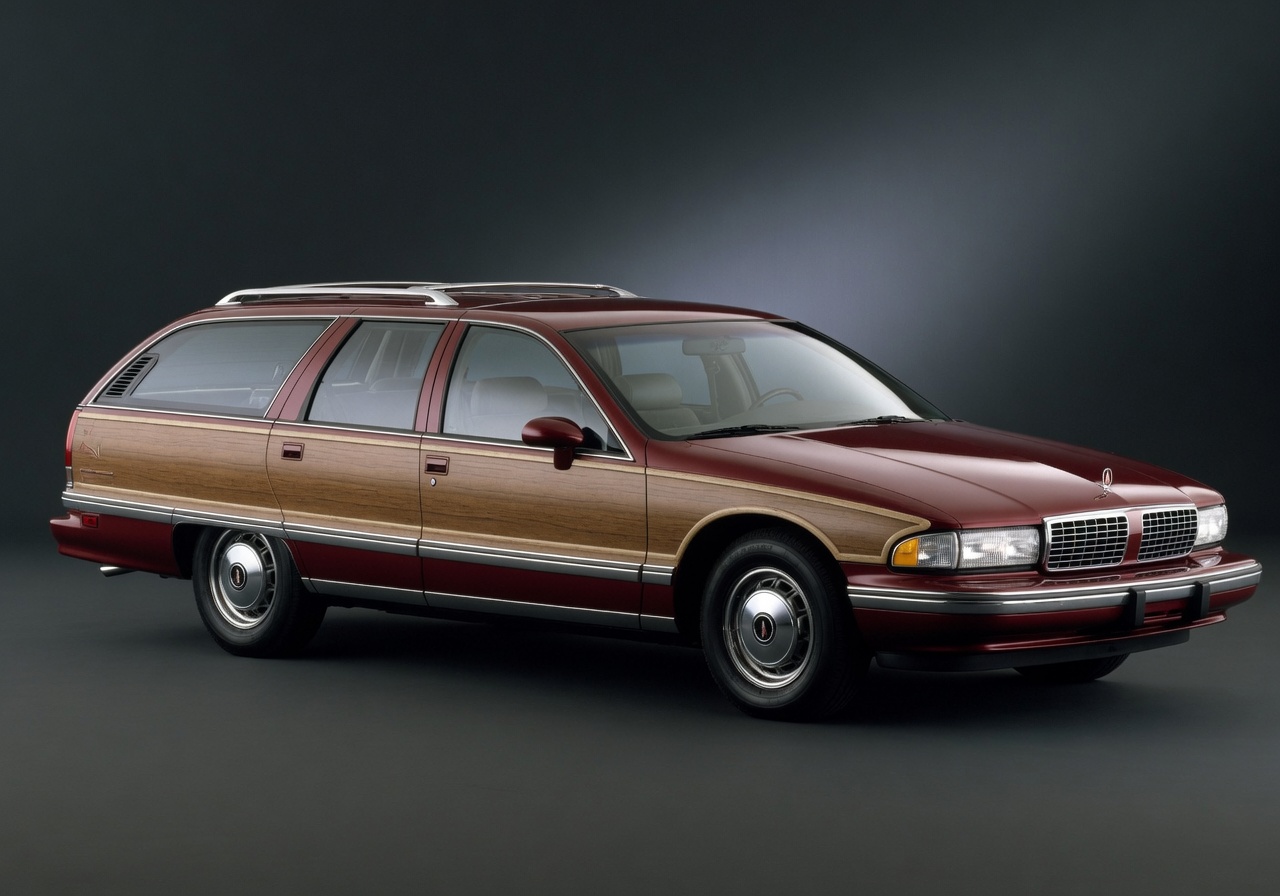
Another B-platform stablemate with shared drivetrain components. Slightly more wagon-oriented but similarly priced and maintained.
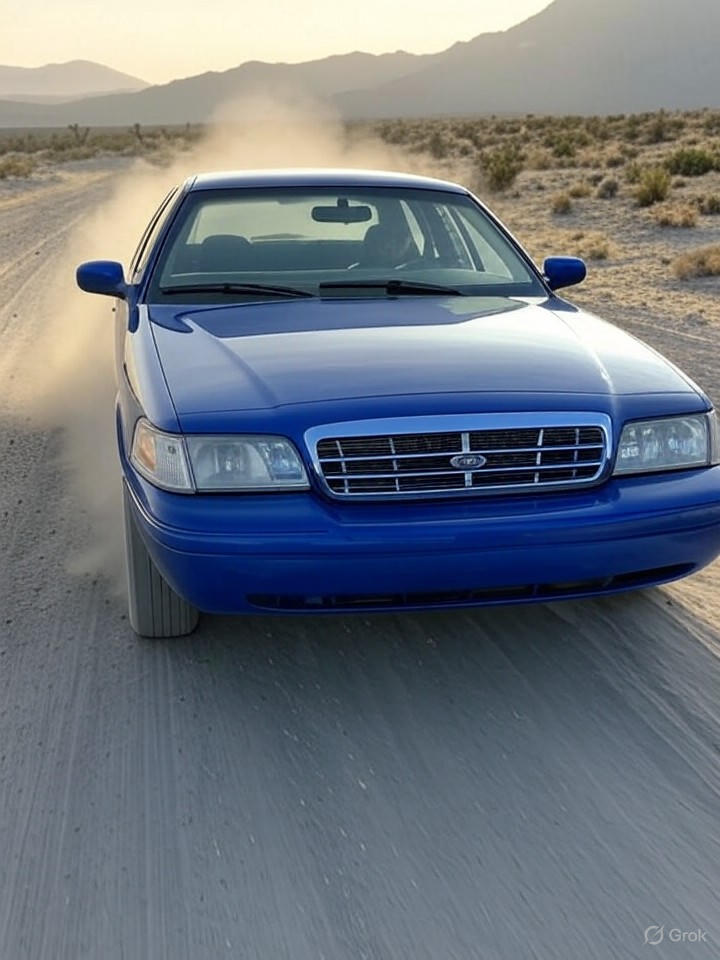
Ford's full-size RWD competitor. Panther platform is equally durable and arguably even more common in the used market, though the 4.6L V8 differs mechanically from the GM 5.7L.
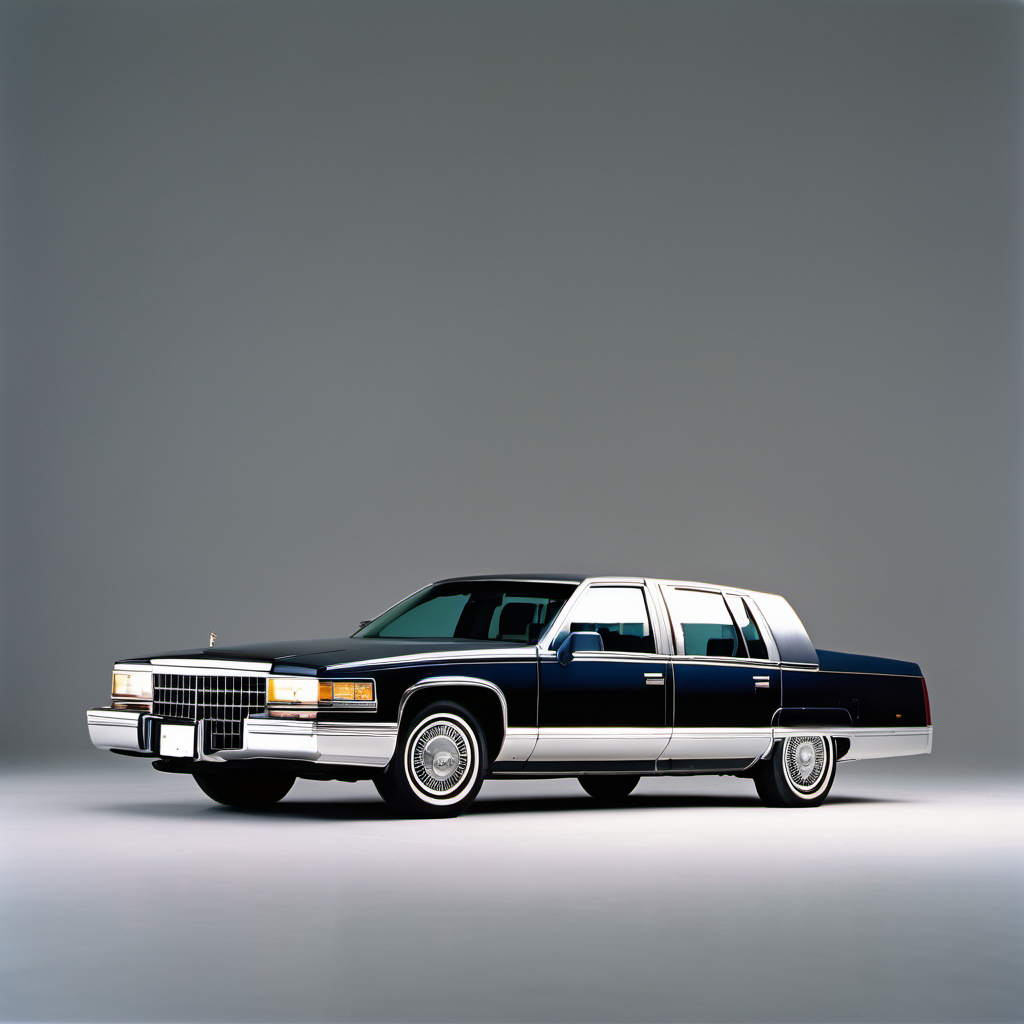
The premium B-platform sibling with more luxury content and a longer wheelbase. Mechanically nearly identical to the Roadmaster but commands a higher price and higher repair costs for trim-specific components.