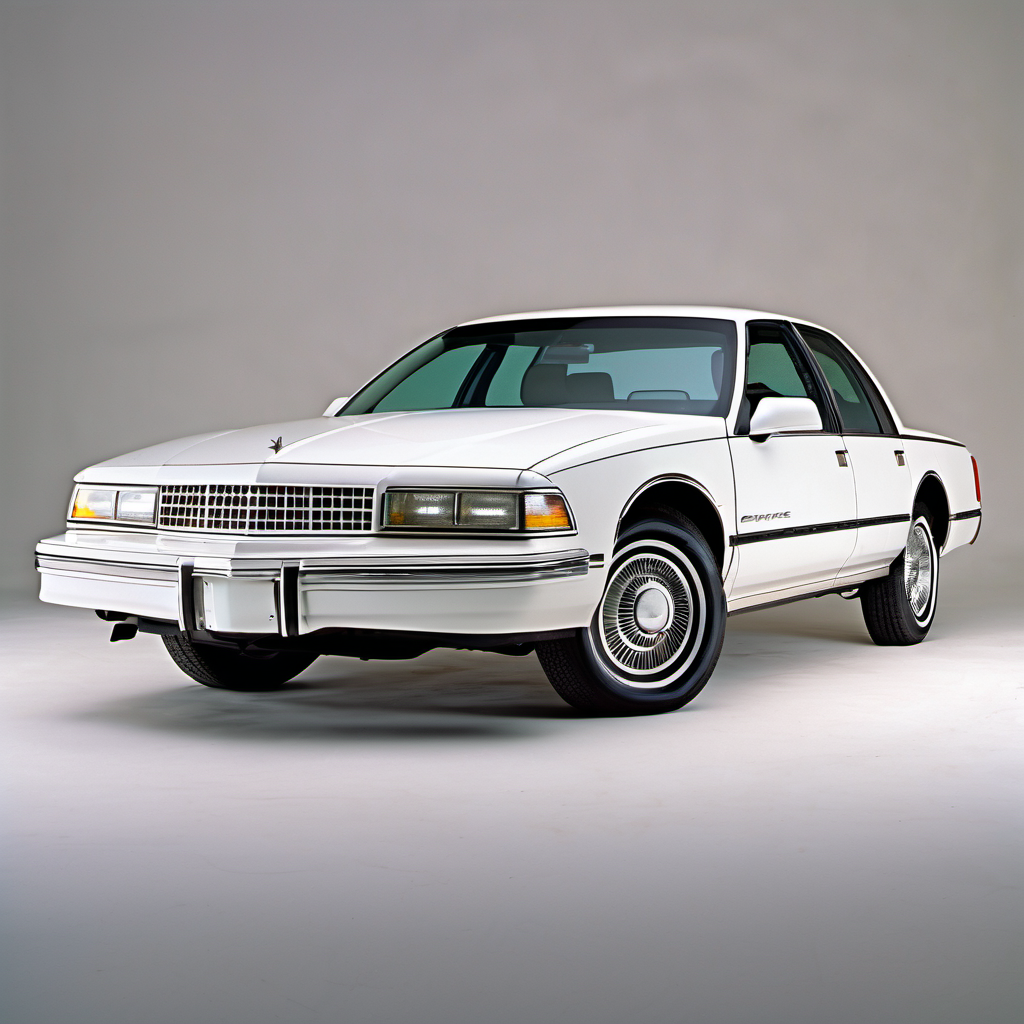
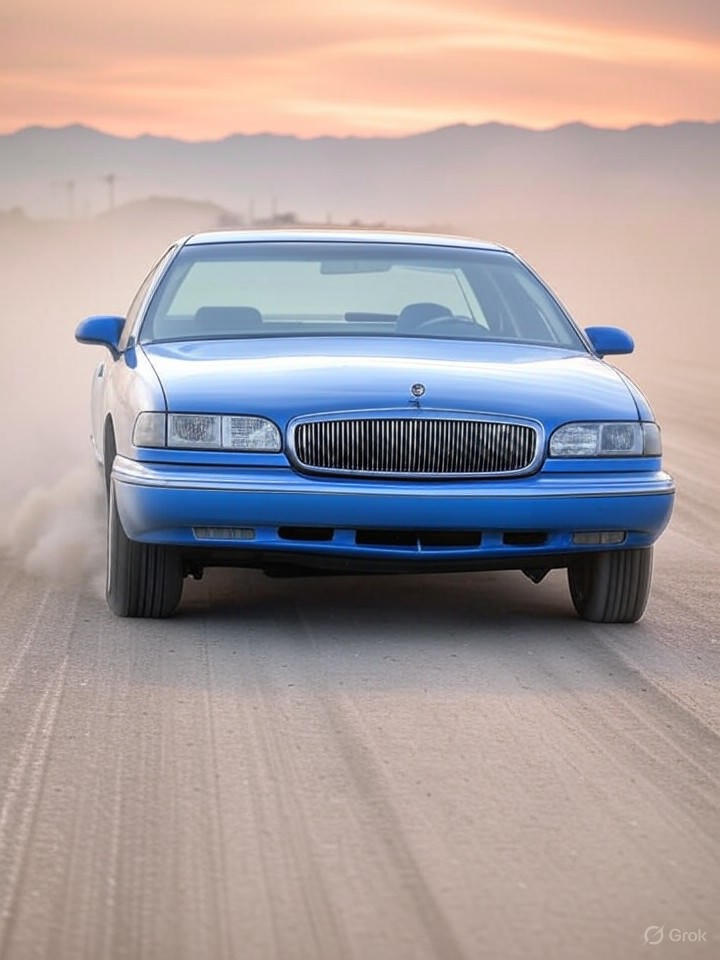
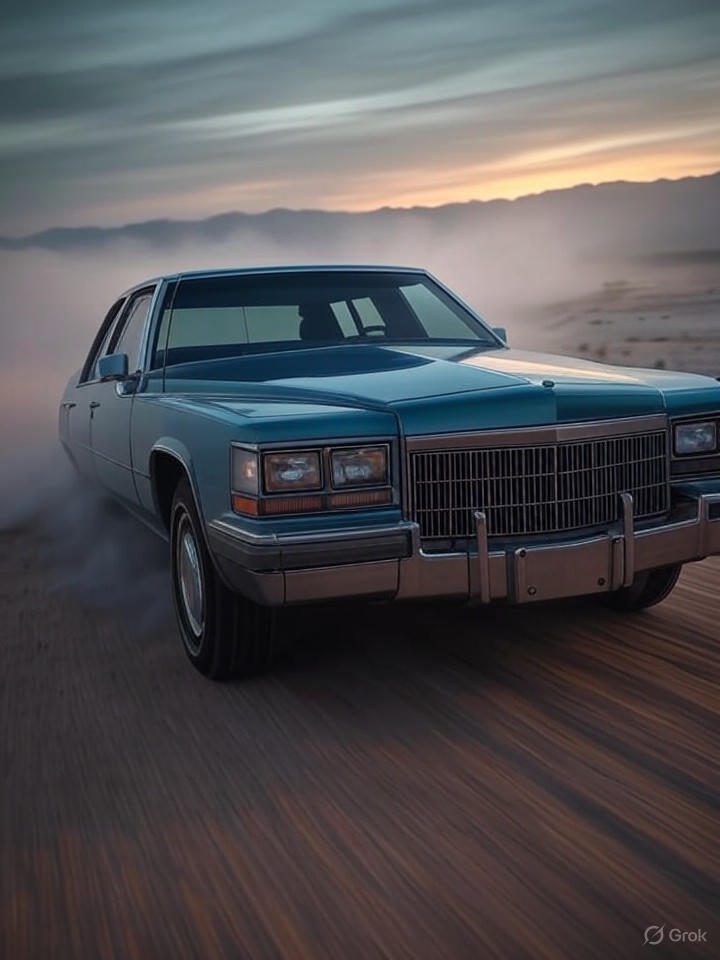
1992 Chevrolet Caprice Sedan

1992 Chevrolet

CapriceSedan

Sedan

The 1992 Chevrolet Caprice is a full-size, body-on-frame rear-wheel-drive sedan built on GM's B-platform — the same bones used under the Buick Roadmaster and Cadillac Brougham. It was one of the last true American full-size sedans of its era, favored by police fleets, taxi operators, and buyers who wanted a roomy, easy-to-work-on domestic car. The 1991 redesign gave it a slippery, rounded profile that was polarizing at the time but proved aerodynamically efficient. Power for most 1992 Caprices came from a 4.3L V6 (standard) or optional 5.0L and 5.7L V8s. The drivetrain is simple, robust, and well-supported by an enormous parts aftermarket. At 30+ years old, this car is now firmly in collector or daily-driver-on-a-budget territory — parts are cheap, mechanicals are straightforward, but rust and deferred maintenance are the real enemies. For a Lake Geneva driver, the Caprice's RWD layout demands attention in winter — this is a heavy, long-wheelbase car that can be slippery on unplowed roads without proper winter tires. On the flip side, the engine bay is spacious and approachable, making it a good candidate for DIY maintenance.

Reliability
3/5
Verified data
Specs shown for Caprice — the most common configuration. Other trims may vary in engine, drivetrain, or fuel economy. Sign in to see your vehicle's exact specs.
Engine
[object Object]
Drivetrain
RWD
Fuel
Gasoline
MPG
16 city / 24 hwy / 19 combined
Seats
Doors
Body
Large Cars

Overview

AI-curated

The 1992 Chevrolet Caprice is a full-size, body-on-frame rear-wheel-drive sedan built on GM's B-platform — the same bones used under the Buick Roadmaster and Cadillac Brougham. It was one of the last true American full-size sedans of its era, favored by police fleets, taxi operators, and buyers who wanted a roomy, easy-to-work-on domestic car. The 1991 redesign gave it a slippery, rounded profile that was polarizing at the time but proved aerodynamically efficient. Power for most 1992 Caprices came from a 4.3L V6 (standard) or optional 5.0L and 5.7L V8s. The drivetrain is simple, robust, and well-supported by an enormous parts aftermarket. At 30+ years old, this car is now firmly in collector or daily-driver-on-a-budget territory — parts are cheap, mechanicals are straightforward, but rust and deferred maintenance are the real enemies. For a Lake Geneva driver, the Caprice's RWD layout demands attention in winter — this is a heavy, long-wheelbase car that can be slippery on unplowed roads without proper winter tires. On the flip side, the engine bay is spacious and approachable, making it a good candidate for DIY maintenance.

Known for
  • Enormous interior and trunk space
  • Simple, robust body-on-frame construction
  • Strong V8 variants popular with police/taxi fleets
  • Smooth highway ride quality
Best for
  • Budget-conscious daily drivers who want a simple car to maintain
  • Collectors and enthusiasts of late American full-size sedans
  • High-mileage highway commuters
  • Owners who do their own wrenching
Watch for
  • Severe rust on floor pans, frame rails, and rocker panels — especially on Wisconsin/Midwest examples
  • 30+ years of deferred maintenance is common at this age
  • RWD can be treacherous in snow without dedicated winter tires
  • Aged rubber: hoses, gaskets, seals, and fuel lines need inspection

Common issues by mileage

6 known

Underbody and floor pan rust

high
Typically appears
All mileages on Midwest/salt-belt cars
Estimated repair
$500 – $4,000

Coolant system deterioration (hoses, radiator, thermostat)

high
Typically appears
80k+ mi or 15+ years
Estimated repair
$200 – $900

Intake manifold gasket leak (4.3L V6)

high
Typically appears
80k–150k mi
Estimated repair
$300 – $700

Transmission fluid leak or 4L60 shift issues

medium
Typically appears
100k–160k mi
Estimated repair
$150 – $1,800

Cracked or dried fuel lines and vapor lock

medium
Typically appears
All mileages given vehicle age
Estimated repair
$200 – $600

Worn front suspension (ball joints, idler arm, center link)

high
Typically appears
80k+ mi
Estimated repair
$300 – $1,000

Maintenance schedule

  1. 1
    Every 3,000–5,000 miles Engine oil and filter change

    Older engine with wider tolerances benefits from more frequent changes, especially if short-trip driving is common.

  2. 2
    Every 2 years or 30k miles Full coolant flush and hose inspection

    At this age, original or aged hoses can collapse or crack. Coolant also loses pH protection and corrodes the aluminum intake and radiator.

  3. 3
    Every 30k miles Transmission fluid and filter service

    The 4L60 automatic is robust but sensitive to dirty fluid. Many 30-year-old cars have never had this done.

  4. 4
    Annually before winter Full underbody rust inspection and treatment

    Wisconsin road salt attacks frame rails, rocker panels, and floor pans. Catching surface rust early prevents structural failure.

  5. 5
    Every 2 years Brake fluid flush

    Hygroscopic brake fluid absorbs moisture over time, lowering boiling point and corroding calipers and wheel cylinders from the inside.

  6. 6
    Annually Inspect and lubricate front suspension and steering linkage

    The recirculating ball steering and A-arm suspension have grease fittings that dry out and wear quickly if not serviced.

  7. 7
    Every 50k miles or at first sign of leak Intake manifold gasket inspection

    The 4.3L V6 is notorious for intake gasket failure, which can pull coolant into oil. Catching it early prevents engine damage.

  8. 8
    Annually Inspect all rubber fuel lines and replace if cracked or soft

    30-year-old fuel lines are a fire hazard. Original rubber degrades, especially near exhaust heat.

Always defer to the manufacturer's service manual for warranty-mandated intervals.

Cost of ownership

Annual maintenance
$600 – $2,000
Fuel
At 19 MPG combined and upper Midwest fuel prices, expect roughly $2,000–$2,800/year for 12,000 miles of average driving.
Insurance
Typically low — this is a 30+ year old car with modest market value. Expect $500–$1,200/year depending on coverage level and driver profile.

A well-maintained Caprice is cheap to own. Parts are abundant and inexpensive, and any competent shop can work on it without special tooling. The wildcard is deferred maintenance — a car this age that hasn't been properly cared for can surprise you with $3,000–$5,000 in catch-up repairs in the first year.
Seasonal care

Lake Geneva, WI
Winter
  • Switch to dedicated winter tires — this is a heavy RWD car on a long wheelbase, and all-seasons are not adequate for Wisconsin winters. Snow traction is a genuine safety concern.
  • Test the battery before first hard freeze. Cold-cranking amps drop sharply below 20°F and a 3+ year old battery should be replaced proactively.
  • Use a winter-grade washer fluid rated to at least -20°F. The standard reservoir and lines are exposed and will freeze with summer-formula fluid.
  • Flush and replace antifreeze if it hasn't been done in 2+ years. Verify freeze protection to at least -34°F with a test strip or refractometer.
  • Inspect wiper blades and consider winter-style blades — the flat windshield catches ice accumulation in freezing rain.
  • After each storm, rinse the undercarriage at a coin wash to remove road salt before it sits on the frame and suspension.
Summer
  • Check tire pressure monthly — tires gain roughly 1 PSI for every 10°F rise in ambient temperature and overinflation causes center-tread wear.
  • Inspect the cooling system before hot weather arrives. A 30-year-old radiator and thermostat under summer load will reveal any weakness.
  • Test the A/C system in spring. The R-134a retrofit (if already done) or original R-12 charge may be low after 30 years. R-12 requires a licensed technician.
  • Check power steering fluid — heat accelerates deterioration of aging seals in the power steering pump and gearbox.

Comparable vehicles

If you're shopping for one

Red flags
  • Any rust holes or heavy scale on the frame rails or floor — structural rust on a 30-year-old B-body is often not economical to repair
  • Milky oil or white smoke from the exhaust on a warm engine — head gasket or intake gasket failure
  • A car that's been sitting for more than 2 years — fuel system, brakes, cooling, and rubber all degrade rapidly with non-use
  • Mismatched paint panels suggesting a prior collision repair — check panel gaps and door alignment carefully
  • Any evidence of coolant leak at the intake manifold valley (oil staining mixed with green or orange residue on the engine)
What to inspect
  • Crawl under the car and inspect every inch of the frame rails, floor pans, and rocker panels for rust perforation — this is the single most important check on any Wisconsin-market Caprice
  • Pull the oil dipstick and look for a milky, tan residue — this indicates coolant mixing with oil, a classic sign of failed intake manifold gaskets on the 4.3L
  • Check the transmission fluid color and smell on the dipstick — should be pink/red and neutral-smelling, not dark brown or burned
  • Start the engine cold and listen for lifter tick or knock — normal engines quiet down within 30 seconds; persistent noise suggests worn internals or sludge
  • Check all rubber: radiator hoses, heater hoses, and visible fuel lines for cracking, softness, or seepage
  • Inspect the front suspension for looseness — grab each front tire at 9 and 3 o'clock and try to wiggle it; any play suggests worn ball joints or tie rod ends
AI profile generated 1 hr ago · claude-sonnet-4-6 · v2.