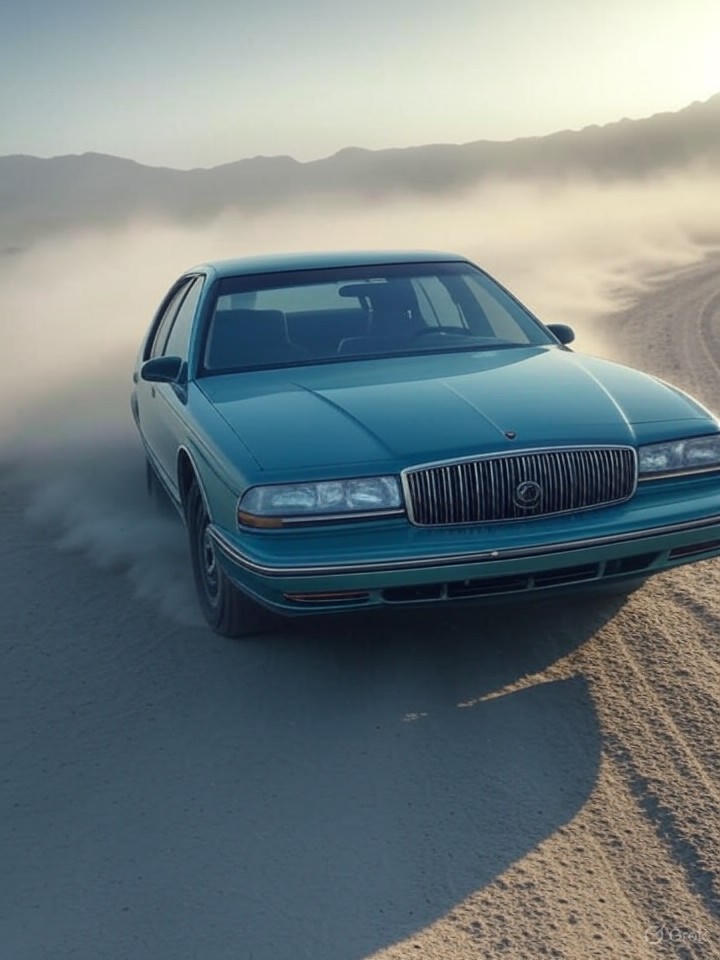
1992 Oldsmobile 88 Sedan

1992 Oldsmobile

88Sedan

3.8L V6 · Sedan

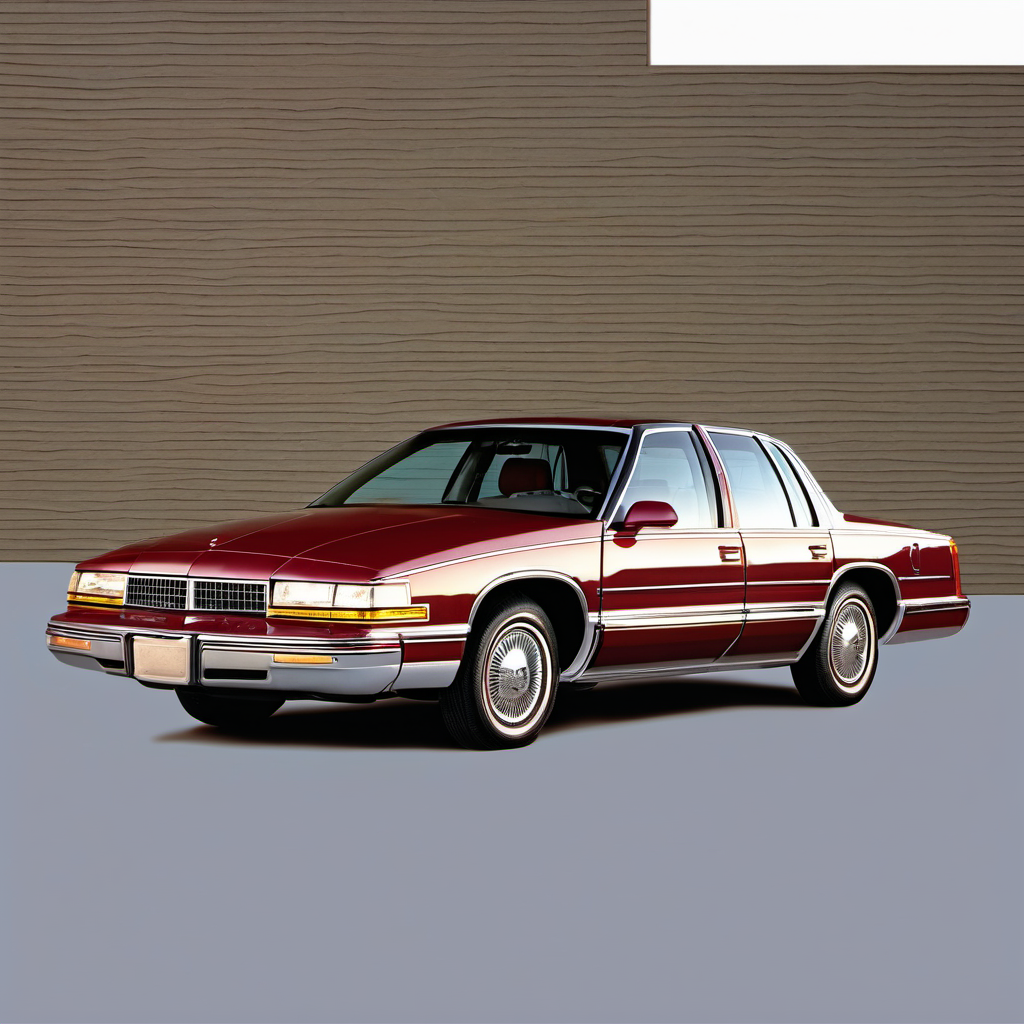
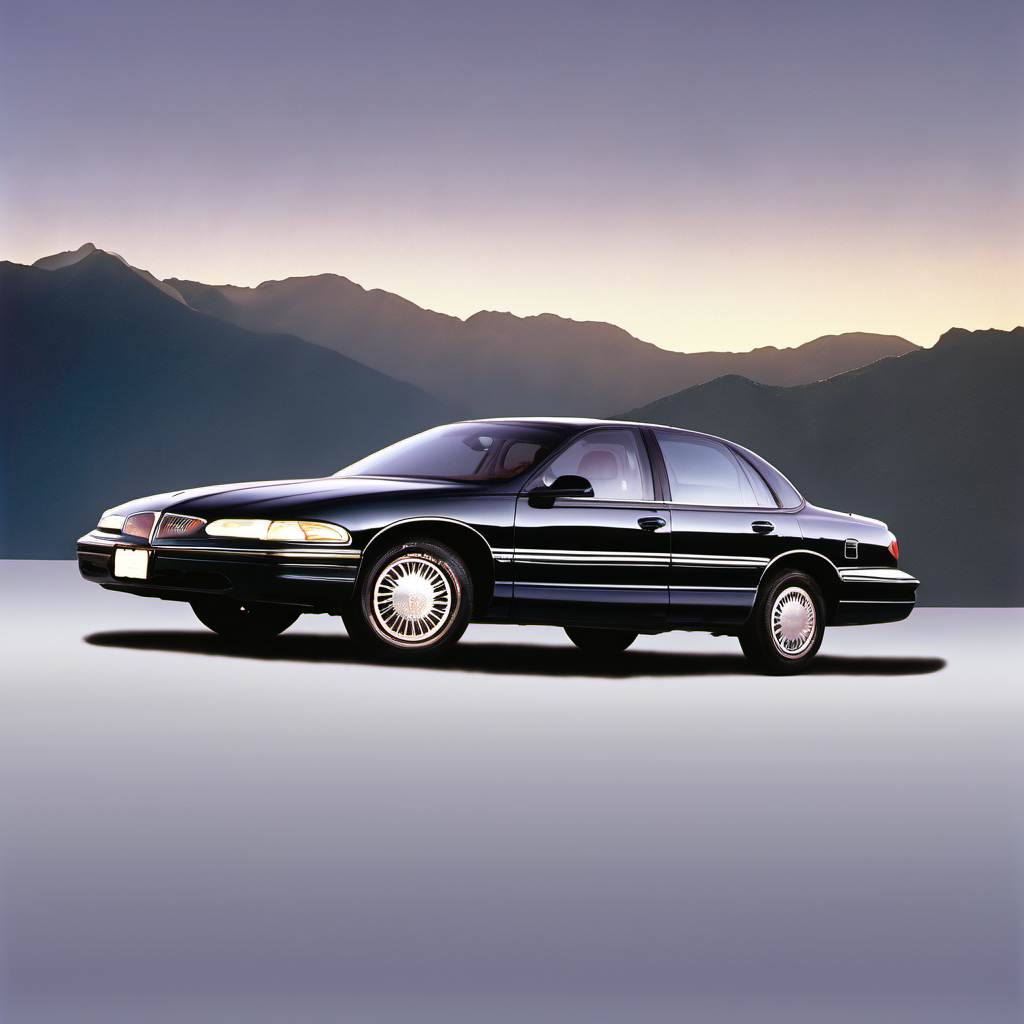
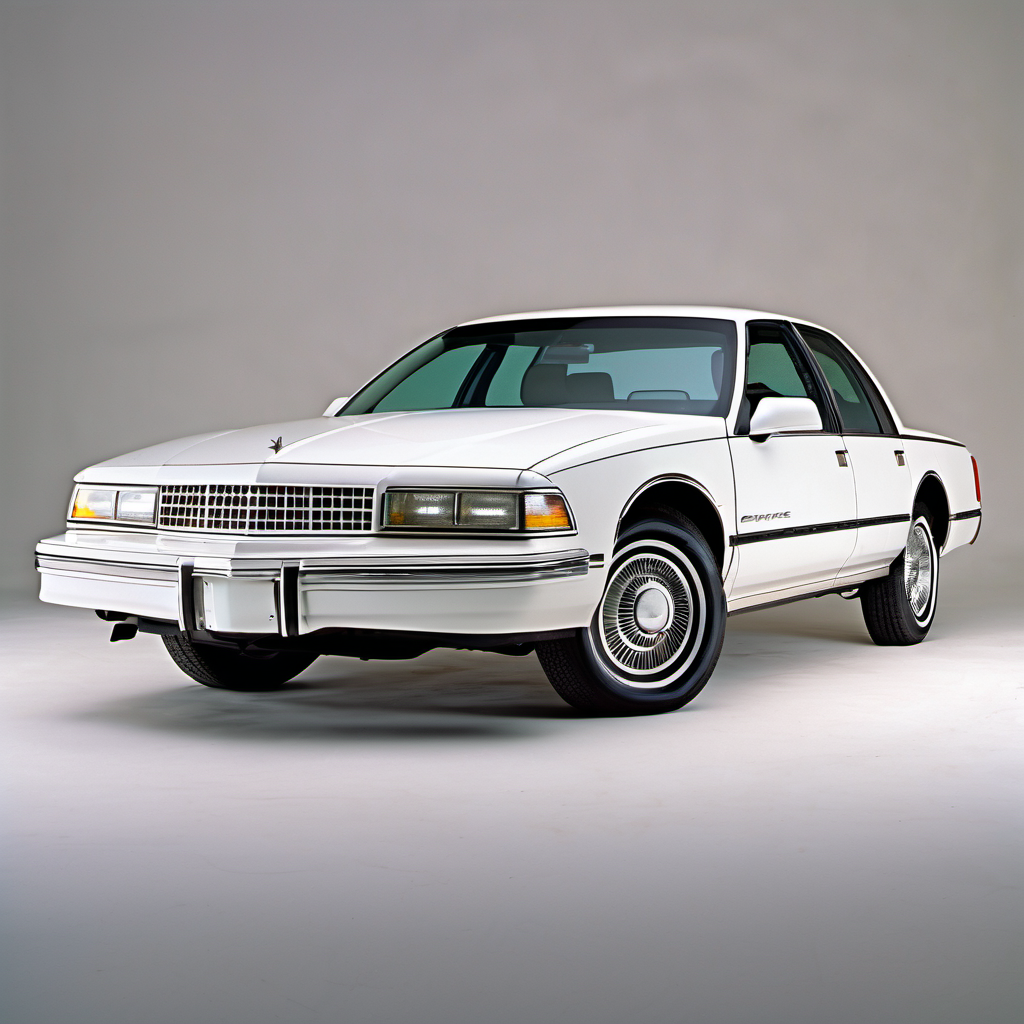
The 1992 Oldsmobile 88 (Royale) is a full-size front-wheel-drive American sedan built on GM's C-body platform, shared with the Buick LeSabre and Pontiac Bonneville. It was squarely aimed at buyers who wanted a comfortable, roomy, no-fuss highway cruiser — and it delivered on that promise. Power came from GM's proven 3800 Series II V6, one of the more reliable pushrod engines of its era. By 1992 the 88 had been thoroughly refined, offering a smooth ride, generous cabin space, and straightforward mechanics that a competent independent shop could work on without proprietary tooling. It wasn't sporty, but it was honest transportation. These cars aged gracefully when maintained, and rust (not mechanical wear) is typically what ends their lives in the upper Midwest. At 30+ years old, any surviving example has aged into classic-driver or light-use territory. Parts are still available but the pool is shrinking. Budget for cosmetic and rubber restoration on top of any mechanical work.

Reliability
3/5
Verified data
Engine
3.8L V6
Drivetrain
FWD
Fuel
Gasoline
MPG
19 city / 28 hwy / 23 combined
Seats
6
Doors
4
Body
Sedan
MSRP
$19,995

Overview

AI-curated

The 1992 Oldsmobile 88 (Royale) is a full-size front-wheel-drive American sedan built on GM's C-body platform, shared with the Buick LeSabre and Pontiac Bonneville. It was squarely aimed at buyers who wanted a comfortable, roomy, no-fuss highway cruiser — and it delivered on that promise. Power came from GM's proven 3800 Series II V6, one of the more reliable pushrod engines of its era. By 1992 the 88 had been thoroughly refined, offering a smooth ride, generous cabin space, and straightforward mechanics that a competent independent shop could work on without proprietary tooling. It wasn't sporty, but it was honest transportation. These cars aged gracefully when maintained, and rust (not mechanical wear) is typically what ends their lives in the upper Midwest. At 30+ years old, any surviving example has aged into classic-driver or light-use territory. Parts are still available but the pool is shrinking. Budget for cosmetic and rubber restoration on top of any mechanical work.

Known for
  • Smooth, floaty highway ride characteristic of C-body GM sedans
  • Durable 3800 V6 engine with long service life when maintained
  • Roomy front-wheel-drive interior with large trunk
  • Simple, mechanic-friendly drivetrain with widely available parts
Best for
  • Retirees or low-mileage drivers seeking comfortable transportation
  • Budget-conscious buyers who do their own basic maintenance
  • Collectors preserving a piece of early-1990s American full-size sedan history
  • Highway commuters who prioritize ride comfort over handling
Watch for
  • Rust on rocker panels, floor pans, and subframe mounts — serious structural concern in Wisconsin
  • Intake manifold gasket leaks (common across 3800 engines of this era)
  • Deteriorated rubber: fuel lines, coolant hoses, suspension bushings all 30+ years old
  • Electrical gremlins from aged wiring insulation and brittle connectors
  • Coolant mixing with oil if the plastic intake manifold gasket has been left to weep

Common issues by mileage

6 known

Intake Manifold Gasket Failure (coolant leak / oil contamination)

high
Typically appears
60–120k mi
Estimated repair
$350 – $650

Transmission TCC Solenoid Shudder / Shift Solenoid Failure (4T60-E)

medium
Typically appears
80–150k mi
Estimated repair
$200 – $500

Cracked or Leaking Coolant Crossover / Throttle Body Coolant Passage

high
Typically appears
Any — age-related
Estimated repair
$150 – $400

Aged Fuel Line and Vapor Hose Deterioration (fire risk)

high
Typically appears
Any 30-year-old example
Estimated repair
$200 – $600

Worn Front Struts and Suspension Bushings

high
Typically appears
80k+ mi / age
Estimated repair
$400 – $900

Body and Subframe Rust (rocker panels, floor pans, subframe mounts)

high
Typically appears
Any Wisconsin/salt-belt example
Estimated repair
$500 – $3,000

Maintenance schedule

  1. 1
    Every 3,000–4,000 miles or 6 months on a 30-year-old engine Engine oil and filter change

    Older engine seals and gaskets benefit from more frequent oil changes. Extended intervals accelerate sludge buildup in a high-mileage 3800.

  2. 2
    Every 2 years; inspect hoses at every oil change Full cooling system flush and hose inspection

    The 3800's plastic intake manifold and coolant crossovers are prone to cracking. Old coolant becomes acidic and eats the gaskets. Fresh coolant is cheap insurance.

  3. 3
    Every 30,000 miles Transmission fluid and filter service

    The 4T60-E is sensitive to dirty fluid. Regular service keeps the TCC solenoid and shift solenoids working cleanly and extends clutch pack life.

  4. 4
    Annually Inspect all fuel lines, vapor hoses, and rubber coolant hoses

    At 30+ years, rubber degrades regardless of mileage. Cracked fuel lines are a fire hazard. Do a thorough under-hood and under-car inspection every season.

  5. 5
    Every 2–3 years Brake fluid flush

    Brake fluid absorbs moisture over time, lowering its boiling point and corroding internal caliper and wheel cylinder components. Old vehicles especially benefit.

  6. 6
    Annually or every 15,000 miles Inspect and lubricate chassis — ball joints, tie rod ends, control arm bushings

    C-body suspension components are 30+ years old. Worn ball joints can cause sudden loss of steering control. Lubrication extends life on greaseable fittings.

  7. 7
    Every fall before Wisconsin winter Battery load test

    Cold cranking demand on a 3.8L V6 is significant. A marginal battery that starts fine in September will fail at -10°F in January.

  8. 8
    Annually — ideally each fall Underbody rust inspection and treatment

    Lake Geneva road salt is this car's biggest enemy. Catching surface rust on subframe mounts, brake lines, and fuel lines early is far cheaper than structural repairs.

Always defer to the manufacturer's service manual for warranty-mandated intervals.

Cost of ownership

Annual maintenance
$600 – $2,000
Fuel
At ~23 mpg combined and typical driving, expect $1,200–$1,800/year in fuel depending on gas prices and mileage driven.
Insurance
Insurance is generally low — typically $600–$1,000/year for a 30-year-old vehicle with an agreed or stated value policy, depending on usage and driving record.

Day-to-day costs are modest — fuel economy is decent for its size, insurance is cheap on an old car, and basic maintenance parts are inexpensive. The wildcard is deferred maintenance: a car this age can surprise you with $1,000–$3,000 in catch-up work (intake gaskets, cooling system, fuel lines, suspension) if it hasn't been well cared for. Budget for a pre-purchase inspection and a rust assessment before committing.
Seasonal care

Lake Geneva, WI
Winter
  • Load-test the battery every October — sub-zero temps will expose any weakness, and this car's 3.8L needs strong cranking in the cold.
  • Switch to 5W-30 full synthetic if not already using it; it flows far better at Wisconsin winter temperatures than conventional oil.
  • Flush and fill washer fluid reservoir with a -20°F or lower rated fluid — Lake Geneva winters regularly hit those temperatures.
  • Inspect rubber brake lines and steel brake lines under the car for rust-through before snow season; road salt accelerates corrosion on 30-year-old lines.
  • Check coolant freeze protection with a tester — ensure the mix is rated to at least -34°F.
  • Apply underbody rust inhibitor or have the undercarriage sprayed before first salt application; at this vehicle's age, any bare metal will rust aggressively.
Summer
  • Inspect the A/C system for refrigerant leaks — this car uses R-134a (converted from R-12 on most examples by now); verify which refrigerant is present before any service.
  • Check tire pressure monthly: summer heat causes pressure to rise roughly 1 PSI per 10°F increase, and over-inflation accelerates center tread wear.
  • Inspect the cooling system thoroughly before hot weather — a marginal thermostat or weak water pump will cause overheating that can destroy the intake manifold gasket and warp the heads.
  • Check the condition of the serpentine belt and tensioner; heat accelerates belt cracking on a 30-year-old vehicle.
  • Clear cabin air vents and check the blower motor resistor — a common failure point that results in only high-speed fan operation.

Comparable vehicles

If you're shopping for one

Red flags
  • Any evidence of rust on the subframe or floor pans — structural rust is often uneconomical to repair on a vehicle of this value.
  • Overheating history (stained coolant reservoir, pitted radiator cap, warped plastic around the coolant crossover) — prior overheating likely damaged the intake gaskets and possibly the heads.
  • Transmission slipping, harsh shifts, or delayed engagement — 4T60-E rebuilds run $1,500–$2,500.
  • Smoke or fuel smell at idle — a 30-year-old fuel system with cracked lines is a fire hazard, not just a repair bill.
  • Mismatched paint, bubbling paint over rockers, or obvious body filler — signs of prior rust repair that may have only been cosmetically addressed.
What to inspect
  • Crawl under and inspect subframe mounting points, rocker panels, and floor pans for rust-through — this is the #1 killer of Wisconsin C-body GMs.
  • Pull the oil dipstick and radiator cap: milky or frothy residue means the intake manifold gasket is already leaking coolant into the oil.
  • Start cold and watch for white smoke from the exhaust — another sign of coolant intrusion into combustion chambers.
  • Check all rubber fuel lines under the hood and along the frame for cracking, brittleness, or seepage.
  • Test all power accessories (windows, locks, mirrors) — electrical connectors and switches are 30+ years old and replacements can be hard to find.
  • Verify which A/C refrigerant is present (R-12 vs. R-134a) — unconverted R-12 systems are expensive to service legally.
  • Inspect brake lines and calipers for rust and leaks; rear drum hardware should be inspected for seized adjusters.
AI profile generated 1 hr ago · claude-sonnet-4-6 · v2.