Intake Manifold Gasket Leak
high- Typically appears
- 80–150k mi
- Estimated repair
- $350 – $650
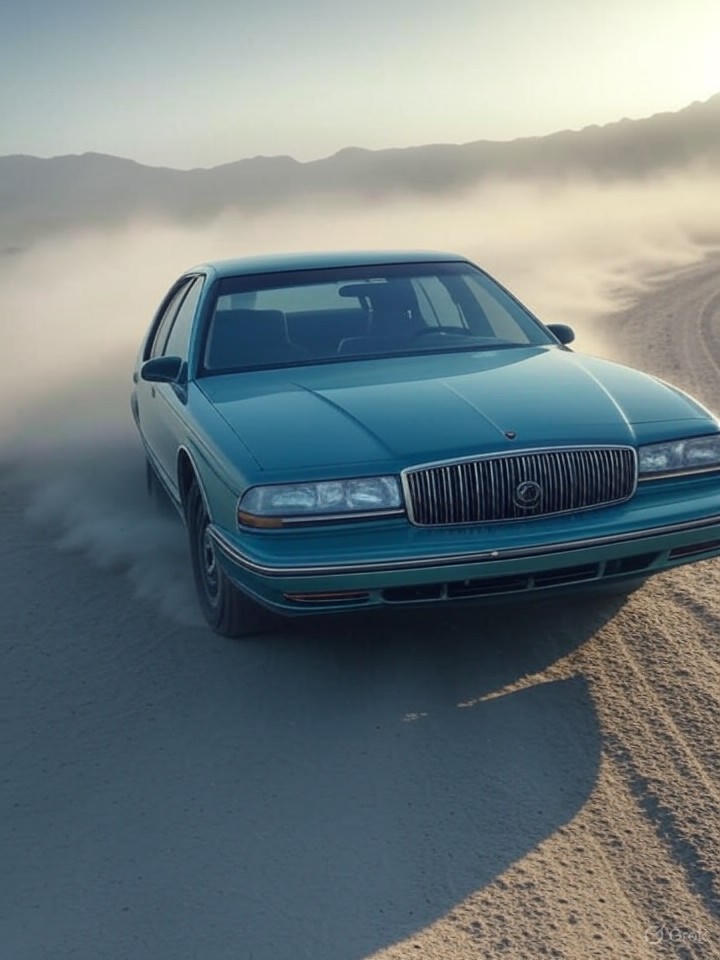
1992 Buick
Sedan
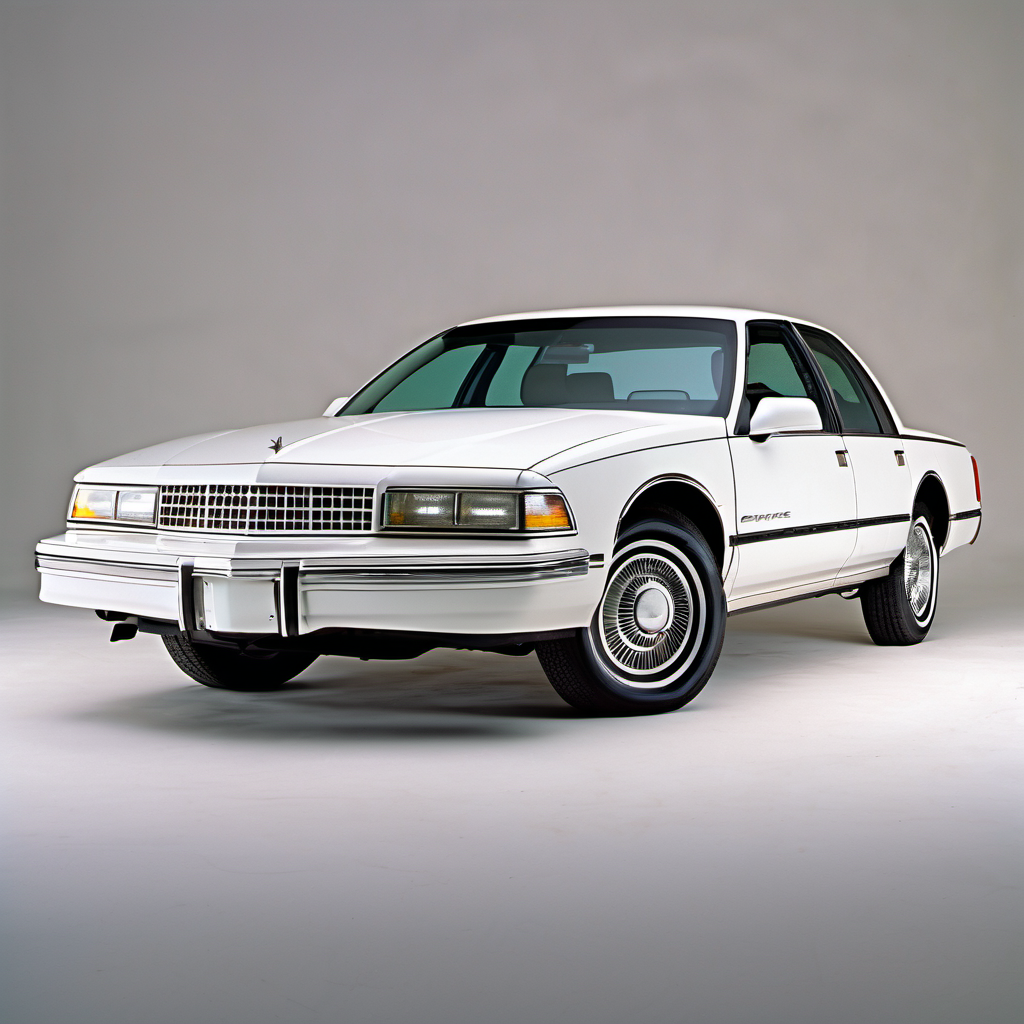
The 1992 Buick LeSabre is a full-size front-wheel-drive sedan built on GM's C-body platform, powered by the venerable 3800 Series I V6 (3.8L). It was aimed squarely at comfort-oriented buyers who wanted a smooth, quiet ride with plenty of interior room — and it delivered on all three counts. By 1992, the LeSabre was one of the best-selling large sedans in America, popular with retirees and families alike who valued low drama and long-haul comfort over sport. The 3800 V6 is one of the most durable engines GM ever built. It's not fancy — no variable valve timing, no direct injection — but it runs reliably with basic maintenance and parts are cheap and plentiful. The 4T60-E automatic transmission paired with it is adequate, though it has some known wear points at higher mileage. At over 30 years old, the biggest threats to a surviving LeSabre are rust (especially in Wisconsin salt country), deteriorating rubber and plastic components, and aging electrical systems rather than any core mechanical failure. A well-kept, rust-free example can still serve as dependable transportation.
The 1992 Buick LeSabre is a full-size front-wheel-drive sedan built on GM's C-body platform, powered by the venerable 3800 Series I V6 (3.8L). It was aimed squarely at comfort-oriented buyers who wanted a smooth, quiet ride with plenty of interior room — and it delivered on all three counts. By 1992, the LeSabre was one of the best-selling large sedans in America, popular with retirees and families alike who valued low drama and long-haul comfort over sport. The 3800 V6 is one of the most durable engines GM ever built. It's not fancy — no variable valve timing, no direct injection — but it runs reliably with basic maintenance and parts are cheap and plentiful. The 4T60-E automatic transmission paired with it is adequate, though it has some known wear points at higher mileage. At over 30 years old, the biggest threats to a surviving LeSabre are rust (especially in Wisconsin salt country), deteriorating rubber and plastic components, and aging electrical systems rather than any core mechanical failure. A well-kept, rust-free example can still serve as dependable transportation.
On a 30+ year old engine, shorter intervals protect against sludge from moisture condensation during short trips. Use a conventional or semi-synthetic 10W-30 as specified.
Plastic coolant fittings and bypass hoses on the 3800 Series I become brittle with age. A surprise coolant failure can destroy the engine quickly. Replace any plastic T-fittings and old rubber hoses proactively.
The 4T60-E's life expectancy drops sharply without regular fluid changes. If the history is unknown, do it immediately — burned dark fluid is a red flag for internal wear.
The 3800 Series I uses a conventional distributor-less ignition with plug wires. Cracked wires cause misfires, especially in cold Wisconsin winters. Wire sets are inexpensive on this engine.
At this age, the belt tensioner spring weakens and the belt itself can crack. A snapped serpentine belt disables the alternator, power steering, and A/C simultaneously.
Moisture-saturated brake fluid lowers the boiling point and accelerates corrosion in the ABS modulator — especially problematic after Wisconsin winters.
An in-line filter this old can restrict fuel flow, causing hard starts and rough idle. Filter replacement is inexpensive and supports reliable cold-weather starts.
Wisconsin road salt is the primary killer of surviving C-body Buicks. Inspect subframe mounting points, floor pans, and fuel/brake lines. Apply undercoating or rust converter to any surface rust before it becomes structural.
Always defer to the manufacturer's service manual for warranty-mandated intervals.
At its current market value (typically $1,500–$4,000 for a solid example), the LeSabre's cost-per-mile can be excellent IF it's rust-free and mechanically sound. The danger is that a car in this price range can have deferred maintenance totaling more than its value. Budget for one or two medium-size repairs per year on a 30+ year old vehicle. The 3800 engine itself is forgiving; rust and transmission are the budget wildcatters.
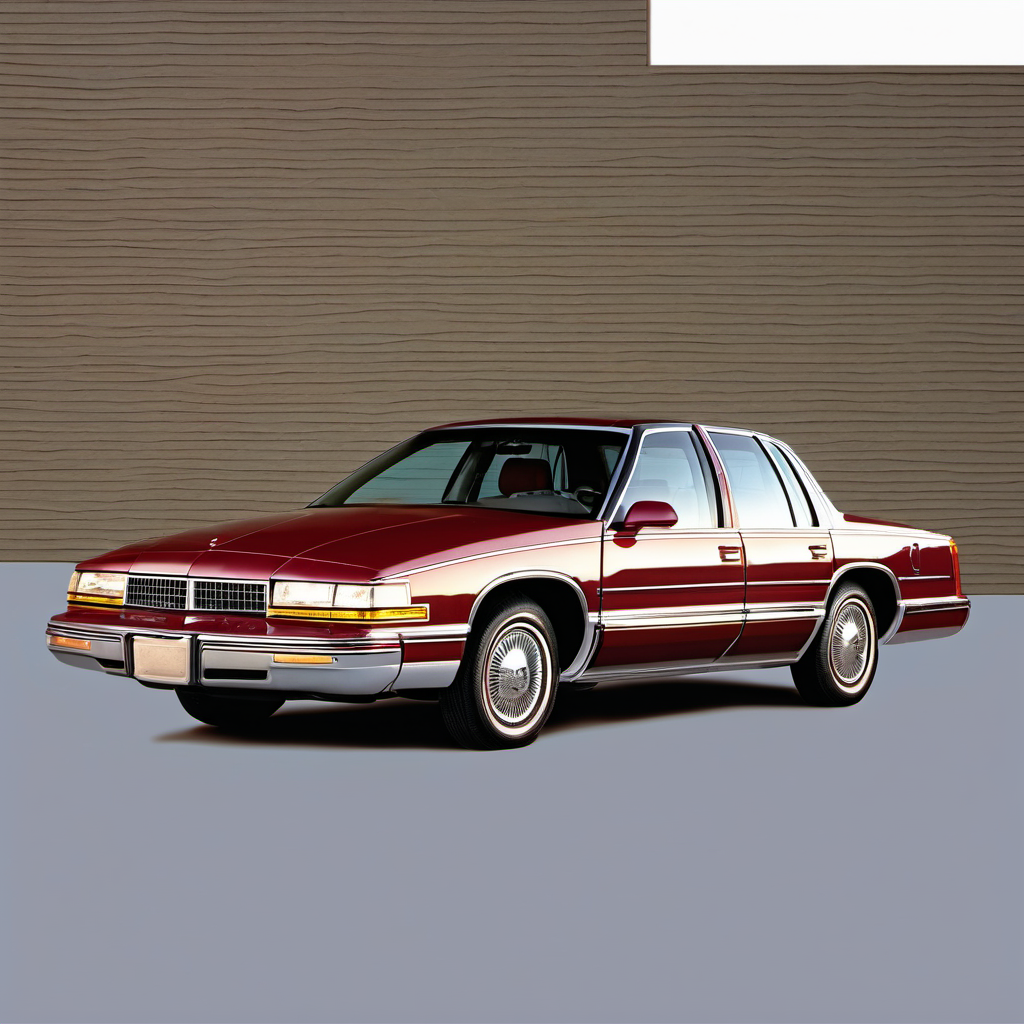
Same GM C-body platform, same 3800 V6, nearly identical mechanicals. Often available at the same price point with comparable parts availability.
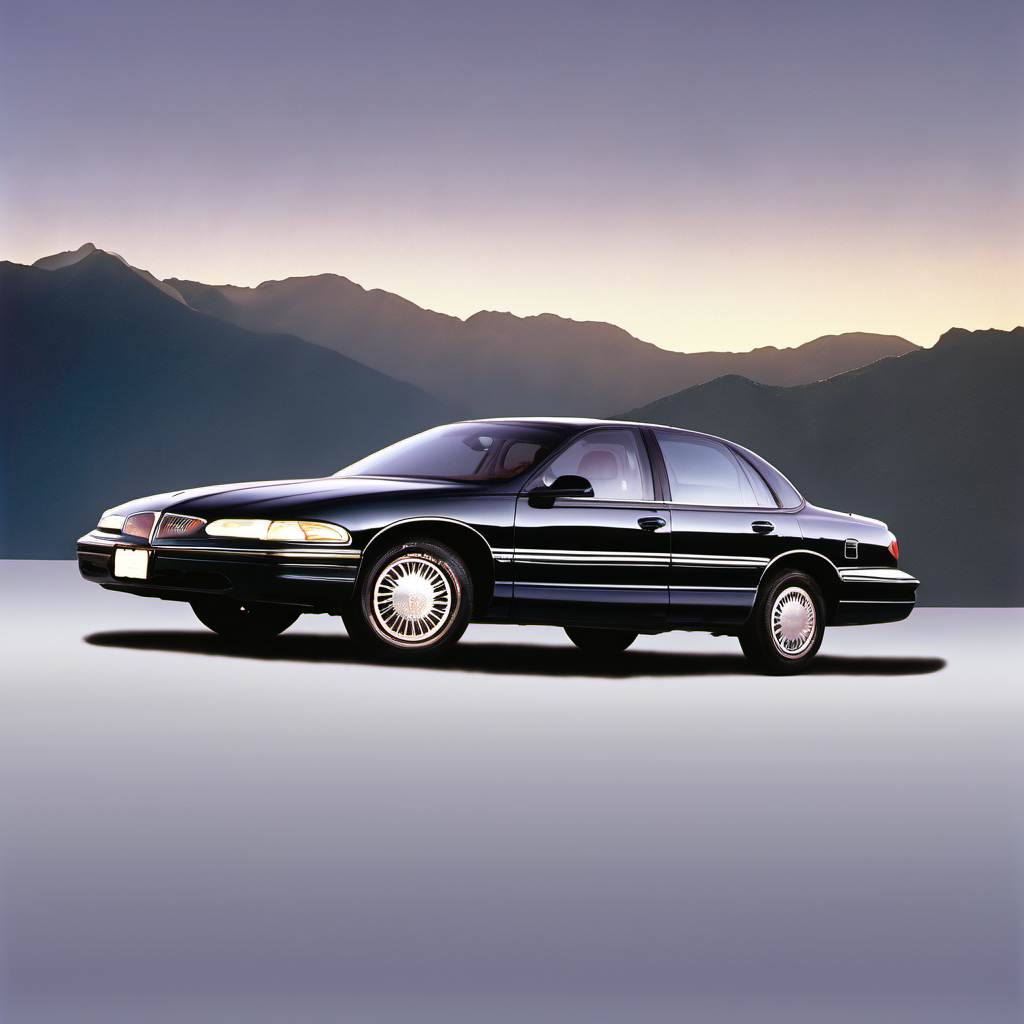
Shares the H-body platform and 3800 V6 family. Slightly sportier character but the same basic drivetrain and many shared parts. Good alternative if the LeSabre is overpriced.
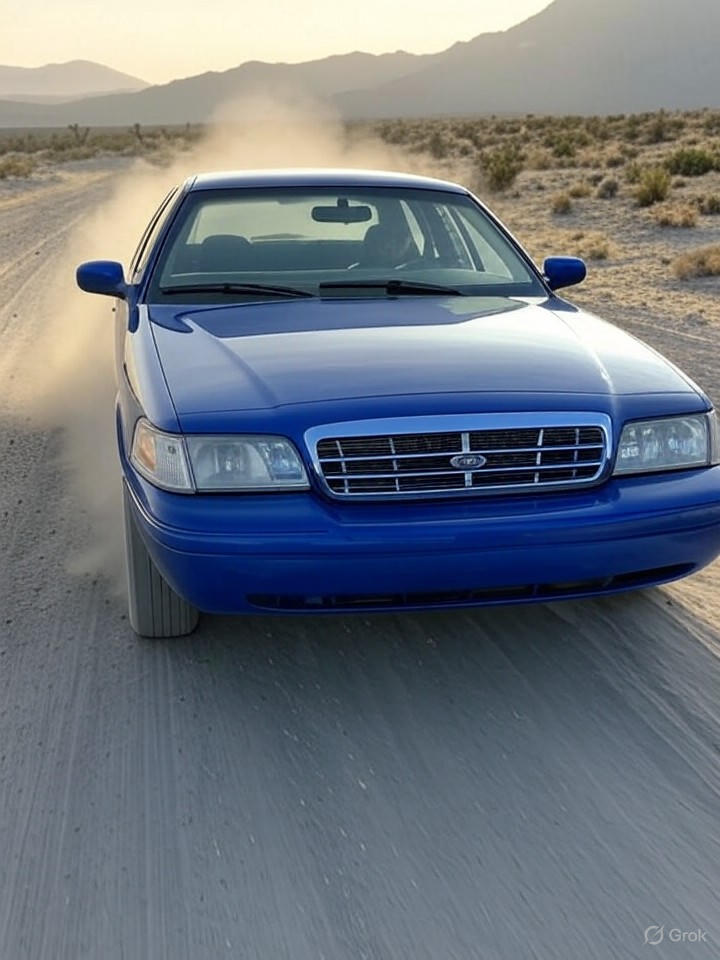
Competing full-size sedan from the same era. RWD instead of FWD, body-on-frame construction makes it more rust-resistant structurally, and parts are equally plentiful.
GM's full-size RWD alternative. Like the Crown Vic, the body-on-frame construction holds up better to Midwest salt. Strong V8 option available. Direct competitor in the value large-sedan segment.