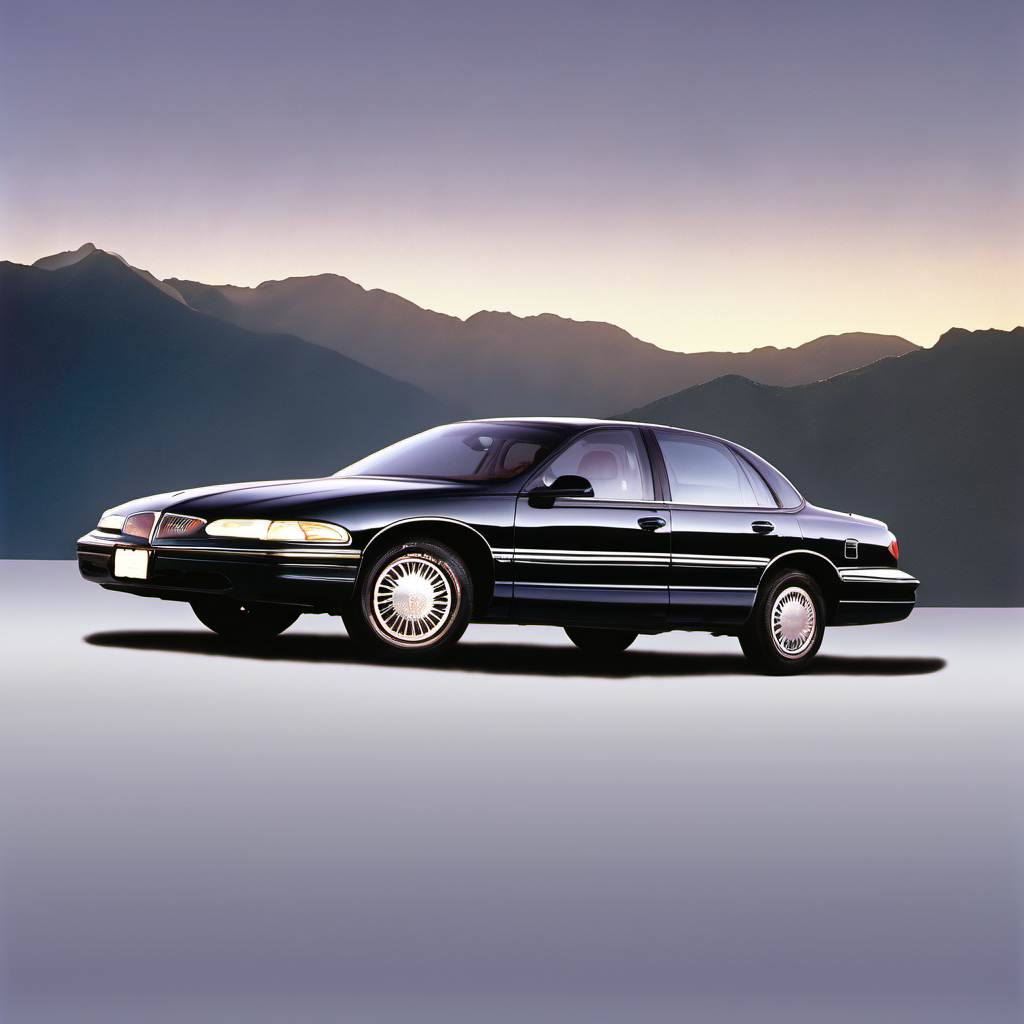
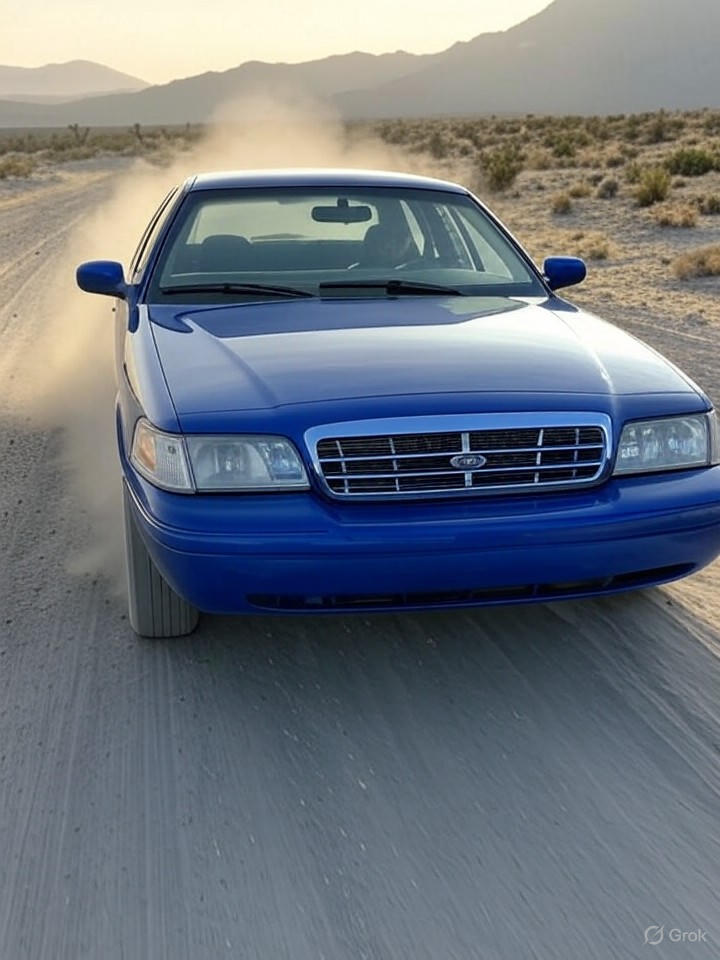
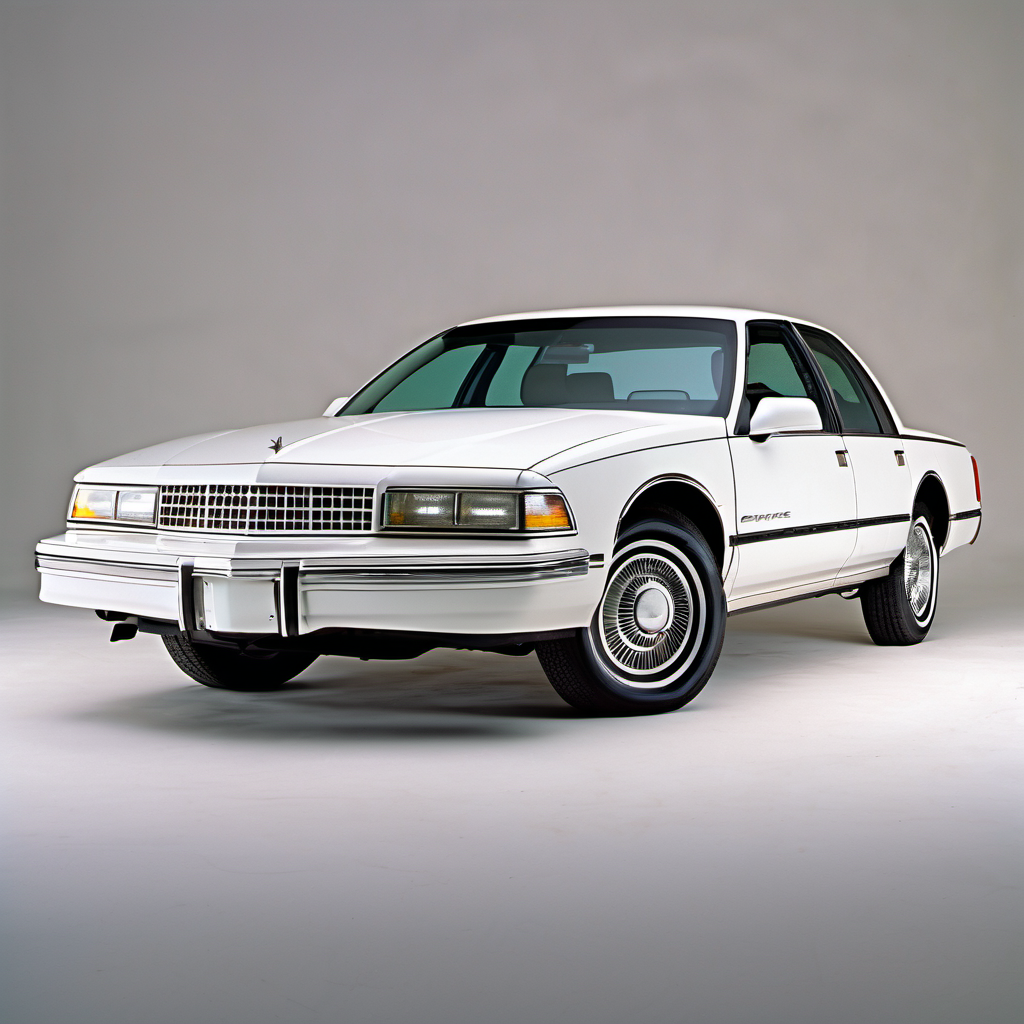
1992 Pontiac Bonneville Sedan

1992 Pontiac

BonnevilleSedan

Sedan

The 1992 Pontiac Bonneville is a front-wheel-drive full-size sedan built on GM's C-body platform. It came in SE and SSE trims, with the base SE carrying the naturally aspirated 3800 V6 and the SSE offering the supercharged version — one of the more exciting powertrains available in an American family sedan of that era. Pontiac marketed it as a sporty alternative to the Buick LeSabre and Oldsmobile 88 that shared its bones, and for the most part it delivered on that promise. By 1992, the Bonneville was in the second year of its fourth-generation run (1992–1999). The body was all-new, clean, and reasonably aerodynamic for the time. Interior room was generous, ride quality was composed, and the supercharged SSE gave genuinely quick acceleration. These are now 30+ year old cars, so condition varies wildly — well-maintained examples still drive well, neglected ones have a long list of age-related issues. If you're looking at one today, it's either a motivated daily-driver find on a tight budget or a hobby/collector car for someone who appreciates early-90s GM. Either way, a thorough pre-purchase inspection is essential given the age.

Reliability
3/5
Verified data
Specs shown for Bonneville — the most common configuration. Other trims may vary in engine, drivetrain, or fuel economy. Sign in to see your vehicle's exact specs.
Engine
[object Object]
Drivetrain
FWD
Fuel
Premium gasoline
MPG
15 city / 23 hwy / 17 combined
Seats
Doors
Body
Large Cars

Overview

AI-curated

The 1992 Pontiac Bonneville is a front-wheel-drive full-size sedan built on GM's C-body platform. It came in SE and SSE trims, with the base SE carrying the naturally aspirated 3800 V6 and the SSE offering the supercharged version — one of the more exciting powertrains available in an American family sedan of that era. Pontiac marketed it as a sporty alternative to the Buick LeSabre and Oldsmobile 88 that shared its bones, and for the most part it delivered on that promise. By 1992, the Bonneville was in the second year of its fourth-generation run (1992–1999). The body was all-new, clean, and reasonably aerodynamic for the time. Interior room was generous, ride quality was composed, and the supercharged SSE gave genuinely quick acceleration. These are now 30+ year old cars, so condition varies wildly — well-maintained examples still drive well, neglected ones have a long list of age-related issues. If you're looking at one today, it's either a motivated daily-driver find on a tight budget or a hobby/collector car for someone who appreciates early-90s GM. Either way, a thorough pre-purchase inspection is essential given the age.

Known for
  • GM's 3800 Series II V6 — one of the most durable engines of its era
  • Supercharged SSE trim with strong mid-range torque
  • Spacious, comfortable full-size sedan interior
  • Smooth highway ride on well-maintained suspension
Best for
  • Budget-conscious buyers who want a large, comfortable sedan
  • GM enthusiasts or early-90s collector car hobbyists
  • Low-mileage highway driving on a maintained example
Watch for
  • Intake manifold coolant crossover leaks (known 3800 weakness)
  • 30+ years of deferred maintenance and rust in Wisconsin
  • Aging plastic and rubber components throughout
  • Supercharger coupler wear on SSE models
  • Electrical gremlins from aged wiring and connectors

Common issues by mileage

6 known

Intake manifold coolant crossover leak

high
Typically appears
60,000–120,000 mi
Estimated repair
$350 – $700

Ignition control module (ICM) failure

high
Typically appears
80,000–150,000 mi
Estimated repair
$150 – $350

Supercharger coupler deterioration (SSE only)

medium
Typically appears
60,000–100,000 mi
Estimated repair
$200 – $450

Crankshaft position sensor failure

medium
Typically appears
70,000–130,000 mi
Estimated repair
$100 – $250

Rear suspension/strut mount wear and subframe rust

high
Typically appears
Any — worsens with age and salt exposure
Estimated repair
$300 – $900

Oxygen sensor failure / fuel trim issues

medium
Typically appears
80,000–150,000 mi
Estimated repair
$80 – $220

Maintenance schedule

  1. 1
    Every 2 years or 30,000 mi — more urgent if coolant is brown or has oily film Coolant system flush and crossover inspection

    The plastic intake manifold coolant crossover is the single most common failure point on the 3800. Keeping the coolant fresh and the system at proper pressure delays failure. Catching a small weep early saves a full repair.

  2. 2
    Every 30,000 mi Spark plugs and plug wires

    Aged plug wires on a 30-year-old car cause misfires and rough idle. The 3800's coil-on-plug predecessor setup is sensitive to wire condition.

  3. 3
    Every 30,000 mi (more often if towing or stop-and-go) Transmission fluid change

    The 4T60-E automatic is durable when fluid is kept clean and at the right level. Neglected fluid is the leading cause of shift complaints and eventual failure.

  4. 4
    Every 30,000 mi PCV valve and hose inspection

    A stuck or restricted PCV valve on the 3800 accelerates oil consumption and can cause oil leaks from pressure buildup.

  5. 5
    Every spring after Wisconsin winter Undercarriage rust inspection

    Road salt attacks the subframe, brake lines, and fuel lines on these cars. Catching rust early — especially on brake lines — is a safety issue, not a cosmetic one.

  6. 6
    Every fall before winter Battery load test

    A battery that seems fine in summer can fail to start the car at -10°F. The 3800 cold-starts hard on a weak battery.

  7. 7
    Every 2–3 years Brake fluid flush

    Hygroscopic brake fluid in a 30-year-old system absorbs moisture, lowering boiling point and accelerating caliper and master cylinder corrosion.

  8. 8
    Every 30,000 mi Fuel filter replacement

    Aging fuel tanks on old cars shed debris. A clogged filter strains the fuel pump — and pump replacements on FWD sedans mean dropping the tank.

Always defer to the manufacturer's service manual for warranty-mandated intervals.

Cost of ownership

Annual maintenance
$600 – $1,800
Fuel
Rated for premium but many owners use regular — expect 15–17 MPG in mixed Wisconsin driving with the 3.8L. Fuel costs are moderate given the large engine and older fuel system efficiency.
Insurance
Liability-only on most examples given age and value; full coverage is rarely cost-effective. Expect modest premiums — typically $500–$900/year for standard liability in Wisconsin.

A well-maintained example can be inexpensive to run year to year if you avoid the big-ticket surprises (intake manifold, transmission, subframe rust). Budget on the higher end if the car is coming out of storage or has unknown history. Parts availability is still decent through GM suppliers and salvage yards, keeping costs lower than comparable European or import sedans of this age.
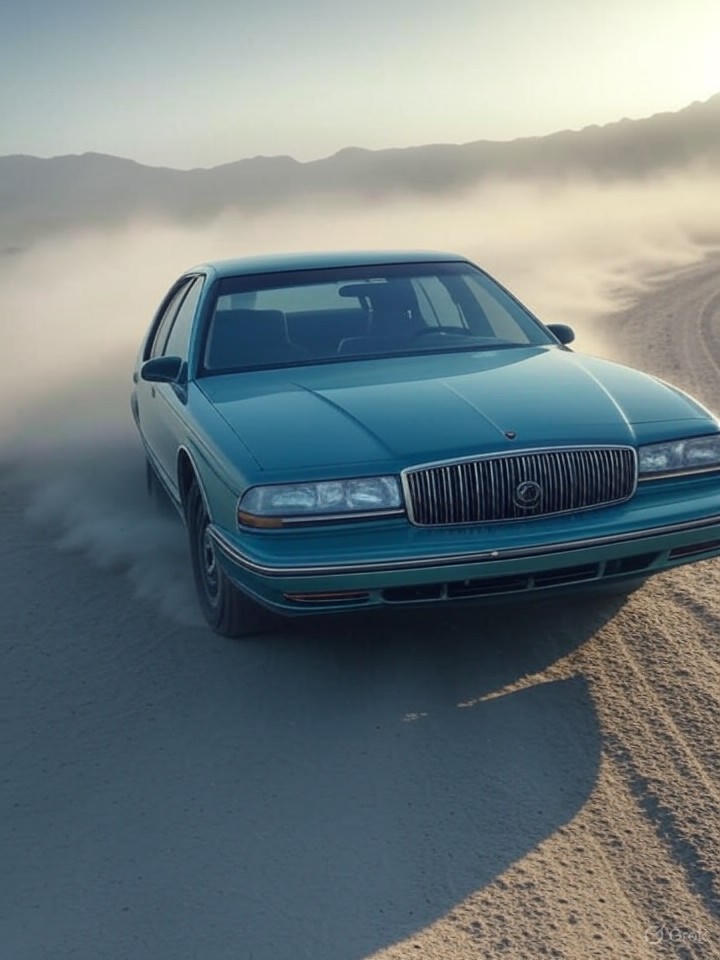
Seasonal care

Lake Geneva, WI
Winter
  • Load-test the battery every October — cold cranking amps drop fast at sub-zero temps and the 3800 needs all the help it can get on a -10°F morning.
  • Switch to a full-synthetic 5W-30 if still on conventional oil to improve cold-start lubrication.
  • Flush washer fluid reservoir and top off with a fluid rated to at least -40°F — Lake Geneva winters will freeze anything less.
  • Inspect rubber brake hoses and hard lines for salt corrosion before first snowfall; a compromised brake line can fail suddenly on a wet or icy road.
  • Check antifreeze concentration — should protect to at least -34°F. A 30-year-old cooling system may have diluted or degraded coolant.
  • Keep the gas tank at least half full to reduce moisture condensation in the tank and add weight over the front-drive axles.
Summer
  • Check tire pressure after the first hot week — pressure rises roughly 1 PSI per 10°F, and an already over-inflated tire wears unevenly and grips poorly.
  • Inspect the A/C system for refrigerant leaks and compressor clutch engagement; the condenser on this vintage car is prone to debris clogging and reduced airflow.
  • Watch coolant temperature closely in heavy traffic — the 3800's intake manifold crossover is more likely to weep when the system runs hot.
  • Inspect serpentine belt and tensioner — heat accelerates rubber degradation and a snapped belt leaves you stranded.

Comparable vehicles

If you're shopping for one

Red flags
  • Any evidence of coolant in the oil (milky dipstick) or oil in the coolant overflow — walk away unless price reflects a full engine rebuild
  • Rust-perforated brake lines or fuel lines — these are not patch jobs, they require full replacement
  • Slipping or flaring transmission — 4T60-E rebuilds start at $1,200 at an independent shop
  • Missing or illegible VIN on door jamb or dash — suggests a salvage title or worse
  • Strong oil burning smoke on cold start that persists — worn rings or valve seals on a 30-year-old engine with no receipts
What to inspect
  • Coolant condition and color — brown or oily coolant signals intake crossover leak already in progress
  • Undercarriage and subframe for rust perforation, especially around front subframe mounting points and rear wheel wells
  • Brake hard lines along the frame rails — salt rot on these is a safety emergency
  • Transmission fluid condition and shift quality through all gears including overdrive
  • Supercharger belt and coupler condition if SSE — a worn coupler makes a howling noise at acceleration
  • All dash warning lights functioning at key-on (a pulled bulb hides stored trouble codes on older OBD-I systems)
  • Heater core function — replacement requires significant dash disassembly on this platform
AI profile generated 1 hr ago · claude-sonnet-4-6 · v2.