Deteriorated vacuum lines and hard plastic hose connectors
high- Typically appears
- All mileages on 30+ year old cars
- Estimated repair
- $150 – $600
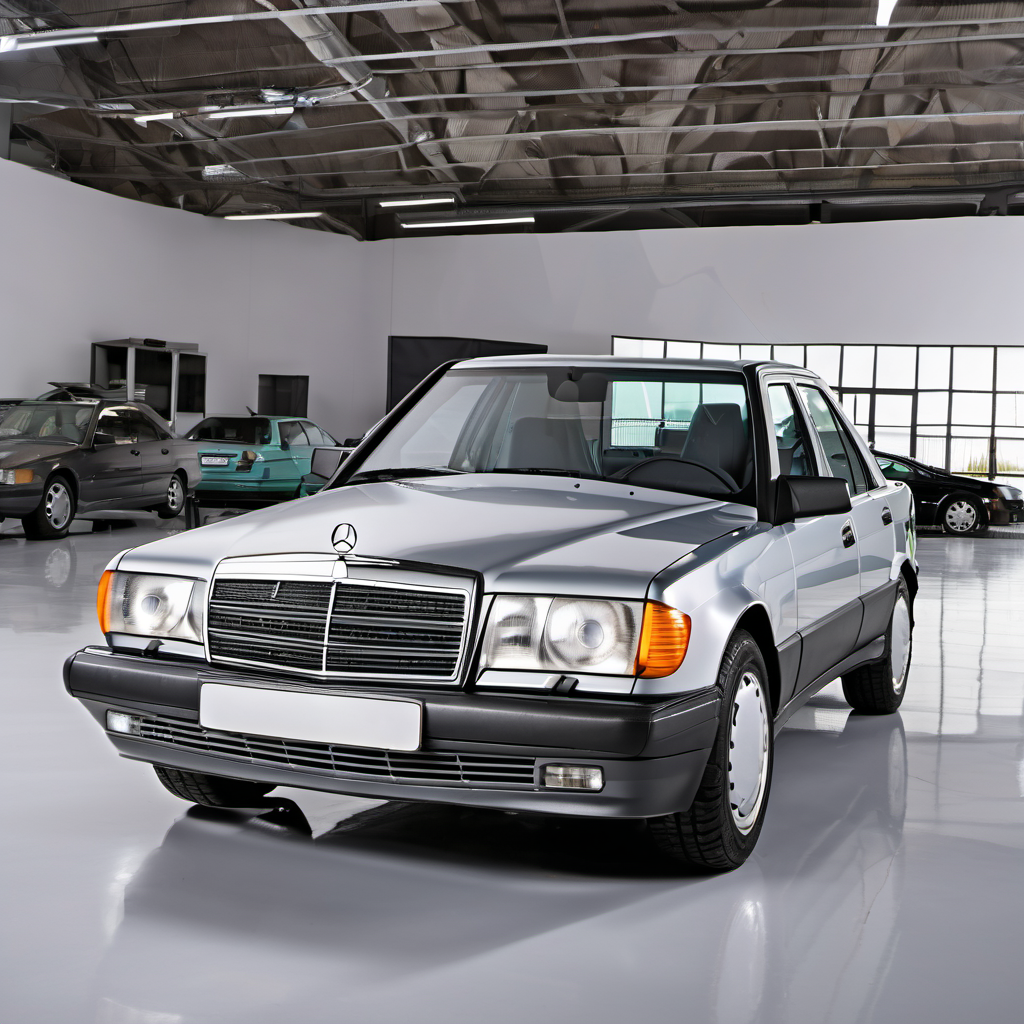
1992 Mercedes-Benz
2.3L I4 · Sedan
The 1992 Mercedes-Benz 190 E (W201) is the final model year of Mercedes' compact rear-wheel-drive sedan, a platform that ran from 1982 to 1993. Built in Stuttgart to the engineering standards that defined Mercedes' reputation in the 1980s, the 190 E was the entry point into the Mercedes lineup — smaller and lighter than the W124 E-Class but sharing much of the same overbuilt DNA. By 1992 it came with either a 2.3L or 2.6L inline-4/6 engine paired to a 4-speed automatic, and it drove with a composed, old-school German solidity that still holds up on the road today. At over 30 years old, any surviving 190 E is now a classic. The platform was engineered with heavy-gauge steel, high-quality interior materials, and overspec'd mechanical components that age slowly when maintained. That said, age and deferred maintenance are the real enemies here — rubber, electronics, and the fuel system all degrade with time regardless of mileage. For a Lake Geneva buyer, this car is a fair-weather and enthusiast proposition. Wisconsin road salt is brutal on the W201's steel body and undercarriage, and parts availability, while not impossible, requires patience and often a specialist. Buy it in good condition or budget generously for sorting.
The 1992 Mercedes-Benz 190 E (W201) is the final model year of Mercedes' compact rear-wheel-drive sedan, a platform that ran from 1982 to 1993. Built in Stuttgart to the engineering standards that defined Mercedes' reputation in the 1980s, the 190 E was the entry point into the Mercedes lineup — smaller and lighter than the W124 E-Class but sharing much of the same overbuilt DNA. By 1992 it came with either a 2.3L or 2.6L inline-4/6 engine paired to a 4-speed automatic, and it drove with a composed, old-school German solidity that still holds up on the road today. At over 30 years old, any surviving 190 E is now a classic. The platform was engineered with heavy-gauge steel, high-quality interior materials, and overspec'd mechanical components that age slowly when maintained. That said, age and deferred maintenance are the real enemies here — rubber, electronics, and the fuel system all degrade with time regardless of mileage. For a Lake Geneva buyer, this car is a fair-weather and enthusiast proposition. Wisconsin road salt is brutal on the W201's steel body and undercarriage, and parts availability, while not impossible, requires patience and often a specialist. Buy it in good condition or budget generously for sorting.
This engine predates extended-drain oils. Frequent changes are cheap insurance on a 30-year-old motor. Use a quality 10W-40 conventional or synthetic blend.
Rubber from the early 1990s is almost certainly cracked or brittle. Failed vacuum lines cause rough idle, poor fuel economy, and hard starts. This is the first thing to address on a newly acquired car.
Old coolant turns acidic and attacks the aluminum water pump and radiator. A burst hose in a Wisconsin winter is a tow call.
The Bosch ignition system is durable but ignition wires age and crack. Fresh plugs and wires improve cold-start reliability significantly in sub-zero temps.
The 4-speed Mercedes automatic is robust, but old fluid breaks down and accelerates wear on these aging units. Fresh ATF is cheap compared to a transmission overhaul.
Worn subframe bushings cause vague steering and clunking. At this vehicle's age, most original rubber is past service life regardless of mileage.
Lake Geneva road salt is extremely aggressive. Inspect rockers, floor pan seams, and subframe mounting points. Apply rubberized undercoating or fluid film to clean bare metal before the first snow.
Cold cranking a 2.3L four in sub-zero Wisconsin temps demands a strong battery. A 30-year-old car's charging system should also be verified — the alternator brushes wear and output degrades.
Always defer to the manufacturer's service manual for warranty-mandated intervals.
A healthy, well-sorted 190 E is not an expensive car to operate day-to-day — fuel and basic maintenance are modest. The wild card is deferred maintenance catch-up: if the car hasn't been properly cared for, a first-year sorting bill of $2,000–$5,000 is realistic. Budget generously upfront, buy the best example you can find, and ongoing costs normalize. Parts are still available through Mercedes dealers, independents, and specialty suppliers, but costs are higher per item than equivalent Japanese cars of the same era.
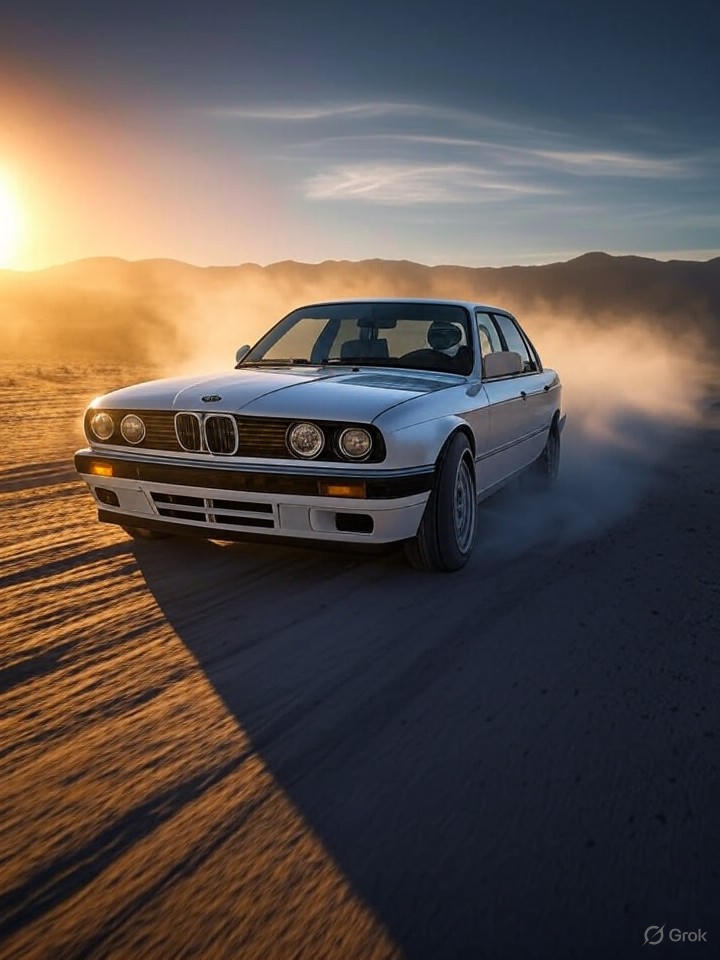
Direct era and segment competitor — rear-wheel drive, compact German sport sedan, similar pricing when new, and a similarly devoted enthusiast following today. The E36 has better parts availability but comparable age-related maintenance needs.
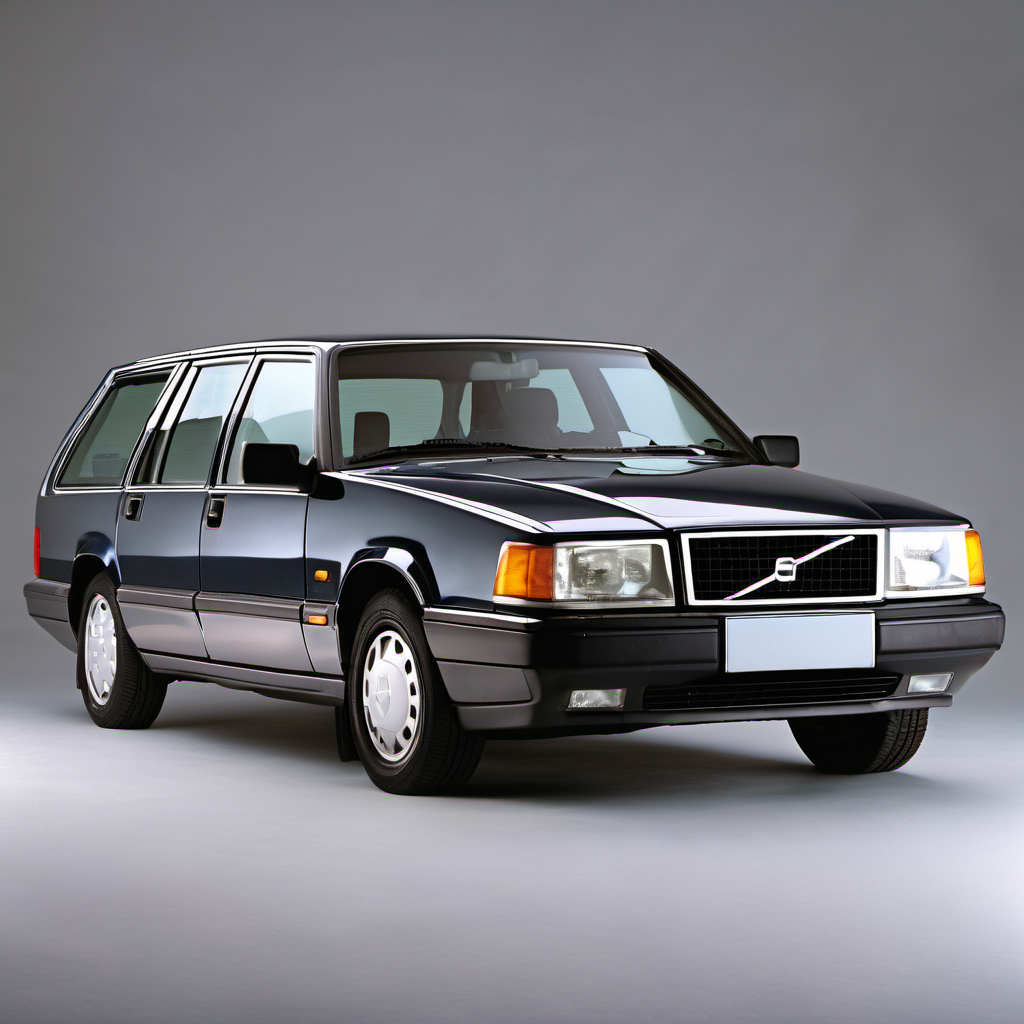
Also a late-era overbuilt European sedan from the same generation. Similar durability reputation, RWD, and classic appeal. Parts are generally easier to find and cheaper than Mercedes. Better rust resistance on most examples.
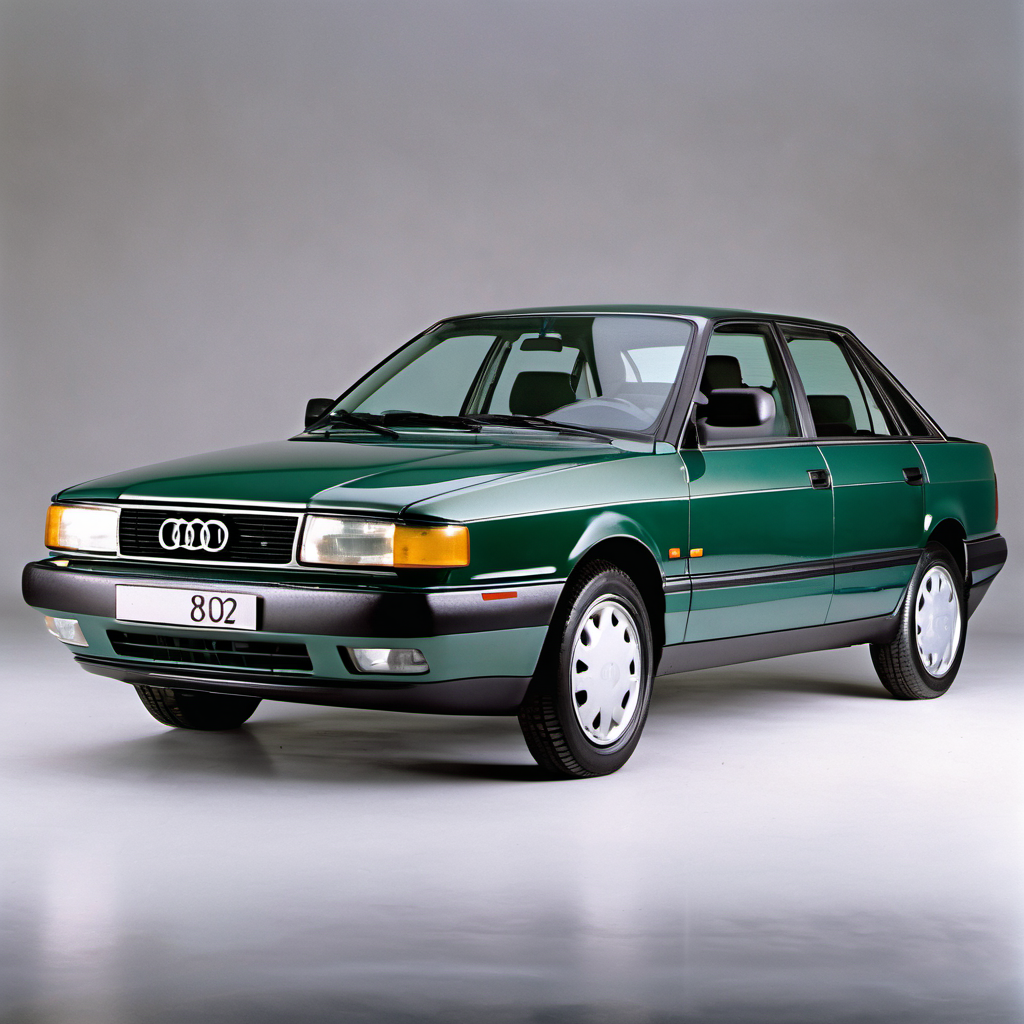
Same compact European luxury segment and model year. The Audi 80 offers FWD/Quattro options and a similar refined feel, though electrical aging and parts sourcing are comparably challenging.
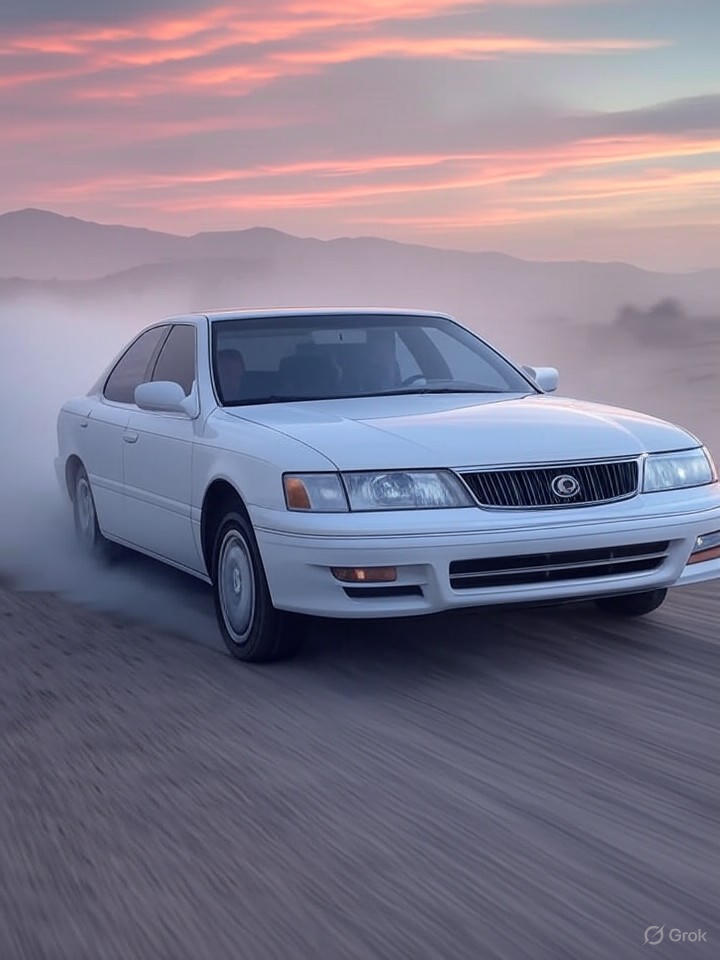
If classic German character isn't the priority, the ES 300 offers a similar compact luxury sedan experience with dramatically better parts availability, lower maintenance costs, and higher overall reliability for a 30-year-old car.