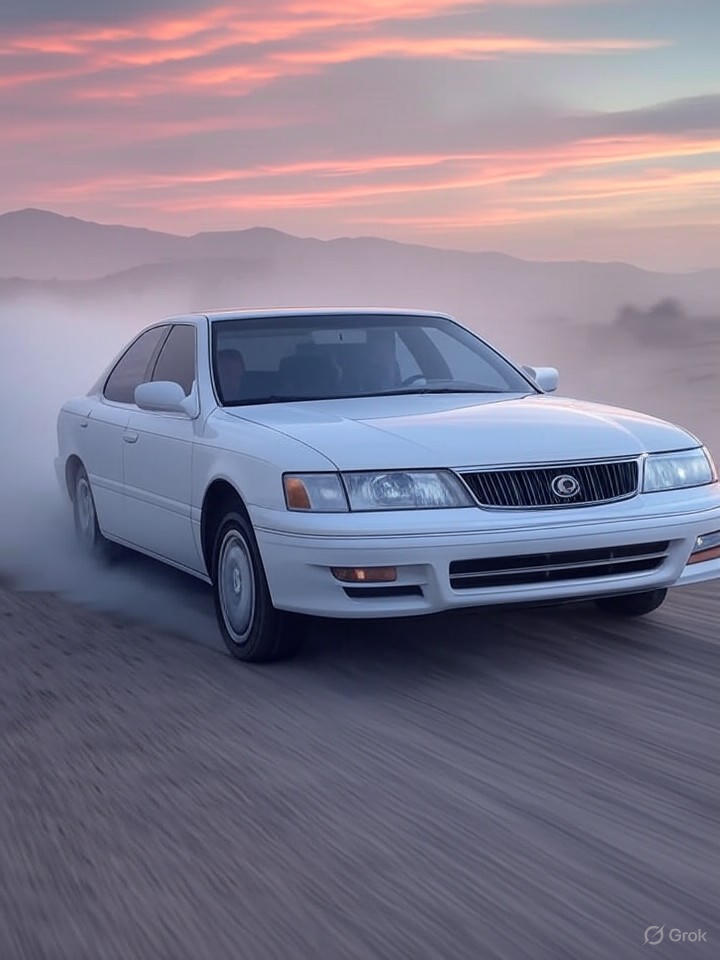
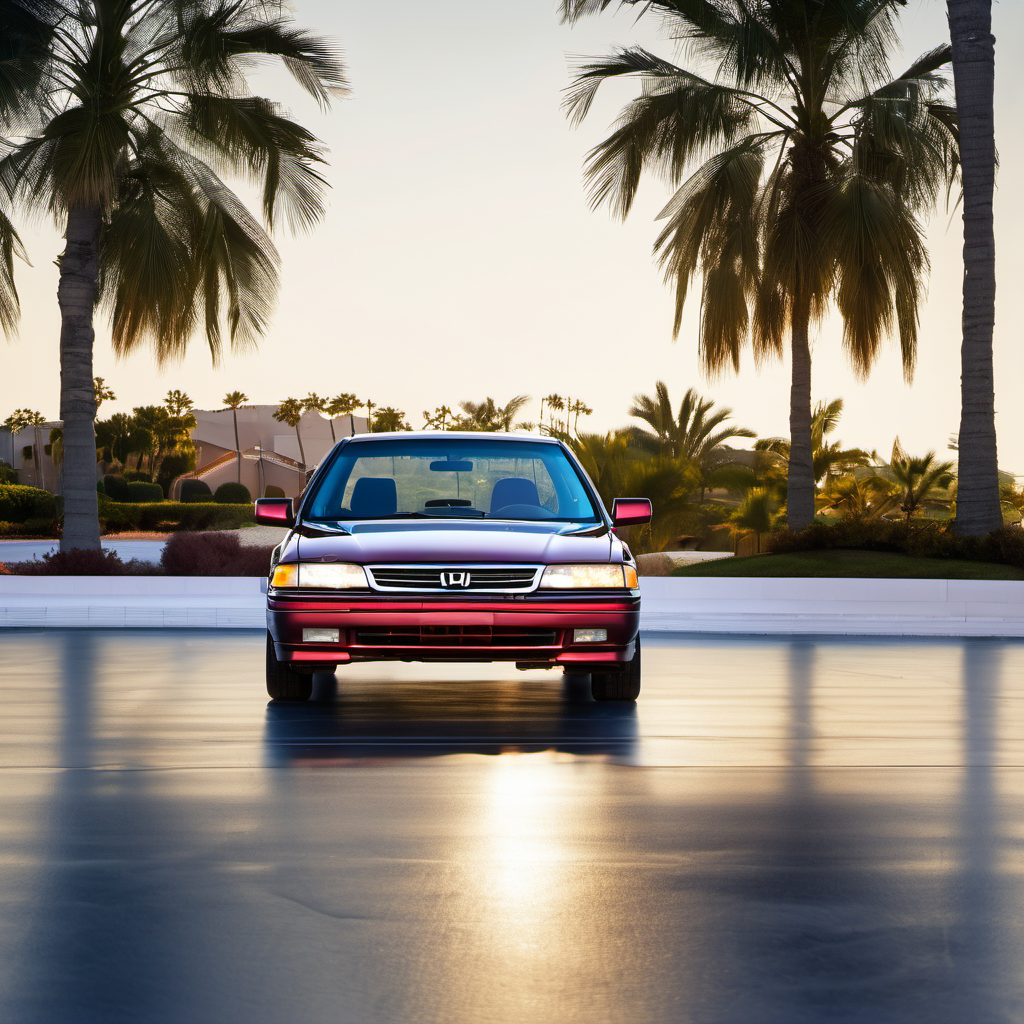
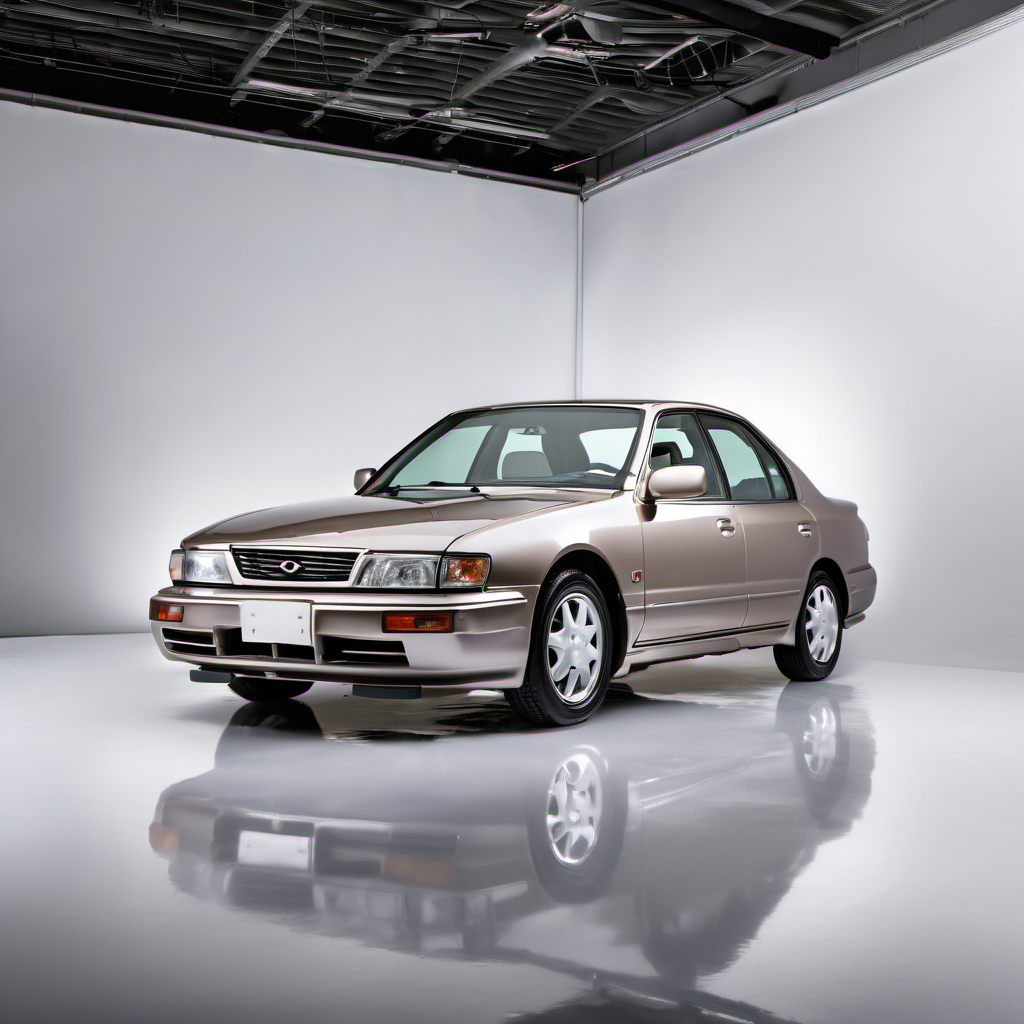
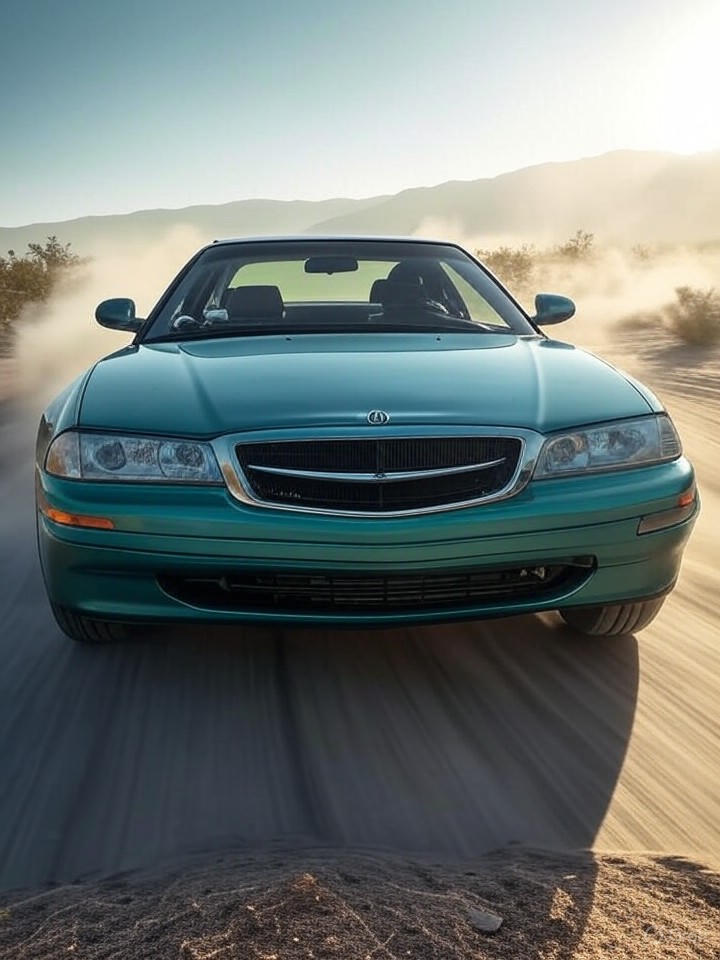
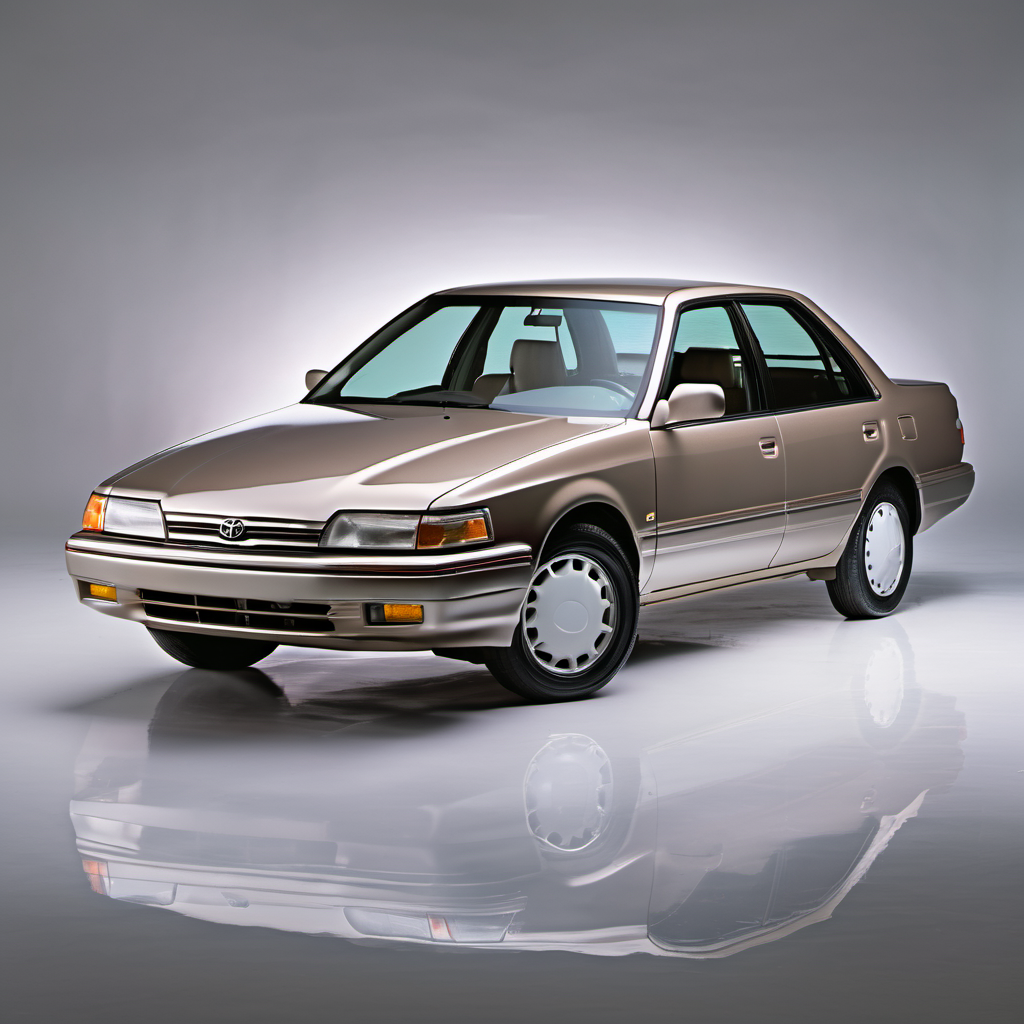
1992 Lexus ES Sedan

1992 Lexus

ESSedan

Sedan

The 1992 Lexus ES 300 is a front-wheel-drive luxury sedan built on the same platform as the Toyota Camry V6, but wrapped in a quieter, more refined package. It was one of Lexus's entry points into the luxury market and carried a 3.0L V6 borrowed from Toyota's proven 3VZ-FE family, paired with a 4-speed automatic. At launch, it offered a compelling alternative to European entry-luxury sedans at a lower price with better reliability. By 1992 this was only the second generation of the ES line, and Lexus was still proving itself. The platform sharing with Camry means parts are generally affordable and widely available, and the mechanicals are well understood by independent shops. It's a comfortable, smooth-riding commuter that doesn't ask for much as long as basic maintenance is kept up. At 30+ years old, any surviving example is now a high-mileage classic and should be evaluated accordingly. Rust from Wisconsin salt exposure is the single biggest threat to these cars at this age. A mechanically sound, rust-free example can still be a reliable daily driver, but deferred maintenance on a 30-year-old car tends to compound quickly.

Reliability
3/5
Verified data
Specs shown for ES 300 — the most common configuration. Other trims may vary in engine, drivetrain, or fuel economy. Sign in to see your vehicle's exact specs.
Engine
[object Object]
Drivetrain
FWD
Fuel
Gasoline
MPG
15 city / 22 hwy / 18 combined
Seats
Doors
Body
Compact Cars

Overview

AI-curated

The 1992 Lexus ES 300 is a front-wheel-drive luxury sedan built on the same platform as the Toyota Camry V6, but wrapped in a quieter, more refined package. It was one of Lexus's entry points into the luxury market and carried a 3.0L V6 borrowed from Toyota's proven 3VZ-FE family, paired with a 4-speed automatic. At launch, it offered a compelling alternative to European entry-luxury sedans at a lower price with better reliability. By 1992 this was only the second generation of the ES line, and Lexus was still proving itself. The platform sharing with Camry means parts are generally affordable and widely available, and the mechanicals are well understood by independent shops. It's a comfortable, smooth-riding commuter that doesn't ask for much as long as basic maintenance is kept up. At 30+ years old, any surviving example is now a high-mileage classic and should be evaluated accordingly. Rust from Wisconsin salt exposure is the single biggest threat to these cars at this age. A mechanically sound, rust-free example can still be a reliable daily driver, but deferred maintenance on a 30-year-old car tends to compound quickly.

Known for
  • Smooth, quiet V6 with a Toyota-reliability pedigree
  • Comfortable, well-isolated ride quality
  • Affordable Camry-shared mechanical parts
  • Understated interior with good ergonomics for its era
Best for
  • Budget-conscious luxury sedan buyers
  • Owners who do their own light maintenance
  • Low-stress urban and highway commuting
  • Classic/collector daily driver enthusiasts
Watch for
  • Severe undercarriage rust on cars with Wisconsin/salt-belt history
  • Age-related rubber degradation — hoses, belts, seals, bushings
  • Timing belt neglect (interference engine — failure is catastrophic)
  • Aged automatic transmission fluid leading to shift problems
  • Electrical gremlins from 30+ years of connector corrosion

Common issues by mileage

6 known

Timing Belt Failure

high
Typically appears
Any mileage if service history is unknown
Estimated repair
$400 – $700

Cooling System Degradation (Hoses, Thermostat, Water Pump)

high
Typically appears
100k+ mi or 15+ years
Estimated repair
$300 – $800

Automatic Transmission Slipping / Delayed Engagement

medium
Typically appears
100k–200k mi
Estimated repair
$200 – $2,500

Suspension Bushing and Ball Joint Wear

high
Typically appears
100k+ mi
Estimated repair
$300 – $900

Undercarriage and Subframe Rust (Salt-Belt Specific)

high
Typically appears
Any — age-driven
Estimated repair
$500 – $3,000

Maintenance schedule

  1. 1
    Every 60k mi or immediately if history unknown Replace timing belt, water pump, and all drive belts as a set

    The 3VZ-FE is an interference engine — a snapped timing belt destroys the engine. On a 30-year-old car, assume it's overdue unless you have paperwork.

  2. 2
    Every 30k mi or every 2 years Flush and refill automatic transmission fluid

    Fluid this old turns acidic and attacks clutch material. Many shift problems on high-mileage examples trace back to decades of neglected ATF.

  3. 3
    Every 30k mi or every 3 years Flush cooling system and inspect all hoses and clamps

    Original rubber hoses on a 30-year-old car are past service life. A burst hose in a Wisconsin winter can cause rapid overheating and head gasket damage.

  4. 4
    Every 30k mi Inspect and lubricate all suspension and steering joints

    Dry bushings and worn ball joints are common at this age and worsen quickly in freeze-thaw cycles with road salt.

  5. 5
    Every year — before winter Spray undercarriage with rust inhibitor; inspect brake lines and fuel lines for corrosion

    Wisconsin road salt is the primary killer of these cars. Brake and fuel line rust is a safety issue and can be very expensive to repair once perforated.

  6. 6
    Every 2 years Replace battery

    Sub-zero Lake Geneva winters are hard on aging batteries. A 30-year-old car's charging system should be tested at every oil change.

  7. 7
    Every oil change Inspect engine for oil leaks at valve cover gaskets and rear main seal

    Age-hardened gaskets on the 3VZ-FE commonly seep oil. Catching leaks early prevents more expensive damage.

  8. 8
    Every 15k mi or annually Replace spark plugs and inspect wires and distributor cap

    30-year-old ignition components degrade in storage even without use. Misfires and hard cold starts are common symptoms on neglected examples.

Always defer to the manufacturer's service manual for warranty-mandated intervals.

Cost of ownership

Annual maintenance
$700 – $2,000
Fuel
At roughly 18 mpg combined and Wisconsin driving, expect $1,500–$2,200/year at current mid-grade fuel prices. The 3VZ-FE recommends 87 octane.
Insurance
Typically low — older vehicle with low market value. Expect $600–$1,100/year for full coverage depending on driver profile, though liability-only is common at this age.

Day-to-day costs are modest if the car is already in good shape. The risk on a 30-year-old example is a single large repair — timing belt failure, transmission rebuild, or rust remediation — that can easily exceed the car's market value. Budget for a thorough inspection before purchase and a parts reserve fund of $1,000–$2,000.
Seasonal care

Lake Geneva, WI
Winter
  • Test battery load capacity before November — cold cranking amps drop sharply below 20°F and this car's charging system is 30 years old
  • Switch to full-synthetic 5W-30 if still running conventional oil — thinner cold viscosity helps cold starts and protects the 3VZ-FE until the engine warms
  • Fill washer fluid reservoir with a rated -30°F or colder formula; the original reservoir and lines can crack if water-based fluid freezes
  • Inspect wiper blades and replace with winter-style blades to handle heavy Wisconsin snowfall
  • Flush brake system if fluid hasn't been changed recently — moisture-laden fluid has a lower boiling point and can absorb road salt contamination at caliper seals
  • After every salt exposure, rinse undercarriage when temps are above freezing — salt sitting on 30-year-old steel accelerates rust rapidly
Summer
  • Inspect A/C system for refrigerant leaks and test compressor clutch engagement — R-134a retrofits on these cars can develop slow leaks at aged O-rings
  • Check coolant level and concentration weekly during heat waves — a 30-year-old cooling system with any weakness will show it in July
  • Inspect tire pressure monthly; tires gain roughly 1 PSI for every 10°F rise in temperature and can become overinflated in summer heat
  • Check under-hood rubber (vacuum hoses, fuel lines) for heat cracking — engine bay temps on a parked car in summer can exceed 150°F

Comparable vehicles

If you're shopping for one

Red flags
  • Any visible rust holes in the floor, rocker panels, or subframe mounting points — structural rust makes the car unsafe and uneconomical to repair
  • No maintenance records whatsoever on a 30+ year old car
  • Transmission shudder, slipping, or refusal to engage from a cold start
  • Overheating history indicated by a stained or milky coolant reservoir (head gasket contamination)
  • Aftermarket engine or transmission that doesn't match the original spec — indicates a serious prior failure
What to inspect
  • Put the car on a lift and inspect every inch of the subframe, floor pans, brake lines, and fuel lines for rust perforation — Wisconsin cars are high-risk
  • Ask for timing belt service records; if none exist, price a belt/water pump/tensioner service into your offer
  • Check transmission shift quality cold and at operating temperature — slipping or hunting between gears signals worn clutch packs
  • Inspect all coolant hoses by squeezing them; soft or spongy hoses are past due and should be replaced before a failure
  • Look for oil seepage at valve covers, timing cover, and rear main seal — minor seeping is common but heavy leaks indicate deferred maintenance
  • Start the engine cold from ambient temperature and listen for valve train noise before oil pressure builds — indicates oil starvation history
AI profile generated 4 days ago · claude-sonnet-4-6 · v2.