Cooling system failure (hoses, thermostat, water pump)
high- Typically appears
- Any mileage — age-driven
- Estimated repair
- $400 – $900
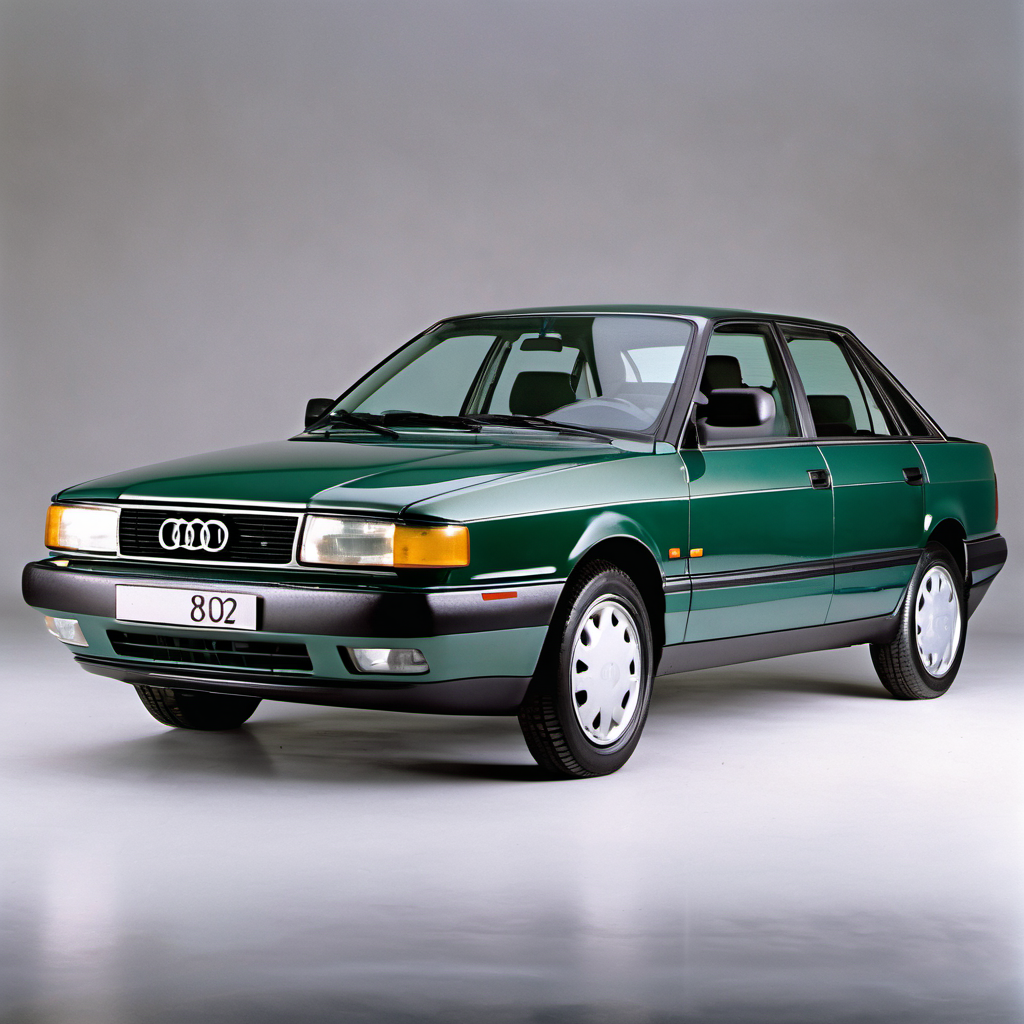
1992 Audi
2.0L I4 · Sedan
The 1992 Audi 80 is a compact European sedan that occupied the entry-level slot in Audi's lineup during the early 1990s. Built on the B4 platform — the final generation of the Audi 80 nameplate — it offered a well-balanced, driver-focused driving experience with a reputation for solid build quality compared to Japanese and domestic competitors of the era. In North America, the 80 was offered primarily with a 2.0L inline-four and in limited numbers, making it relatively uncommon today. At 30+ years old, any surviving example is now a classic-adjacent vehicle that demands a thorough pre-purchase inspection. Parts availability has thinned considerably for US-spec cars, and most service will require sourcing from European suppliers or specialists. The Quattro all-wheel drive variant (where equipped) remains the more desirable configuration for Wisconsin winters, but adds complexity and cost to ownership. This car suits an enthusiast-owner who is comfortable with European maintenance realities: higher-than-average parts costs, specialized labor, and the need to stay ahead of age-related failures. It is not a practical daily driver for someone wanting low-maintenance, cheap-to-fix transportation.
The 1992 Audi 80 is a compact European sedan that occupied the entry-level slot in Audi's lineup during the early 1990s. Built on the B4 platform — the final generation of the Audi 80 nameplate — it offered a well-balanced, driver-focused driving experience with a reputation for solid build quality compared to Japanese and domestic competitors of the era. In North America, the 80 was offered primarily with a 2.0L inline-four and in limited numbers, making it relatively uncommon today. At 30+ years old, any surviving example is now a classic-adjacent vehicle that demands a thorough pre-purchase inspection. Parts availability has thinned considerably for US-spec cars, and most service will require sourcing from European suppliers or specialists. The Quattro all-wheel drive variant (where equipped) remains the more desirable configuration for Wisconsin winters, but adds complexity and cost to ownership. This car suits an enthusiast-owner who is comfortable with European maintenance realities: higher-than-average parts costs, specialized labor, and the need to stay ahead of age-related failures. It is not a practical daily driver for someone wanting low-maintenance, cheap-to-fix transportation.
This is an interference engine. A snapped belt means bent valves and a very expensive repair. On a 30-year-old car, replace it regardless of mileage if you can't document the last change.
Original rubber hoses are 30+ years old and can fail without warning. Coolant passages in the 2.0L are prone to scale buildup. Do this at the same time as the timing belt job.
Age-hardened bushings cause vague handling and accelerated tire wear. On a car this old in a salt-belt state, assume they need replacement until proven otherwise.
Audi specifies this interval due to brake fluid's hygroscopic nature. Old fluid lowers the boiling point and can cause spongy pedal feel, especially important in Wisconsin's hilly terrain.
1990s Audi wiring insulation becomes brittle with age. Corroded grounds cause a wide range of intermittent electrical faults. Clean and treat connections proactively.
Wisconsin road salt is devastating to unprotected 30-year-old body panels. Annual inspection and cavity wax treatment can stop active rust from becoming structural.
The 2.0L I4 runs well on fresh plugs. Cracked ignition leads are common on aged examples and cause misfires and hard starting in cold Wisconsin weather.
Gear oil degrades and moisture contamination is likely in a car this age. Fresh fluid protects synchros and reduces notchy shifting, especially when cold.
Always defer to the manufacturer's service manual for warranty-mandated intervals.
This car is cheap to buy but not cheap to own. Parts for 30-year-old US-spec Audis often require European sourcing, which adds time and cost. Labor from a qualified VAG shop in the upper Midwest runs $100–$130/hr. Budget on the higher end of the maintenance range for the first two years of ownership to address deferred items. Fuel and insurance costs are modest, but unexpected repairs — especially rust remediation or a neglected timing belt job — can quickly exceed the car's market value.
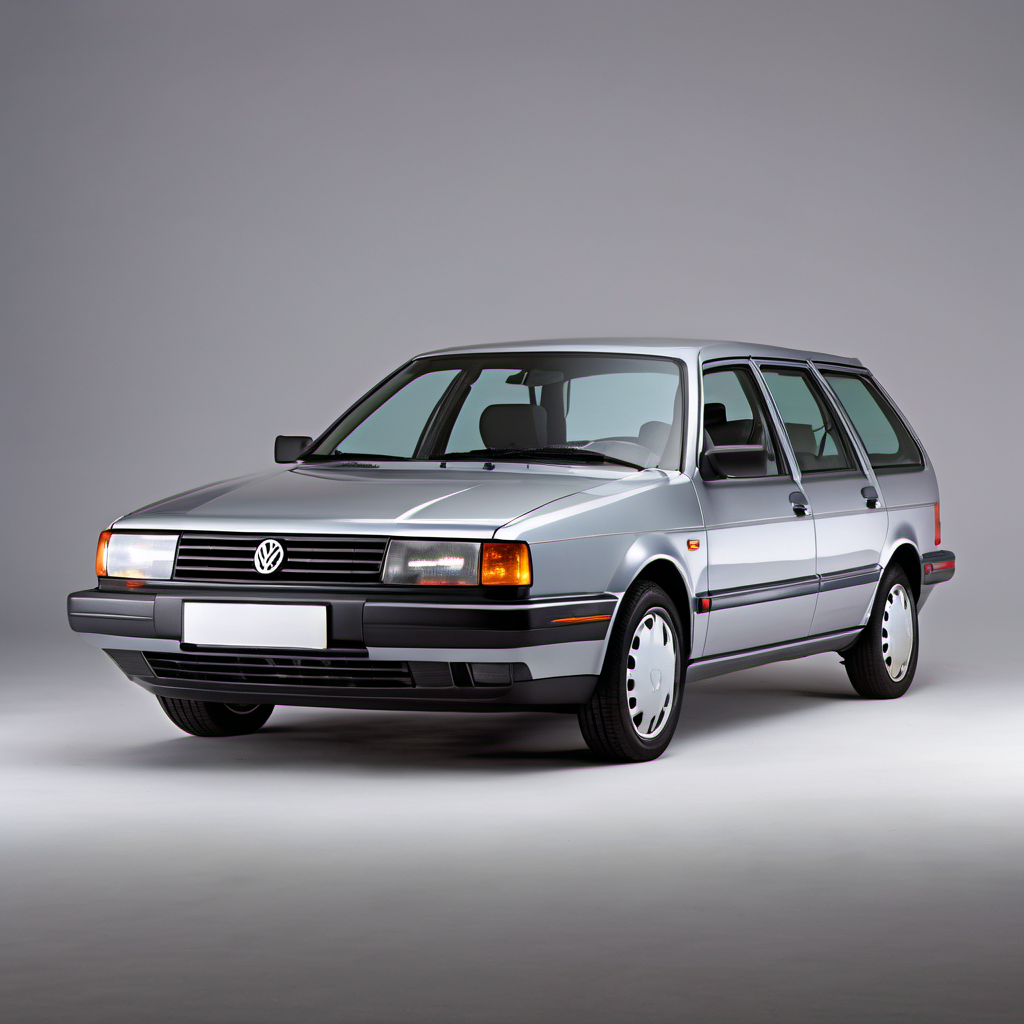
Shares the same VAG corporate platform and era, similar powertrain options, more common in North America so parts are slightly easier to source.
Same compact European sedan segment and price tier, comparable performance, similarly enthusiast-focused with specialist maintenance requirements.
No catalog match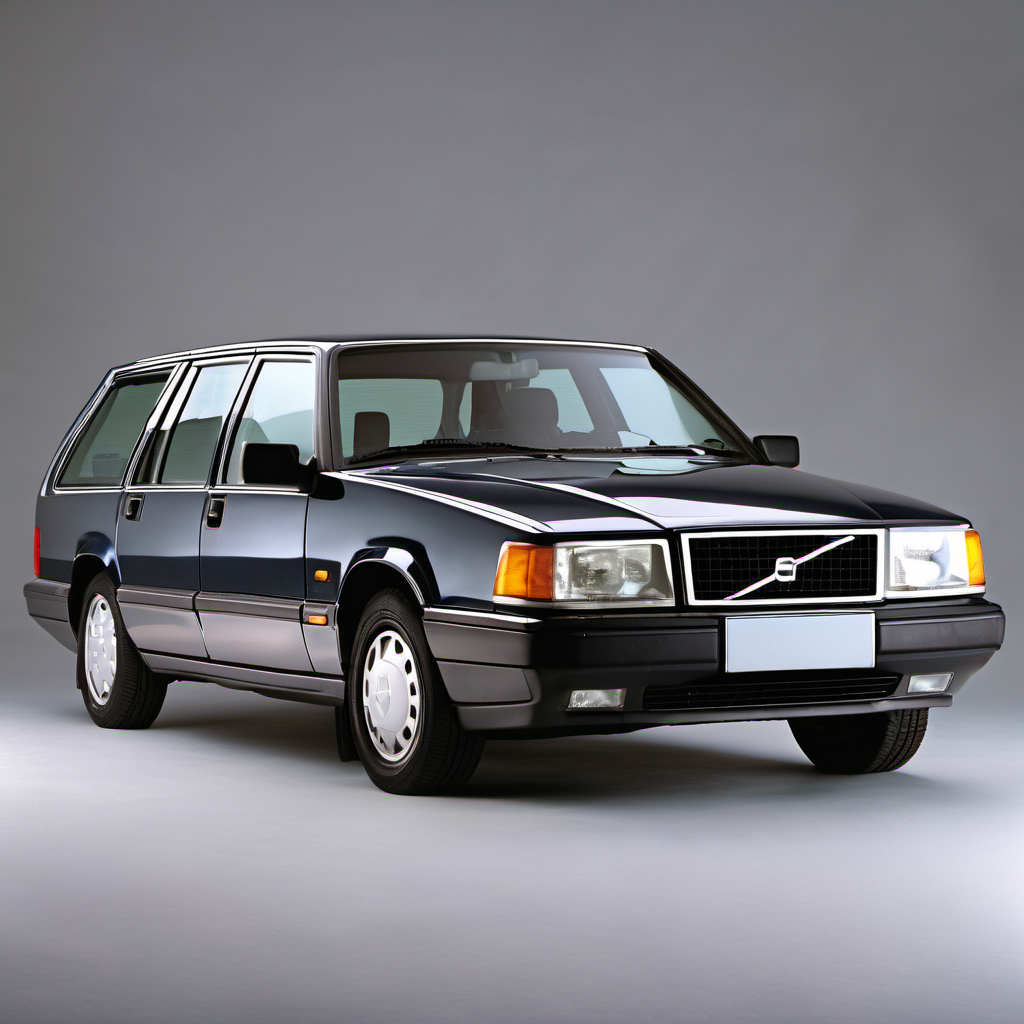
European compact/mid-size sedan from the same era, strong build quality, better parts availability in the US, similarly honest ownership cost profile.
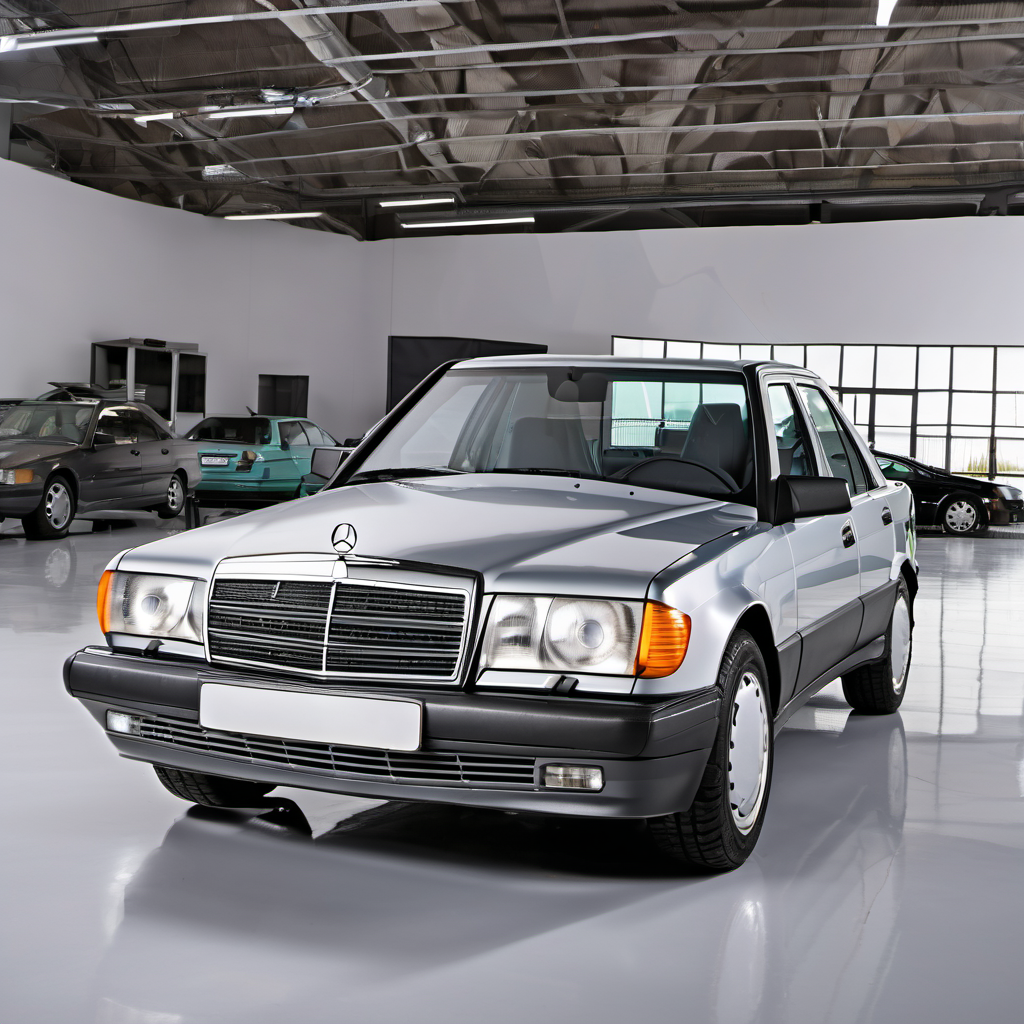
Entry-level European compact sedan of the same period, premium build, similar collector interest, comparable age-related maintenance challenges.